New Jersey Governor Mikie Sherrill is warning port and terminal operators not to accept Russian diesel shipments heading toward the U.S. East Coast, arguing that the Trump administration’s authorization of the imports violates federal law and could leave businesses facing millions of dollars in penalties.
In a letter sent Monday, Sherrill urged operators to turn away tankers carrying Russian fuel and pledged to use New Jersey’s legal and regulatory powers to prevent the shipments from being unloaded at the state’s terminals.
The warning comes as at least one tanker carrying Russian diesel continues toward the U.S. East Coast following the Trump administration’s decision last month to temporarily allow Russian diesel imports in an effort to ease soaring fuel prices.
“Every port and terminal operator, intermediary, and buyer is on notice: do not help bring illegal Russian diesel into New Jersey,” Sherrill said.
The dispute centers on General License 135, issued October 9 by the Treasury Department’s Office of Foreign Assets Control (OFAC). The license authorizes transactions involving the sale, delivery, offloading and importation of Russian-origin diesel through April 7, 2027.
Sherrill argues that the license conflicts with the Ending Importation of Russian Oil Act, passed by Congress in April 2022 following Russia’s invasion of Ukraine. The law banned imports of Russian oil and petroleum products, including diesel.
According to the governor, the law does not give the president or Treasury Department broad authority to lift the ban without congressional approval. She also argues that the authorization should have undergone a congressional review process before taking effect.
In her letter, Sherrill warned that companies participating in an unlawful importation could face penalties equal to the value of the cargo under federal customs law, potentially amounting to millions of dollars.
The Treasury Department has maintained that its authorization complies with applicable law, leaving port operators caught between the federal government’s decision to permit the shipments and warnings from state officials and lawmakers that handling the cargo could expose them to future legal action.
Russian Diesel Tanker Remains at Sea
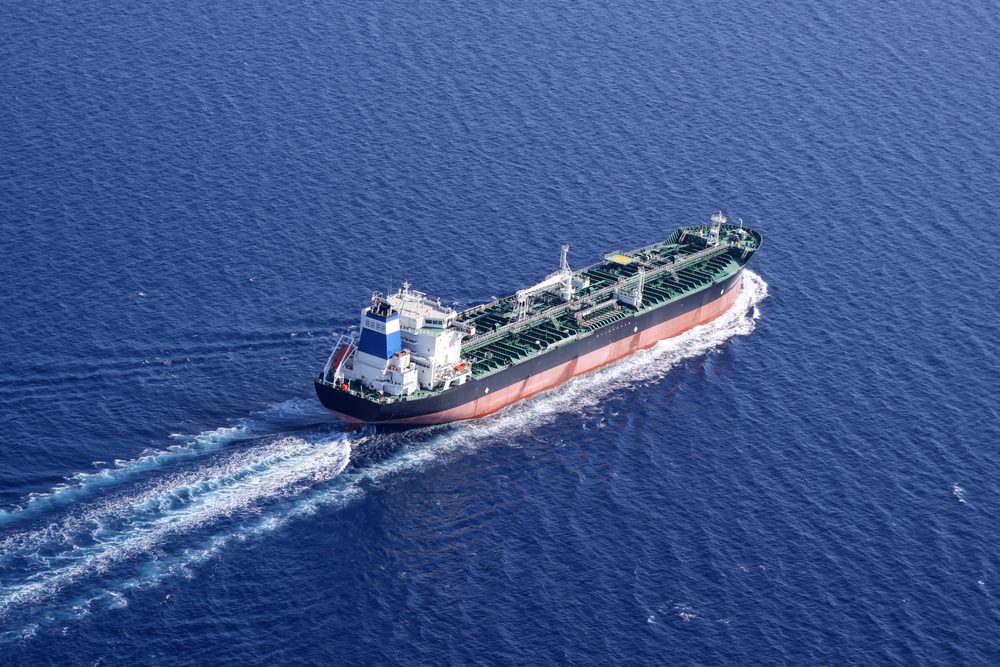
The warning comes as the Malta-flagged product tanker Agioi Fanendes continues its voyage after loading approximately 40,000 metric tons of diesel at Russia’s Baltic port of Primorsk on October 22.
The vessel initially listed New York as its destination, with an expected arrival around November 7, but later changed its AIS destination to “for orders,” leaving its intended discharge port uncertain.
According to a November 3 assessment by maritime intelligence firm Windward, Agioi Fanendes appears to be the only one of three Russian diesel tankers previously reported as heading toward the United States that remains on a course toward the U.S. East Coast.
Two other tankers, Talisman and Leruo, have changed their declared destinations, suggesting their plans may have changed. Windward said no Russian diesel cargo has yet been delivered to the United States under the new authorization.
Sherrill’s warning follows a similar move by Senator Richard Blumenthal (D-CT), who last week called on the owner of Agioi Fanendes to turn the tanker around, arguing that the federal license cannot override the 2022 import ban.
The growing opposition adds another complication for shipowners, charterers and terminal operators considering whether to participate in the trade.
Sherrill also criticized the administration for allowing purchases of Russian fuel while Moscow continues its war against Ukraine and provides support to Iran, where U.S. forces remain engaged in hostilities.
The governor, a former Navy helicopter pilot, said New Jersey would not allow its ports to help finance those activities.
For now, it remains unclear whether any Russian diesel tanker will attempt to discharge at a New Jersey terminal. But with Agioi Fanendes still at sea and its destination unconfirmed, the legal and political pressure surrounding the shipment continues to grow.

 Join The Club