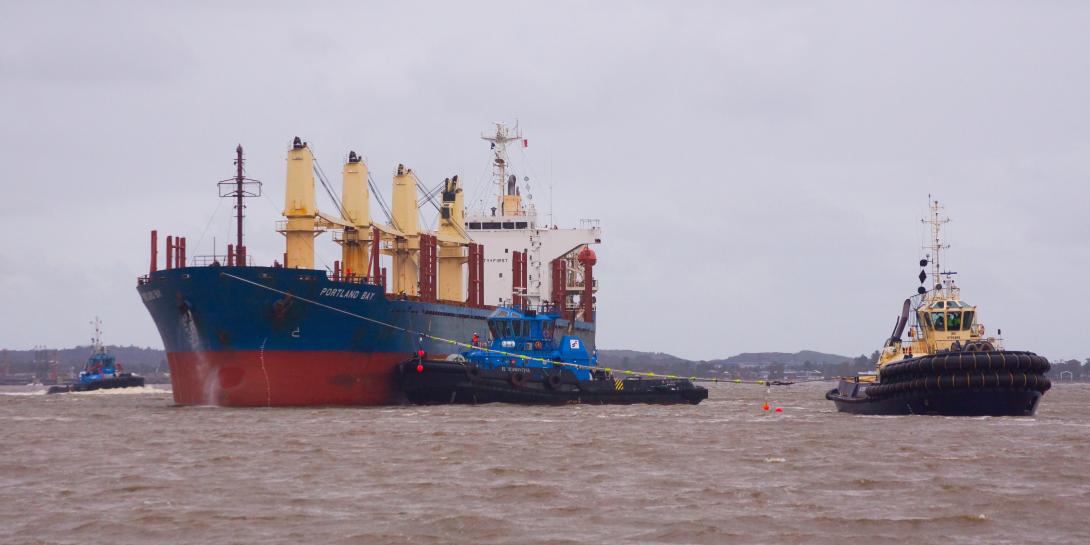
The Australian Transport Safety Bureau (ATSB) has released a comprehensive report detailing the July 2022 incident where the bulk carrier Portland Bay nearly stranded off Sydney’s coast, revealing significant failures in emergency response coordination and highlighting urgent safety recommendations.
The 170-meter vessel, carrying 950 tonnes of heavy fuel oil, lost engine power just 12 nautical miles offshore – well short of the prescribed 50 nautical mile safe distance. The incident began when the ship departed Port Kembla on July 3, 2022, due to deteriorating weather conditions that made it unsafe to remain in port.
“The stranding on pristine national park coastline would have had internationally significant environmental and economic consequences, and as such this was one of the ATSB’s most comprehensive marine occurrence investigations in nearly two decades,” said ATSB Chief Commissioner Angus Mitchell.
Early on July 4, the vessel’s main engine failed while battling gale force winds and rough seas. The emergency response that followed exposed serious coordination issues between multiple agencies. The initial delay in reporting by the ship’s master was compounded when NSW authorities failed to immediately notify the Australian Maritime Safety Authority (AMSA).
Source: Australian Hydrographic Office and Portland Bay’s recorded voyage data, annotated by the ATSB
The first harbor tug arrived nearly five hours after the initial distress call, lacking both an operational towing winch and suitable towline. By this point, Portland Bay’s master had deployed both anchors approximately one mile from the rocky shoreline of Royal National Park – a desperate measure that ultimately prevented disaster.
Two additional harbor tugs arrived five hours later and attempted to tow the vessel to safety. However, one towline failed, forcing the master to again deploy both anchors as the ship drifted toward Cronulla. Even with both anchors deployed and one tug still connected, the vessel continued its slow drift toward the coastline.
A critical factor in prolonging the emergency was the delayed deployment of the state’s designated ocean-going emergency towage vessel, Svitzer Glenrock. Despite an initial request around midday by the Port Authority, communication failures between agency control rooms resulted in the vessel not being tasked until 13 hours into the emergency. Svitzer Glenrock finally arrived 30 hours after the initial mayday calls, following a 90-nautical-mile journey from Newcastle in severe weather.
The ATSB investigation identified eight safety issues, leading to unprecedented formal recommendations to four organizations. The investigation revealed that three legislated bodies had different interpretations of their responsibilities under the same emergency response plans.
“These differing understandings of responsibilities effectively left a significant proportion of the emergency response in the hands of commercial arrangements – arrangements that had inherent limitations,” Mitchell explained.
The investigation’s findings have prompted eight safety recommendations to four organizations, including the AMSA, the Port Authority of NSW, NSW Maritime, and United Salvage. Key issues include ineffective implementation of national response procedures, inadequate coordination, and unclear communication of salvage capabilities.
The ATSB will continue monitoring the implementation of these recommendations as the organizations work to address the identified safety concerns.
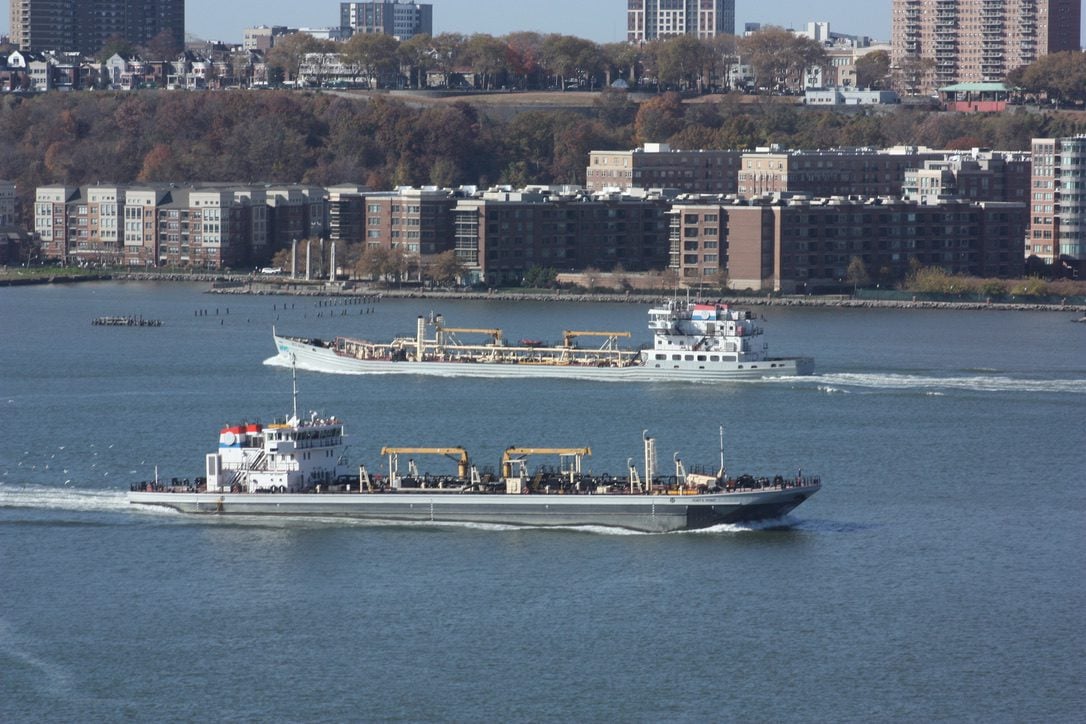
By Daniel Katzive (gCaptain) – Unapproved use of a propane torch on deck triggered the explosion aboard a New York City municipal sludge tanker Hunts Point last May, according to...
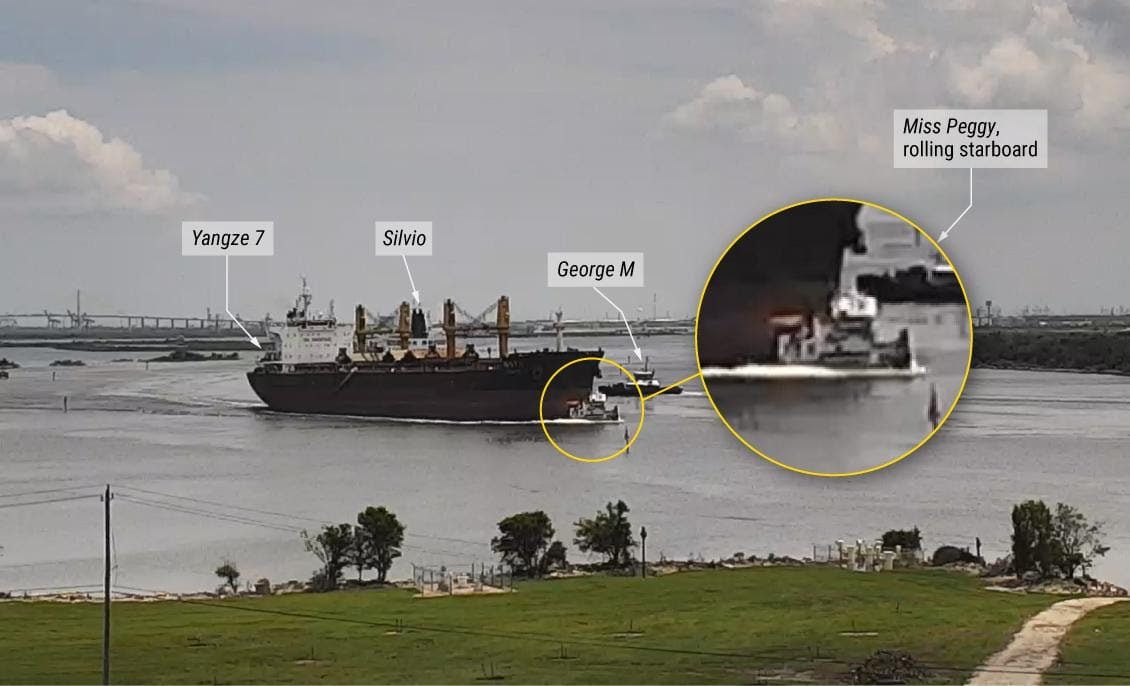
A Houston ship pilot’s extended personal cell phone conversation and multiple failures to maintain a proper lookout led to the fatal 2024 collision between the bulk carrier Yangze 7 and the towing...
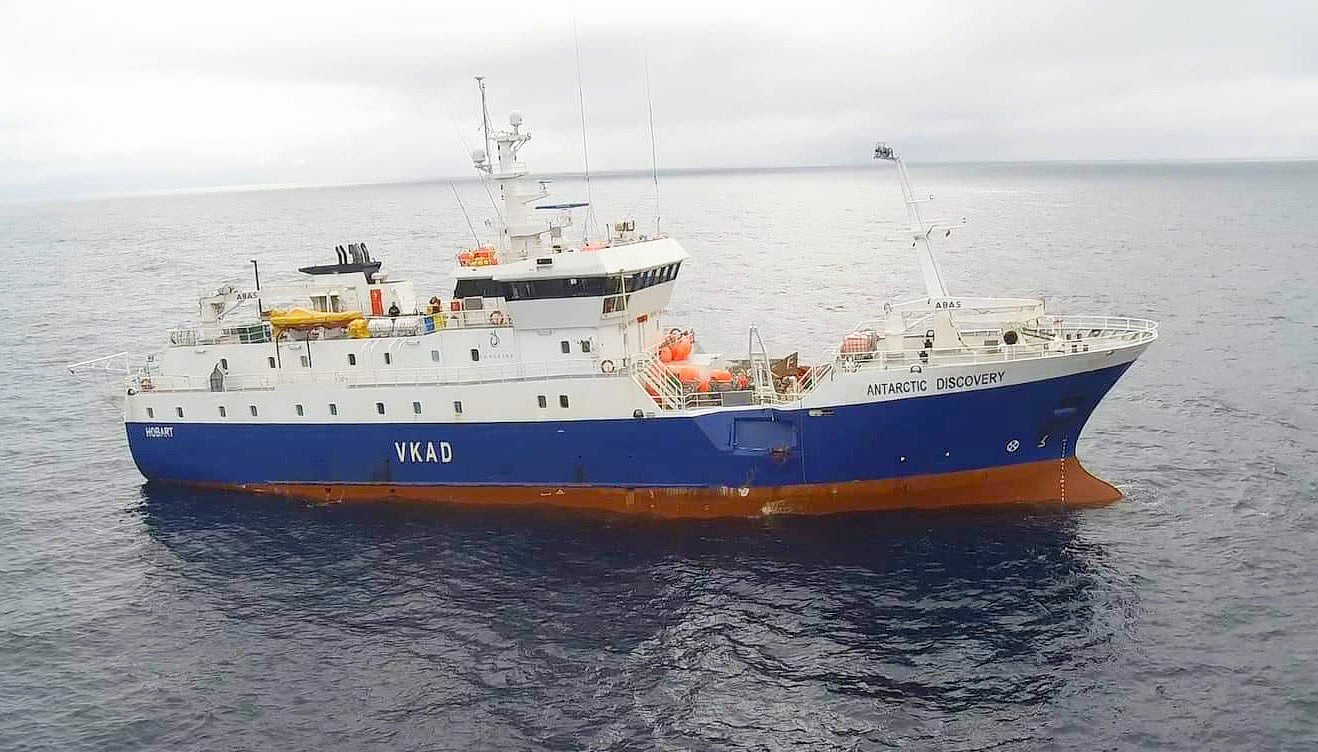
A routine maintenance job aboard the fishing vessel Antarctic Discovery turned into a dangerous toxic gas incident after decomposing fish waste was accidentally pumped into a machinery space, sending four workers to...
July 23, 2026
Total Views: 3739
Get The Industry’s Go-To News
Subscribe to gCaptain Daily and stay informed with the latest global maritime and offshore news
— just like 107,122 professionals
Secure Your Spot
on the gCaptain Crew
Stay informed with the latest maritime and offshore news, delivered daily straight to your inbox
— trusted by our 107,122 members
Your Gateway to the Maritime World!
Essential news coupled with the finest maritime content sourced from across the globe.

 Join The Club