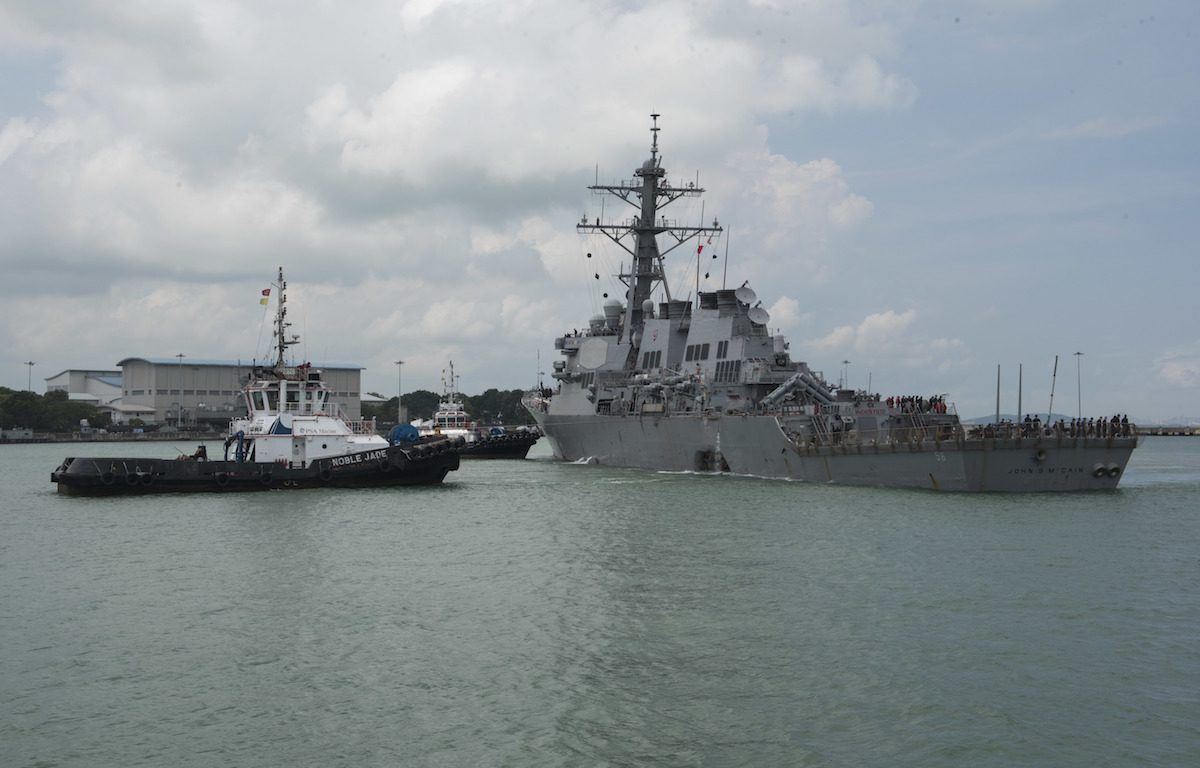
Tugboats from Singapore assist the guided-missile destroyer USS John S. McCain (DDG 56) as it steers towards Changi Naval Base, Republic of Singapore following a collision with the merchant vessel off Singapore, Aug. 21. U.S. Navy Photo
 WASHINGTON, Sept 19 (Reuters) – U.S. Senator John McCain called on Tuesday for an immediate stop to U.S. sailors working over 100 hours a week as top Navy leaders struggled to explain a series of fatal naval collisions in the past few months.
Earlier this month, the Government Accountability Office government watchdog said that a reduction in crew sizes was contributing to safety risks, with some sailors working over 100 hours a week.
“I think I know what 100 hours a week does to people over time and that has been standard procedure for a long time,” McCain, chairman of the Senate Armed Services Committee, said.
“I’m glad you’ve got RAND and whoever the hell else it is that is studying (the issue)… (but) you could make the change tomorrow,” McCain added. RAND is a U.S.-backed think tank.
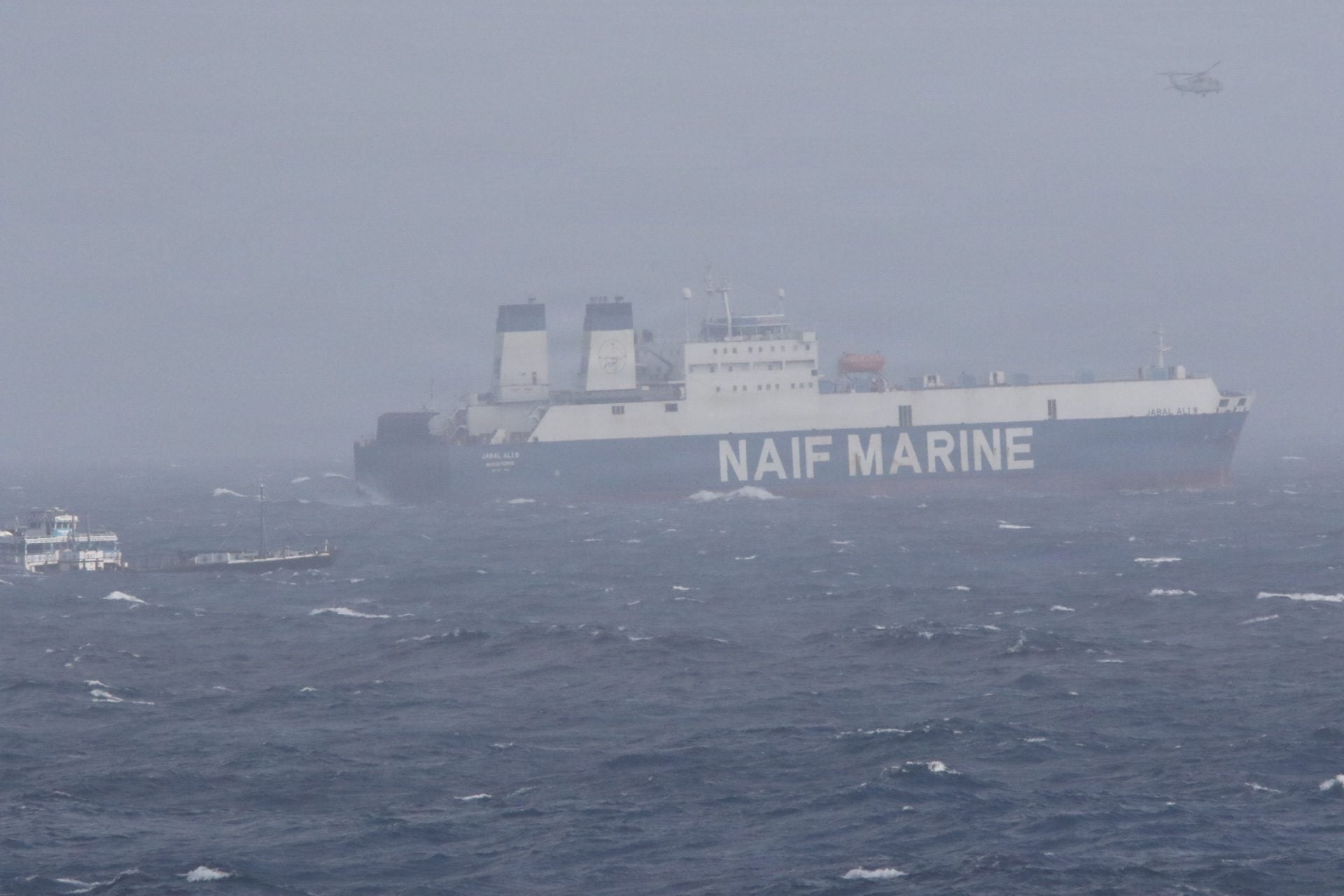
The guided missile destroyer John S. McCain, named after the Senator McCain’s father and grandfather, suffered significant damage and 10 sailors were killed when it collided with a tanker east of the Straits of Malacca and Singapore on Aug. 21.
The John S. McCain’s sister ship, the Fitzgerald, almost sank off the coast of Japan after colliding with a Philippine container ship on June 17. The bodies of seven U.S. sailors were found in a flooded berthing area after that collision.
Family members of some of the sailors who were killed were attending the hearing.
Navy Secretary Richard Spencer told the hearing that a review was underway to look issues within the Navy.
“We have a problem in the Navy and we are going to fix it,” Spencer said.
Spencer added that the Navy would consult with outside companies, including BP North America, which has experience in dealing with tragedies. In 2010, a BP rig in the Gulf of Mexico exploded which lead to the worst off shore oil disaster in U.S. history.
Admiral John Richardson, the chief of naval operations, said that a high pace of operations and budget caps had an impact on the Navy, but ultimately Navy leaders were responsible for safety and readiness.
The Navy has fired a number of officers, including the commander of the Seventh Fleet, as a result of the collisions involving its warship in Asia. (Reporting by Idrees Ali and Phil Stewart; Editing by Alistair Bell)
(c) Copyright Thomson Reuters 2017.
Updated: July 14, 2021 (Originally published September 19, 2017)
Editorial Standards · Corrections · About gCaptain
This article contains reporting from Reuters, published under license.

 Join The Club