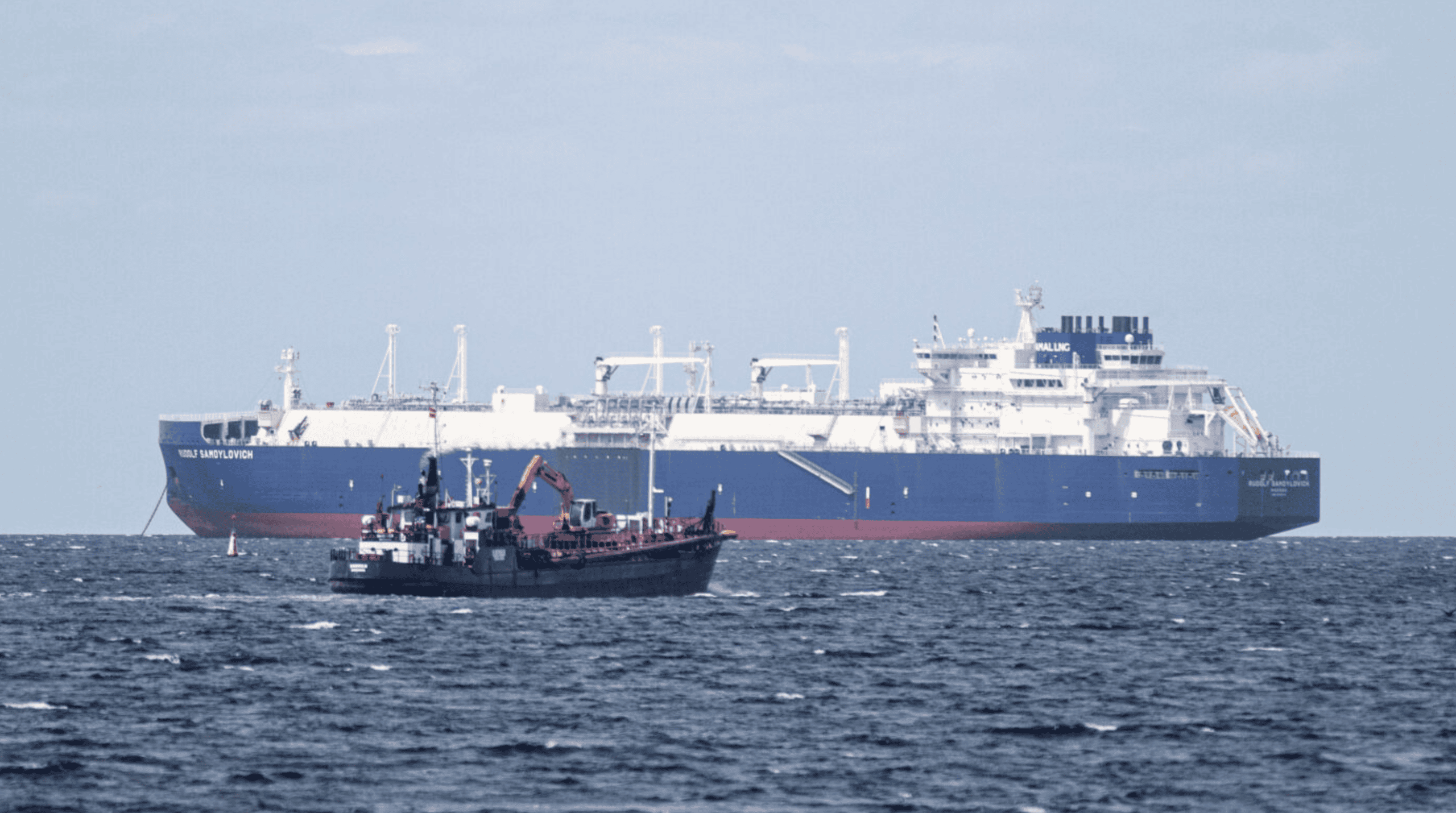
The Arc7 icebreaking LNG carrier Rudolf Samoylovich has arrived at Denmark’s Fayard A/S Odense yard for scheduled maintenance, highlighting the Danish facility’s unique role as the last remaining shipyard in Europe still servicing the specialized vessels that enable year-round exports from Russia’s Yamal LNG project.
Rudolf Samoylovich is one of 14 Arc7 icebreaking LNG carriers serving Novatek’s Yamal LNG project under long-term charter by shipping companies Seapeak, Dynagas and MOL. The highly specialized vessels were built to operate independently through Arctic ice and are widely regarded as indispensable to year-round exports from the Yamal Peninsula.
While the work remains legal under current European Union sanctions, Fayard has faced growing criticism for maintaining the fleet that helps sustain Russia’s Arctic energy export operations.
Environmental organization Urgewald said in a report published last week that as many as six Arc7 carriers could visit Fayard during the remainder of 2026 based on historical dry-docking intervals. Besides Rudolf Samoylovich, the group identified Georgiy Brusilov, Boris Davydov, Vladimir Vize, Nikolay Zubov, and Nikolay Yevgenov as the most likely candidates for maintenance this year, although actual schedules may vary.
The report argues that, although Fayard’s work is fully permitted under existing sanctions, servicing the vessels helps preserve the operational capability of Russia’s Arctic LNG fleet during a period when European governments are attempting to reduce the Kremlin’s energy revenues.
“This is a stark reminder that Europe still has gaps in its sanctions regime. At a time when Ukrainians continue to pay with their lives, no Danish company should be helping to keep the Kremlin’s fossil fuel fleet operational. The message to Fayard should be clear: stand with Ukraine, not with Putin’s gas exports,” said Villy Søvndal, Danish MEP for the Greens/European Free Alliance.
The Arc7 fleet occupies a unique position in Russia’s energy sector. Designed to break through ice up to 2.1 meters thick without icebreaker assistance. They transport LNG west to Europe during winter and east to Asian markets during the summer navigation season, underpinning Russia’s flagship Arctic gas project operated by Novatek.
Fayard has consistently defended its role, saying it strictly complies with all Danish and EU sanctions and that the maintenance work remains lawful under current regulations. The company has previously said it provides technical services to vessels and is not involved in transporting or trading Russian LNG.
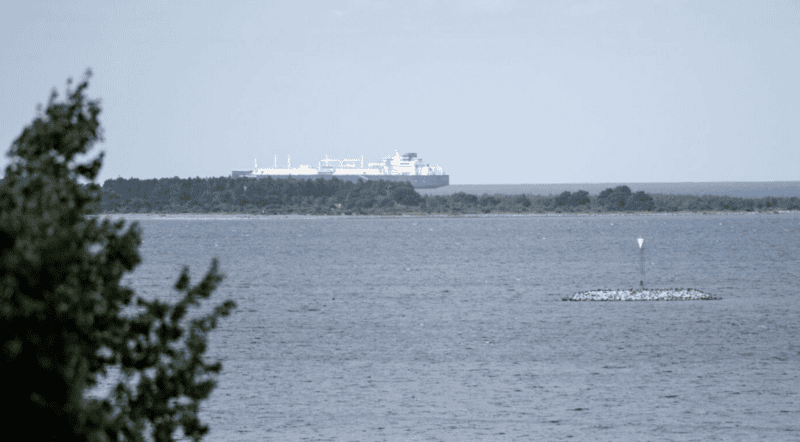
Rudolf Samoylovich before entering the Port of Odense. (Courtesy of Tim Kildeborg Jensen/Danwatch)
The Danish yard’s location also makes it particularly attractive. Situated along the main shipping corridor between the Yamal Peninsula and European LNG terminals, Odense can be reached with only a short diversion from the vessels’ normal trading route, minimizing downtime compared with more distant repair facilities.
For Novatek, the coming months therefore represent the final opportunity to carry out comprehensive maintenance at a nearby European yard before that option disappears. Analysts say ensuring the Arc7 fleet receives a final round of servicing before the ban takes effect will help keep Russia Arctic assets operating reliably well beyond 2027.
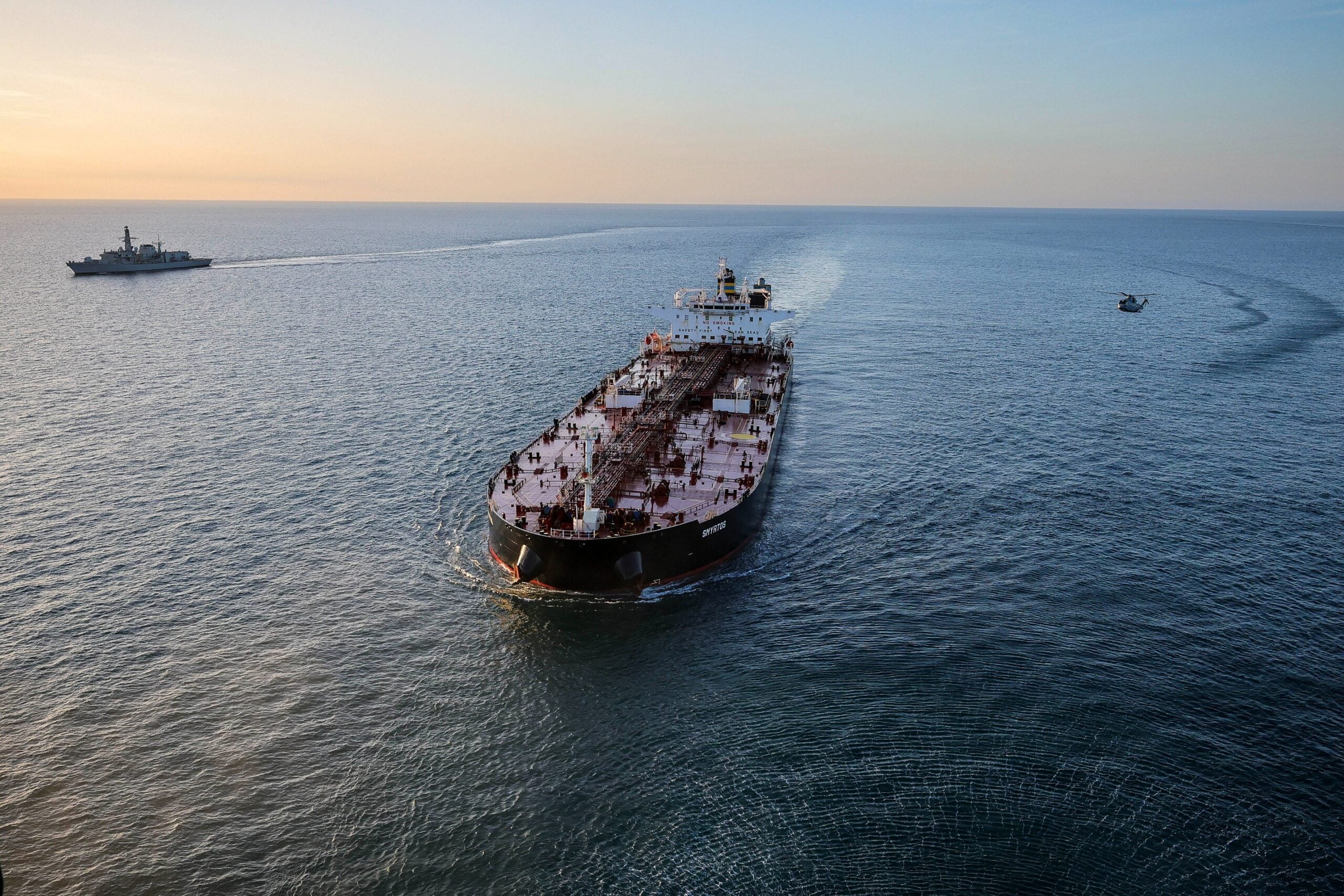
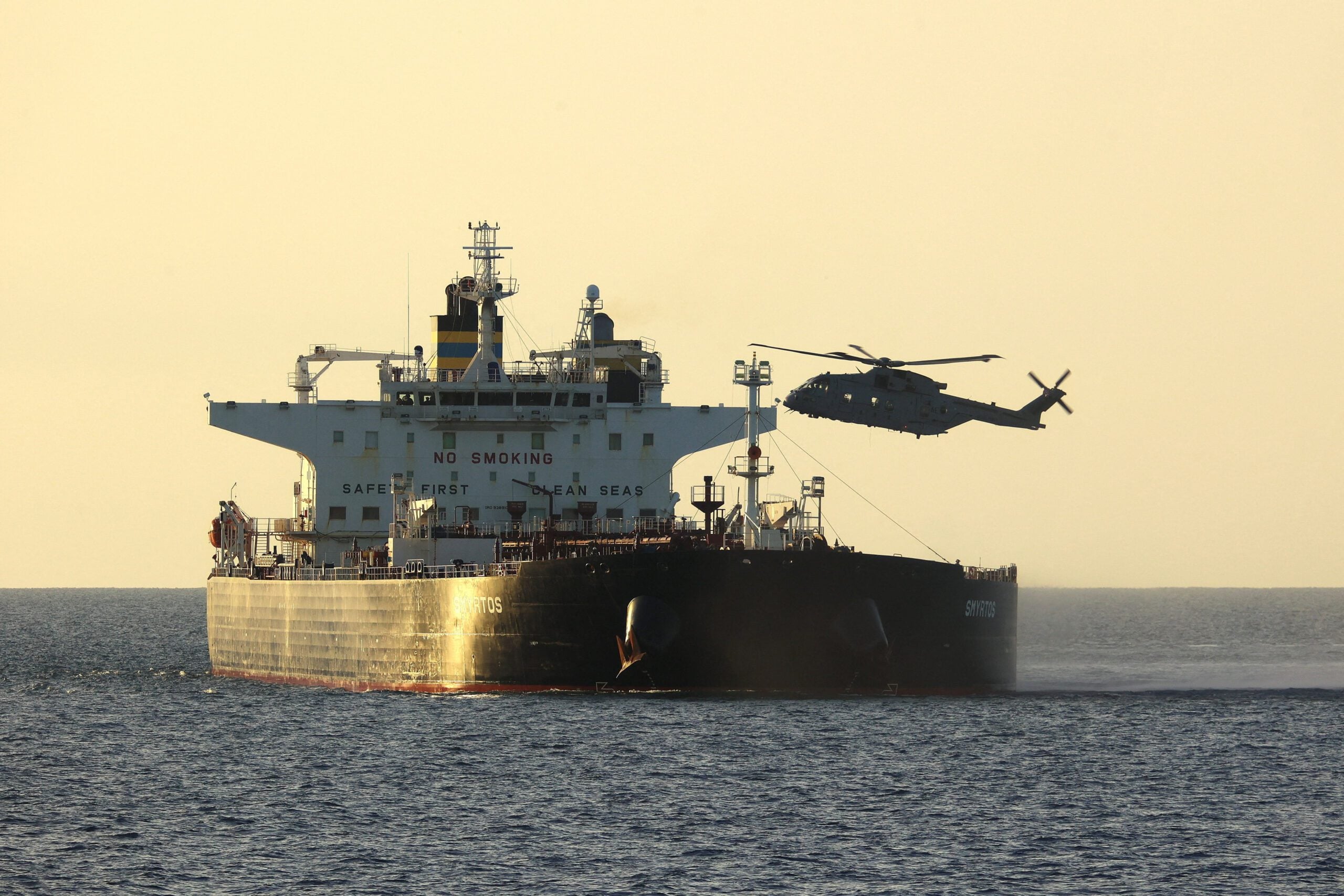
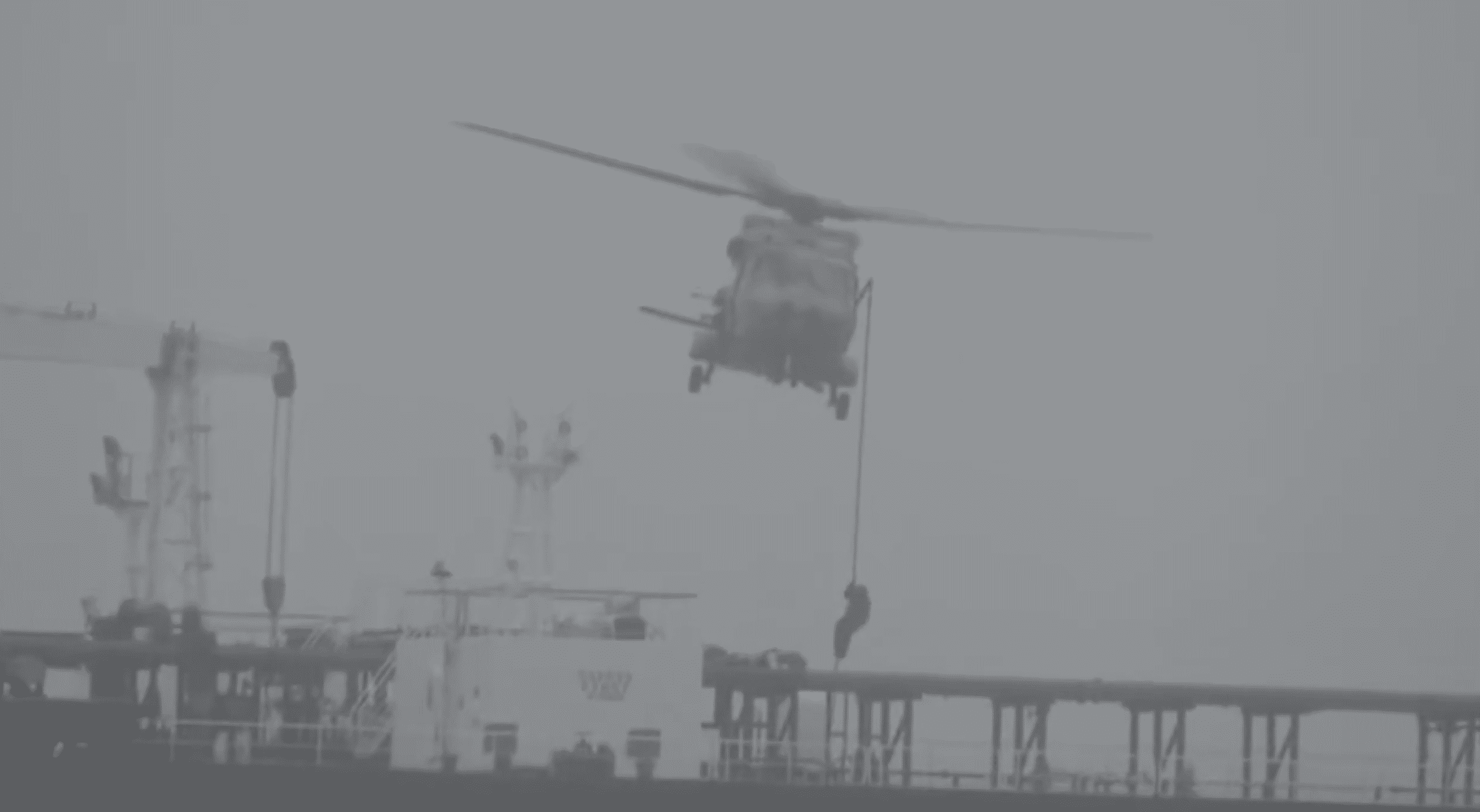
In the grey hours before dawn on Sunday, Royal Marine Commandos fast-roped from RAF Chinook helicopters onto the deck of a 244-meter Aframax tanker transiting the English Channel. By Paul...
The United Kingdom has boarded a sanctioned Russian shadow fleet tanker in what officials described as the first UK-led operation of its kind, marking a significant escalation in efforts to...
Russia is demanding that France release the captain of a tanker detained in France on what it says are false charges, the Russian embassy in Paris saidon Wednesday.
June 3, 2026
Total Views: 1496
Get The Industry’s Go-To News
Subscribe to gCaptain Daily and stay informed with the latest global maritime and offshore news
— just like 104,843 professionals
Secure Your Spot
on the gCaptain Crew
Stay informed with the latest maritime and offshore news, delivered daily straight to your inbox
— trusted by our 104,843 members
Your Gateway to the Maritime World!
Essential news coupled with the finest maritime content sourced from across the globe.

 Join The Club