Malaysia’s seizure of two crude oil tankers suspected of carrying out an unauthorised ship-to-ship transfer off Penang was initially hailed as one of the region’s most assertive maritime enforcement actions of the year.
By Paul Morgan (gCaptain) – Days later however, the quiet release of both vessels has complicated that narrative, raising fresh questions about how effectively Southeast Asian states can police the grey zones of the global oil trade.
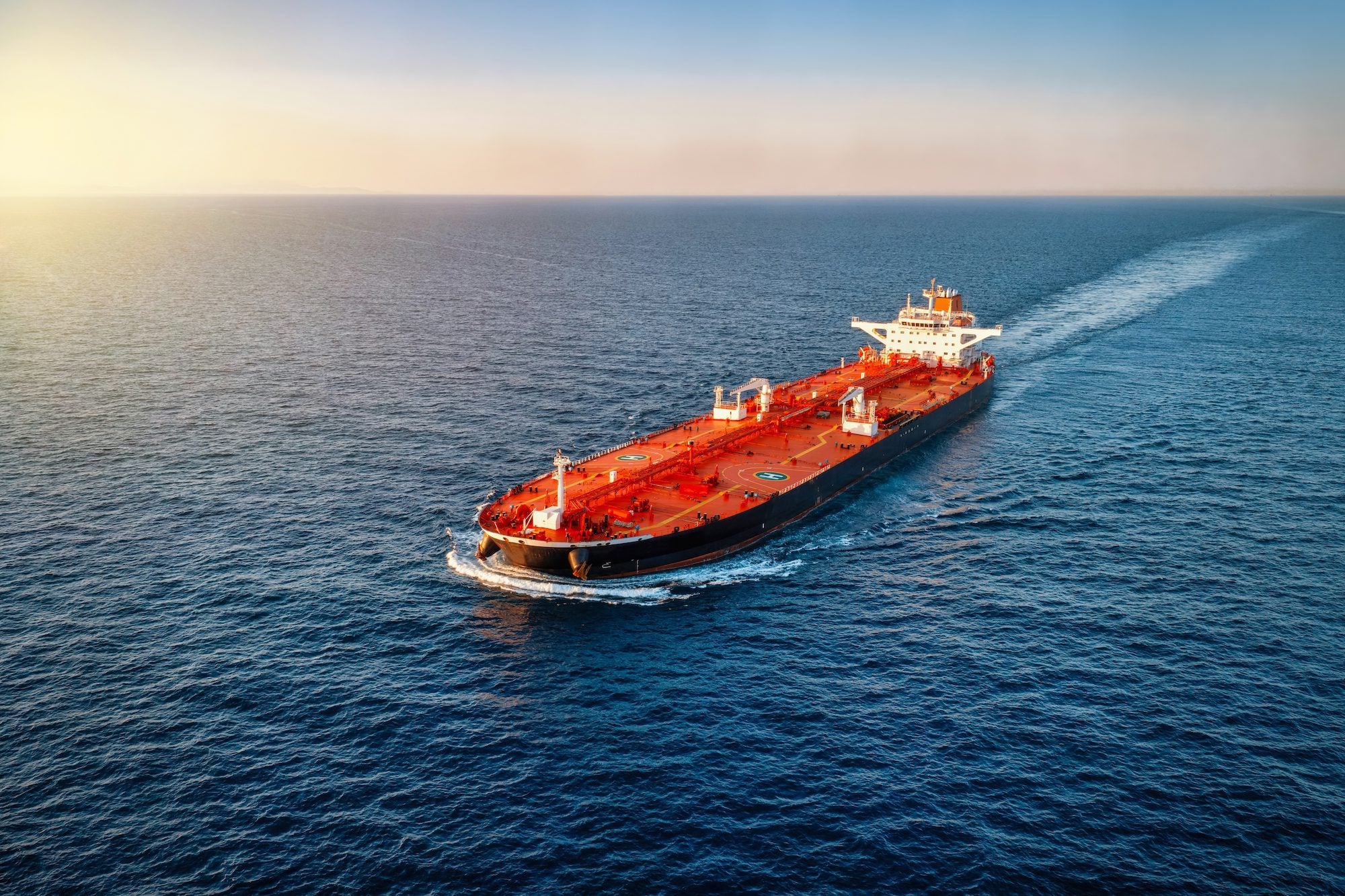
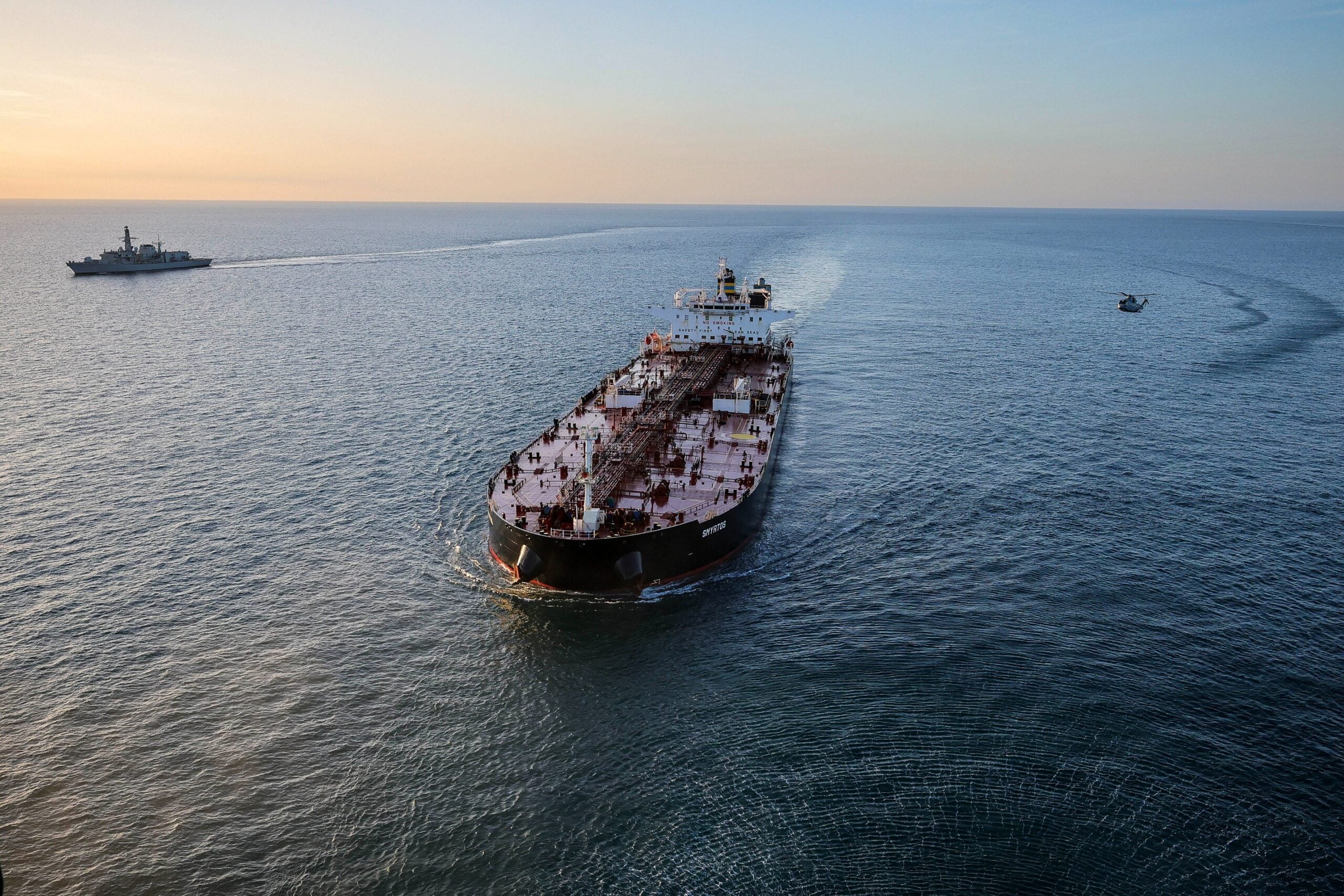
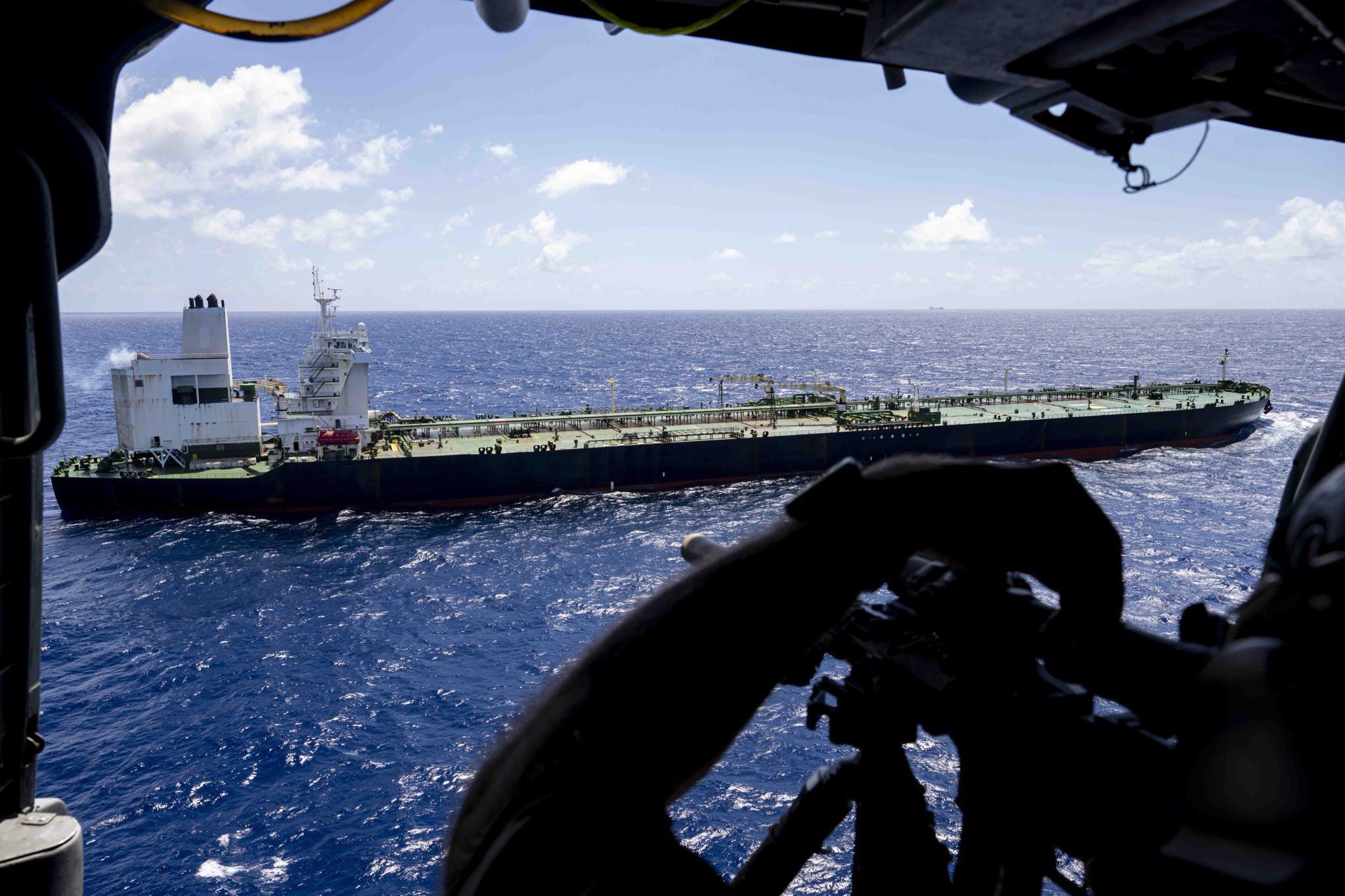
The case began when the Malaysian Maritime Enforcement Agency detained two tankers anchored about 24 nautical miles west of Muka Head, near the north-western tip of Penang. Acting on reports of suspicious activity, boarding teams found the vessels coupled together, a configuration commonly associated with ship-to-ship transfers. Authorities said they suspected crude oil was being transferred without authorisation.
Malaysia announced the seizure of more than RM512 million, around USD 130 million, worth of crude oil. Both masters were arrested and handed over to maritime investigators in Penang, while 53 crew members of mixed nationalities, including Chinese, Myanmar, Iranian, Pakistani and Indian seafarers, were detained for questioning. The combined value of the two tankers was estimated at about RM718 million, underlining the scale of the operation.
At that stage, the message appeared clear. Unauthorised ship-to-ship transfers are a long-standing concern for regulators because of their role in cargo origin masking, smuggling and sanctions evasion. The waters around Malaysia, sitting astride major energy routes feeding the Malacca Strait, are a known hotspot for such activity. For many observers, the detention signalled that coastal states were prepared to intervene more forcefully against opaque tanker operations.
That impression did not last long. AIS tracking data and trade-press reporting soon showed both vessels had been released and were under way again, one transiting southbound through the Malacca Strait and the other heading west near northern Sumatra. Malaysian authorities have not publicly explained the basis for the release, nor clarified whether the seized crude remains confiscated, whether charges were dropped, or whether investigations are continuing.
The absence of an official explanation has drawn comment from sanctions and maritime-risk analysts, including United Against a Nuclear Iran (UANI). Charlie Brown, UANI’s senior shipping advisor, welcomed Malaysia’s initial action but questioned why vessels suspected of unauthorised transfers appeared to have been allowed to resume trading without a clear public outcome.
He suggested the episode highlights the difficulty of sustaining enforcement against high-risk tanker activity once initial detentions are made.
Care is required in separating fact from allegation. Malaysian authorities have not stated the origin of the crude involved, nor linked the cargo directly to any sanctioned state. While advocacy groups have speculated about possible connections to sanctioned oil flows, those claims remain unproven in this case. From a legal standpoint, unauthorised ship-to-ship transfers can breach domestic regulations even where sanctions are not involved, and prosecutions often hinge on permits, documentation and safety compliance rather than cargo provenance alone.
For the shipping industry, the episode sends mixed signals. The initial seizure reinforced the risk attached to unauthorised offshore transfers, particularly in heavily monitored waters. The subsequent release, however, feeds a perception that grey-zone operators may still be able to test enforcement boundaries with limited long-term consequence.
The confirmed facts are straightforward. Two tankers were detained off Penang on suspicion of an unauthorised ship-to-ship crude transfer, crude valued at around USD 130 million was seized, both captains were arrested, and the vessels were later released and resumed sailing. Everything beyond that remains opaque. In an era of heightened scrutiny on shadow fleet activity, that ambiguity may be the most telling outcome of all.
The cost ?of shipping oil on the largest tankers fell this week from record highs as demand eased following a wave of attacks on vessels in the Middle East and as the US considered easing sanctions on the so-called shadow fleet.
Britain has expanded its sanctions against Russia’s oil industry, targeting two more energy companies, a dozen shadow-fleet tankers and financial networks used to move money around Western restrictions. The measures,...
By Timothy Gardner and Jarrett Renshaw WASHINGTON, Oct 14 (Reuters) – The Trump administration is considering easing sanctions on so-called shadow fleet vessels that have transported oil and petroleum products...
October 15, 2026
Total Views: 671
Get The Industry’s Go-To News
Subscribe to gCaptain Daily and stay informed with the latest global maritime and offshore news
— just like 106,657 professionals
Secure Your Spot
on the gCaptain Crew
Stay informed with the latest maritime and offshore news, delivered daily straight to your inbox
— trusted by our 106,657 members
Your Gateway to the Maritime World!
Essential news coupled with the finest maritime content sourced from across the globe.

 Join The Club