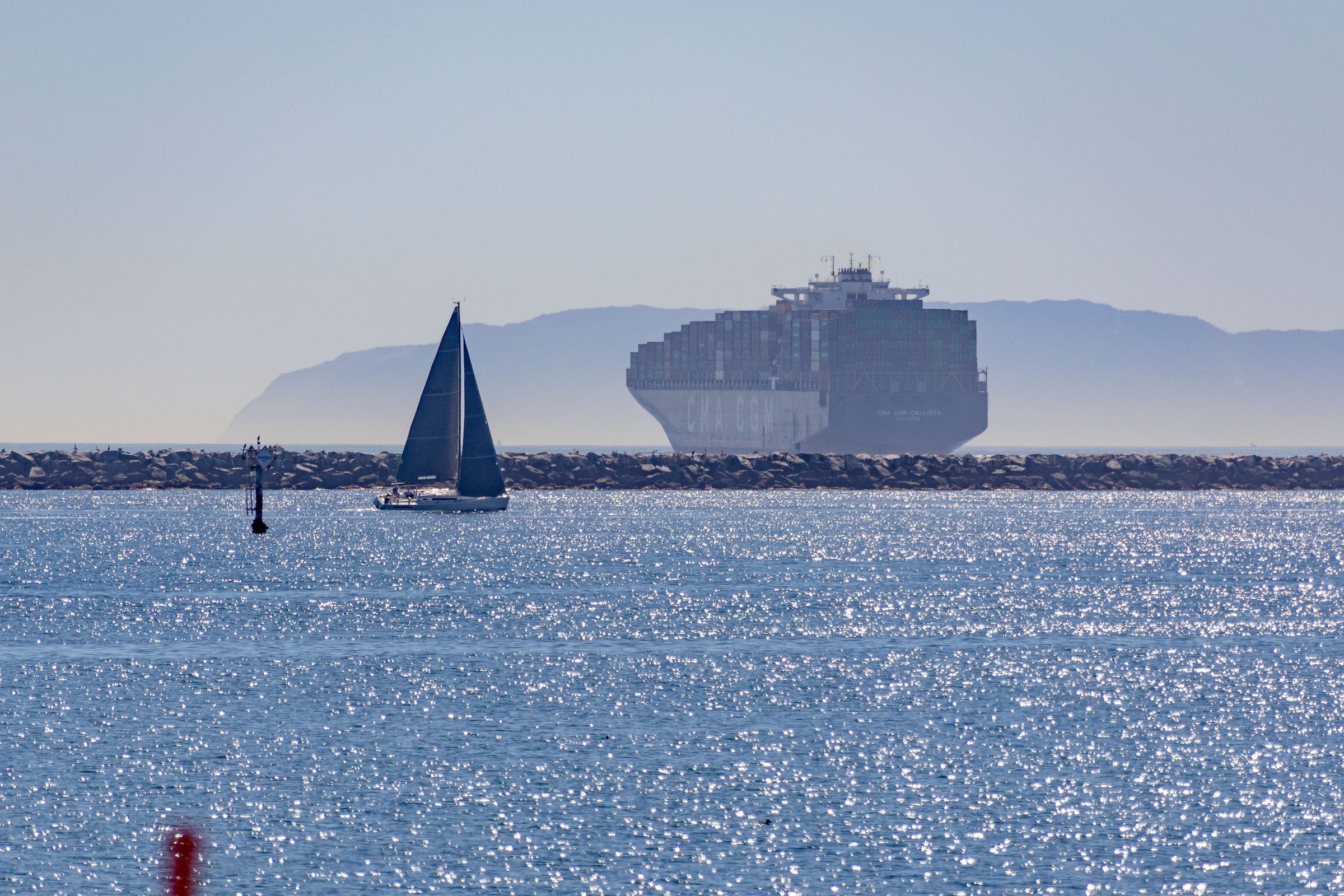
The ports of Los Angeles and Long Beach have identified liquefied natural gas (LNG) and methanol as the most viable alternative marine fuels for the near and medium term, with a new study outlining potential demand and the infrastructure needed to support cleaner shipping at the nation’s busiest port complex.
The joint Clean Marine Fuel Feasibility Assessment, conducted as part of the ports’ Green Shipping Corridor initiatives, examined which alternative fuels shipping companies are most likely to adopt, how demand could develop through 2030, and what investments would be needed to support bunkering operations.
The study estimates that annual LNG demand at the San Pedro Bay ports could reach between 65,000 and 115,000 metric tons by 2030, while methanol demand could range from 64,000 to 250,000 metric tons, depending on market conditions and the deployment of alternative-fuel vessels.
The findings come as shipping companies increasingly invest in dual-fuel vessels capable of running on alternatives to conventional marine fuels, although the industry has yet to settle on a single long-term solution.
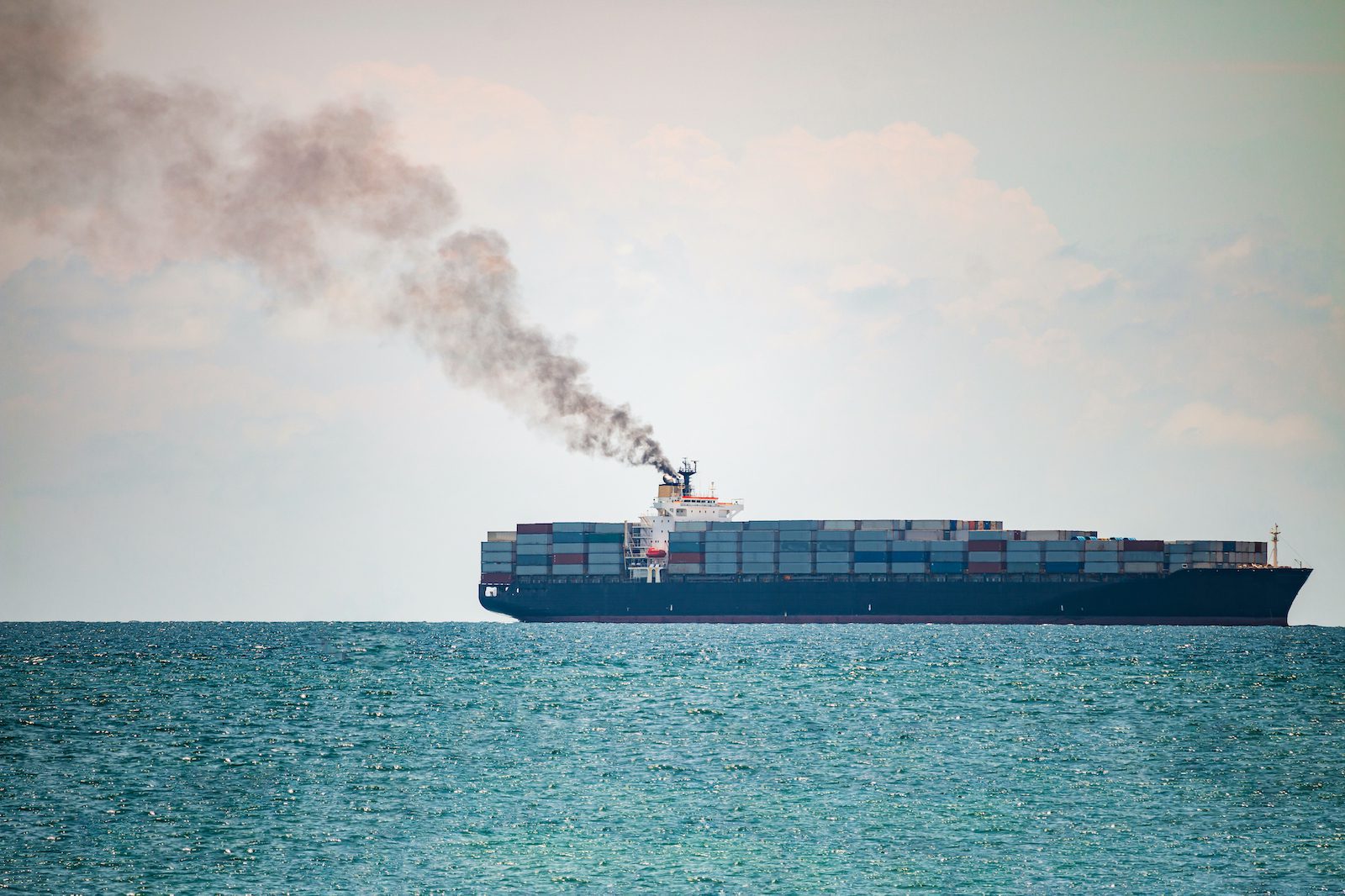
Approximately 4,000 vessels call at the two Southern California ports annually. Emissions from oceangoing vessels represent the largest source of emissions within the port complex, making cleaner marine fuels a central part of the ports’ efforts to meet their Clean Air Action Plan goals.
“Strategic investments guided by this study will enable a growing market for these green marine fuels, helping ships serving the trans-Pacific transition to a cleaner future,” said Port of Long Beach CEO Dr. Noel Hacegaba.
Rather than recommending large-scale infrastructure investments immediately, the assessment calls for a phased approach that takes advantage of existing facilities while supporting early adoption.
For methanol, the study found that much of the necessary storage and distribution infrastructure is already available or could be adapted for marine fueling, potentially reducing upfront costs.
The ports are encouraged to pursue pilot bunkering projects, provide incentives for early methanol adoption, and work with regulators to establish clear safety and permitting requirements.
For LNG, the study recommends relying primarily on existing ship-to-ship bunkering methods rather than constructing major new storage facilities within the ports.
The report also acknowledges that the environmental benefits of alternative marine fuels depend heavily on how they are produced and sourced. LNG and methanol can offer emissions reductions, but their overall climate impacts vary significantly depending on feedstocks, production methods and fuel supply chains.
Fuel prices, regulatory requirements and commitments from shipping lines will ultimately determine how quickly demand develops.
“Reducing emissions from ships is one of the most important challenges facing our industry,” said Port of Los Angeles Executive Director Gene Seroka. “This study gives us a clearer picture of where the market is headed and how we can work with our partners to make cleaner marine fuels more accessible.”
The assessment builds on ongoing efforts to establish green shipping corridors connecting major international trading hubs.
In April, the ports of Los Angeles and Long Beach renewed their Green and Digital Shipping Corridor agreement with Singapore, with the partners committing to advance alternative-fuel bunkering, demonstration projects and digital connectivity.
Singapore has already conducted methanol bunkering trials and awarded licenses to methanol fuel suppliers, while the Southern California ports have been working toward their own demonstration capabilities.
The next step will be a joint request for proposals, expected by the end of 2026, seeking projects to demonstrate alternative-fuel bunkering capabilities in San Pedro Bay.
The ports said the study will also guide future planning and coordination with shipping companies, fuel suppliers, terminal operators and government agencies as the industry works toward lower-emission operations.
For now, the findings suggest that LNG and methanol are likely to play leading roles in the region’s marine fuel transition, with infrastructure development proceeding alongside actual demand rather than ahead of it.

 Join The Club