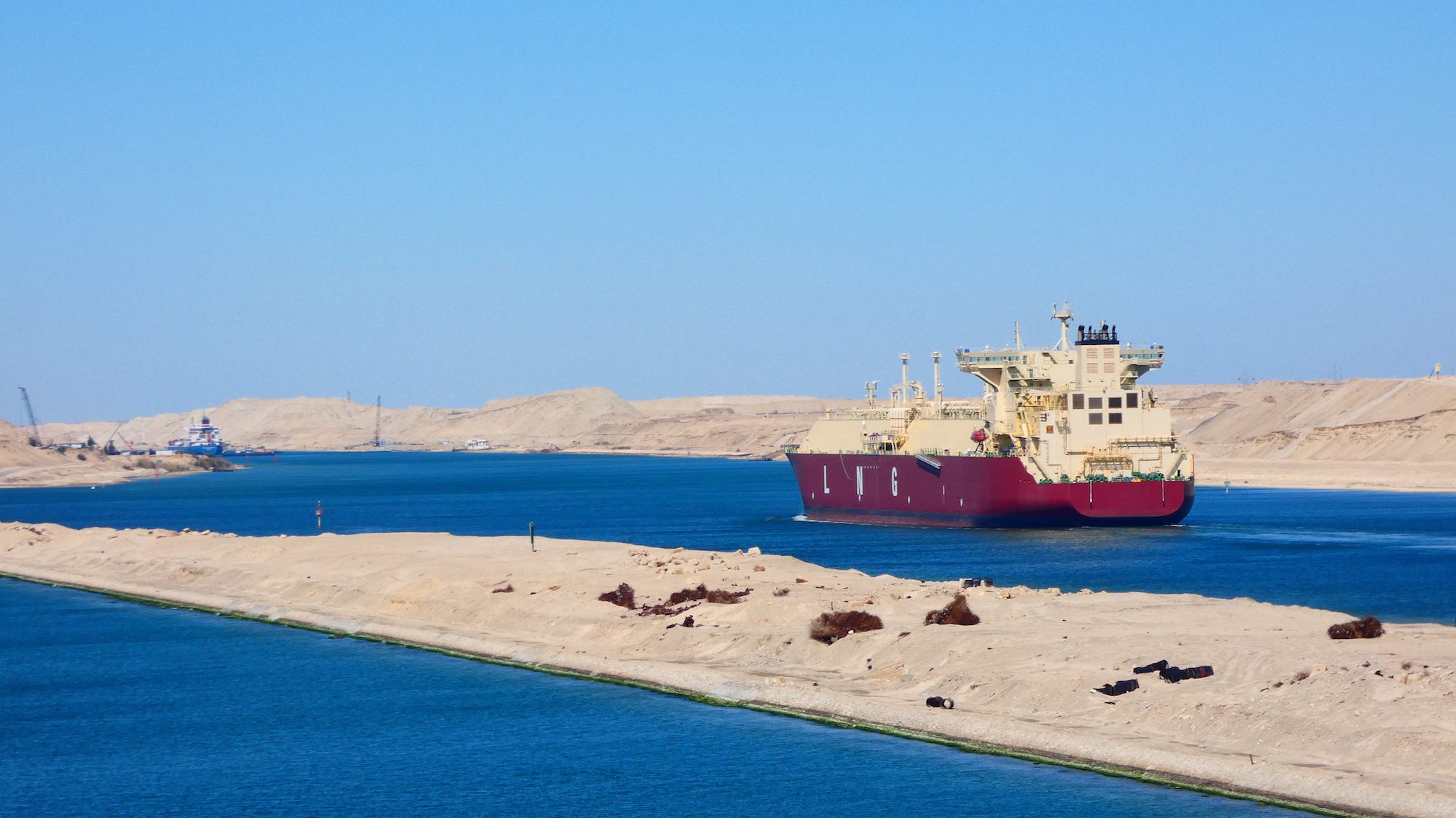
The Arc7 LNG carrier Alexey Kosygin has arrived at the Utrenniy terminal to presumably load its inaugural cargo from the Arctic LNG 2 project, marking the completion of a two-week ice trial transit along the Northern Sea Route. The vessel’s arrival expands the winter export capacity of Russia’s sanctioned flagship LNG project.
For part of the passage, Alexey Kosygin sailed with assistance from the nuclear icebreaker Arktika. The two vessels parted ways in the latter stages of the journey, with Alexey Kosygin completing the final few hundred nautical miles in the Kara Sea, entirely on its own. Completing this leg unescorted in the depths of winter is being viewed as a strong vote of confidence in the vessel’s capabilities and independent operability.
The vessel pulled up alongside Train 1 of the Arctic LNG 2 facility around 8:00 UTC on January 26. The loading represents the 29th cargo lifted since production began in August 2024 and the sixth loading this winter season since December.
Together, these figures point to an improving ability by operator Novatek to maintain steady output and export flows during winter conditions, despite sanctions and logistical constraints.
With Alexey Kosygin now in active service, Novatek has effectively doubled its winter export capacity from Arctic LNG 2. The vessel becomes the second Arc7 LNG carrier dedicated to the project, joining the Christophe de Margerie.
Arc7 ships are designed to transport LNG directly from Arctic terminals through heavy ice, reducing reliance on icebreaker escorts and expanding the seasonal export window.
Novatek currently controls ten conventional LNG carriers for this leg. Depending on routing, via the Suez Canal or around South Africa, one-way voyages take three to four weeks, translating into six to eight weeks for a round trip.
By contrast, the Arc7 shuttle run from Arctic LNG 2 to Saam takes about four days, with round trips completed in roughly eight days.
Combined, the two Arc7 carriers can lift around 550,000 tons of LNG per month to Saam FSU, while the existing conventional fleet can move between 375,000 and 500,000 tons per month onward, depending on routing. The mismatch suggests Novatek will need to expand its conventional LNG carrier fleet to fully utilize the Arctic capacity now coming online.
The pressure on logistics is set to intensify. Novatek plans to place at least one additional Arc7 LNG carrier from the Zvezda yard into service in 2026, further increasing export potential from Arctic LNG 2 and with it the need to secure additional conventional tonnage to keep cargoes moving to end markets year-round.
Russia said on Monday that an oil tanker carrying 100,000 metric tons of crude oil had arrived in Cuba and that Moscow would stand by its friends by working on further supplies despite a U.S. blockade of the Communist-run island.
Just nine months before a full European Union ban on Russian liquefied natural gas (LNG) is scheduled to take effect, EU buyers purchased every cargo from Russia’s Yamal LNG project in February, highlighting a stark disconnect between policy intentions and market realities.
Russia’s Arctic LNG shadow fleet appears to be operating largely undeterred by escalating conflict in the Middle East, with at least seven tankers recently transiting or currently en route through the Red Sea and Bab el-Mandeb strait en route to and from Asia, even as many global shipping operators reroute to avoid the region.
March 2, 2026
Total Views: 3185
Get The Industry’s Go-To News
Subscribe to gCaptain Daily and stay informed with the latest global maritime and offshore news
— just like 107,461 professionals
Secure Your Spot
on the gCaptain Crew
Stay informed with the latest maritime and offshore news, delivered daily straight to your inbox
— trusted by our 107,461 members
Your Gateway to the Maritime World!
Essential news coupled with the finest maritime content sourced from across the globe.

 Join The Club