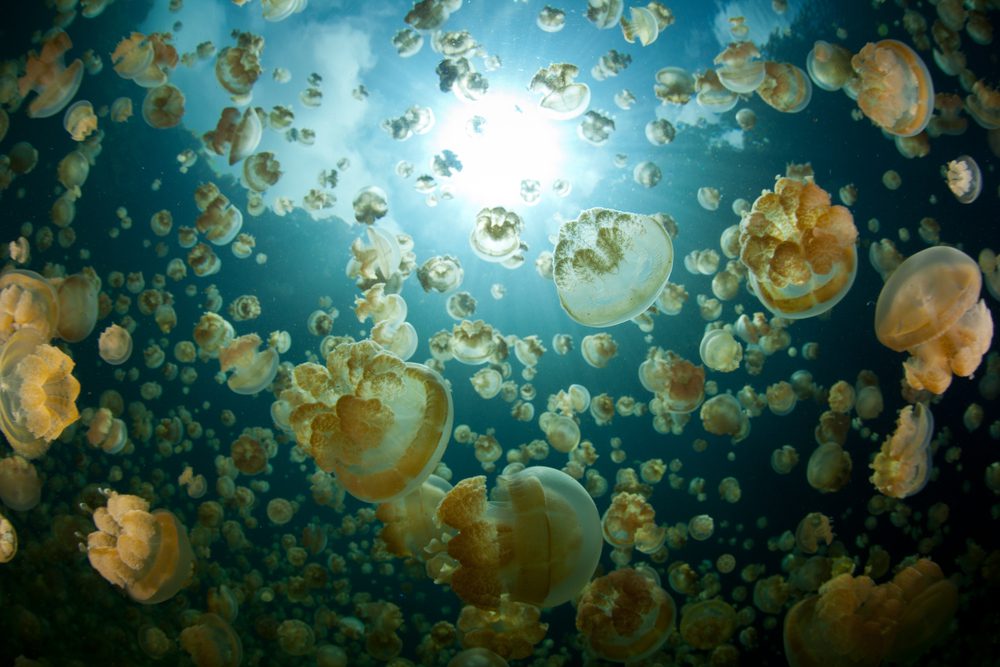
A large concentration of jellyfish was found to be the source of reported pollution Friday in Buzzard’s Bay, Massachusetts.
The U.S. Coast Guard says that at 2:00 p.m. on Friday Coast Guard Sector Southeastern New England was notified by a local, experienced mariner of a possible large oil sheen in Buzzard’s Bay.
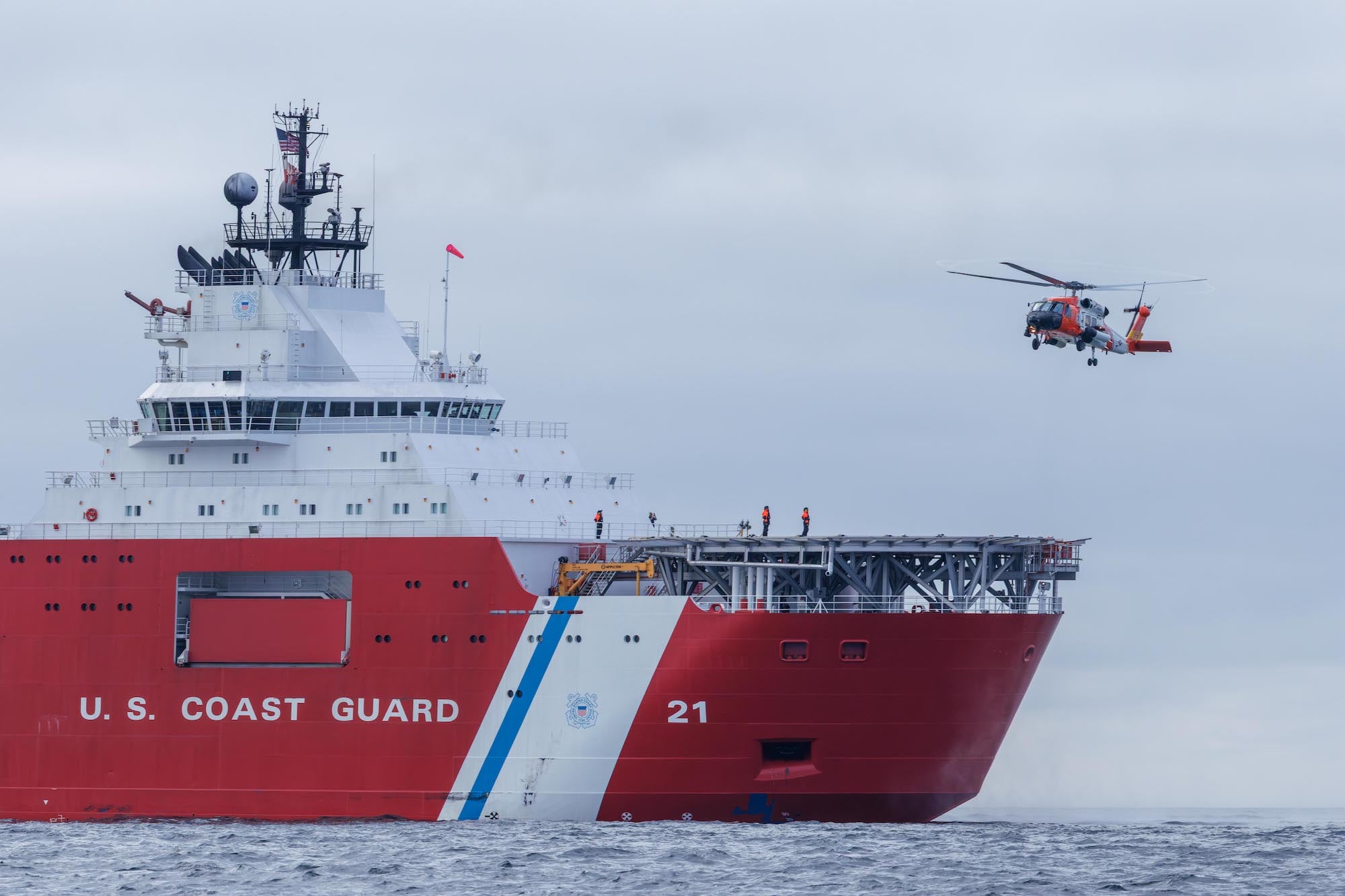
Responding to the report was a Coast Guard helicopter crew and two response boats as well as the Fairhaven Harbormaster, but after arriving on scene the first responders discovered no pollution, rather a large are of jellyfish.
“Often, mariners will report such natural events like large concentrations of jellyfish or algae blooms as pollution to the Coast Guard,” said Lt. Jarrod Pomajzl, the command center chief at Sector Southeastern New England. “The Coast Guard appreciates mariners reporting possible pollution incidents even if they do end up being nothing more than naturally occurring events.”

 Join The Club