The International Maritime Organization has released a new visit explaining the significance of the Polar Code and its impact on shipping.
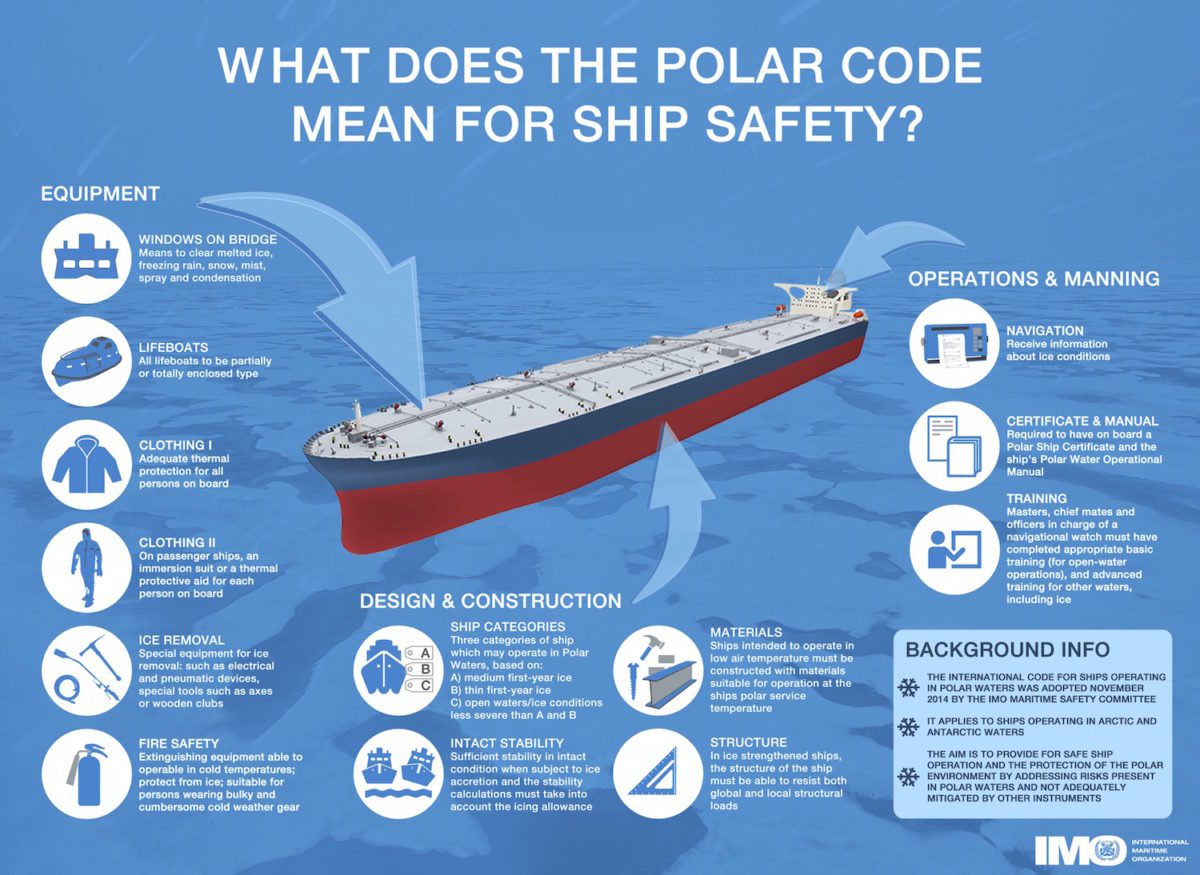
The Polar Code entered into force on 1 January 2017, setting out mandatory standards that cover the full range of design, construction, equipment, operational, training and environmental protection matters for ships making polar voyages. These new rules go above and beyond existing IMO requirements such as those governing prevention of pollution from ships (MARPOL) and safety of life at sea (SOLAS).
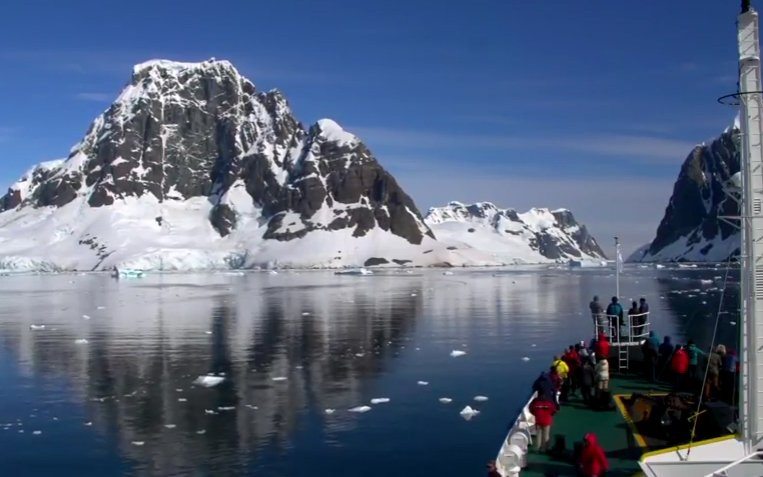
To make the new film, an IMO team visited the Ocean Diamond on a voyage to Antarctica to find out at first-hand what the Code means for ships like this. As Ocean Diamond’s captain Oleg Klaptenko explains, operating in Polar waters is the ultimate test of his ship, and his skills as a professional seafarer.
“There are several sources of danger. Low temperature, bad visibility, very long polar night and polar day. Remoteness from our home and from human facility that can help you. It is also lack of good, accurate and complete hydrographic service,” says Captain Klaptenko.
With more and more ships navigating in polar waters, the International Maritime Organization (IMO) – the United Nations agency with responsibility for regulating the safety and security of shipping and the prevention of pollution from ships – has addressed international concern about the protection of the polar environment and the safety of seafarers and passengers.
Five seafarers were killed during the rescue of a hijacked ship off Somalia last week, prompting International Maritime Organization Secretary-General Arsenio Dominguez to issue yet another statement mourning merchant mariners...
The global maritime industry is marking World Maritime Day on Thursday with an unusually immediate backdrop: merchant ships under attack, seafarers being killed and some of the world’s most important...
Shipping is running out of time to meet a key 2030 target for zero-emission fuels, even as methanol infrastructure and alternative-fuel vessel capacity continue to expand. A new assessment from...
September 22, 2026
Total Views: 1032
Get The Industry’s Go-To News
Subscribe to gCaptain Daily and stay informed with the latest global maritime and offshore news
— just like 106,690 professionals
Secure Your Spot
on the gCaptain Crew
Stay informed with the latest maritime and offshore news, delivered daily straight to your inbox
— trusted by our 106,690 members
Your Gateway to the Maritime World!
Essential news coupled with the finest maritime content sourced from across the globe.

 Join The Club