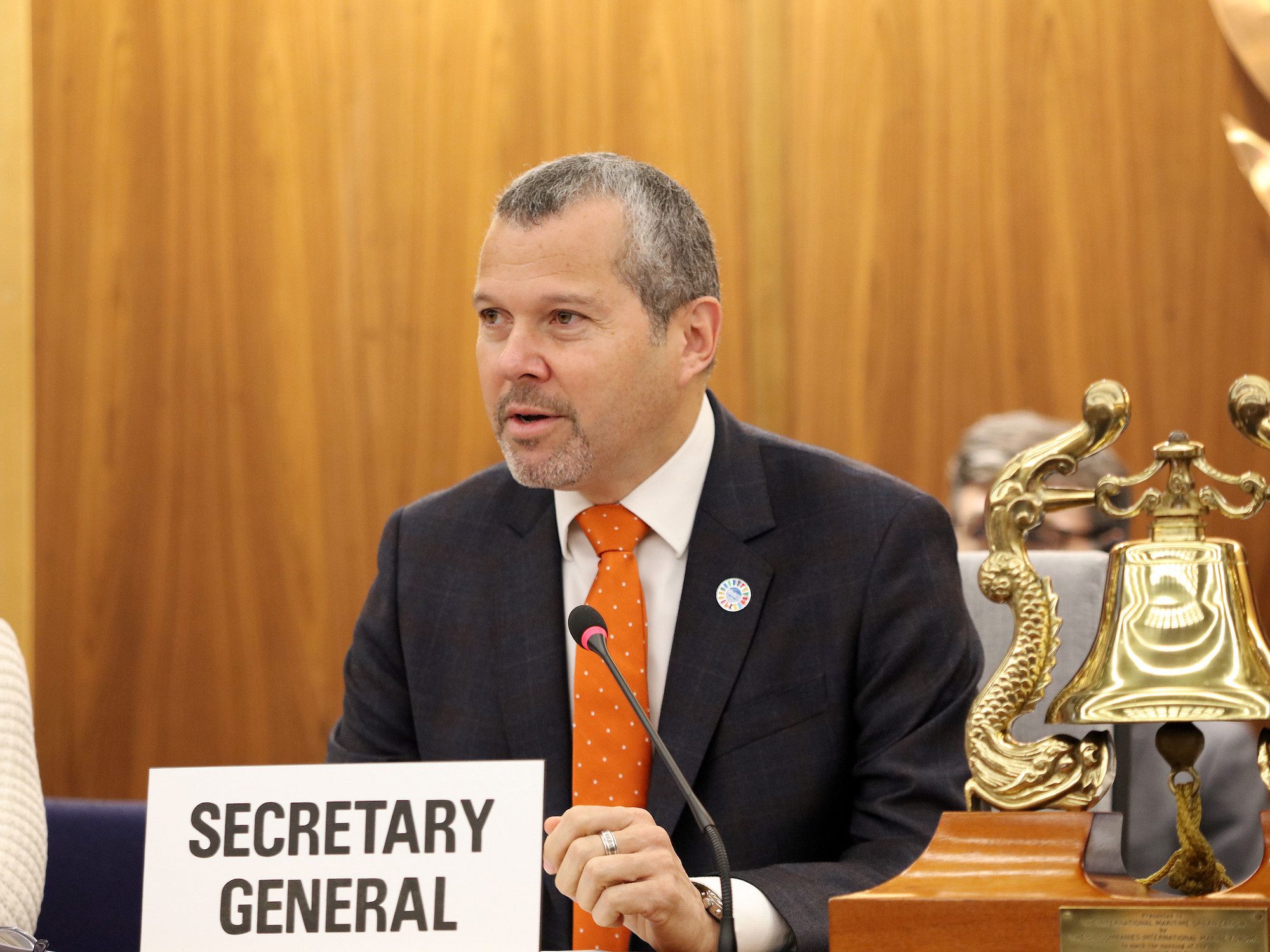
The International Maritime Organization (IMO) Council has backed Secretary-General Arsenio Dominguez for a second four-year term, extending its support for his leadership despite the organization’s failure to adopt its landmark Net-Zero Framework and an escalating security crisis threatening commercial shipping.
The decision, announced Wednesday during the Council’s 138th session in London, would extend Dominguez’s mandate from January 1, 2028, through December 31, 2031, subject to formal approval by the IMO Assembly in late 2027.
“I am deeply grateful to the Members of the Council and all Members of the Organization for their continued trust and support,” Dominguez said in an IMO statement.
The endorsement comes at a particularly challenging time for the UN maritime agency, which has struggled to build consensus on climate regulations while confronting mounting threats to freedom of navigation and the safety of seafarers.
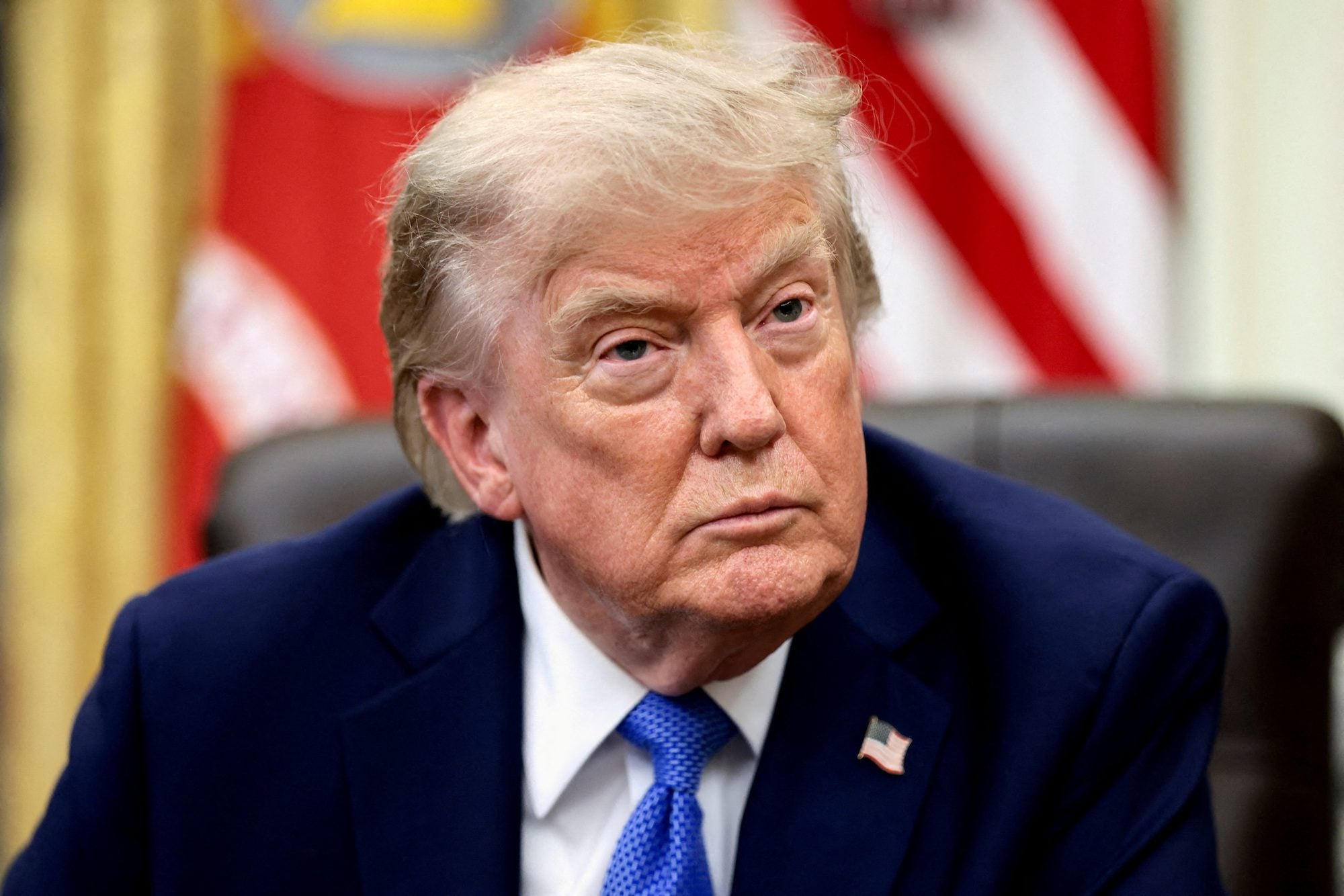
Dominguez presided over a major setback in October 2025, when IMO member states failed to formally adopt the organization’s proposed Net-Zero Framework, a landmark package of global fuel standards and greenhouse gas emissions pricing measures for international shipping, amid pressure from the United States and other oil-producing countries.
Although the framework had secured initial approval in April 2025, divisions among member states ultimately derailed its adoption. Delegates voted to adjourn the extraordinary Marine Environment Protection Committee session for one year, leaving the proposed regulations in limbo.
The outcome represented a significant blow to years of international negotiations aimed at establishing a global regulatory framework for shipping’s transition away from fossil fuels.
The United States and several oil-producing countries strongly opposed the proposal, particularly its emissions-pricing mechanism, while supporters argued that globally coordinated regulations were essential to reducing shipping emissions and avoiding a patchwork of competing regional requirements.
Dominguez defended the process following the setback, maintaining that the framework remained alive despite the failure to secure its adoption.
A year later, the divisions remain unresolved. Negotiators are scheduled to reconvene later this month ahead of the Marine Environment Protection Committee’s 85th session, November 30 to December 3. A special session to consider adoption of the framework is provisionally scheduled for December 4.
The latest round of negotiations will be another major test of the IMO’s ability to reconcile competing national interests.
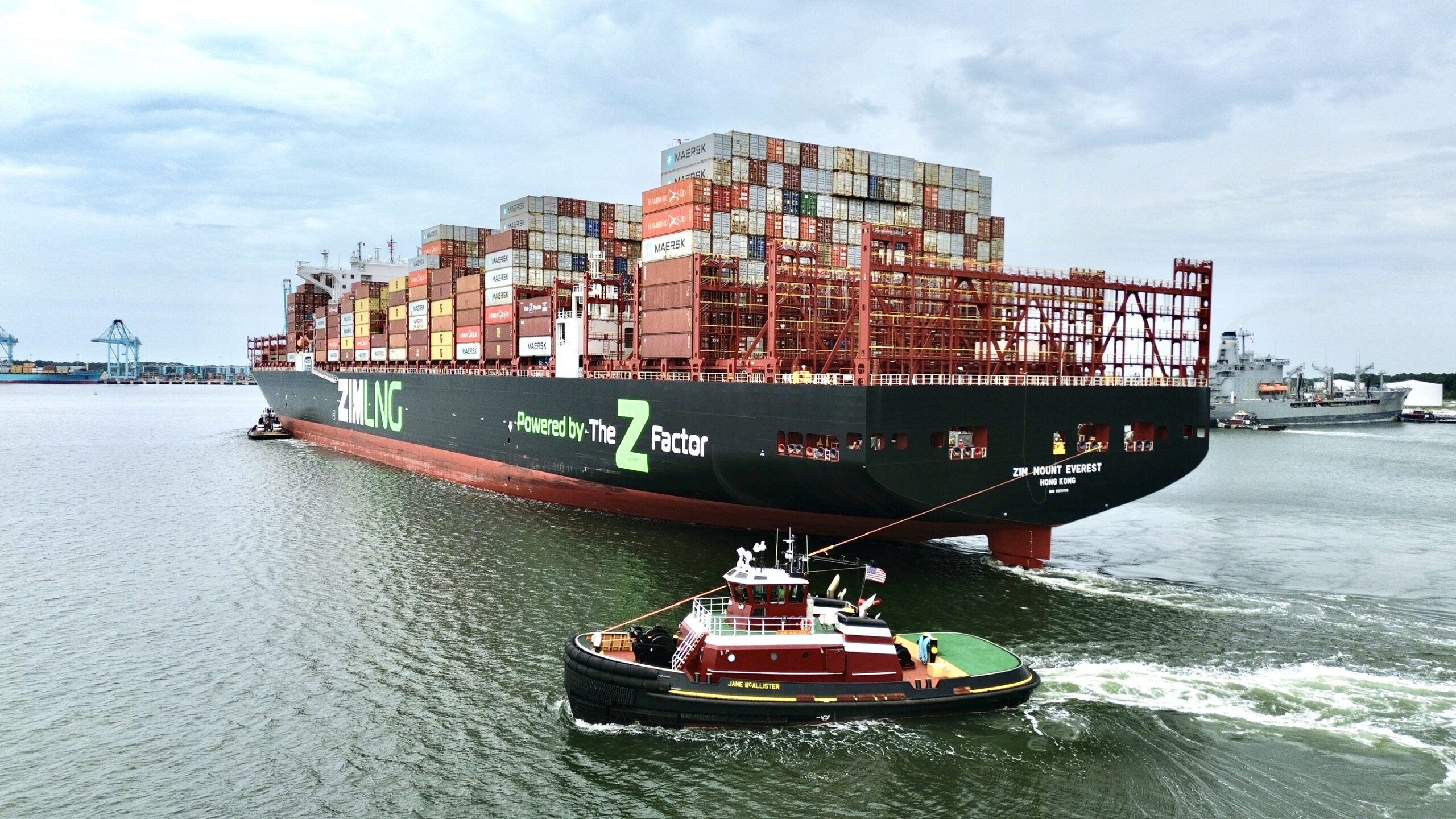
Meanwhile, the organization faces an increasingly dangerous security environment for commercial shipping.
According to the IMO’s latest figures, 129 maritime incidents have been confirmed in the Strait of Hormuz and wider Middle East since the Iran war began in February, with 24 seafarers killed as of November 5.
The tally includes vessels damaged, sunk or detained, underscoring the continued dangers facing civilian shipping in one of the world’s most strategically important maritime regions.
The escalating crisis has raised fundamental questions about freedom of navigation and the international community’s ability to protect merchant ships and innocent seafarers caught in armed conflicts.
Opening this week’s Council meeting, Dominguez again condemned the threats facing commercial shipping in the Middle East and other conflict zones, including the Red Sea and Black Sea.
But while the IMO has repeatedly called for the protection of seafarers and the restoration of safe navigation, its ability to influence the underlying military and geopolitical conflicts remains limited.
The simultaneous challenges have placed the organization in an increasingly difficult position, with geopolitical divisions complicating both its environmental agenda and its longstanding mandate to promote safe and secure international shipping.
A Panamanian naval architect and longtime maritime diplomat, Dominguez became the IMO’s tenth Secretary-General on January 1, 2024, succeeding Kitack Lim. He previously served as director of the organization’s Marine Environment Division and held several senior diplomatic and administrative positions.
The Council’s endorsement signals continued confidence in Dominguez despite the setbacks, leaving him positioned to lead the IMO through a period of mounting pressure on the international regulatory system governing commercial shipping.

 Join The Club