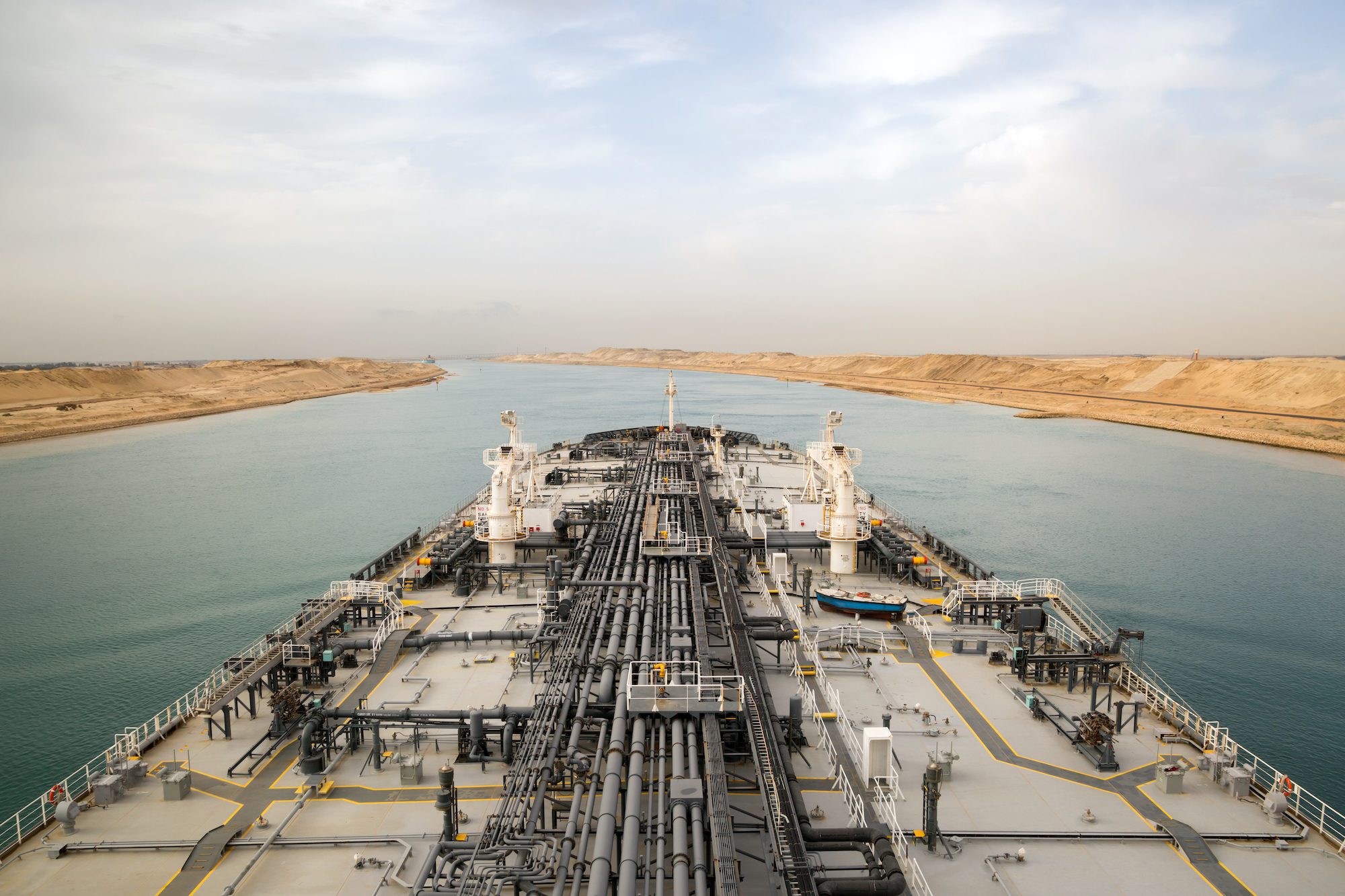
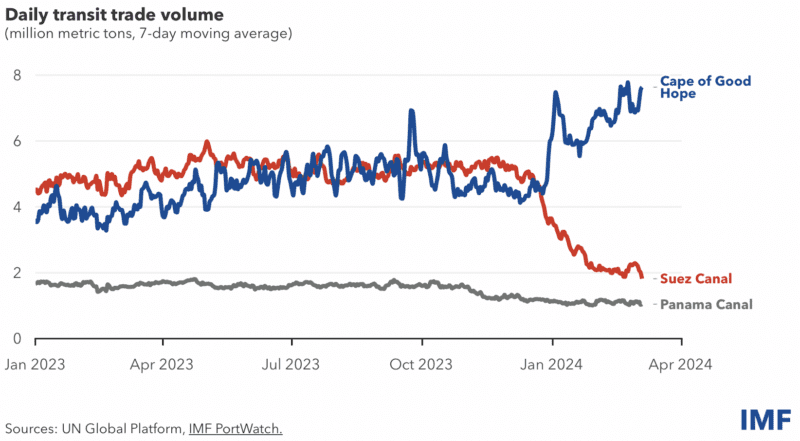
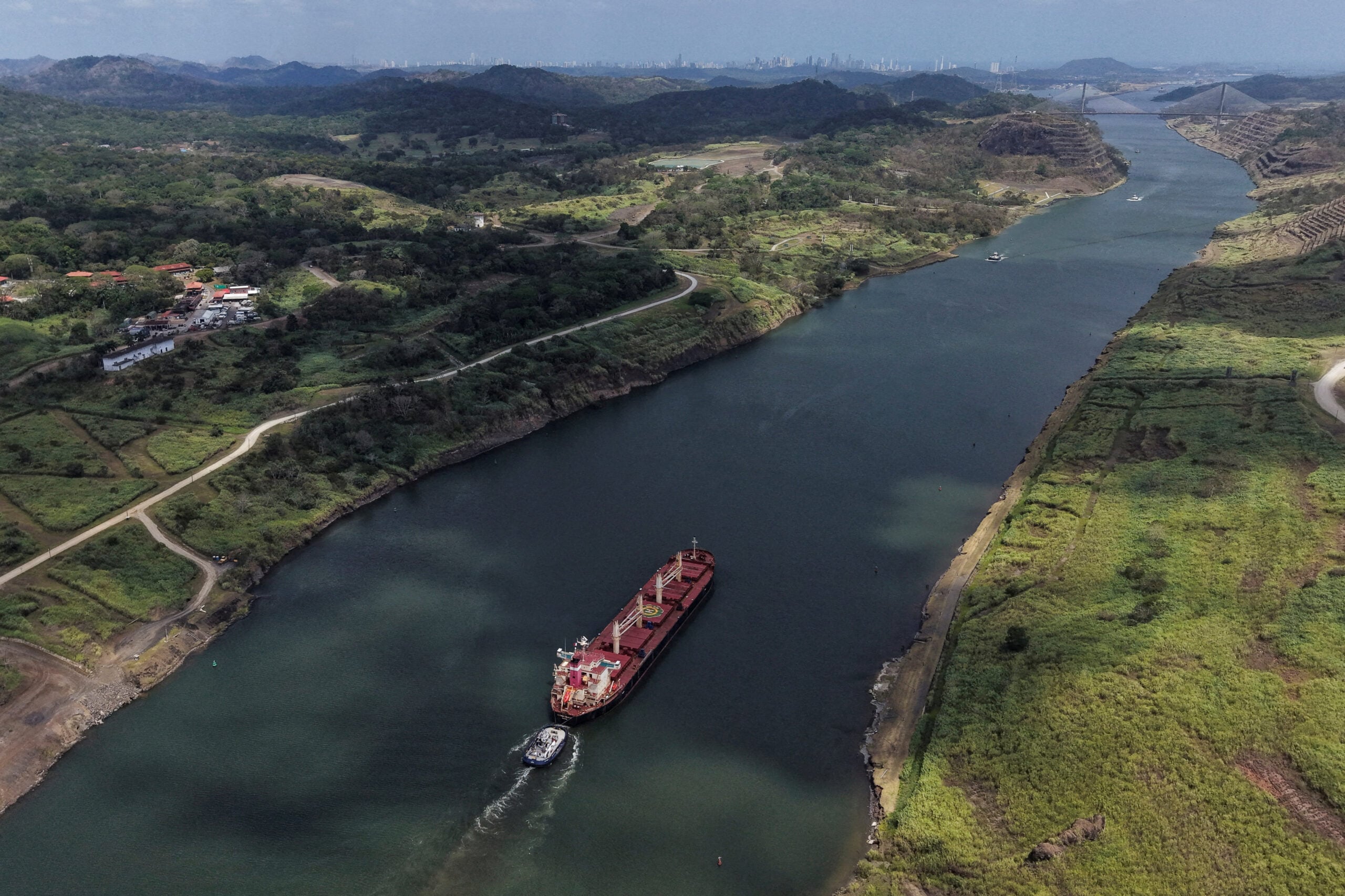
Supply chains worldwide have been disrupted as trade through the Suez and Panama Canals, two critical shipping routes, has seen substantial declines in recent months. The Suez Canal, the primary maritime route between Asia and Europe, experienced a 50 percent year-over-year decrease in trade volume in the first two months of 2024 due to Houthi attacks in the Red Sea area, according to the International Monetary Fund (IMF).
This has led to shipping companies rerouting their vessels around the Cape of Good Hope, resulting in delivery delays of over 10 days.
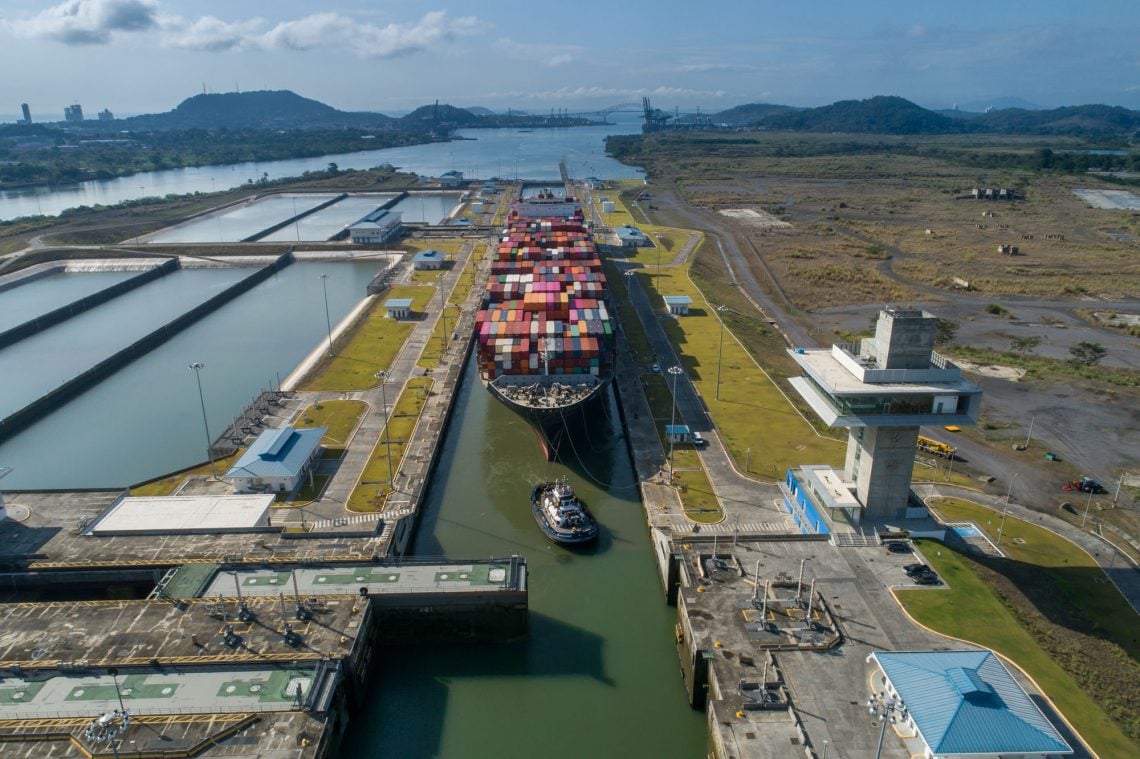
Meanwhile, the Panama Canal, which usually handles about 5 percent of global maritime trade, has also been negatively impacted. Due to a severe drought, authorities have had to impose restrictions that have significantly cut daily ship crossings since last October, leading to a 32 percent drop in trade volume compared to the prior year.
The data, compiled from the IMF PortWatch platform, also indicates a 74 percent surge in trade volume around the Cape of Good Hope compared to last year’s levels. In contrast, the number of port calls to the 70 ports tracked in sub-Saharan Africa fell by 6.7 percent year-over-year in January and February 2024. The European Union and the Middle East and Central Asia saw a 5.3 percent decline.
The IMF warns the disruptions could potentially affect inflation rates due to increased shipping costs and create complications for global trade and economic activity statistics. Merchandise trade reports for January in Africa, the Middle East, and Europe may show slowing import growth due to these disruptions. Additionally, low-income countries that rely heavily on import duties and export taxes for fiscal revenues may report lower than expected revenue for January.
The Panama Canal reported growth in vessel traffic, tonnage and revenue in fiscal year 2026, as stronger demand from energy carriers and containerships helped lift volumes despite ongoing concerns over...
Yemen's Iran-allied Houthis said Saudi Arabia was attacking the Yemeni capital Sanaa on Tuesday after a Saudi-led coalition warned civilians to stay away from an oil depot on the city's outskirts, part of a rapidly escalating war between the sides.
Maritime traffic through the Strait of Magellan jumped more than 70% both in August and September from year-ago levels as ships diverted from the drought-stricken Panama Canal, Chilean Navy data requested by Bloomberg show.
October 7, 2026
Total Views: 2271
Get The Industry’s Go-To News
Subscribe to gCaptain Daily and stay informed with the latest global maritime and offshore news
— just like 106,406 professionals
Secure Your Spot
on the gCaptain Crew
Stay informed with the latest maritime and offshore news, delivered daily straight to your inbox
— trusted by our 106,406 members
Your Gateway to the Maritime World!
Essential news coupled with the finest maritime content sourced from across the globe.

 Join The Club