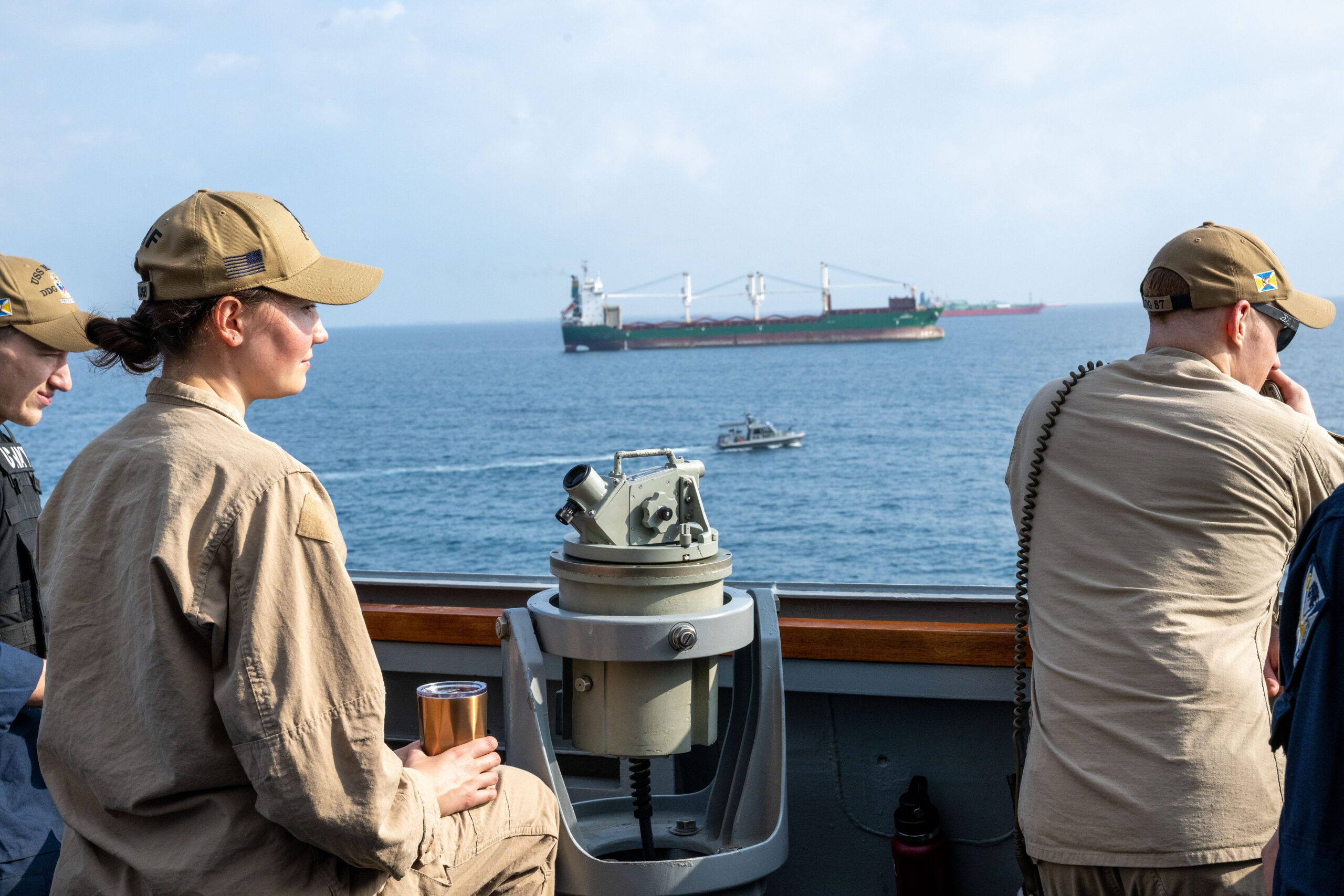
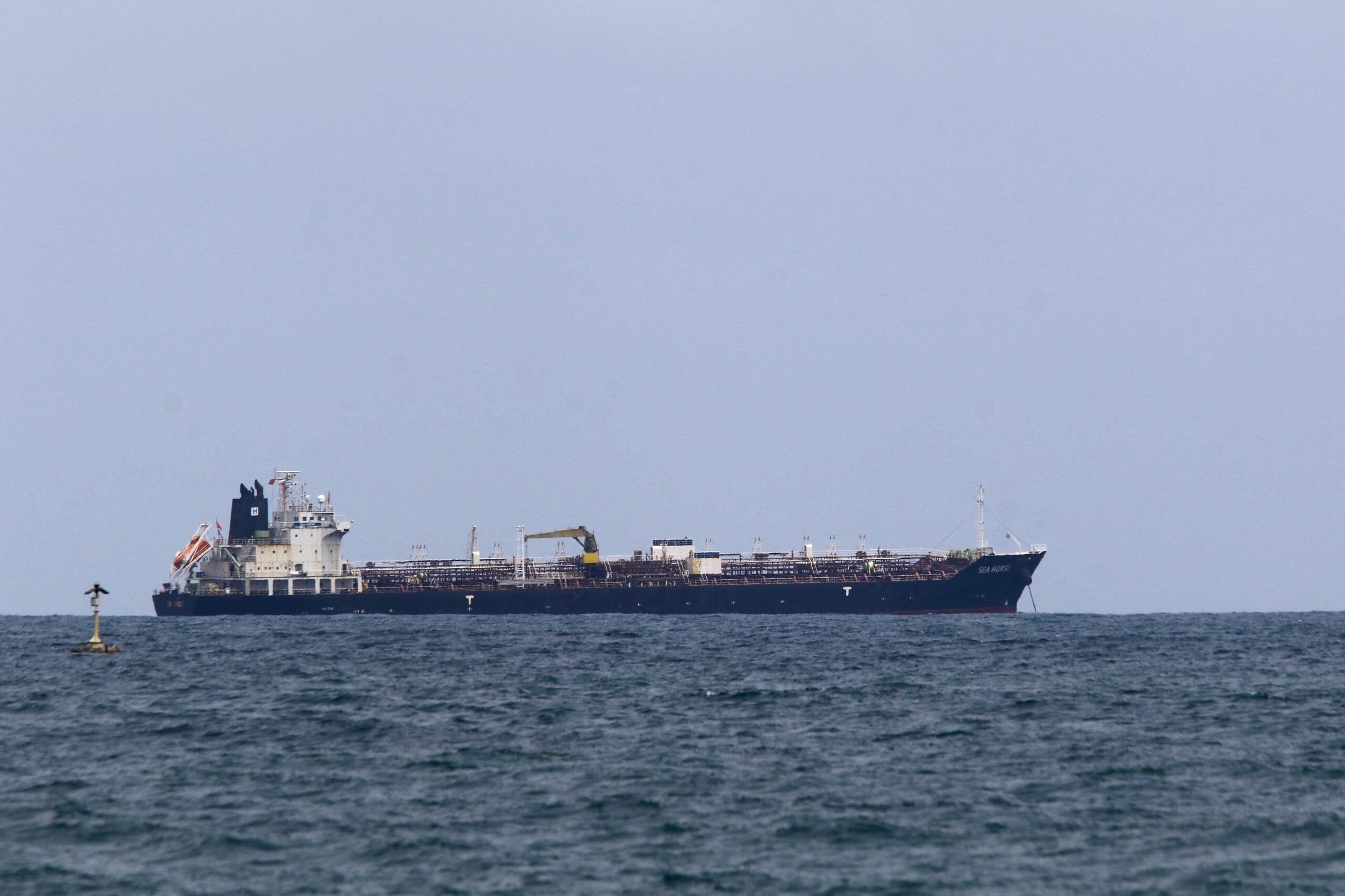
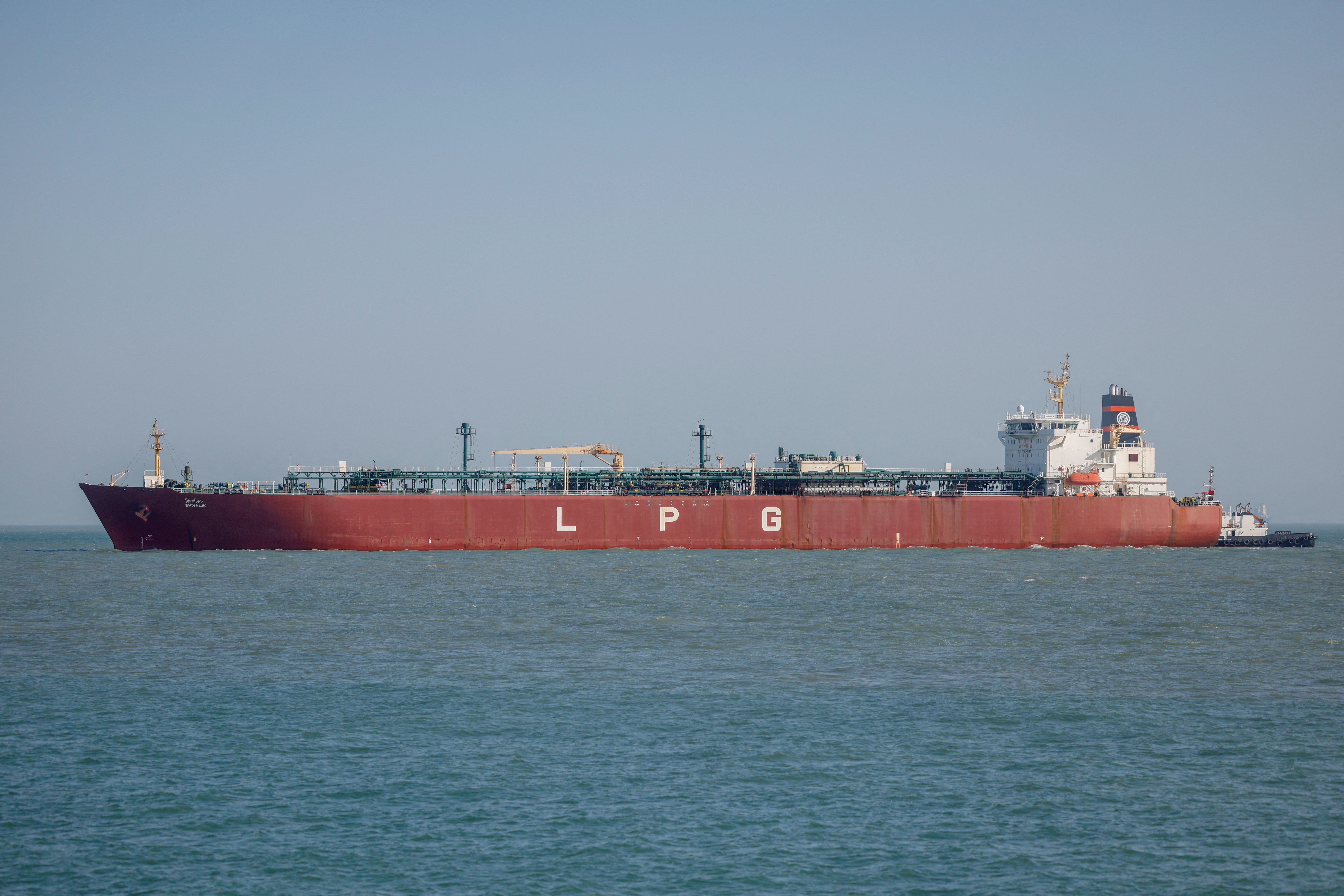
By Julian Lee, Alex Longley, Weilun Soon and Stephen Stapczynski (Bloomberg) — A number of oil tankers are avoiding sailing through Hormuz shipping strait that links the oil-rich Persian Gulf to the open seas, with some shipowners taking a caution-first approach to the narrow waterway after the US and Israel bombed Iran.
While the stretch of water remains open, and some vessels continue to go through, tankers are piling up both inside and outside the entrance, tracking data compiled by Bloomberg show.
Japanese giant Nippon Yusen KK told its fleet not to navigate Hormuz, while Greece told its vast merchant fleet to reassess passage, according to a circular seen by Bloomberg. Speaking privately, three other owners said they were reviewing their policy on transits, while another said they interpreted a US advisory as effectively closing the waterway. A fifth had simply told its ships to proceed with caution.
The Strait of Hormuz is one of the most important focal points at times of tension with Iran, because a fifth of the world’s seaborne oil and liquefied natural gas goes through it each day. Two naval observers said that maritime flows were not halted halted altogether. Traders are also watching for wider disruptions, including the impact of Iranian retaliatory strikes and whether any ports are being disrupted.
Mainstream oil futures are closed on Saturday and Sunday, giving reduced insight into how traders are really pricing risk in the wake of the attacks. However, a retail trading product, run by IG Group Ltd., was pricing West Texas Intermediate as high as $75.33, a gain of as much as 12% from Friday’s close.
At least three gas tankers going to or from Qatar have paused voyages to avoid the waterway, according to ship-tracking data. Qatar is the world’s second-largest LNG exporter, making up 20% of supply last year, and the country’s shipments must pass through the Strait to reach buyers in Asia and Europe.
The oil tanker Eagle Veracruz, heading for China with 2 million barrels of Iraqi and Emirati crude, has come to a halt at the western approach to the Strait of Hormuz, where it has been joined by the Front Beauly which is carrying a similar amount of Saudi crude.
A build-up in vessels halting voyages toward Hormuz from the east had been going on for most of the week, tanker tracking data compiled by Bloomberg show.
The supertanker Mitake, heading for Ras Tanura in Saudi Arabia, came to a virtual halt east of Oman shortly after news of the US attack broke earlier this morning. It joined a growing flotilla of idling tankers in the waters outside the Gulf Oman, which leads to the Strait of Hormuz and the Persian Gulf.
Not all tankers have come to a halt, though. Several continue to transit the strait in both directions. At least 17 oil tankers were passing through the waterway according to automated signals received from the ships at 10:30 GMT.
© 2026 Bloomberg L.P.
Updated: March 30, 2026 (Originally published February 28, 2026)
Editorial Standards · Corrections · About gCaptain
This article contains reporting from Bloomberg, published under license.

 Join The Club