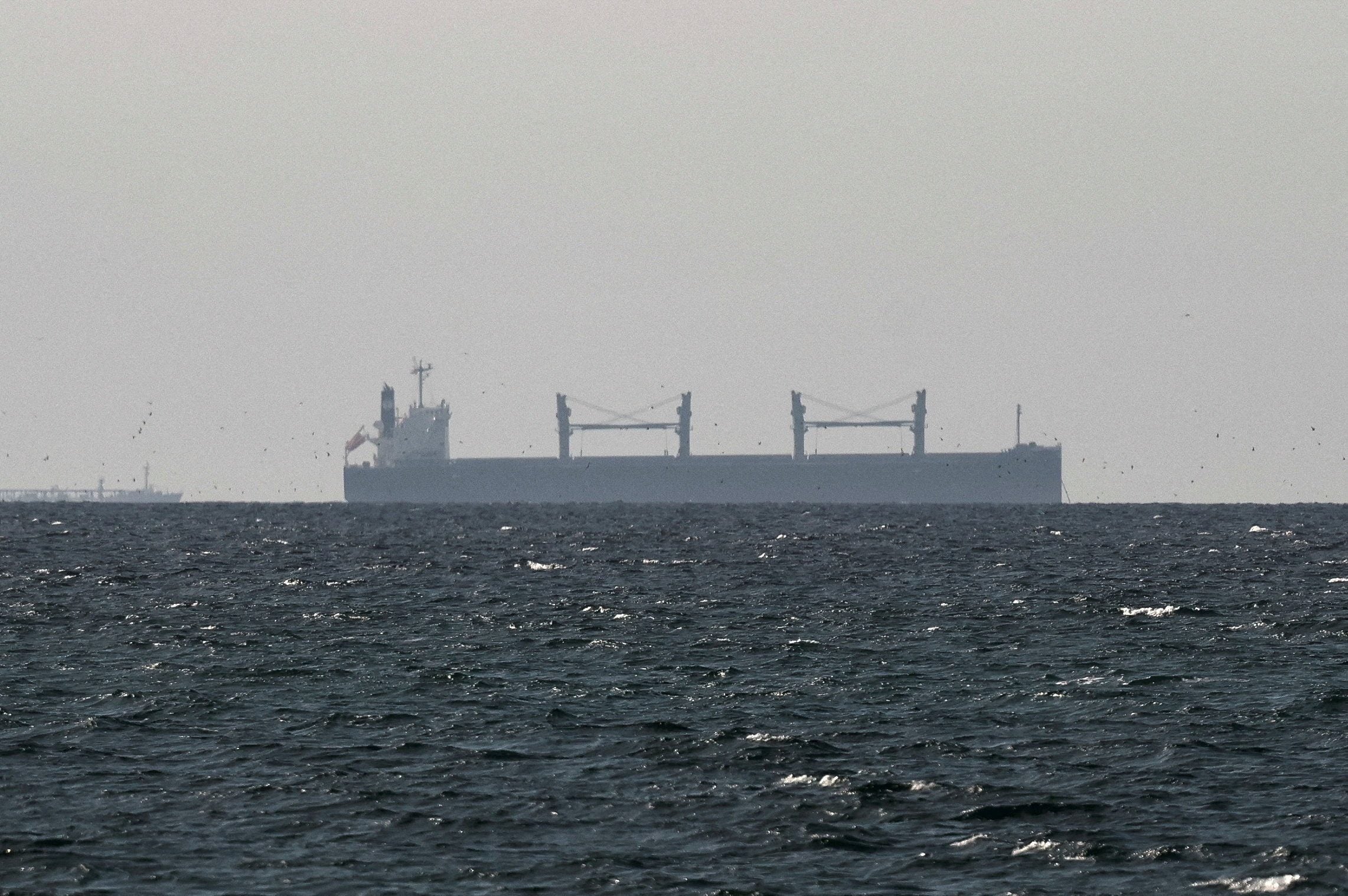
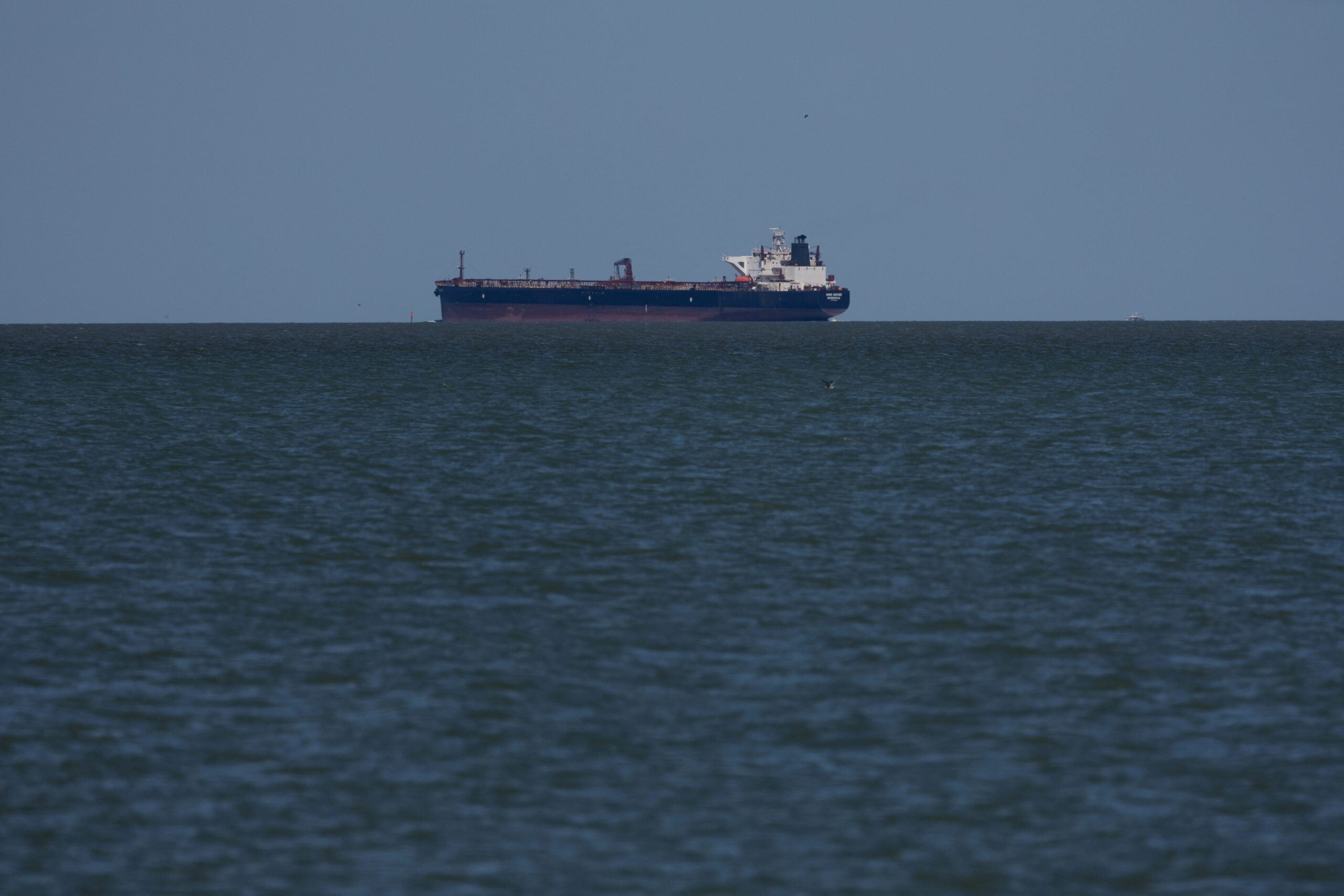
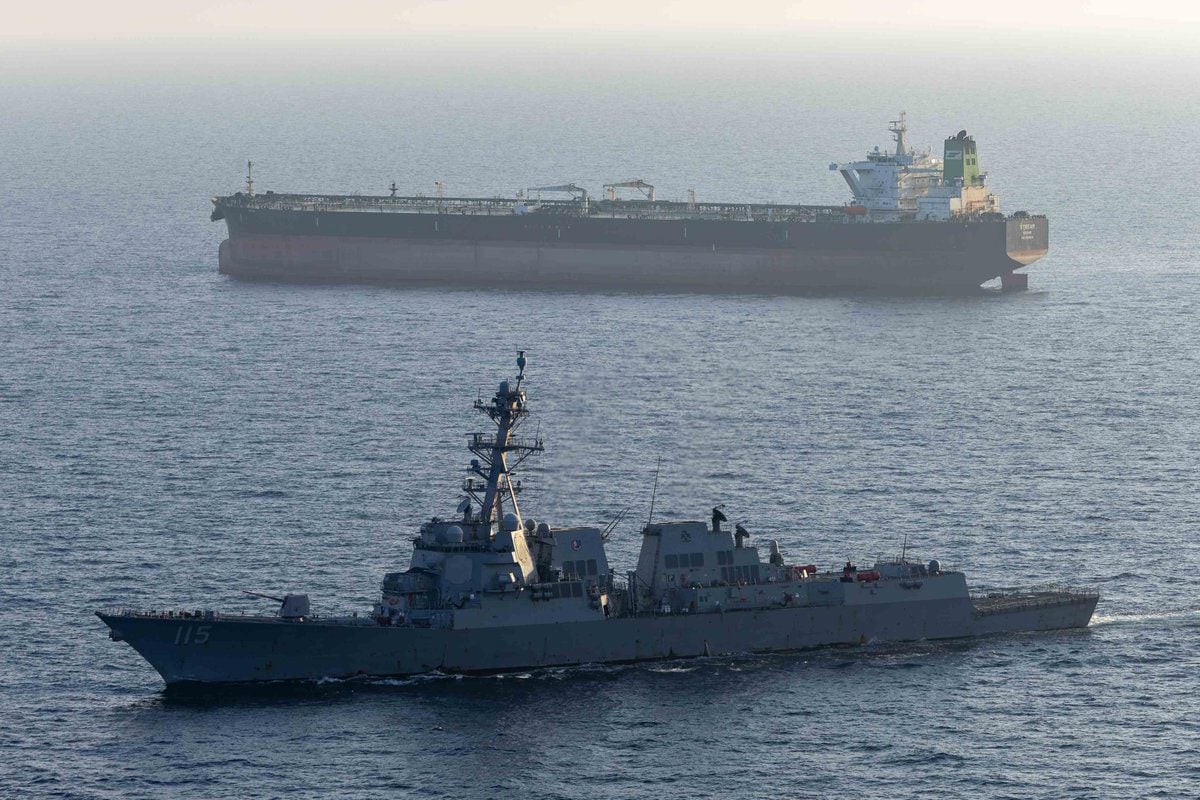
The Strait of Hormuz—one of the world’s most critical energy chokepoints—remains effectively closed, sending shockwaves through global trade, energy markets, and financial systems, according to a new report from the United Nations Conference on Trade and Development.
Under normal conditions, the narrow waterway carries a significant share of global oil and gas supplies, forming the backbone of the global economy. But with transits collapsing by roughly 95%—from an average of 129 vessels per day in February to just six in March—the disruption is already rippling far beyond the Gulf.
The immediate impact is being felt in energy markets. Oil prices have surged sharply since the start of military escalation on February 28, while tanker freight rates have spiked, with benchmark indices for both dirty and clean tankers climbing well above pre-conflict levels.
UNCTAD warns the consequences are now feeding directly into the global economy.
“Soaring oil and gas prices may inflate the cost of living, squeezing the livelihoods of the most vulnerable,” the report states, adding that trade and economic growth are expected to slow in 2026.
The financial fallout is already visible. Global stock markets have declined since the escalation began, while currencies across developing regions have weakened against the U.S. dollar. At the same time, borrowing costs are rising, with sovereign bond yields climbing across Africa, Latin America, and Asia—tightening financial conditions for economies already under strain.
The report highlights a deeper structural risk: a synchronized shock across energy, trade, and finance. Rising oil prices are driving inflation higher worldwide, reversing recent progress and increasing pressure on central banks. Historically, such energy shocks have translated quickly into higher consumer prices, particularly in developing economies.
That pressure is landing hardest where resilience is lowest. UNCTAD estimates that 3.4 billion people live in 46 developing countries that already spend more on debt servicing than on health or education, leaving little room to absorb further economic shocks.
If disruptions persist, the consequences could extend well beyond markets.
“The global economic impact is increasingly devastating,” UN Secretary-General António Guterres warned, calling for an immediate end to the conflict.
UNCTAD is urging governments to act quickly to contain the fallout, recommending coordinated policies to stabilize prices, prevent systemic financial contagion, and expand access to emergency financing for vulnerable economies. Measures could include debt relief, central bank swap lines, and increased lending from development banks.
For the shipping industry, the message is clear: this is no longer just a regional disruption. With the Strait of Hormuz effectively shut and energy flows constrained, the crisis is now reshaping global trade, freight markets, and economic stability in real time.

 Join The Club