(Bloomberg) —
The oil-shuttling service that has been crucial to getting cargoes out of the Strait of Hormuz has picked up again after a recent lull, helping millions of barrels escape as Middle East hostilities escalate.
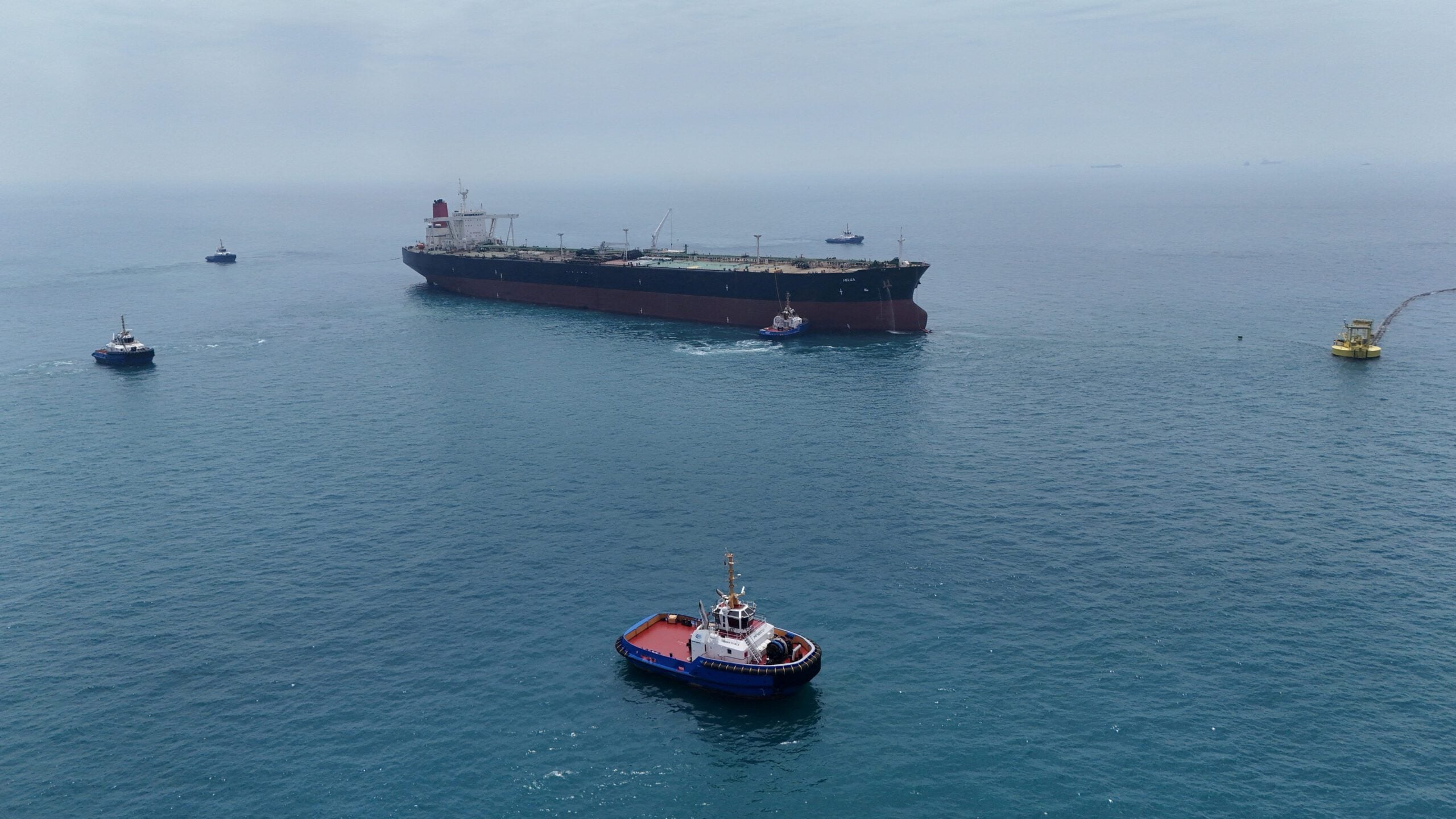
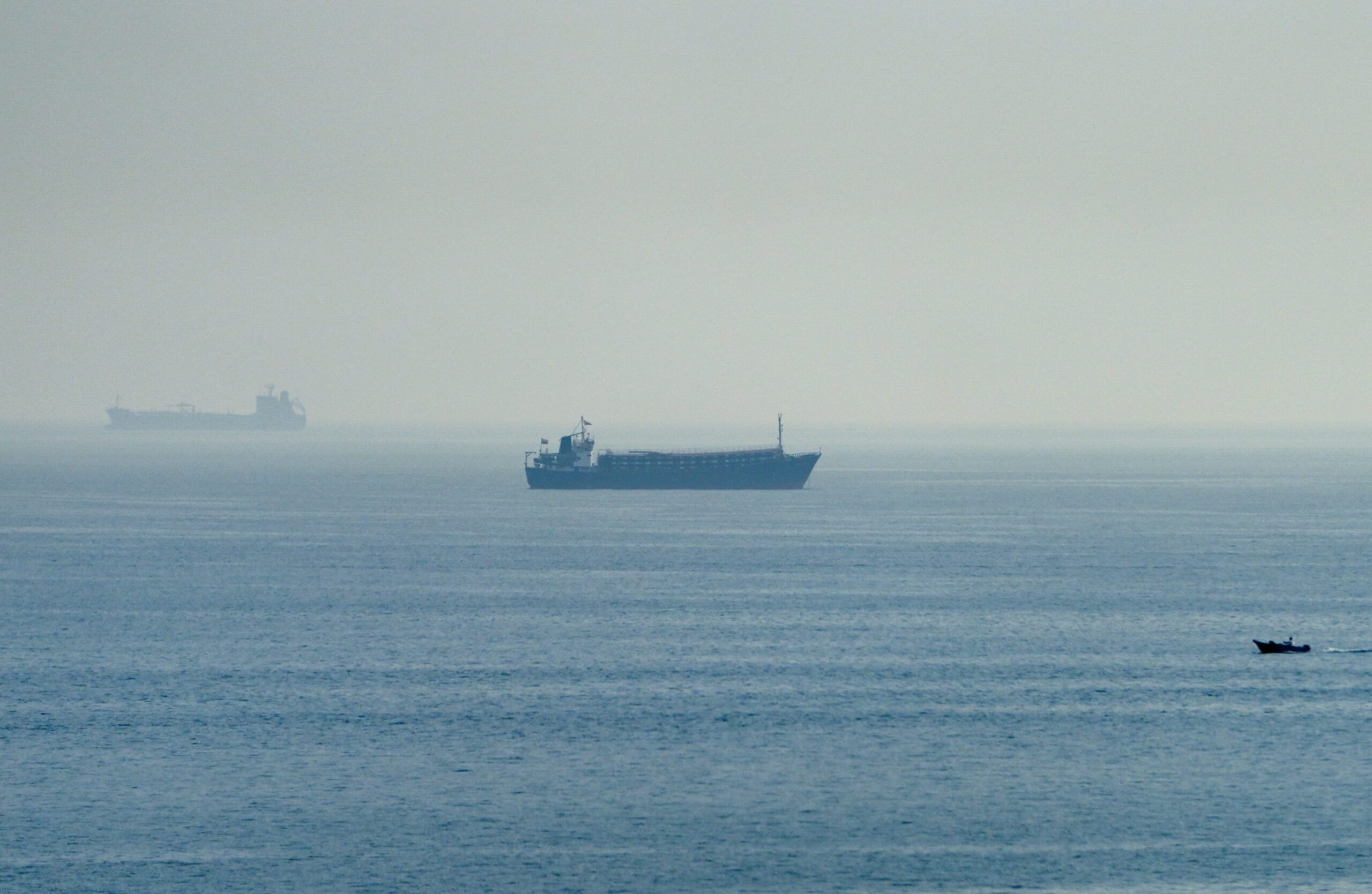
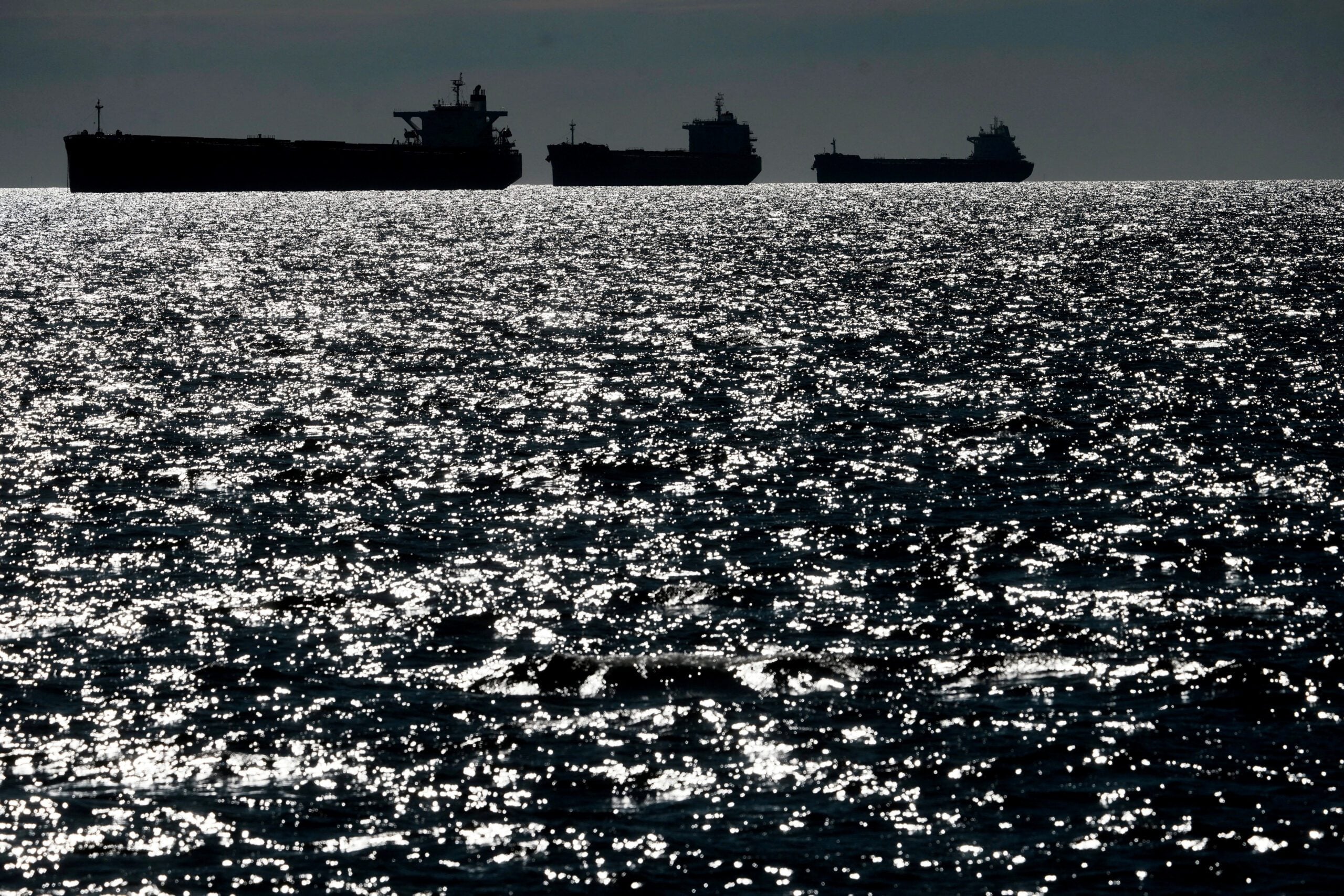
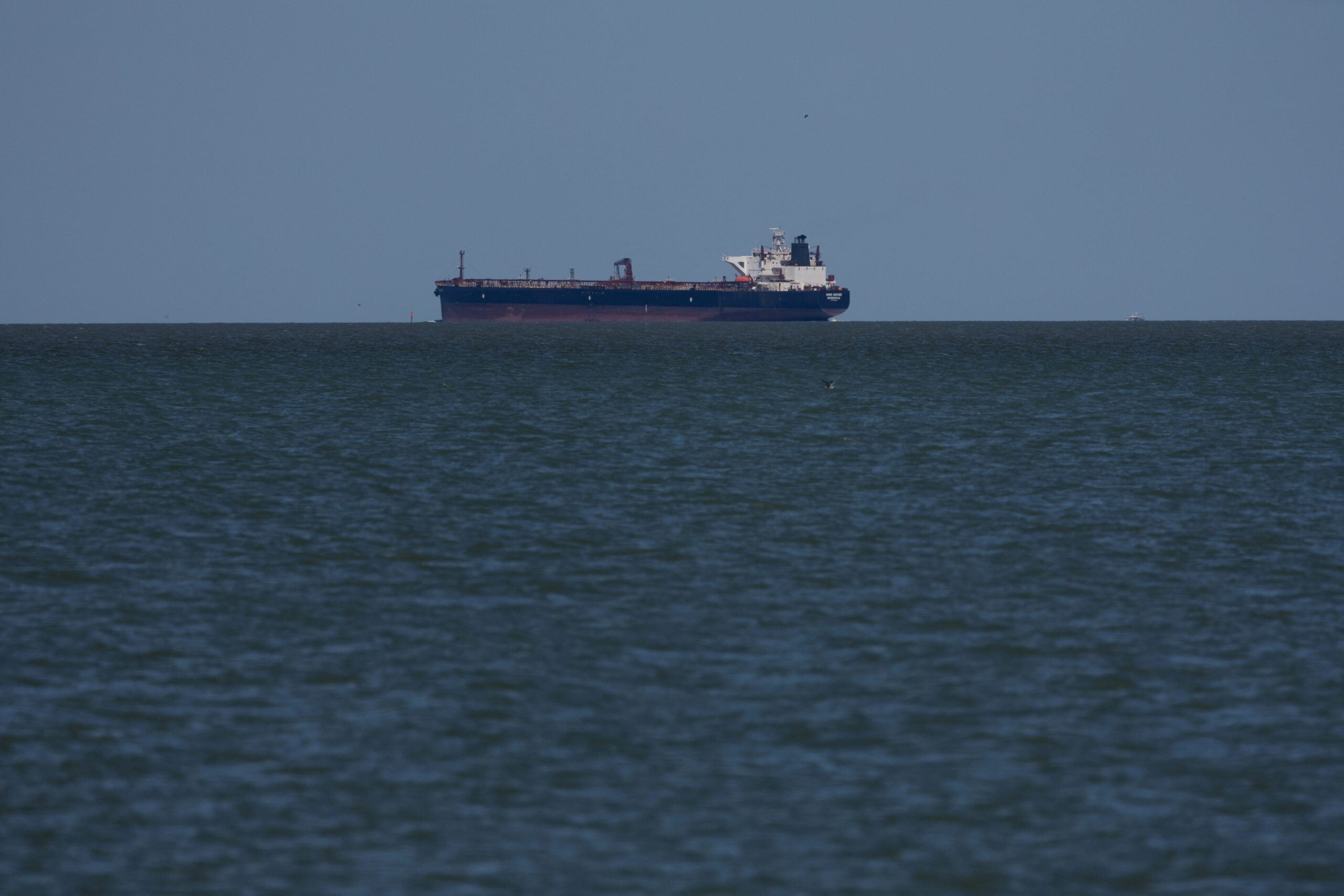
The shuttling emerged at the height of the war and has been a lifeline for some producers. They use vessels to ferry supplies — often with transponders off to avoid detection — out of the Persian Gulf onto other ships outside the waterway, which then travel on to buyers around the world. While flows through Hormuz remain below pre-war levels, the barrels that have left have been key to alleviating some of the worst fears of an oil-price spike.
After a pullback in shuttling earlier this month as the ceasefire unraveled and vessels were attacked, the trade has rebounded in recent days.
At least two shippers involved in moving barrels through the strait are now ferrying volumes close to levels seen prior to the escalation in hostilities, which pushed oil back to $100 a barrel last week, two people with direct knowledge of the matter said, asking not to be identified due to the sensitivity of the matter. At times, prior to June’s interim peace deal, anywhere between 4 million and 7 million barrels a day crossed Hormuz, based on estimates from banks and Washington.
While the exact amount crossing Hormuz isn’t clear, there’s anecdotal evidence of a pickup in flows. Buyers of oil that originates within the Gulf have begun to receive deliveries that had been delayed, according to other people familiar with the matter, who also asked not to be identified.
Satellite data also suggest more ships are leaving. At least seven pairs of ships, four of which are the same length as supertankers that can collectively haul 8 million barrels, were seen conducting ship-to-ship transfers near the Omani port of Sohar on Thursday, according to images from the European Union’s Sentinel-1 satellite. Images from that satellite don’t clearly show vessel types, and ships other than tankers can conduct cargo transfers.
That compares with only two pairs on July 21. At that time, shuttle flows had slowed as a result of intensifying fighting between the US and Iran. Multiple transfers also took place further north in the Gulf of Oman at Fujairah earlier this week, Sentinel data show. At least two supertankers appeared outside of Hormuz after switching off their satellite signals inside the Persian Gulf earlier in the month, vessel-tracking data showed on Friday.
Producers have made use of shuttle runs to get their barrels through Hormuz as many shipowners remain reluctant to transit the waterway. Instead, regional suppliers are either using their own vessels, or agreeing fixed-length contracts to carry barrels, guaranteeing they can get oil to the market.
It’s unclear how fresh fighting across the region this week will impact shipments. Brent crude futures slipped toward $80 on Tuesday amid signs of deescalation, only to rebound after an Iranian attack on a military base in Jordan prompted the US to retaliate.
The transits are vital for the global market, as before the war Hormuz carried about a fifth of global oil volumes, or about 20 million barrels a day. Still, satellite data show that oil loadings are subdued in some countries compared with pre-war levels.
US Energy Secretary Chris Wright said Wednesday that the American military continues to escort barrels through Hormuz, and that about 13 million barrels a day are leaving the Gulf — half through the strait and half via bypass pipelines. US Central Command said on Wednesday that since early May, it has helped about 500 million barrels of oil leave Hormuz, suggesting roughly 5.6 million barrels a day over the period.
In another sign that sizable flows have resumed, people familiar with the matter said that at least two oil companies have collected shipments outside Hormuz that crossed the waterway in recent days, and which were meant to have been picked up weeks ago.
Those barrels are mainly supplies from the United Arab Emirates, bought in earlier tenders issued by Abu Dhabi National Oil Co. for its offshore varieties of crude. The delays led to some buyers incurring fees for ships they hired to pick up cargoes that took longer than expected to arrive, the people said.
Adnoc’s shipping arm booked a fuel tanker to pick up a cargo from a ship-to-ship transfer near Sohar in the coming days and take it to Asia, fixture data show, another indication of shuttle flows being underway.
“We do not comment on the position, movements, or routing of our vessels as a matter of policy,” a spokesperson for Adnoc said.
Other countries in the region have also engaged in shuttling barrels out of the Persian Gulf since the war began. Some of the shipments leaving the waterway sail direct to buyers after crossing Hormuz, rather than engaging in the shuttle service.
Tracking exact flows is complicated, especially as vessels often sail dark with transponders off. But at one point after the US-Iran ceasefire in June, 18 million barrels crossed in a single day, as massive volumes that had been trapped in the Gulf when the war broke out flowed out of the waterway.
© 2026 Bloomberg L.P.Share

 Join The Club