Disruptions to shipping in the Strait of Hormuz are raising alarm across global energy, shipping, and agricultural markets, with the potential to hit developing economies particularly hard, according to a new rapid analysis released by the United Nations Conference on Trade and Development (UNCTAD).
The report, titled Strait of Hormuz Disruptions – Implications for Global Trade and Development, examines the economic ripple effects of escalating tensions in the region and the resulting disruption to maritime traffic through one of the world’s most critical trade corridors.
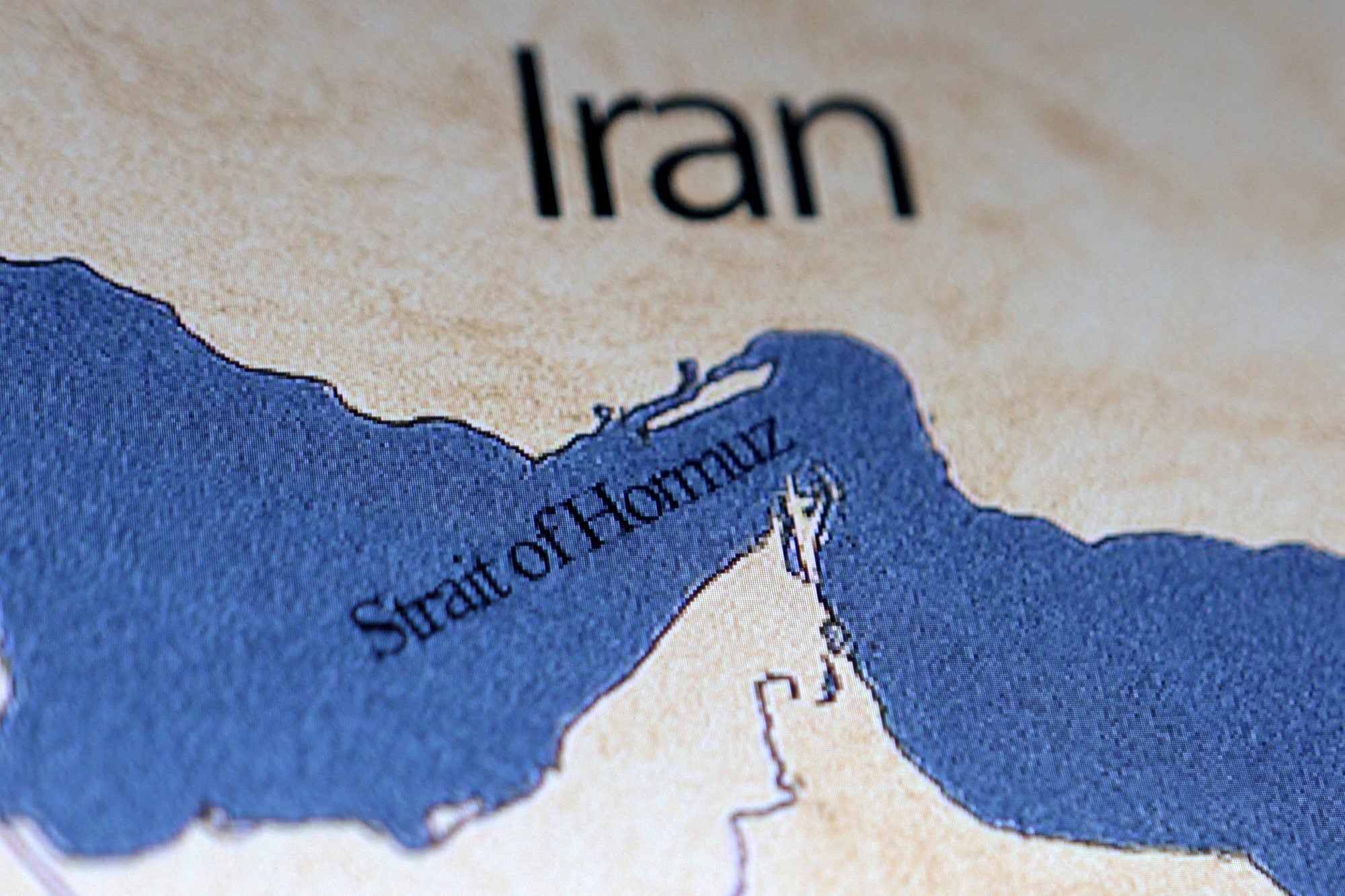
The Strait of Hormuz carries roughly one-quarter of global seaborne oil trade, along with significant volumes of liquefied natural gas and fertilizers. The narrow passage between Iran and Oman connects the Persian Gulf to the Gulf of Oman and the Arabian Sea, making it one of the most strategically important chokepoints in global shipping.
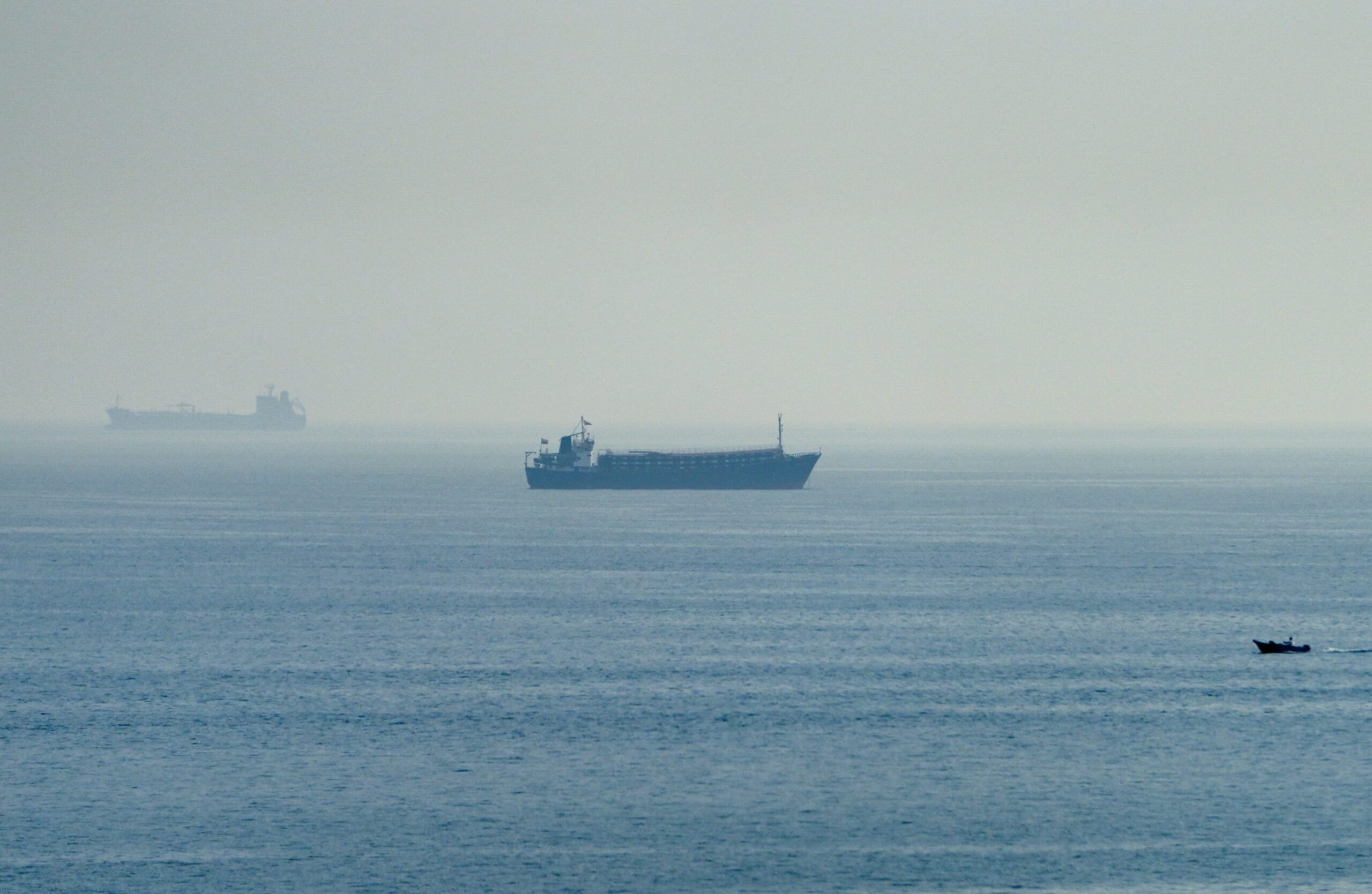
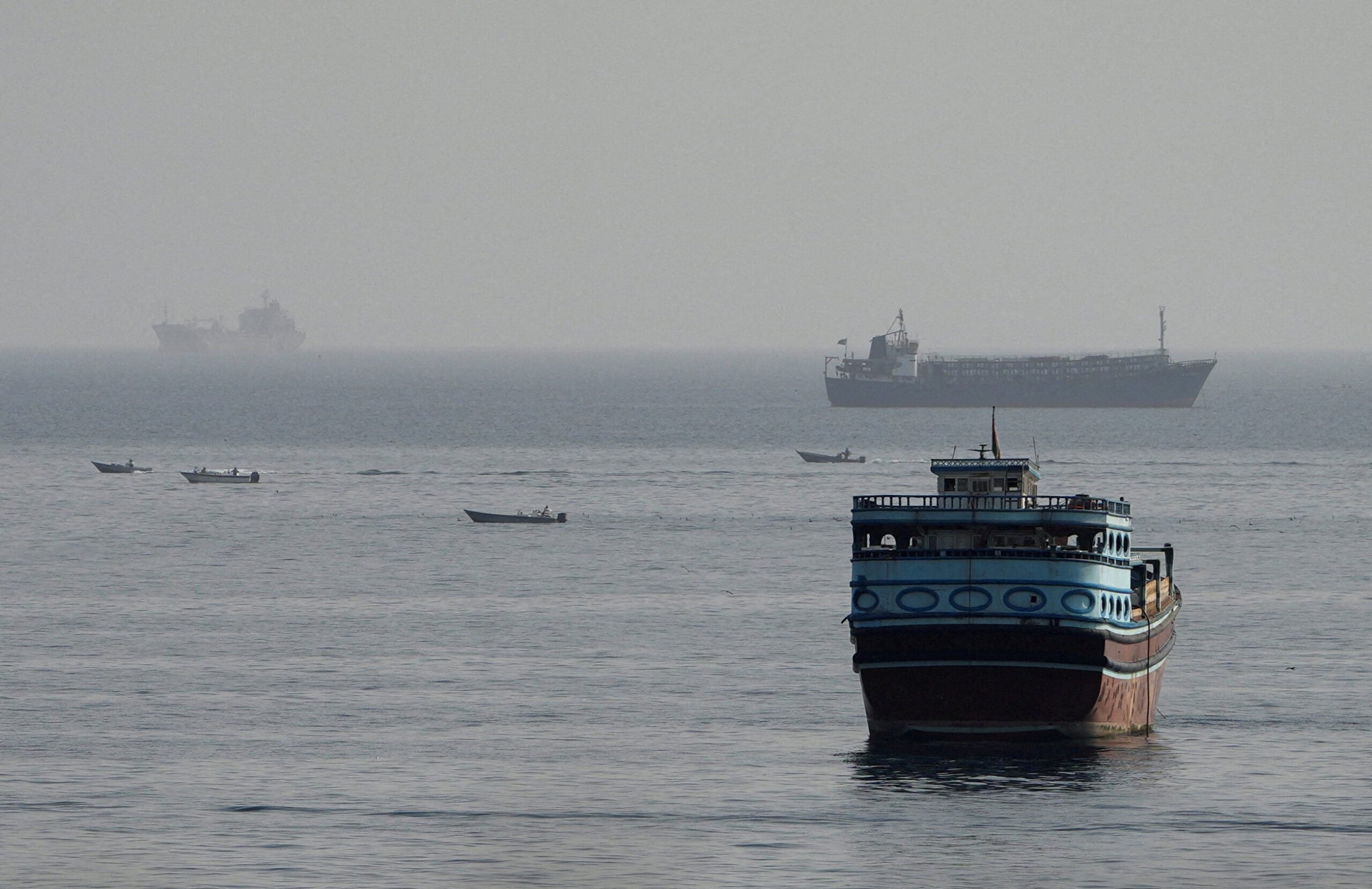
According to the analysis, the impact on markets was immediate. Brent crude prices quickly surged above $90 per barrel, while tanker freight rates and war-risk insurance premiums climbed sharply as shipowners and insurers reassessed the growing security risks. Rising marine fuel costs are also pushing up shipping expenses across global supply chains.
Container Shipping Diversions Surge 360% Amid Hormuz Closure
The disruption is also raising concerns about agricultural inputs, a risk that often receives less attention than energy markets. UNCTAD estimates that around one-third of global seaborne fertilizer trade—about 16 million tonnes annually—passes through the Strait of Hormuz, making the corridor a critical artery for fertilizer supplies bound for emerging and developing economies.
Supply disruptions could therefore ripple far beyond energy markets, potentially affecting food production and food prices in vulnerable regions.
“Disruptions in this corridor could impact energy and agricultural supply chains and drive up costs for shipping and insurance,” the report warns, adding that fertilizer availability could become a major concern for countries already struggling with food insecurity.
UNCTAD cautions that developing economies may face the greatest exposure to the shock. Many already carry high debt burdens and limited fiscal space, reducing their ability to absorb rising import costs for energy and agricultural inputs.
Gulf Oil Giants Deepen Cuts as Hormuz Halt Chokes Exports
The organization notes that recent crises—including the COVID-19 pandemic and the war in Ukraine—demonstrated how quickly disruptions in energy, transport, and agricultural inputs can cascade across global markets.
Those earlier shocks triggered sharp increases in energy prices, fertilizer shortages, and rising food costs that disproportionately affected lower-income countries.
The Hormuz disruption highlights the fragility of global supply chains when critical maritime chokepoints are affected. With such a large share of global energy and fertilizer trade concentrated in a single corridor, even temporary disruptions can reverberate across multiple sectors of the global economy.
UNCTAD says the latest disruption underscores the need for resilience in global trade networks and the importance of safeguarding maritime corridors that underpin the flow of energy, food, and essential commodities.
Founded in 1964, UNCTAD serves as the United Nations’ leading body on trade and development, supporting 195 member states with economic analysis, policy advice, and technical assistance aimed at promoting inclusive and sustainable development.
Read Next: Strait of Hormuz Remains Shut to Almost All Non-Iran-Linked Ships

 Join The Club