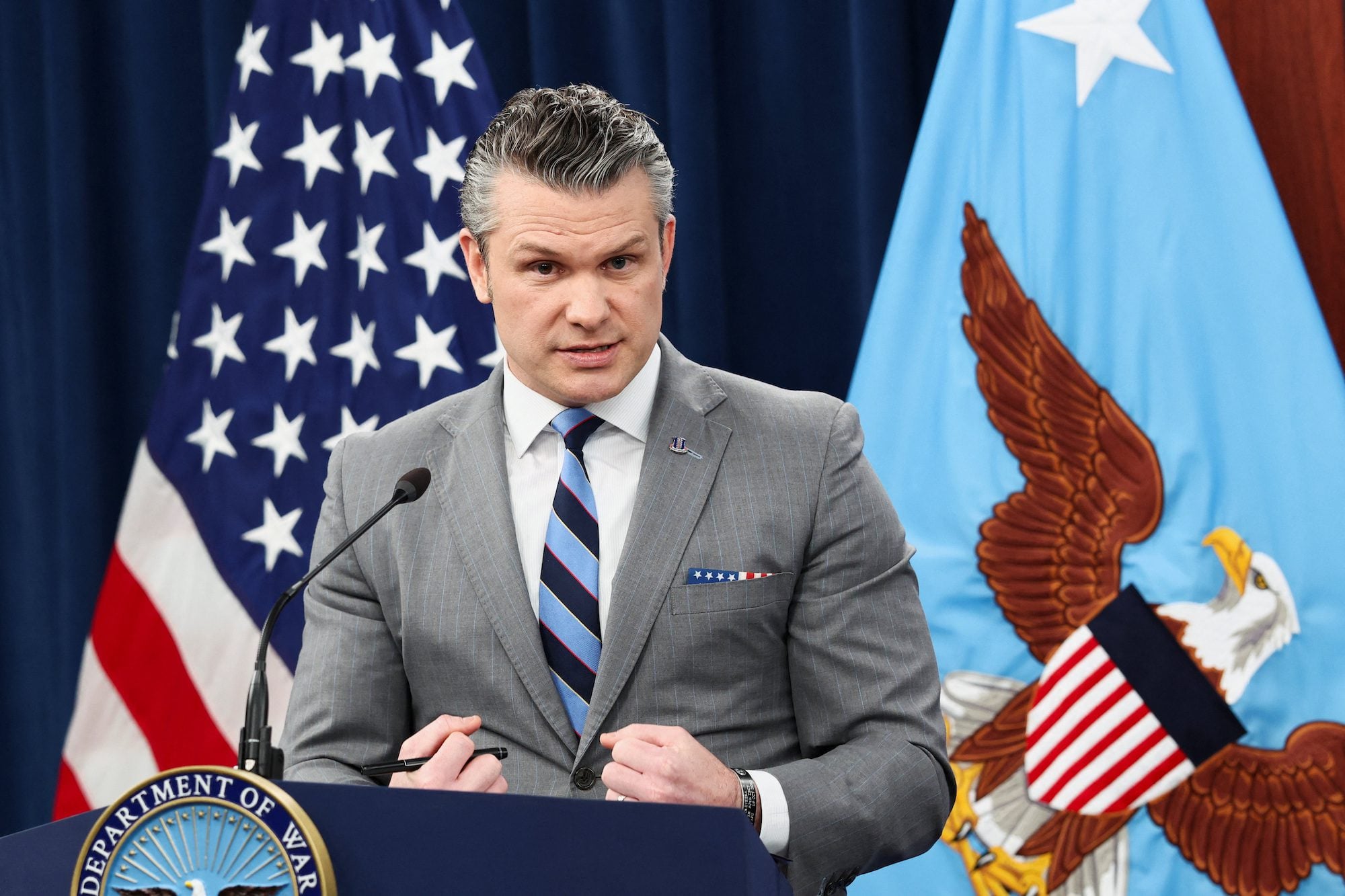
Defense Secretary Pete Hegseth on Friday publicly reinforced that mines remain a central obstacle to restoring confidence in the Strait of Hormuz.
In a Pentagon briefing focused largely on the expanding U.S. blockade of Iran, Hegseth repeatedly pointed to Iranian mine threats, ongoing clearance operations, and the risks mines continue to pose to commercial navigation, amounting to one of the clearest U.S. acknowledgements yet that mine threats remain a major factor constraining a broader return of shipping.
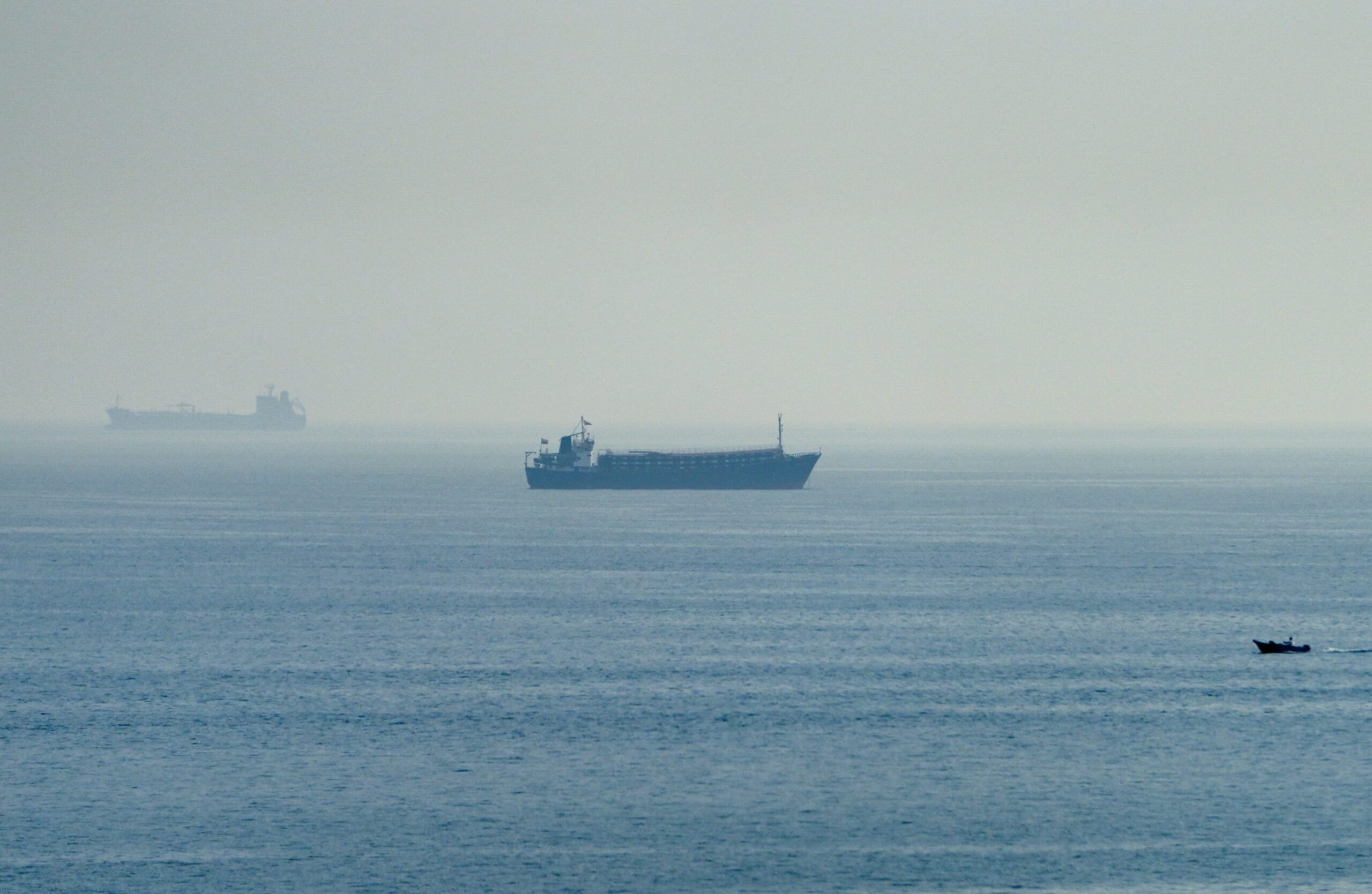
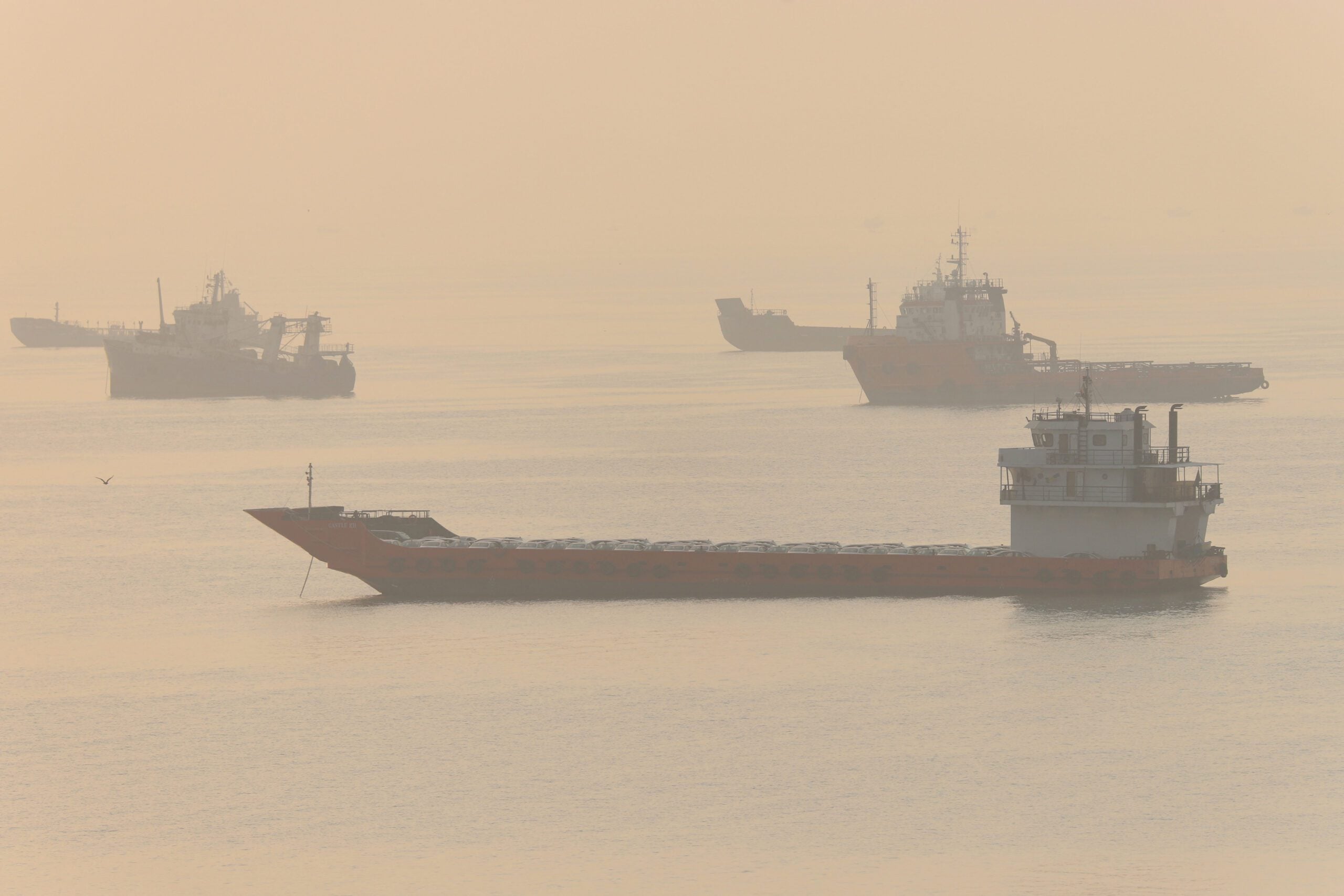
“We are seeing vessels transiting. There are paths that are open,” Hegseth said when asked whether the mine threat had been neutralized enough to restore freer flows through the strait. “Transit is occurring, much more limited than anybody would like to see, and with more risk than people would like to see.”
Although Hegseth strongly signaled the mine threat is being treated as a serious operational concern, he stopped short of explicitly confirming Iran has already mined—or continues to mine—commercial shipping lanes.
He said President Trump had authorized U.S. naval forces “to destroy any Iranian fast boats that attempt to put mines in the water or disrupt passage through the Strait of Hormuz.”
“If Iran is putting mines in the water… we will shoot to destroy, no hesitation,” he said.
Hegseth also confirmed U.S. mine countermeasure operations are underway, citing Trump’s order that American mine “sweepers are clearing the Strait right now,” adding those efforts had been surged.
The issue resurfaced later when a reporter referenced a leaked Pentagon briefing that suggested clearing the strait of mines could take as long as six months.
While Hegseth declined to validate that timeline, he notably did not dismiss the premise.
“We would not speculate on a timeline,” he said. “We feel confident in our ability, in the correct period of time, to clear any mines that we identify. I would encourage other countries to be a part of such an effort as well, but we’re tracking that very closely.”
Chairman of the Joint Chiefs Gen. Dan Caine added that Iran retains “a variety of smaller Boston Whaler-sized boats” associated with the threat and said U.S. forces remain positioned to deter further mine-laying.
The comments come as commercial traffic through Hormuz remains well below normal levels despite repeated political claims the situation is stabilizing. Maritime security analysts have consistently warned that confidence will not return simply because a ceasefire holds or blockade conditions ease; verified mine clearance and security guarantees are likely prerequisites.
That view was underscored this week by BIMCO, whose Chief Safety & Security Officer Jakob Larsen warned shipping would be unlikely to return in force until waters are confirmed clear of mines and safe passage is assured.
Hegseth’s remarks also appeared to undercut suggestions Iranian threats are limited to swarm boats or isolated vessel seizures.
“They’re the ones who lay indiscriminate mines,” he said, while accusing Tehran of combining mining risks with harassment by armed fast craft.
Even as Hegseth touted “paths that are open,” his own description suggested a managed and hazardous operating environment, not a restoration of freedom of navigation.

 Join The Club