By Brooke Sutherland, Josh Wingrove and Laura Curtis (Bloomberg) — When the history books are written about the fate of longshoremen in the US, few characters will loom as large as Harold Daggett.
The 78-year-old has risen from working on the docks to become one of the most influential and highest-paid union leaders — a firebrand who rails against corporate greed while taking home nearly $1 million in annual pay. And despite reports of a lifestyle of luxury cars, a mansion in New Jersey and previous allegations of ties to powerful mobsters, members of the International Longshoremen’s Association have fully embraced Daggett and his bare-knuckled approach.
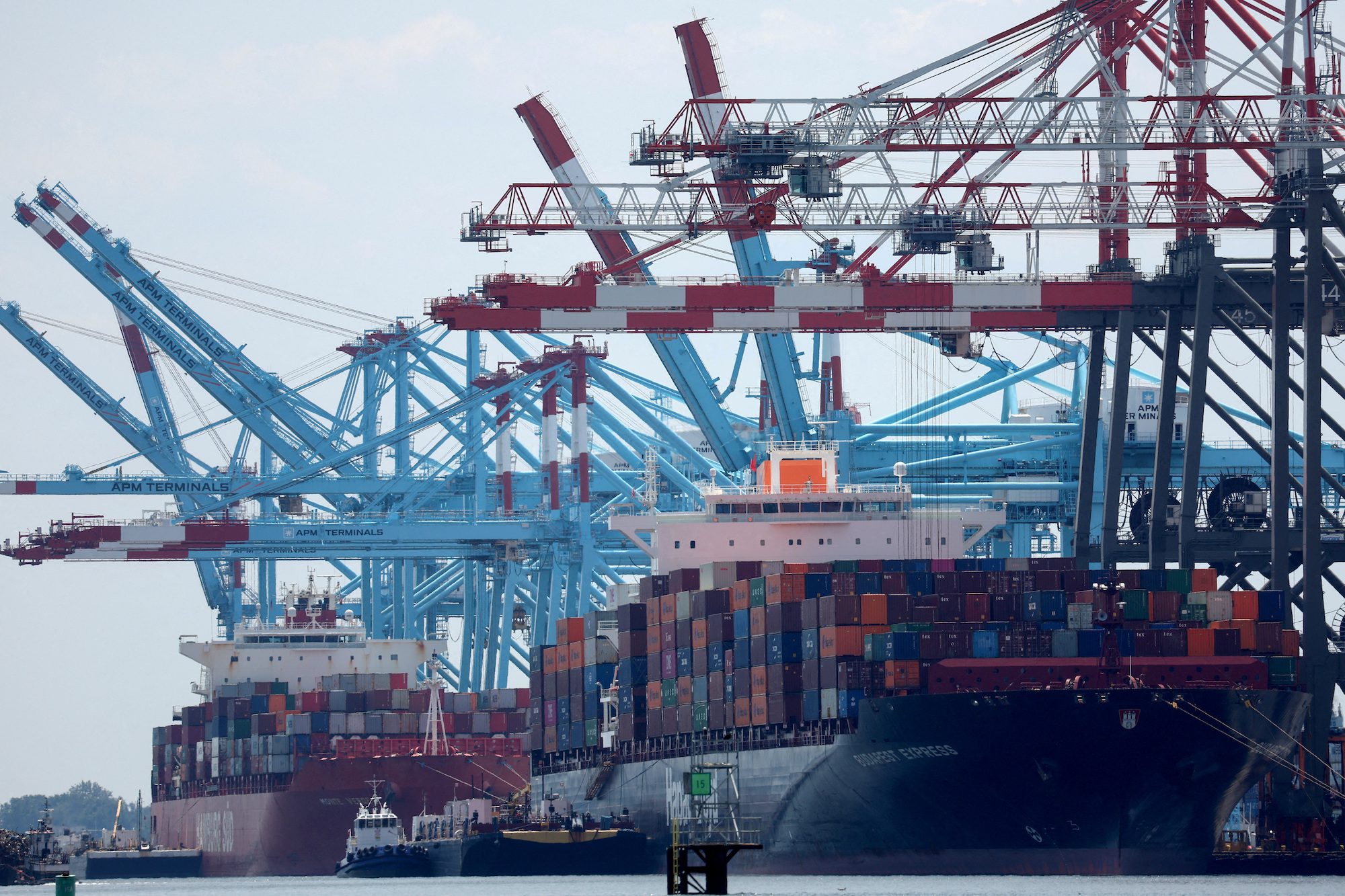
The showdown on the East and Gulf coasts has demonstrated the power of dockworkers to play havoc with the US economy, draining billions of dollars each day and threatening supply chains for everything from fruit to automobiles. It’s been playing out just weeks before the presidential election, an ultra-close contest in which union support has become an important trophy for both parties.
“I want to thank the union workers, the carriers, and the port operators for acting patriotically to reopen our ports and ensure the availability of critical supplies for Hurricane Helene recovery and rebuilding,” Biden said. “Collective bargaining works.”
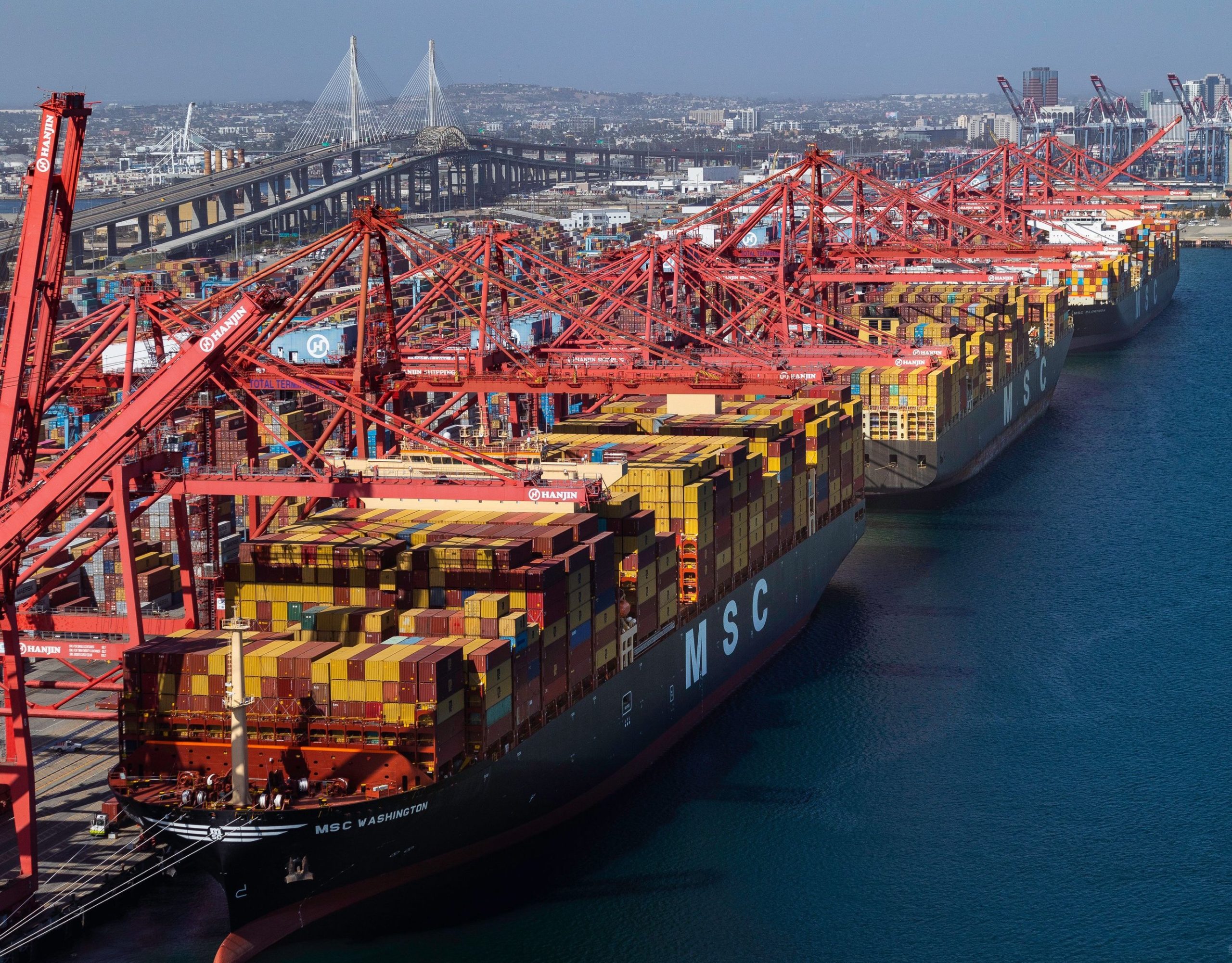
The strike also highlighted just how much is at stake for longshoremen who face looming and possibly existential threats to their jobs. Shipping lines flush with pandemic-era profits after skyrocketing freight costs have an opportunity to usher East and Gulf Coast ports into a modern era of automation that other global hubs such as Rotterdam and Los Angeles have already embraced.
While there’s still debate in the industry over whether labor-saving technologies like automated cranes and driverless vehicles have truly cost workers their jobs, for Daggett and the ILA it’s a red line.
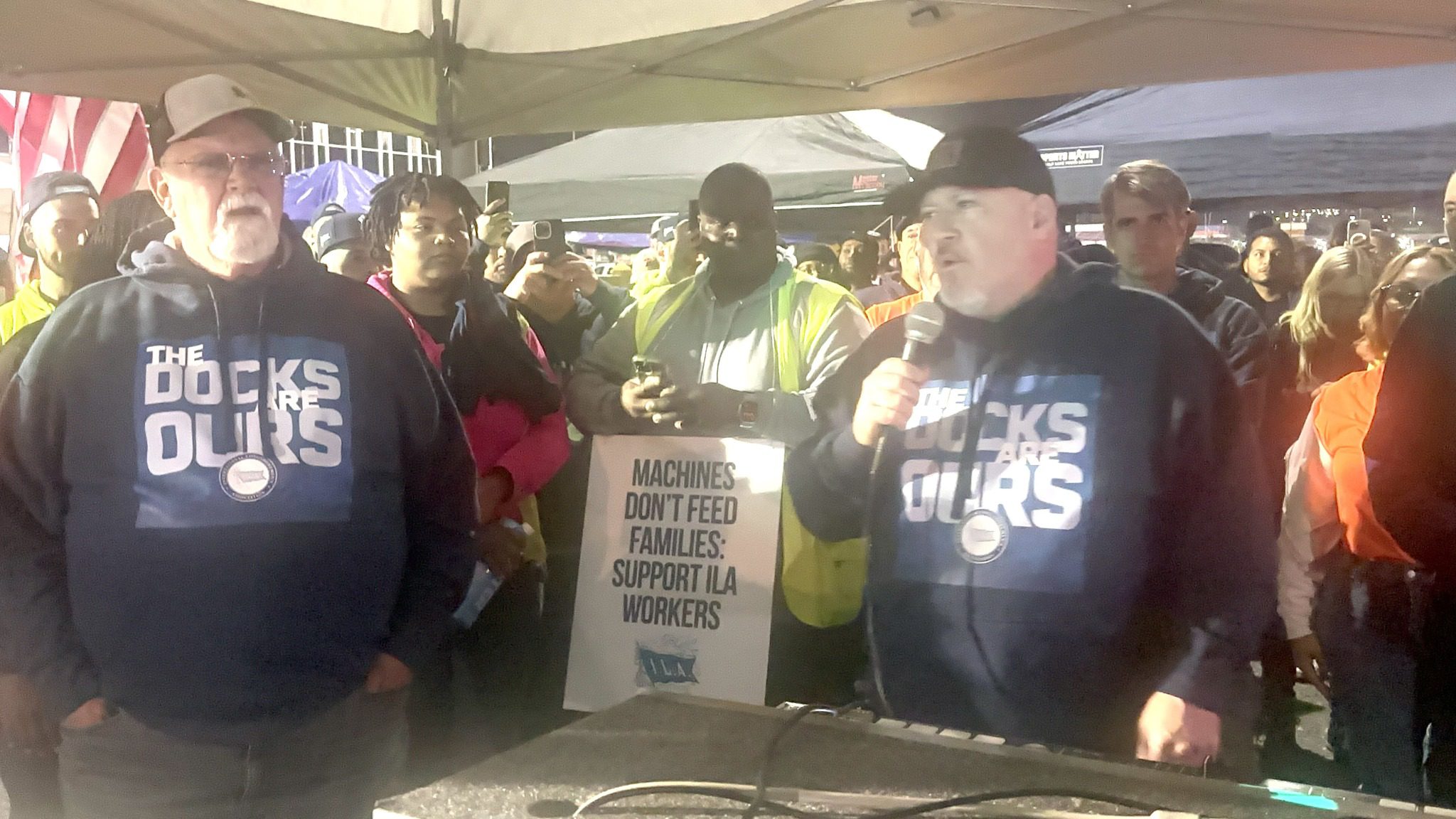
“They’re making billions and millions of dollars,” Daggett said on the picket lines this week, referring to the shipping lines and port operators. “But they don’t want to share it. They’d rather see a fully automated terminal right here on the East Coast so they can make more money. They are money crazy.”
Daggett, who has a penchant for making a statement with swear words and gold chains, rakes in more than most other union leaders. His income stems from dual salaries from his roles in the national ILA and an emeritus position for the New Jersey local chapter, where he began his career and was a worker in the last big East Coast longshoremen strike in 1977.
He collected a combined salary of about $900,000 last year, according to US Department of Labor data. His counterpart on the West Coast, William Adams, president of the International Longshore & Warehouse Union, earned a salary of $168,000, while Shawn Fain of the United Auto Workers received about $200,000. Fain last year rose to prominence by negotiating historic pay increases and other concessions for workers at General Motors Co., Ford Motor Co. and Stellantis NV plants in the US, following a six-week strike.
According to the data, only union leaders who represent Hollywood actors and professional sports players received higher total compensation than Daggett. Since 2011, he has made about $9 million between his two salaries, according to an analysis of the federal filings. Disbursements for official business — which can include meal and travel allowances — further add to the total.
Elon Musk this week took to X to comment on reports that Daggett owned a 76-foot yacht. On Wednesday, the ILA published a statement on social media, saying Daggett and other ILA top officials have faced death threats after the New York Post published aerial photos of his sprawling New Jersey home along with his address. Daggett didn’t respond to several requests from Bloomberg News for comment sent by email and text messages through the ILA.
Daggett is “colorful, but he knows what he’s fighting for. He started on the docks like everybody else,” said Ken Riley, an ILA vice president based in Charleston, South Carolina. “He’s taken us places we’ve never been.”
Daggett’s past has also raised eyebrows. In a federal indictment from two decades ago, prosecutors claimed Daggett’s ascent within the ILA was facilitated by ties to the Genovese crime family. He has denied any connection to the mob and was acquitted at trial in 2005, along with two other co-defendants — another ILA official and an alleged captain of the crime family. The purported mobster, Lawrence Ricci, disappeared during trial and was later found dead in the back of a car parked at a New Jersey diner.
Daggett left his day-to-day role leading the New Jersey branch in 2011 when he was promoted to the headquarters job, though he’s continued to serve in an emeritus capacity. A statue honoring him was recently unveiled outside the ILA headquarters in North Bergen, New Jersey.
His son, Dennis, is now president of the local branch. Another son, John, also plays a leadership role in the local New Jersey and Atlantic Coast district branches.
“He’s a tough man. He’s been through a lot,” Charles Seaton, the president of ILA Local 1766, said of Daggett. “He has longevity in the business and that’s what it takes: to know where you come from, to know where you’re going.”
For now the threat of supply-chain squeezes before the election and Christmas are over, but finding a solution on automation that both the shipping lines and the dockworkers are satisfied with is likely to prove challenging, setting up the potential for another showdown come January.
Labor groups warn that automating jobs threatens not only local employment but also tax revenue. Critics point out that US ports are already among the least efficient in the world, and without modernization, they risk falling further behind global competitors.
Looking beyond the current labor talks in the US, Daggett aims to broaden the union’s fight against port automation on a global scale. Dennis, who also serves as the head of the International Dockworkers Council, has pledged to rally overseas support for the ILA’s ongoing efforts, declaring in a recent video that it will be “the biggest display of international solidarity that this world has ever seen.”
This week, Daggett had instructed ILA workers to remain on the picket lines for as long as necessary to secure the union’s demands. In contrast to other groups that typically require a vote by members for a walkout, the ILA’s rules give Daggett a significant amount of power over labor negotiations.
At the Port of Wilmington in North Carolina this week, Greg Washington, president of ILA Local 1426, stood among about 50 workers on the picket lines. When asked how long they planned to stay, Washington replied, “Until Mr. Daggett tells us we’re going to do something different.”
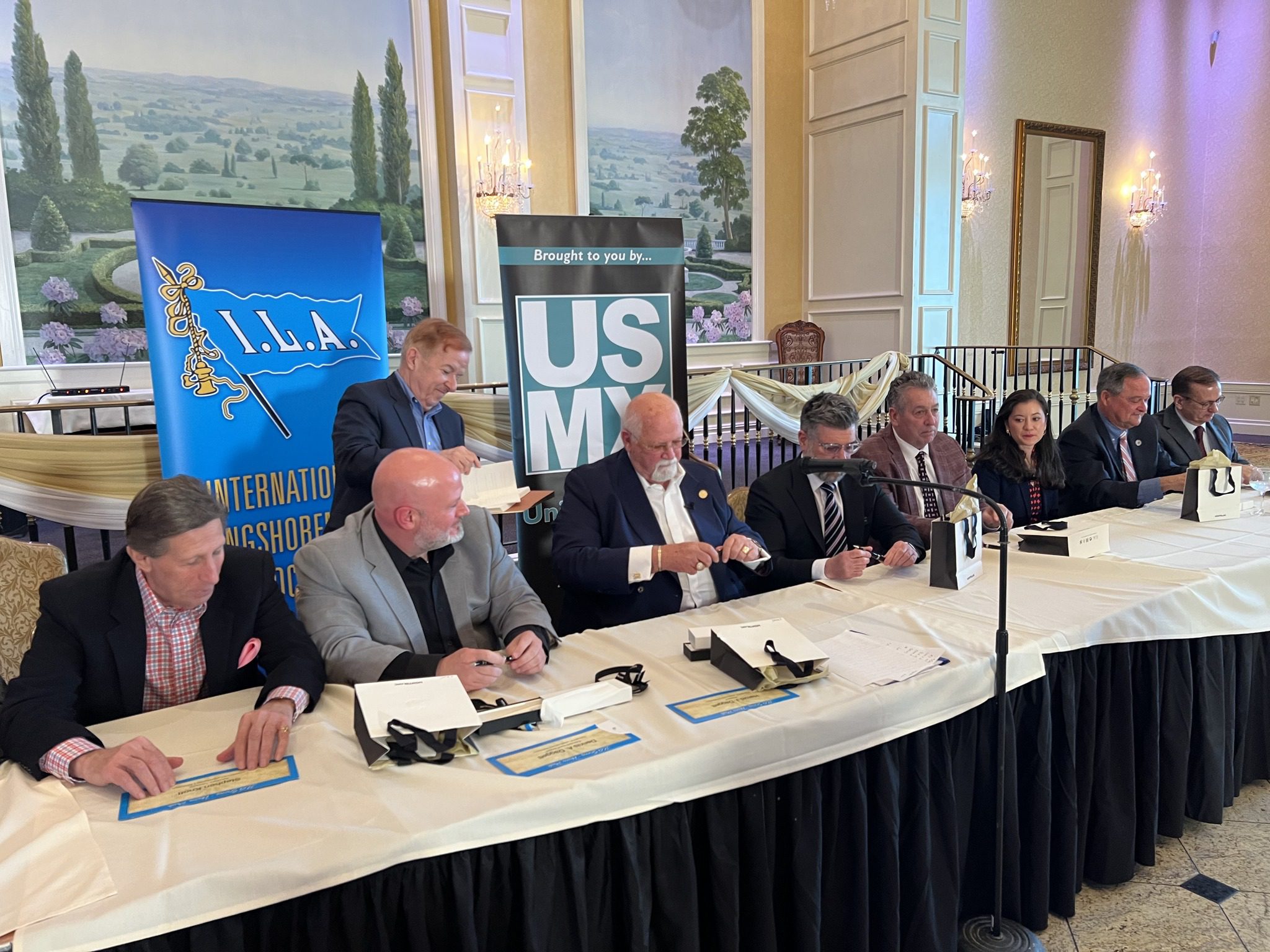
International Longshoremen’s Association (ILA) and United States Maritime Alliance (USMX) officials gathered in North Bergen, New Jersey on Tuesday to formally sign a landmark six-year master contract agreement, securing unprecedented...
The top ten US ports reported a 14.2% year-over-year increase in inbound container volume for January 2025, continuing a sixteen-month growth streak that shipping analyst John McCown attributes to genuine...
The International Longshoremen’s Association (ILA) members have overwhelmingly ratified a new six-year master contract with United States Maritime Alliance (USMX), securing unprecedented wage increases and automation protections for workers across...
February 26, 2025
Total Views: 1754
Get The Industry’s Go-To News
Subscribe to gCaptain Daily and stay informed with the latest global maritime and offshore news
— just like 106,690 professionals
Secure Your Spot
on the gCaptain Crew
Stay informed with the latest maritime and offshore news, delivered daily straight to your inbox
— trusted by our 106,690 members
Your Gateway to the Maritime World!
Essential news coupled with the finest maritime content sourced from across the globe.

 Join The Club