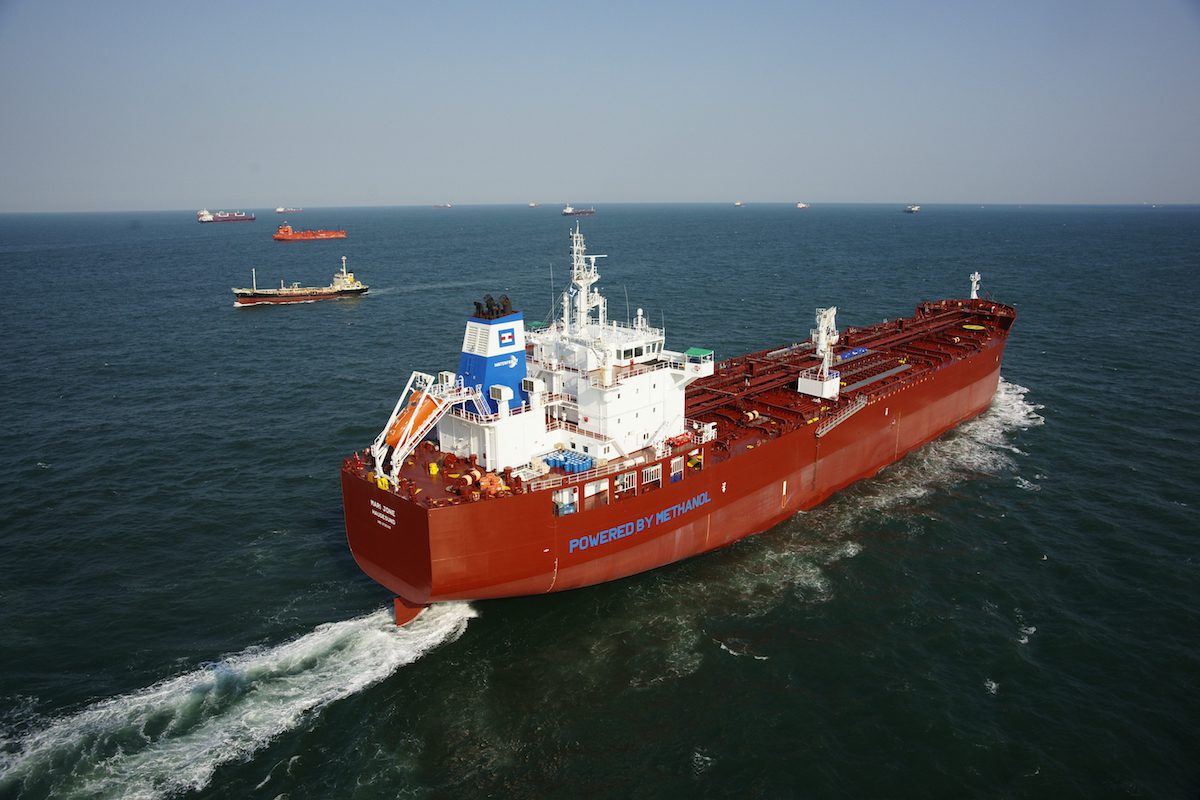
A methanol-powered tanker operated by Waterfront Shipping. File Photo: Methanex/Waterfront Shipping
By Anna Shiryaevskaya (Bloomberg) — Green forms of liquefied methane could be a viable fuel for ships to help the industry meet greenhouse-gas emission reduction targets, a study showed.
Bio-methane, produced from biomass, and synthetic methane made using renewable energy could emulate liquefied natural gas as a marine fuel, according to a study conducted by Dutch researcher CE Delft and commissioned by industry group SEA-LNG. The analysts assessed the use of the green fuels for the years 2030 and 2050.
Production costs of LBM and LSM could be on par with those of some other low- and zero-carbon fuels, such as hydrogen and ammonia. If fueling infrastructure and ship costs are comparable as well, LSM and LBM would be viable candidate fuels for a decarbonized shipping sector at least by 2050, it said.
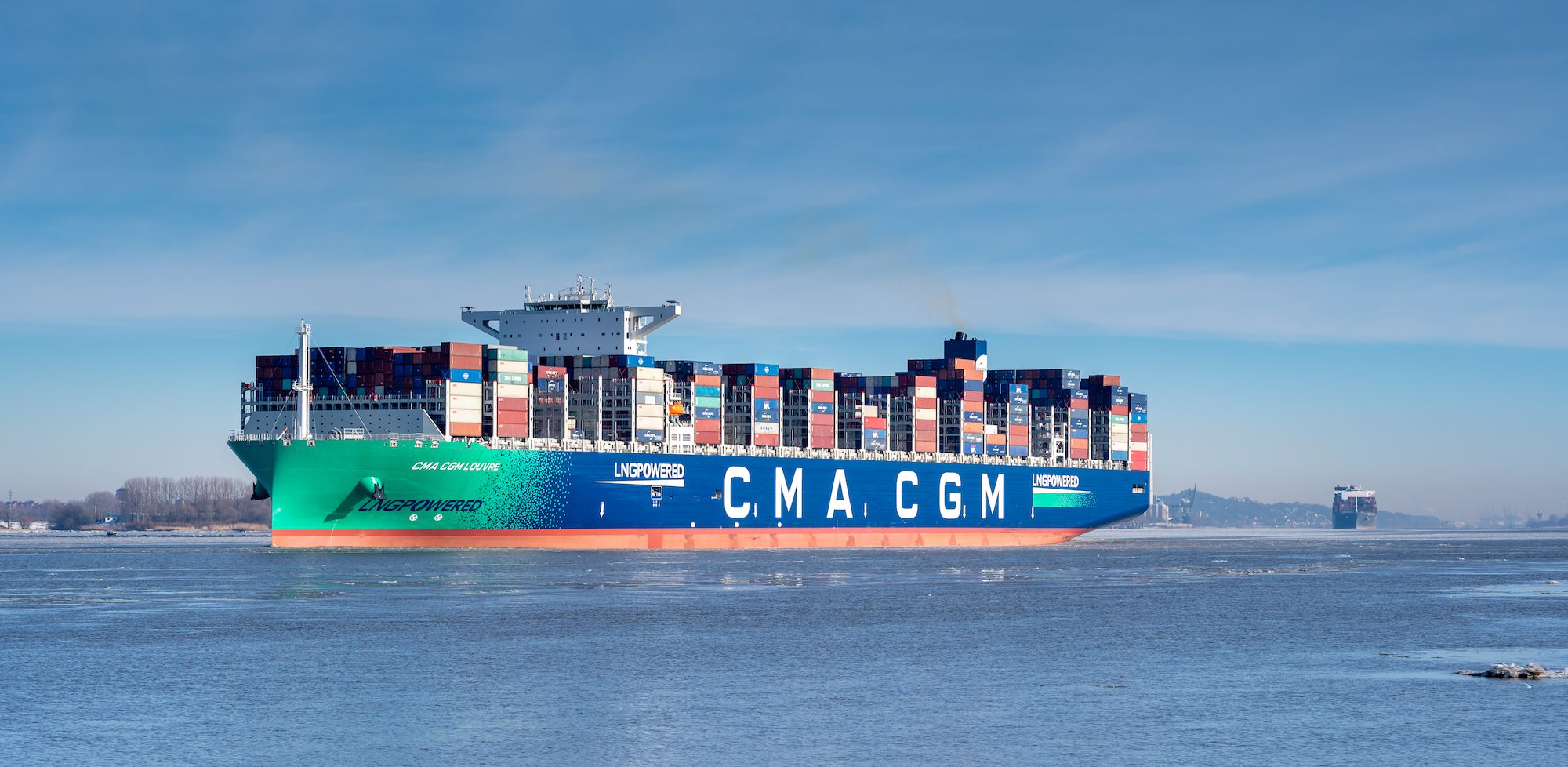
“The growing LNG-fueled fleet can use LBM and LSM; and they can be transported, stored and bunkered in existing LNG infrastructure,” the study said.
LBM is already globally available and scalable, while availability of LSM will depend on build-out of renewable electricity capacity, which is also seen as a key driver for the development of other synthetic fuels such as green hydrogen and ammonia.
Current renewable electricity supplies are insufficient to produce enough LSM to power a significant share of the global shipping fleet, the study showed.
The International Maritime Organization aims to reduce annual greenhouse gas emissions from shipping by at least 50% by 2050 compared with 2008.
The latest session of the IMO’s Pollution Prevention and Response Sub-Committee didn’t deliver sweeping new rules, but beneath the technical drafting work, PPR 13 signaled a clear shift toward performance-based environmental oversight. From biofouling and Arctic black carbon to scrubber discharges and low-load engine certification, the focus is moving beyond installed equipment to how ships are actually operated, maintained, and managed over their full lifecycle.
A coalition of environmental and clean-shipping groups is urging the International Maritime Organization to block any move that would allow ammonia-fueled ships to discharge toxic waste at sea, warning that shipping’s push toward zero-emission fuels must not come at the expense of ocean health.
Investment in alternative-fueled shipping continues to climb despite broader market headwinds, with the global dual-fuel fleet reaching 400 container ships and vehicle carriers in service as of December 2025, according...
February 2, 2026
Total Views: 1235
Get The Industry’s Go-To News
Subscribe to gCaptain Daily and stay informed with the latest global maritime and offshore news
— just like 107,398 professionals
Secure Your Spot
on the gCaptain Crew
Stay informed with the latest maritime and offshore news, delivered daily straight to your inbox
— trusted by our 107,398 members
Your Gateway to the Maritime World!
Essential news coupled with the finest maritime content sourced from across the globe.

 Join The Club