The maritime picture in the Strait of Hormuz is becoming harder to verify, with another delayed report of a vessel strike raising questions over how much of the fighting is making it into the public record.
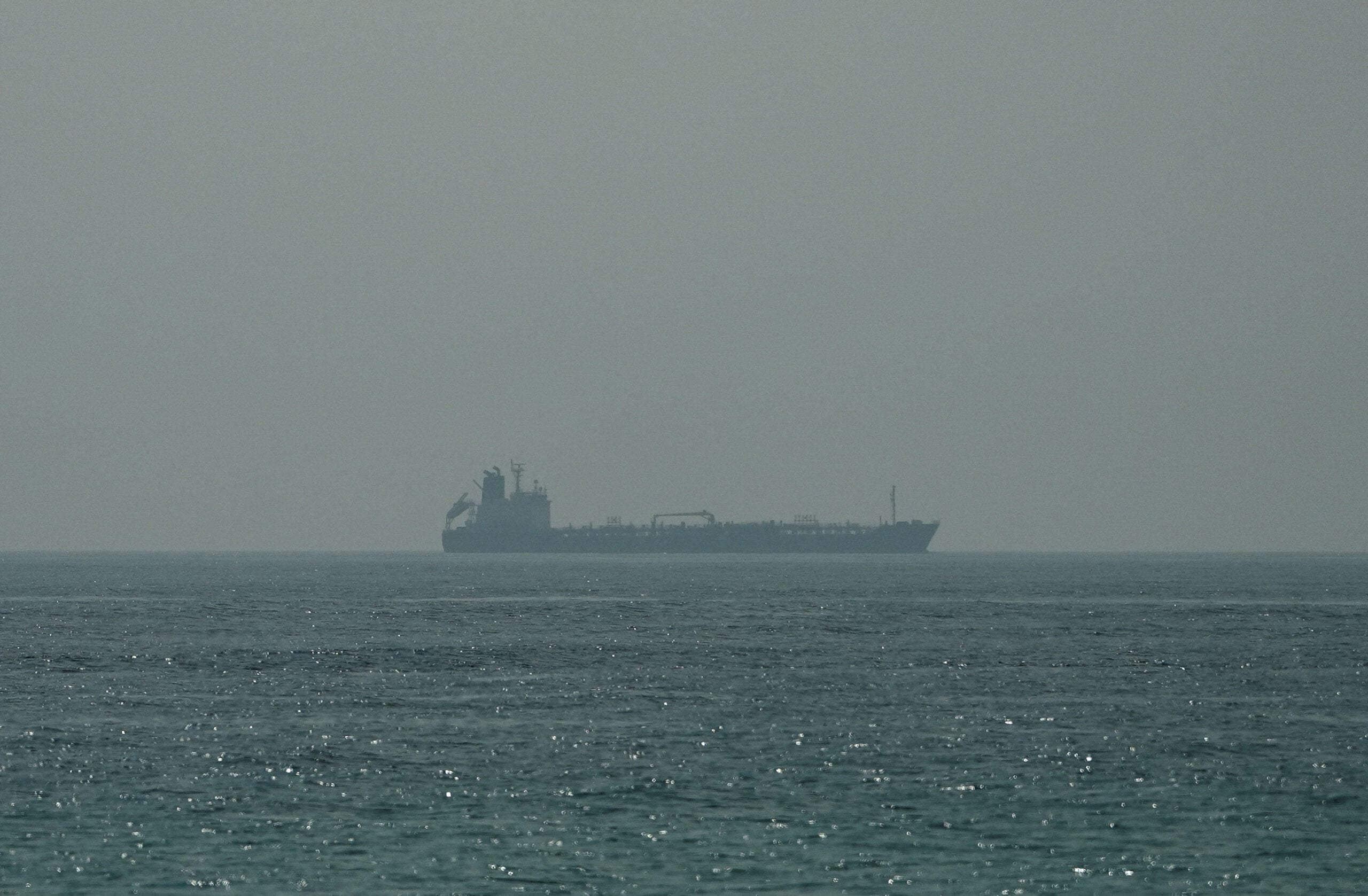
UK Maritime Trade Operations said Monday it had received a “time-late” third-party report of a vessel struck by a suspected unknown projectile while transiting the strait Sunday evening.
The impact caused a fire, which was later extinguished. The vessel remained underway and its crew was safe.
Notably, UKMTO classified Warning 143-26 as “suspicious activity,” rather than an attack, despite reporting that the vessel had been struck by a projectile.
The warning came after Iran claimed over the weekend that its forces had targeted or intercepted 19 vessels operating outside Tehran-designated routes through Hormuz — 12 on Friday and seven on Saturday. Iran has not identified the ships or produced evidence showing that 19 vessels were struck.
The new UKMTO report confirms at least one vessel was hit during that period — and that the incident did not enter the public reporting system until later.
That does not validate Iran’s claim. But it highlights a growing problem for shipowners, insurers and analysts trying to understand what is happening in Hormuz: the public incident record is incomplete.
A Voluntary System
UKMTO remains one of the shipping industry’s most important maritime security sources, but its reporting system is voluntary.
Under the UKMTO Voluntary Reporting Scheme, vessels are strongly encouraged to register voyages, submit daily position reports and report security incidents. UKMTO itself warns that ships choosing not to participate may delay military assistance because authorities may not know they are there.
Recent alerts show how information can arrive well after an incident.
An attack on Sept. 16 was not publicly reported until Sept. 18, when UKMTO described it as a “verified, time-late report.” Other September incidents have also been reported after the fact, including one involving an LPG tanker and another vessel strike reported Sept. 15.
There is evidence that individual operators have a broader picture than the public alerts suggest. In August, ADNOC said 15 of its vessels had been targeted by missiles or drones since the conflict began, leaving one crew member dead and 20 injured. Because UKMTO reports often do not identify the vessels involved, reconciling company totals with the public incident list can be difficult.
Analyst Brett Erickson, who has been tracking the attacks, argues that additional recent strikes may still be missing from public reporting and suggested the latest incident may only have surfaced after being detected through satellite imagery. UKMTO has not said what prompted the third-party report, and that theory has not been independently confirmed.
The Joint Maritime Information Center adds another layer, combining open-source information with input from military and maritime stakeholders. JMIC says its information notes are intended to provide verified analysis and “ground truth” following reported incidents. But it too depends on incidents becoming known in the first place.
For years, UKMTO and JMIC reporting provided the industry with a dependable reference point during Somali piracy and, more recently, Houthi attacks around the Red Sea and Gulf of Aden.
Hormuz is proving harder to count.
Ships Are Going Dark, Too
The same problem applies to vessel traffic.
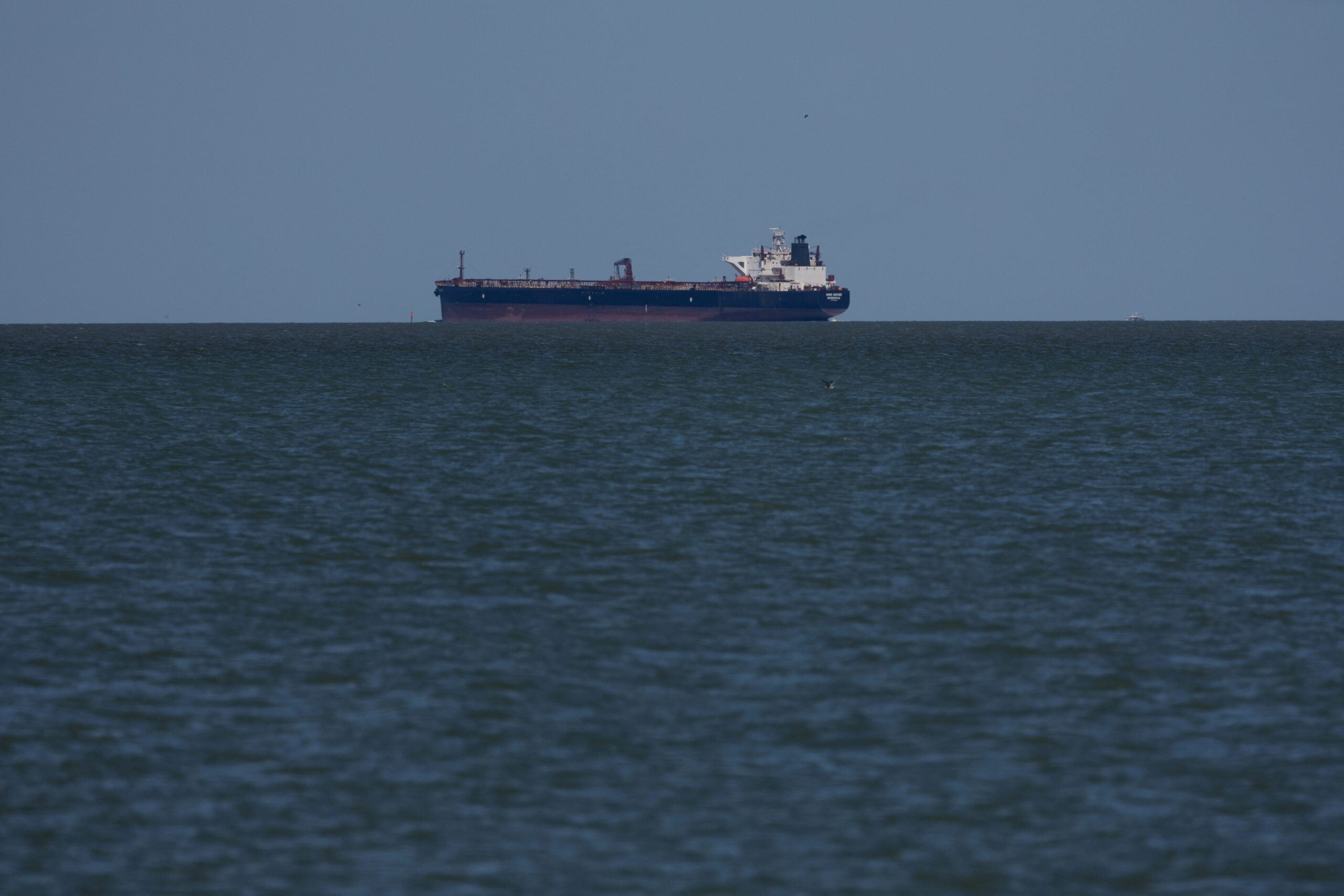
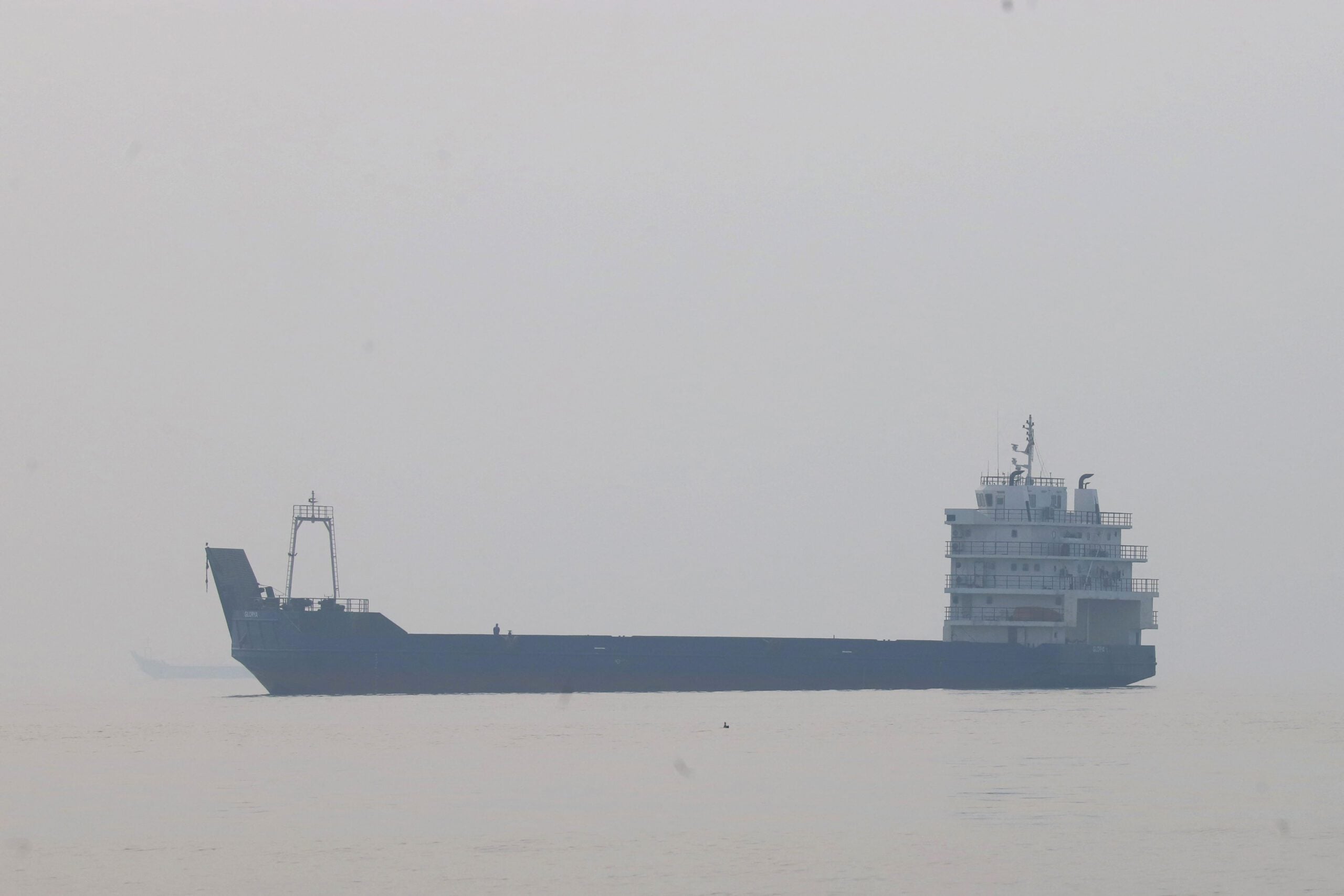
AIS has traditionally provided the backbone of commercial ship tracking, but increasing numbers of vessels are crossing Hormuz without publicly visible transponder signals. Reuters reported last week that some ships operating without active tracking systems are not captured in public transit counts. Recent Kpler and vessel-tracking data put average traffic at roughly 18 vessels per day, compared with around 125 large commercial vessels per day before the conflict.
That is especially important when assessing Project Freedom, the U.S.-coordinated effort to keep commercial shipping moving.
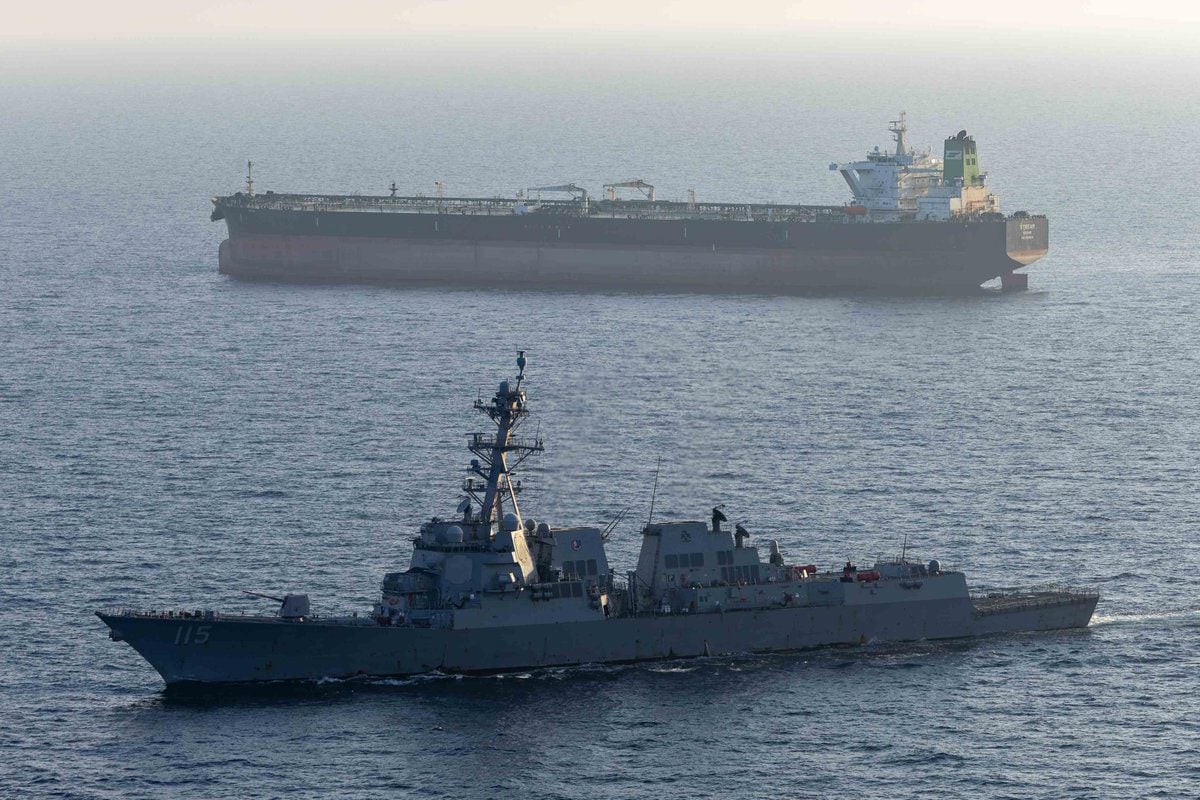
U.S. Central Command began supporting the operation May 4 with destroyers, more than 100 aircraft, unmanned systems and roughly 15,000 personnel. CENTCOM commander Adm. Brad Cooper said the United States had “assumed the risk” of opening a commercial passage through the strait.
Much of that operation happens outside public view. A vessel coordinating directly with U.S. forces can transit without appearing on publicly available AIS services, while military authorities may know about passages that commercial trackers cannot see.
That helps explain why U.S. estimates have often been higher than publicly visible traffic suggests.
Treasury Secretary Scott Bessent said Sunday that Hormuz was already open and that flows were averaging 15 million to 22 million barrels per day, compared with around 20 million before the conflict. He also said more than 1 billion barrels had moved out of the region while Iranian oil exports had been halted.
Independent tracking shows substantial oil moving, but generally at lower levels. TankerTrackers.com estimated in early September that crude exports across the U.S. blockade line had averaged 7.54 million barrels per day over the previous 28 days. Of that, about 5.04 million barrels per day actually passed through Hormuz, while another 2.49 million originated at terminals along the Gulf of Oman.
More recent Kpler data reported by Reuters shows the recovery continuing. Preliminary September figures put Middle East crude exports above 16 million barrels per day, with roughly 9.7 million barrels per day moving through Hormuz. Those estimates explicitly exclude vessels that may have crossed with AIS switched off.
The figures are not directly comparable. They cover different periods and different types of petroleum flows, and government data may include vessels invisible to commercial trackers.
But that is precisely the problem. There is no longer one dataset that reliably answers how many ships are passing Hormuz, how much oil they are carrying or how many vessels are being attacked along the way.
UKMTO sees incidents reported by ships, companies and other sources. JMIC adds military and open-source information. Commercial trackers see vessels broadcasting AIS. Satellite services can find some of the ships operating dark. U.S. forces have another view through Project Freedom.
Each captures part of what is happening.
Iran’s claim that 19 vessels were targeted over the weekend remains unverified. The absence of corresponding UKMTO attack reports weighs against treating that number as confirmed, but Monday’s time-late warning shows why the public incident list cannot be treated as a complete census either.
For shipping companies deciding whether to send crews and cargoes through Hormuz, that distinction matters.

 Join The Club