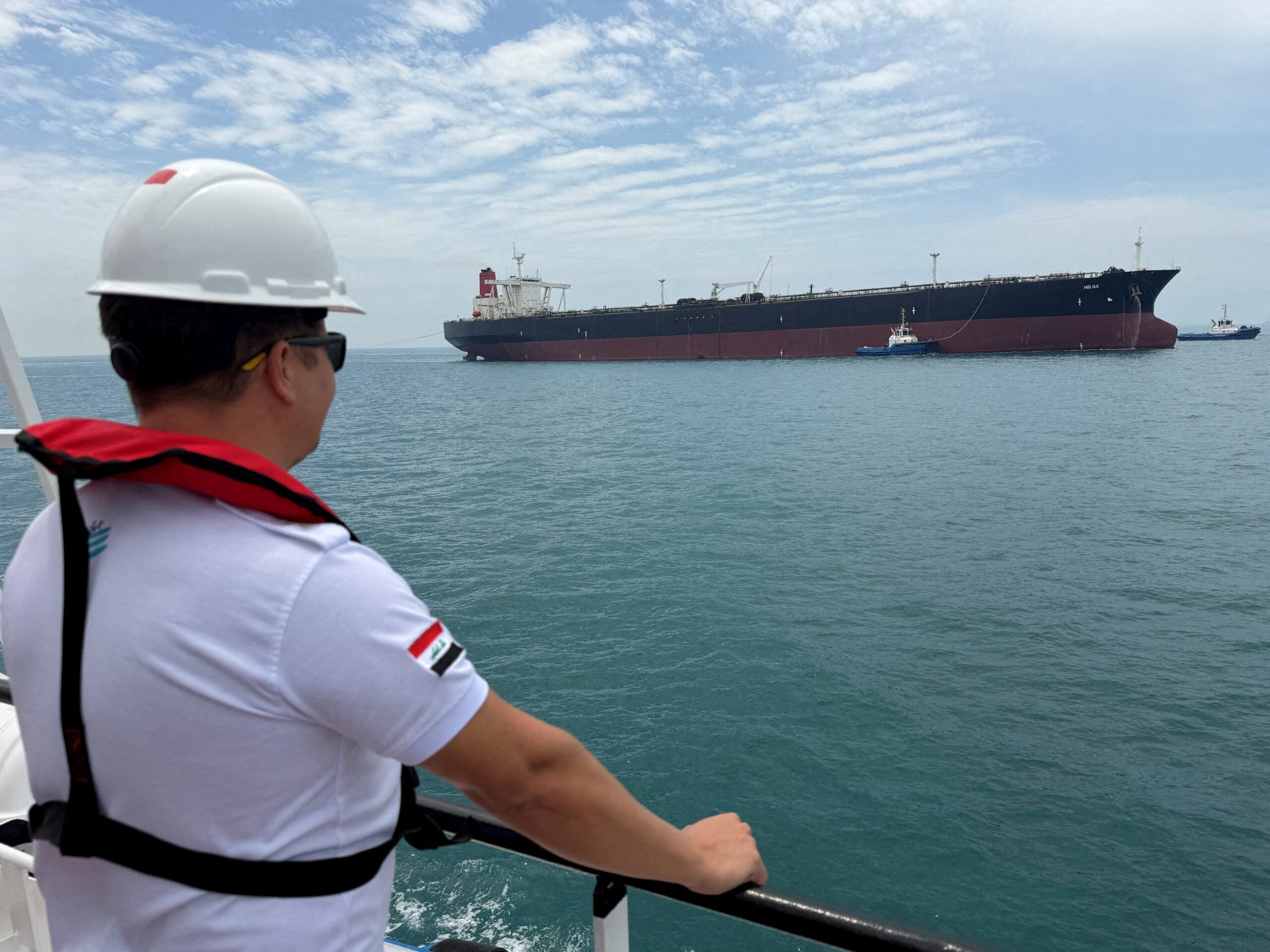
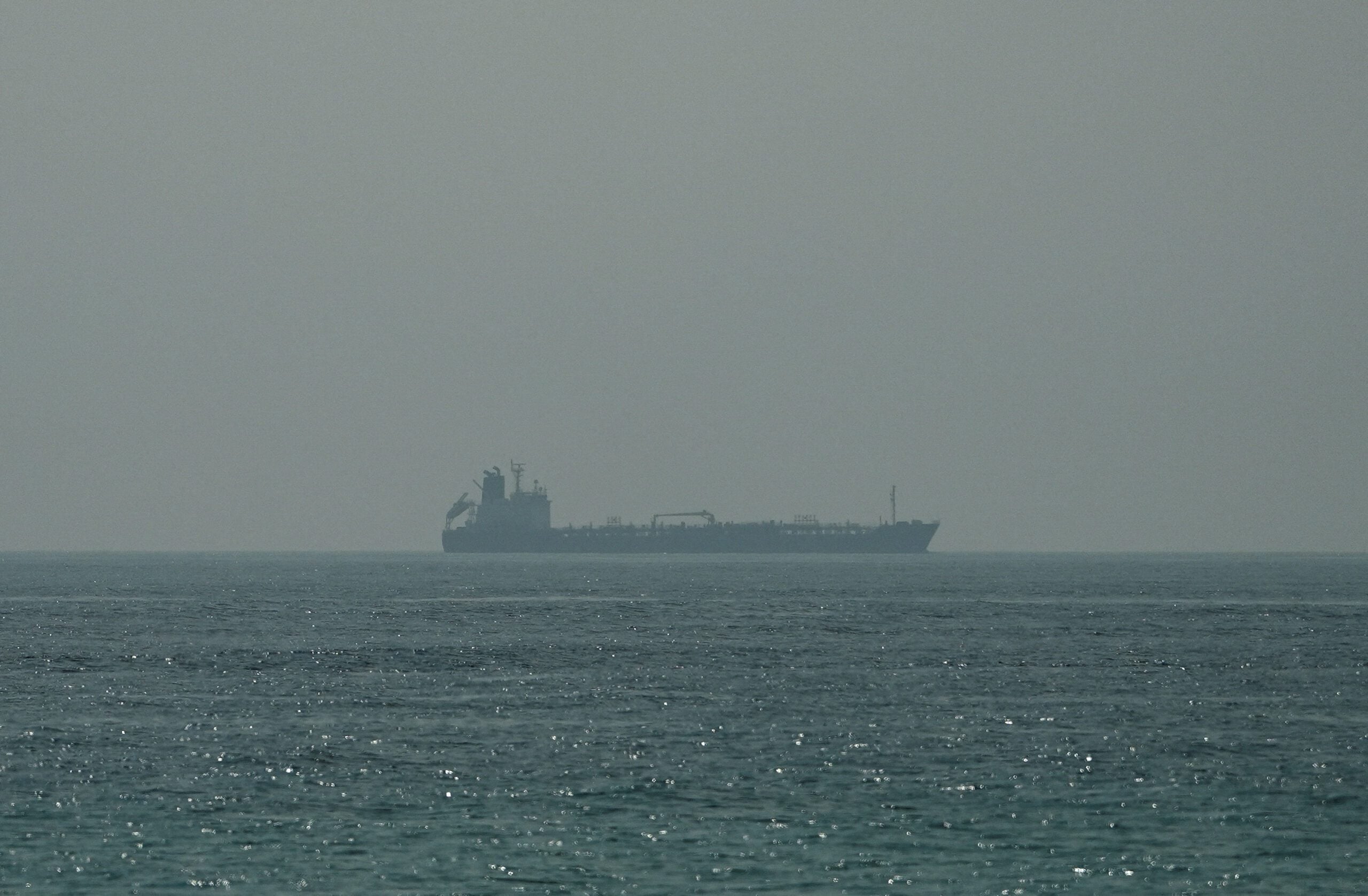
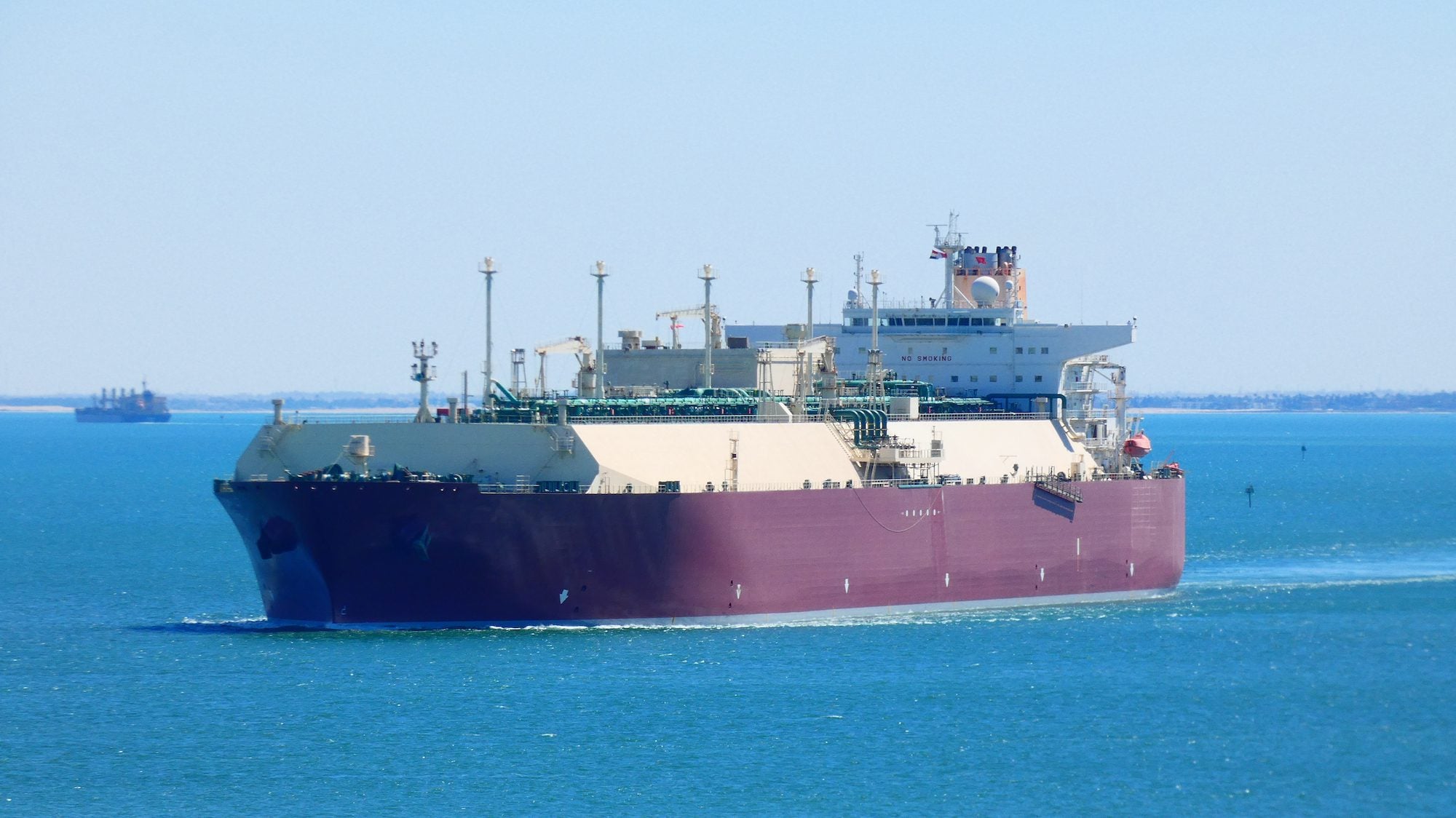
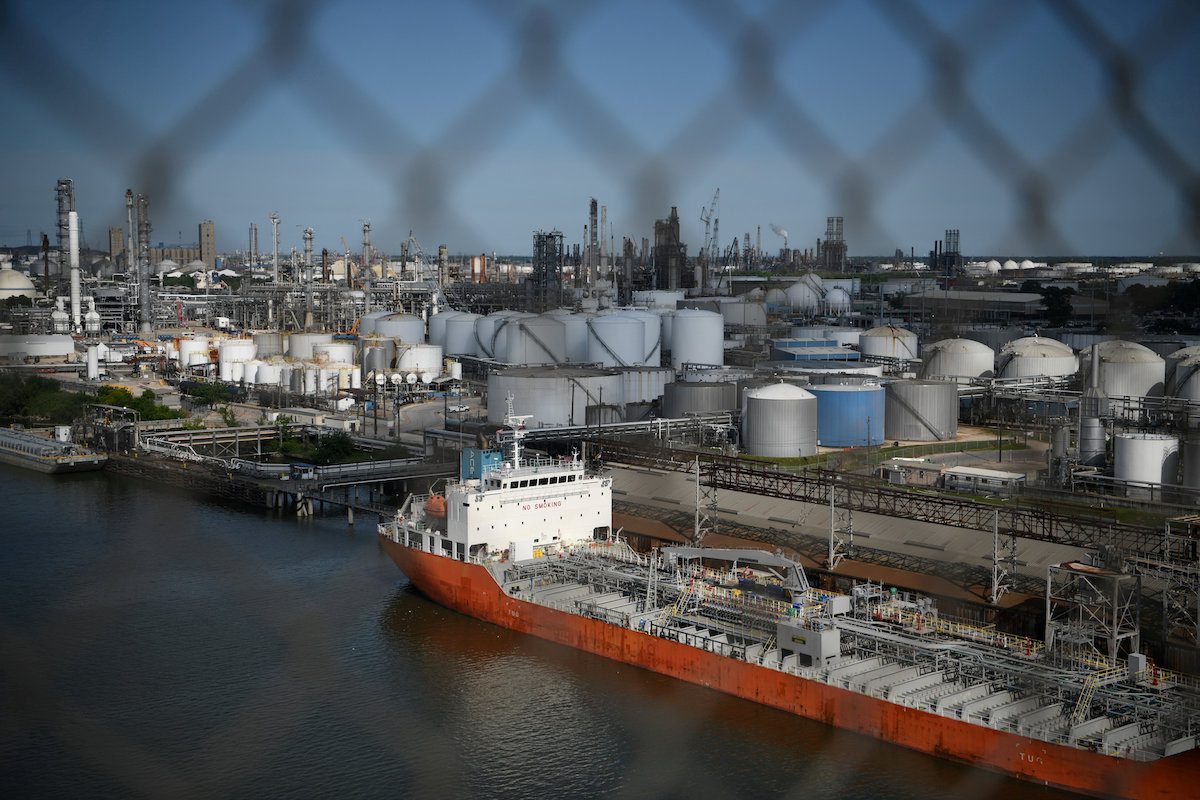
The International Maritime Organization (IMO) is calling for stronger protections for merchant ships and their crews as continued attacks in the Middle East, Red Sea and Black Sea put seafarers at risk and threaten vital shipping routes.
The warning follows the IMO Council’s 138th session in London last week, where members addressed a growing list of maritime security threats, including the war involving Iran, Houthi attacks in the Red Sea and Russian strikes on shipping and port infrastructure in Ukraine.
According to the IMO’s latest figures, at least 130 incidents involving commercial vessels have been confirmed in the Middle East since the conflict began, with 25 seafarers now reported killed.
The latest fatality occurred aboard the tanker Velos Sapphire, which was attacked last week. Thousands of other seafarers remain at risk, including crews aboard vessels unable to leave the Persian Gulf.
“Seafarers continue to lose their lives, suffer serious injuries, face abandonment, are denied repatriation and are deprived of basic human necessities, including water, food and medical care, resulting from the ongoing geopolitical conflicts,” IMO Secretary-General Arsenio Dominguez said.
The Council reiterated that international shipping lanes must remain open, safe and secure, stressing that seafarers should not bear the consequences of geopolitical disputes beyond their control.
It also urged member states to refrain from unlawful actions that could endanger commercial shipping and called for additional measures to prevent further loss of life.
Dominguez pledged to examine what more the IMO can do to protect crews and ease the humanitarian consequences of the ongoing conflicts.
The concerns extend well beyond the Strait of Hormuz.
The Council strongly condemned Houthi attacks against merchant vessels and crews in the Red Sea and Bab al-Mandab Strait, as well as Russian attacks targeting commercial ships, seafarers, ports and maritime safety infrastructure supporting Ukraine’s Black Sea shipping corridor.
It also raised concerns about renewed piracy and armed robbery in the Western Indian Ocean and Gulf of Aden, where 17 attempted or actual incidents have been reported since the beginning of 2026.
The Council directed Dominguez to continue monitoring developments across these regions and keep member states informed.
The maritime security discussions came as the Council also backed Dominguez for a second four-year term, which would extend his leadership through December 2031. The decision remains subject to approval by the IMO Assembly in 2027.
Among other decisions, the Council approved an initial £2 million in funding to modernize the IMO’s Global Integrated Shipping Information System and develop an e-learning platform.
The Council also selected China’s Yu Jiajia as the recipient of the 2027 IMO Gender Equality Award.
The meeting’s conclusions underscore the growing challenge facing the UN maritime agency as attacks on commercial shipping continue across several regions, leaving seafarers exposed to conflicts in which they have little say.

 Join The Club