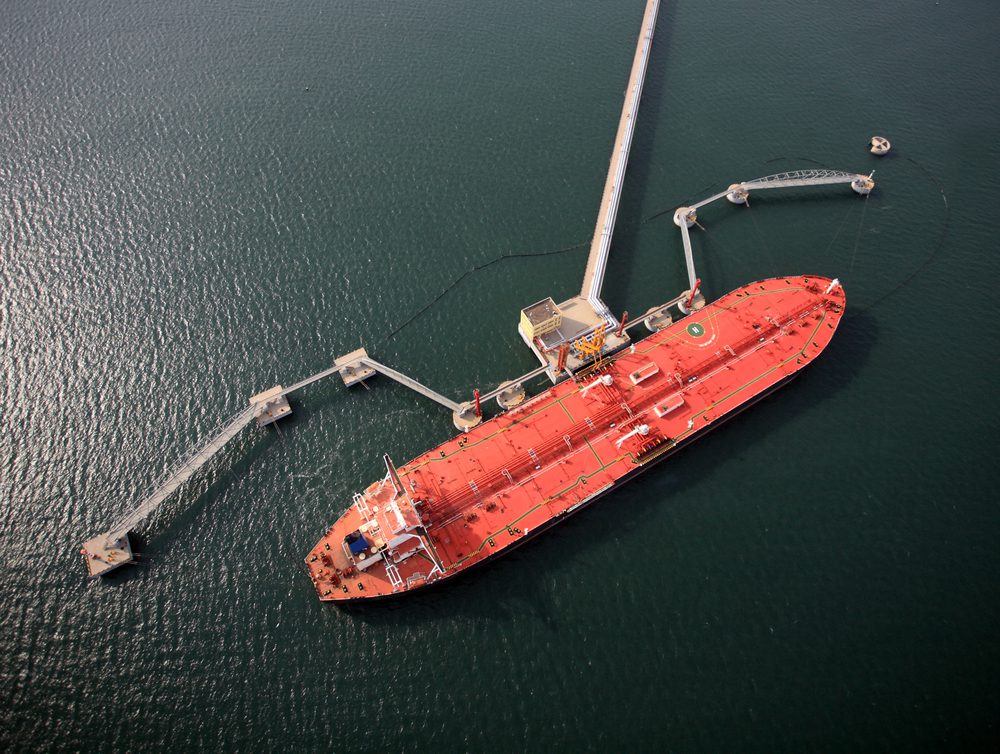
The U.S. Department of Transportation has approved a license for Texas GulfLink, LLC to build and operate a deepwater crude oil export terminal off the Texas coast, marking the first such approval under the Trump administration and potentially resetting a licensing process that has stalled for decades.
Transportation Secretary Sean P. Duffy announced the decision, calling it evidence that reducing regulatory friction can “create jobs at home and stability abroad.” The terminal will be located approximately 30 miles offshore Brazoria County, Texas, and is designed to export up to 1 million barrels of crude oil per day while supporting an estimated 720 jobs.
The approval follows a six-year review process that began in May 2019, when the application was submitted to the Maritime Administration and the U.S. Coast Guard. The project, owned and operated by Sentinel Midstream, will include a fixed offshore platform, approximately 45 statute miles of pipeline, and infrastructure to berth two VLCCs at single-point mooring buoys, though only one vessel will load at a time.
“This permitting milestone is a testament to the hard work, perseverance, and expertise of the Sentinel team,” remarked Jeff Ballard, President and CEO of Sentinel and its subsidiary, Texas GulfLink, LLC
Maritime Administrator Capt. Stephen M. Carmel said the facility would ease congestion closer to shore while improving export efficiency, describing it as a “critical offshore logistical asset” for U.S. energy exports.
“We are signaling to the global market that America is open for business. By approving projects like Texas GulfLink, we ensure that American oil producers aren’t halted by domestic bottlenecks,” added Carmel.
The approval comes against a backdrop of longstanding frustration with the deepwater port program. Since its creation in the 1970s, only 11 applications have been approved and just eight licenses issued, even as U.S. crude exports climbed to more than 4.1 million barrels per day in 2024.
Still, the path from license to operation is far from guaranteed. Enterprise Products Partners recently disclosed that its Sea Port Oil Terminal project—licensed by MARAD in April 2024—has struggled to attract sufficient commercial interest, delaying what was expected to become the largest offshore oil export terminal in the country. Company executives pointed to the prolonged permitting timeline as a key factor in losing an anchor customer.
Texas GulfLink is one of three oil export terminals currently under MARAD review, alongside multiple LNG proposals. With billions of dollars in offshore energy infrastructure still waiting on regulatory clearance, the industry will be watching closely to see whether the latest approval signals a genuine shift—or simply a one-off win in a still-clogged system.
DUBAI, Oct 11 (Reuters) – The United States’ response to Iran’s seven conditions in a proposal to reopen the strategic Strait of Hormuz was “insufficient”, Iran’s security chief, Mohsen Rezaei, was quoted by state...
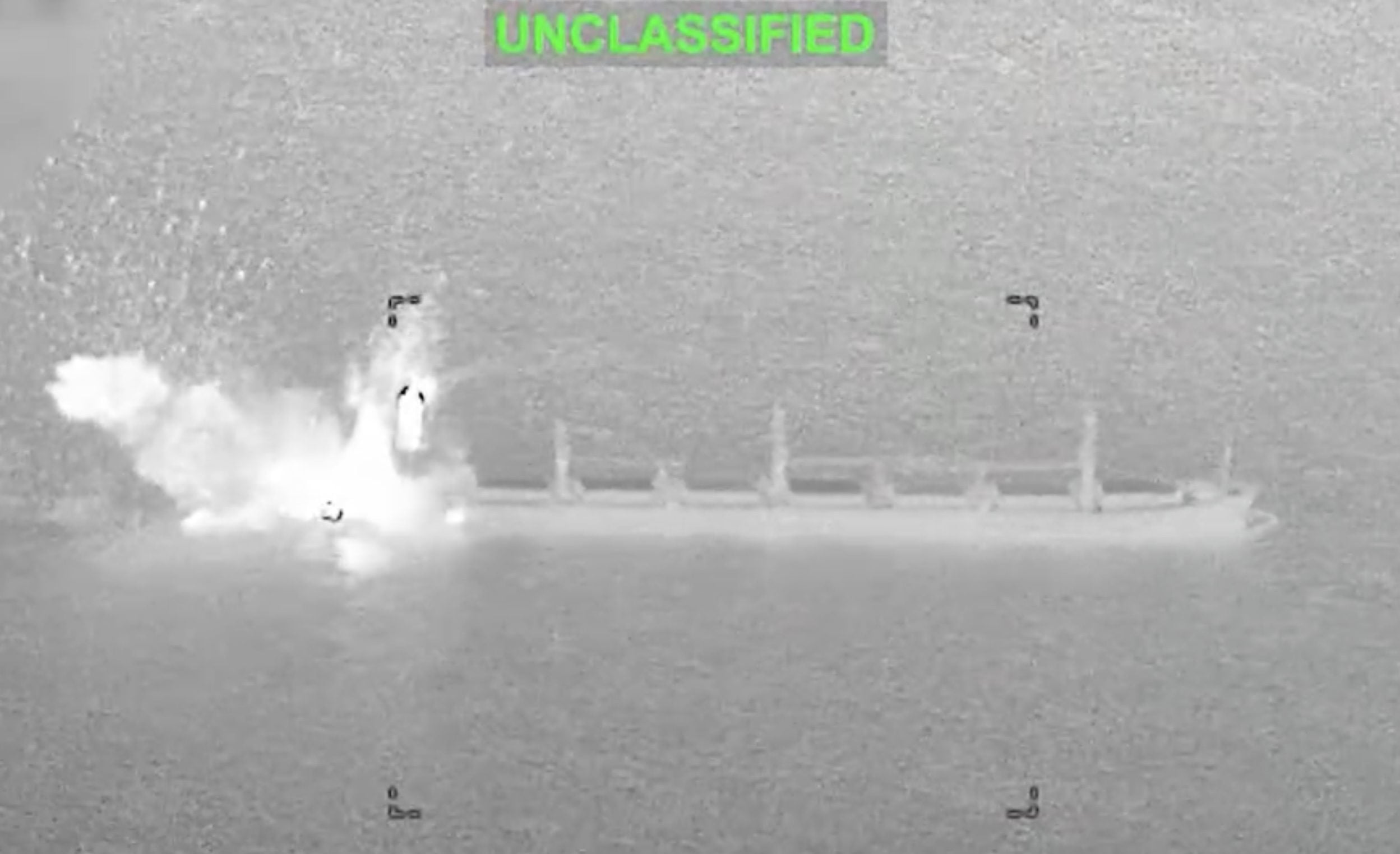
Two more tankers have been struck in the Strait of Hormuz as U.S. forces disable a cargo vessel in the Gulf of Oman, extending a sharp escalation in attacks on commercial shipping.
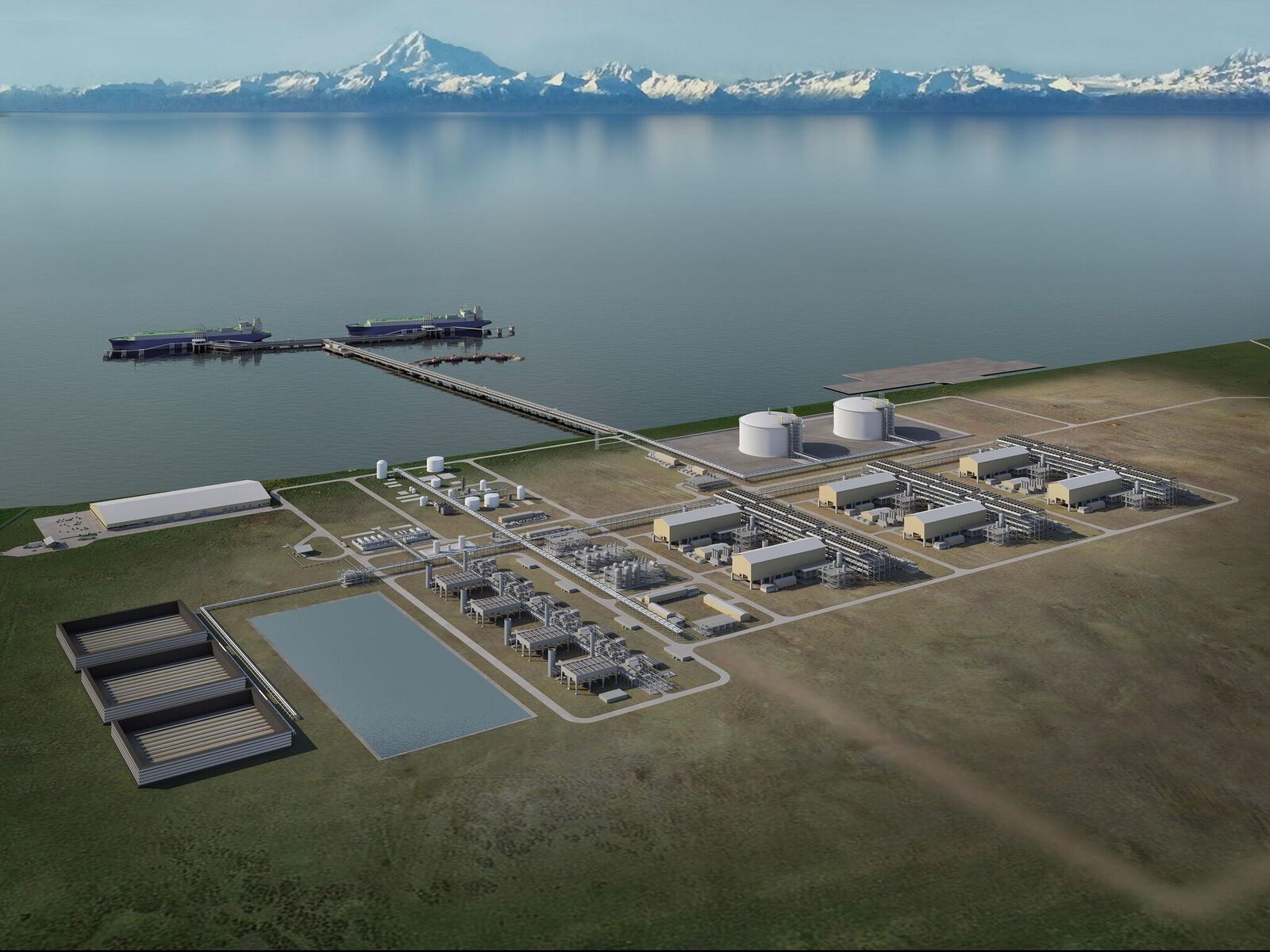
By Nandita Bose and Timothy Gardner Oct 2 (Reuters) – US President Donald Trump said on Friday he did not “jump the gun” on announcing a South Korean investment in Alaska LNG, a liquefied...
October 3, 2026
Total Views: 1059
Get The Industry’s Go-To News
Subscribe to gCaptain Daily and stay informed with the latest global maritime and offshore news
— just like 106,954 professionals
Secure Your Spot
on the gCaptain Crew
Stay informed with the latest maritime and offshore news, delivered daily straight to your inbox
— trusted by our 106,954 members
Your Gateway to the Maritime World!
Essential news coupled with the finest maritime content sourced from across the globe.

 Join The Club