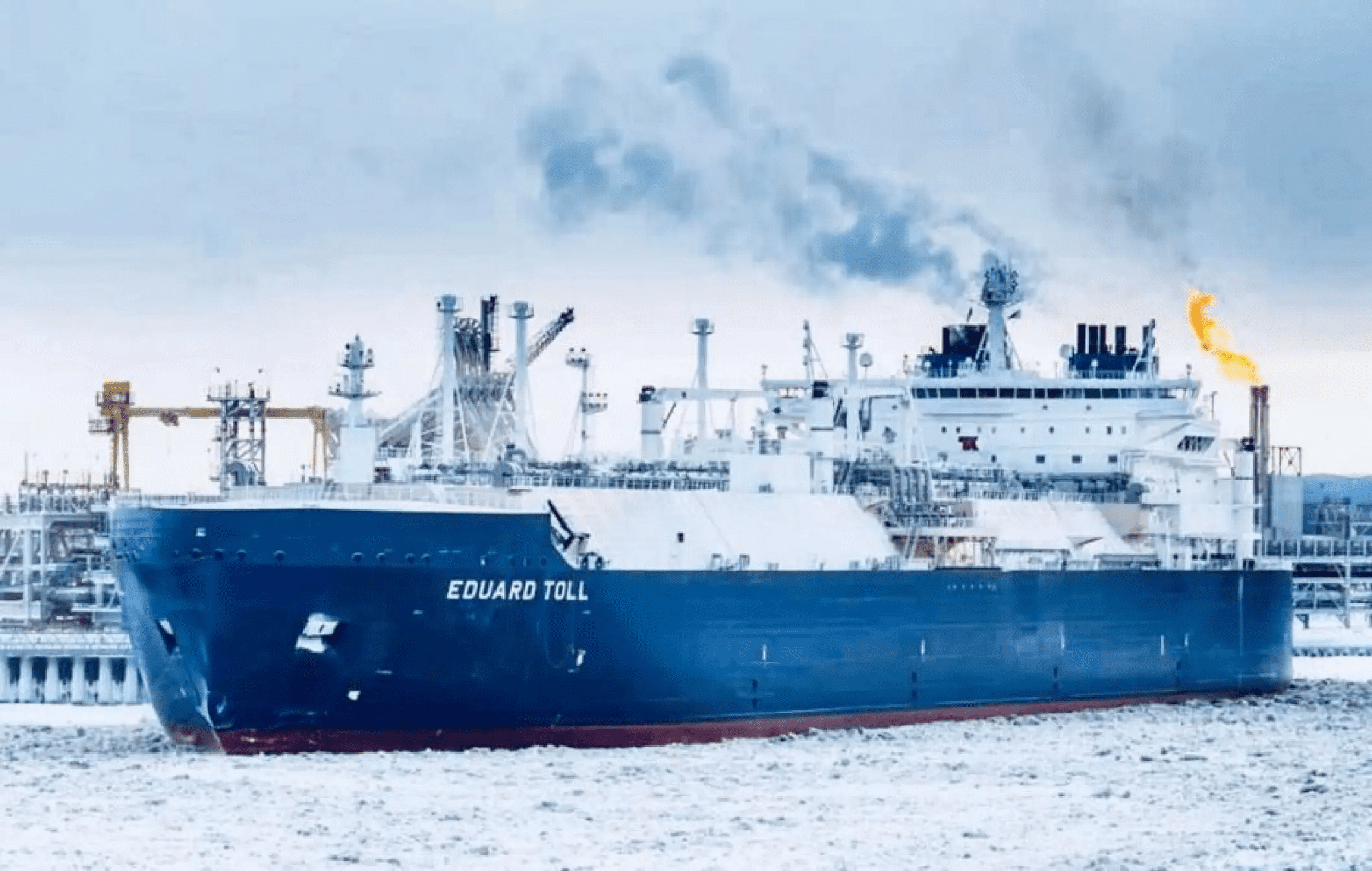
European Union imports of Russian Arctic liquefied natural gas from the Yamal LNG project hit a record high in the first four months of 2026, despite the bloc introducing measures intended to curb purchases of Russian fuel.
The EU imported 6.69 million metric tonnes of LNG from the Russian Arctic project between January and April, up 17.2% from the same period a year earlier, according to analysis of Kpler shipment data published on Friday by environmental group Urgewald.
The imports represented 98% of all Yamal LNG cargoes that reached a final destination during the period, underscoring Europe’s continuing role as the main market for Russia’s flagship Arctic gas project more than four years after Moscow’s invasion of Ukraine.
Urgewald estimated that EU countries paid Russia around 3.88 billion euros ($4.4 billion) for the fuel during the January-April period, based on benchmark Dutch TTF gas prices.
The figures highlight how EU efforts to reduce Russian LNG imports have so far had limited effect, even as Brussels gradually tightens restrictions in a piecemeal fashion.
The bloc agreed last year to ban transshipment services for Russian LNG destined for third countries from March 2025, targeting the use of European ports such as Belgium’s Zeebrugge as logistical hubs for Russian Arctic cargoes.
A second measure took effect on April 25 this year, prohibiting imports under new short-term Russian LNG contracts.
But imports have continued to climb, with April deliveries rising 17.1% year-on-year to 1.62 million tonnes. For the three consecutive months, every Yamal LNG cargo that reached a final destination went to Europe, the analysis showed.
“The EU’s ban on LNG imports via short-term contracts is a step forward, but long-term contracts remain the core problem,” Sebastian Rötters, sanctions campaigner at Urgewald, said in a statement.
“As long as these exist, Europe will continue sending money to a Russian gas project that doesn’t have a lucrative future without the EU,” he added.
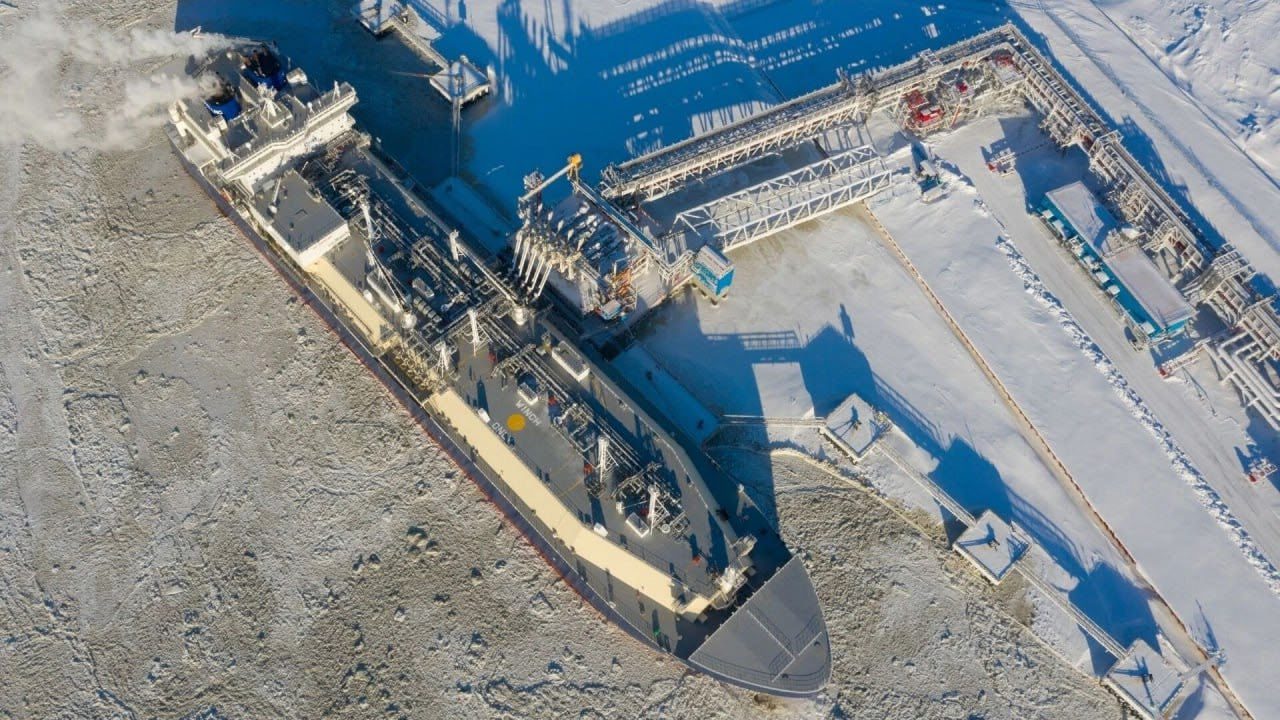
Belgium’s Zeebrugge terminal remained a major entry point. The port received 25 Yamal cargoes between January and April, equivalent to roughly one tanker every 4.8 days.
Analysts say the limited impact of sanctions partly reflects the structure of the Arctic LNG trade. Yamal LNG depends on a small fleet of Arc7 ice-class tankers capable of operating in Arctic waters, with European ports providing critical unloading and logistical support during winter months.
It also remains unclear whether the EU’s short-term contract ban will substantially redirect cargoes to Asia, particularly once the Northern Sea Route across the Arctic opens more fully in late June, allowing faster voyages to China.
Anne-Sophie Corbeau, a specialist in global gas markets, said the initial impact of the restrictions appeared limited.
“The REPowerEU Gas Regulation ban on LNG imports of Russian gas under short-term contracts took effect on 25 April 2026,” she said.
“It has been 10 days, and it’s difficult to see a massive impact on where the LNG cargoes loaded at Yamal are going. Two loaded in early April are on their way to Asia; pretty much all the cargoes loaded over the past two weeks are going to Europe.”
Higher European gas prices have also boosted the value of the trade in recent months following the disruptions around the Strait of Hormuz during the Iran conflict.
Russian LNG has remained outside broader EU sanctions on pipeline gas, with several member states arguing the fuel is needed to maintain energy security.

 Join The Club