By John Ainger, Ewa Krukowska and Donato Paolo Mancini
Mar 20, 2026 (Bloomberg) –The European Union is bracing for a protracted energy price shock after Iran crippled a vital Qatar gas plant, raising the prospect of a years-long supply crunch.
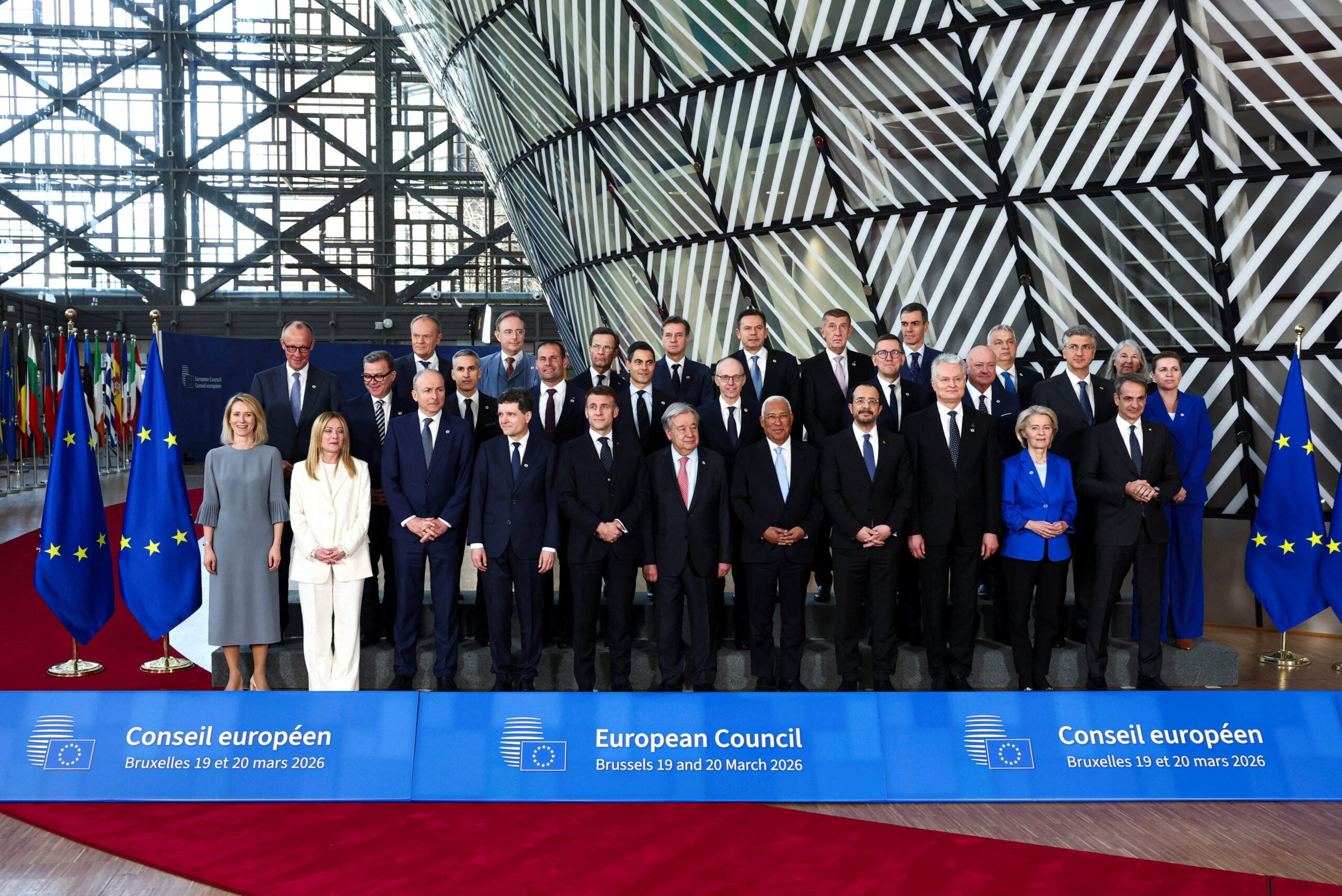
During a summit in Brussels on Thursday, EU leaders expressed anxiety at the darkening economic situation and called for a “moratorium” on strikes against energy facilities in the US and Israeli war with Iran. Inside the room, Italian Prime Minister Giorgia Meloni warned that the energy situation is serious, according to people familiar with the matter.
“All countries will be negatively influenced if the situation continues,” Cypriot President Nikos Christodoulides said in an interview with Bloomberg Television Friday. “If we don’t deescalate, we don’t know how the situation will develop, and for sure, the repercussions are going to be serious in all aspects of the economy.”
Gas prices on Thursday surged to levels not seen in three years, while the European Central Bank said a prolonged disruption would push euro-zone inflation to 6.3% and trigger a brief recession. Already, the price hikes have added €7 billion ($8.1 billion) to Europe’s energy bills over the past two weeks, according to the European Commission, the EU’s executive arm.
The dire outlook is poorly timed, given the continent is just starting to address its low growth and problematic links to the US and China. These plans are all contingent on cutting Europe’s energy prices, which are several times above what competitors pay — not including the Iran war price shock.
Thursday’s events only offered a reminder of how exposed the continent remains to global markets, and how few tools the EU has to do something about it in the short-term.
“This is an absolutely worrisome situation,” Eurogroup President Kyriakos Pierrakakis told reporters before joining the EU leaders. “We’re absolutely discussing all scenarios, the better ones, or the worst ones.”
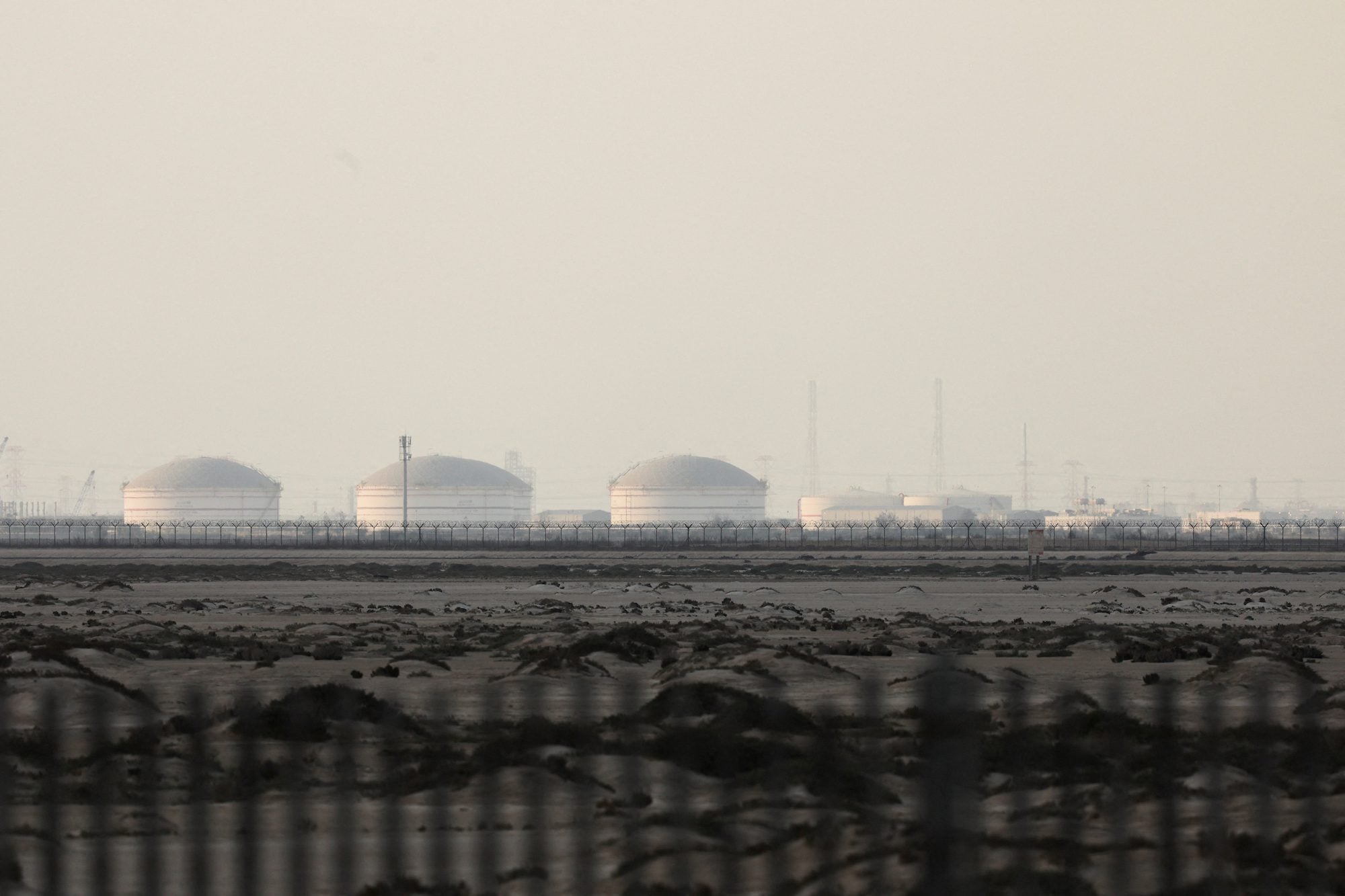
The latest energy price rally stemmed from an Iranian missile strike on the Ras Laffan complex in Qatar, which caused extensive damage to the world’s largest liquefied natural gas plant. Two facilities that produce 17% of the country’s LNG exports, or about 13 millions tons a year, were affected and it will take three to five years to repair them, QatarEnergy Chief Executive Officer Saad al-Kaabi told Reuters.
“If production capacities themselves are destroyed, there will be a much more lasting impact from this war,” French President Emmanuel Macron said Thursday.
Read more: From Food to Petrol, Europe Seeks to Tame Iran Price Shock
The EU’s Oil Coordination Group, which includes representatives from the bloc’s countries, revealed deepening concern at its own meeting.
Since the start of the US-Israeli attacks on Iran, officials have been saying that the crisis in the Middle East would affect prices, but not threaten supplies. On Thursday, the group acknowledged for the first time that it may soon need to reconsider that view.
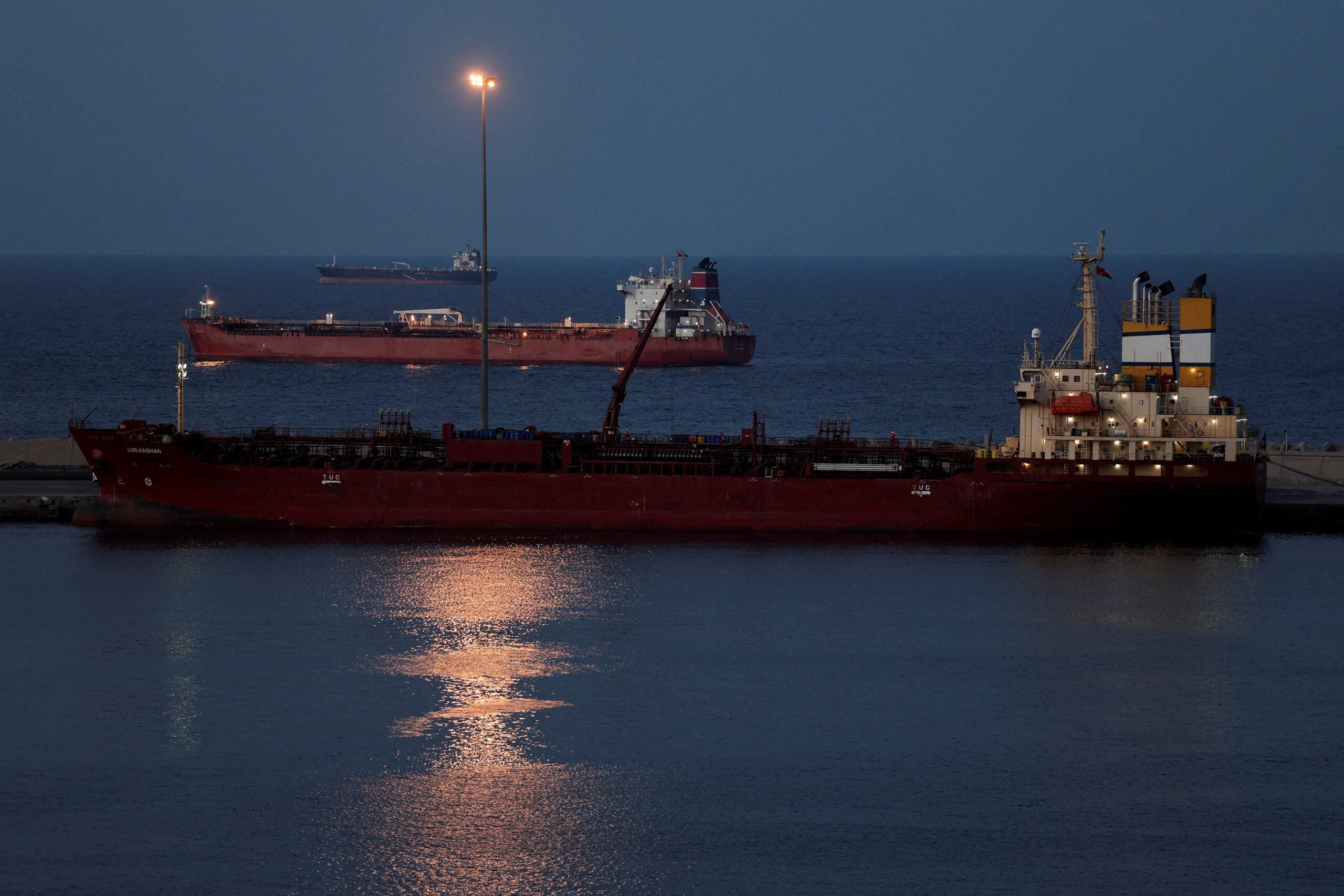
“In case of a prolonged disruption of energy flows through the Strait of Hormuz, the EU’s security of oil supply will be reassessed,” a readout of the meeting said. Special attention is being paid to supplies of diesel and jet fuel — where the EU’s reliance is higher — it added.
At the summit, EU leaders called for the bloc’s executive arm to urgently present targeted, temporary measures to address the price spikes in fossil fuel imports. Yet the expected options come with drawbacks. Member states could choose, for example, to cut taxes on electricity, but that risks a significant fiscal hit for countries already struggling with high deficits.
A group of 10 EU nations including Italy and Poland have also proposed diluting the bloc’s emissions trading system, which puts a cost on carbon pollution, to help ease the burden on industry. Yet that would sacrifice important revenues, as well as hamper an incentive to invest in renewables, which officials argue offer a longer-term solution to lower energy prices.
Cyprus’s Christodoulides said that any measures to contain energy prices would need to be “tailor-made, targeted and temporary.”
In their final conclusions, leaders pressed the commission to propose by July a broader review of the emission trading system, which imposes pollution curbs on around 10,000 facilities owned by power producers and manufacturers.
“We are not calling the ETS into question,” said German Chancellor Friedrich Merz. “These are merely adjustments, and, at their core, not fundamental changes.”
Read More: EU to Propose ‘ETS Booster’ With €30B Budget: Von Der Leyen
Meanwhile, the economic warnings are getting louder with the crucial Strait of Hormuz all but closed due to Iranian threats, upending global supply chains. The key question is how long the war will last, and how quickly the key passageway will open once it concludes.
The World Trade Organization issued a warning Thursday that global merchandise flows face a deeper slowdown if the war keeps energy prices high for a sustained period. That scenario would also shave 0.5 percentage points off the 2026 goods forecast and knock 0.7 percentage points off the services trade outlook, it said.
That came several days after the EU’s economy chief, Valdis Dombrovskis, told the bloc’s finance ministers that a prolonged energy price spike would dent 2026 economic growth by as much as 0.4 percentage points, a considerable drop from the forecasted 1.4% pace.
Read More: EU Warns Iran Conflict Could Push Bloc’s Inflation Above 3%
Speaking in Frankfurt on Thursday, ECB chief Christine Lagarde cautioned governments not to go overboard with economic interventions just yet.
“Any fiscal responses to the energy price shock should be temporary, targeted and tailored,” she said.
© 2026 Bloomberg L.P.
Editorial Standards · Corrections · About gCaptain
This article contains reporting from Bloomberg, published under license.

 Join The Club