Equinor has officially moved into the drilling phase of its massive Raia gas development offshore Brazil, marking a key step forward for one of the country’s most strategically important energy projects.
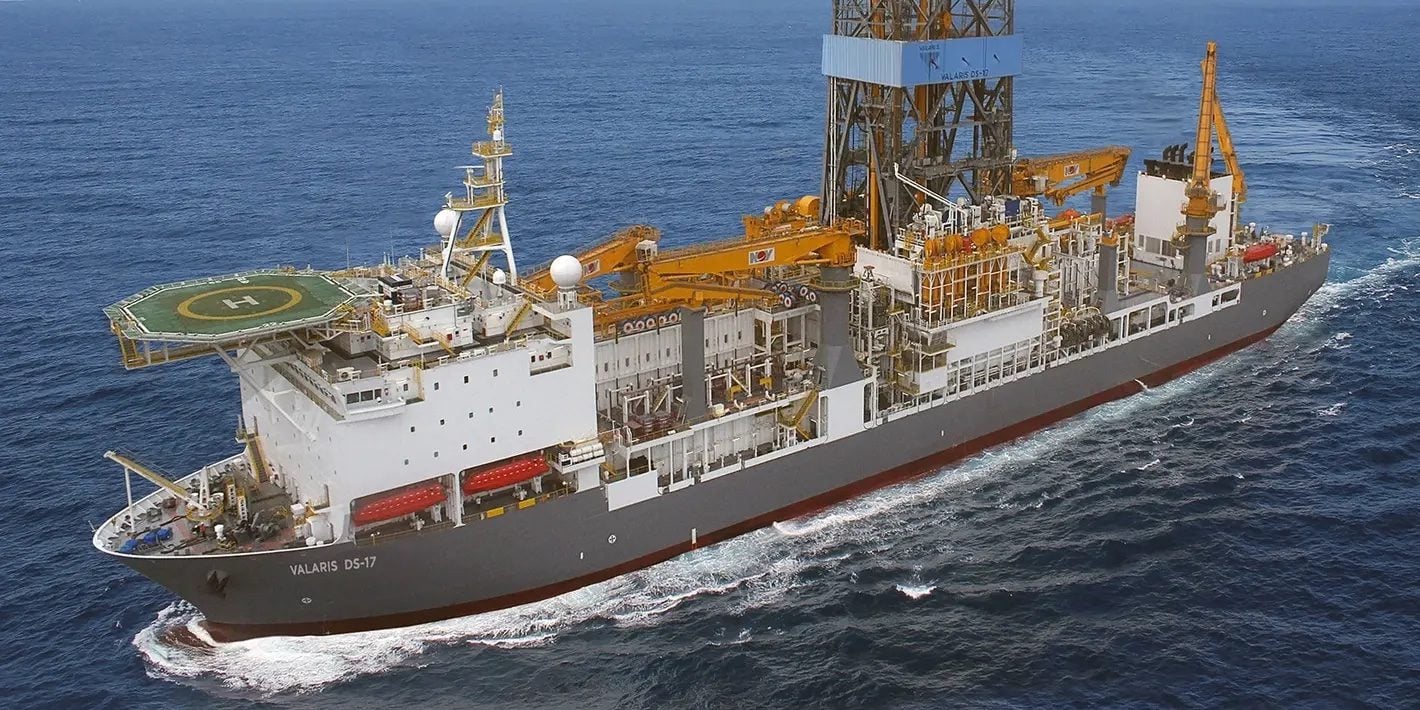
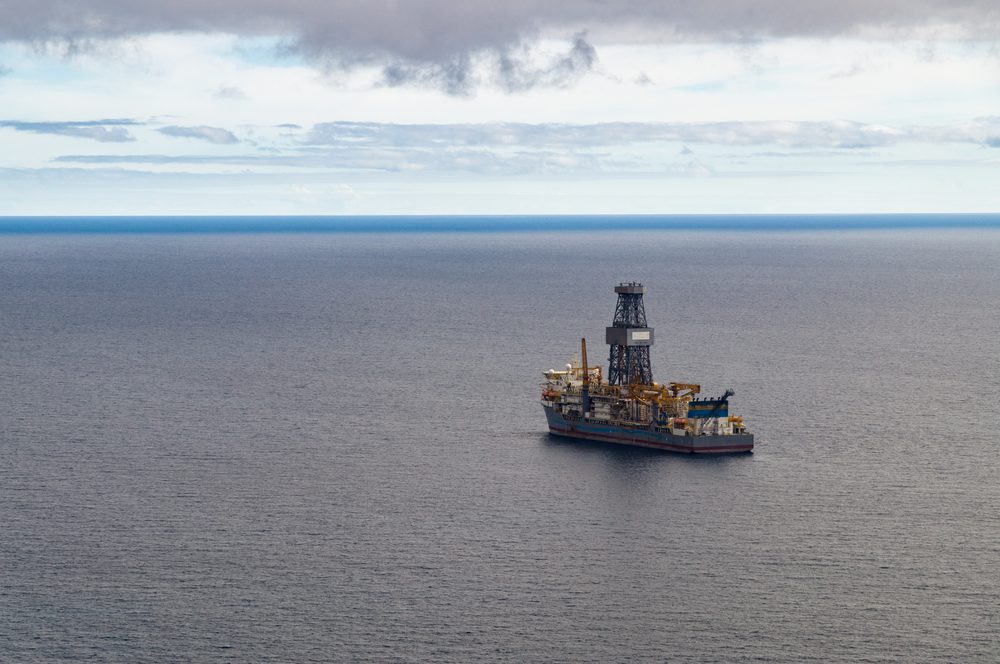
The Valaris DS-17 drillship began operations on March 24 in the pre-salt Campos Basin, about 200 kilometers off the coast, where water depths reach roughly 2,900 meters—making it the deepest water project currently in Equinor’s portfolio.
The campaign will include six wells and underpins a development expected to unlock more than 1 billion barrels of oil equivalent in recoverable gas and condensate. Once online, Raia is projected to export up to 16 million cubic meters of natural gas per day—enough to meet around 15% of Brazil’s anticipated demand by 2028.
Operated by Equinor with a 35% stake, the project is being developed alongside Repsol Sinopec Brasil (35%) and Petrobras (30%), combining decades of deepwater experience in Brazil’s prolific pre-salt fields. The same drillship previously worked on the Bacalhau field, another major offshore development.
“Raia is Equinor’s largest project under execution and marks the deepest water depth operation in our portfolio,” said Geir Tungesvik, Equinor’s EVP for Projects, Drilling and Procurement. “While drilling takes place, integration and commissioning activities on the FPSO are progressing well, putting us on track for a safe start of operations in 2028.”
The development will center on a floating production, storage and offloading unit (FPSO) with a processing capacity of about 126,000 barrels per day of oil and condensate. Gas will be exported via a 200-kilometer pipeline to Cabiúnas in Rio de Janeiro state—linking offshore production directly into Brazil’s domestic energy network.
At roughly $9 billion, Raia represents Equinor’s largest international investment to date and a cornerstone of its long-term production growth strategy. The company is also positioning the project as a lower-emissions development, with estimated CO? intensity of around 6 kg per barrel of oil equivalent—well below the current industry average.
Beyond energy supply, the project is expected to generate up to 50,000 direct and indirect jobs over its 30-year lifespan, reinforcing its significance not just for Equinor’s portfolio, but for Brazil’s broader energy security and economic outlook.
With drilling now underway and topside integration progressing, Raia is moving from blueprint to execution—at a time when global gas markets remain tightly balanced and demand for reliable supply continues to rise.
Editorial Standards · Corrections · About gCaptain

 Join The Club