The Danish shipyard Fayard is set to remain a critical service hub for Russia’s Arctic LNG trade through at least one more summer, even as European sanctions tighten and other Western shipyards withdraw from the business.
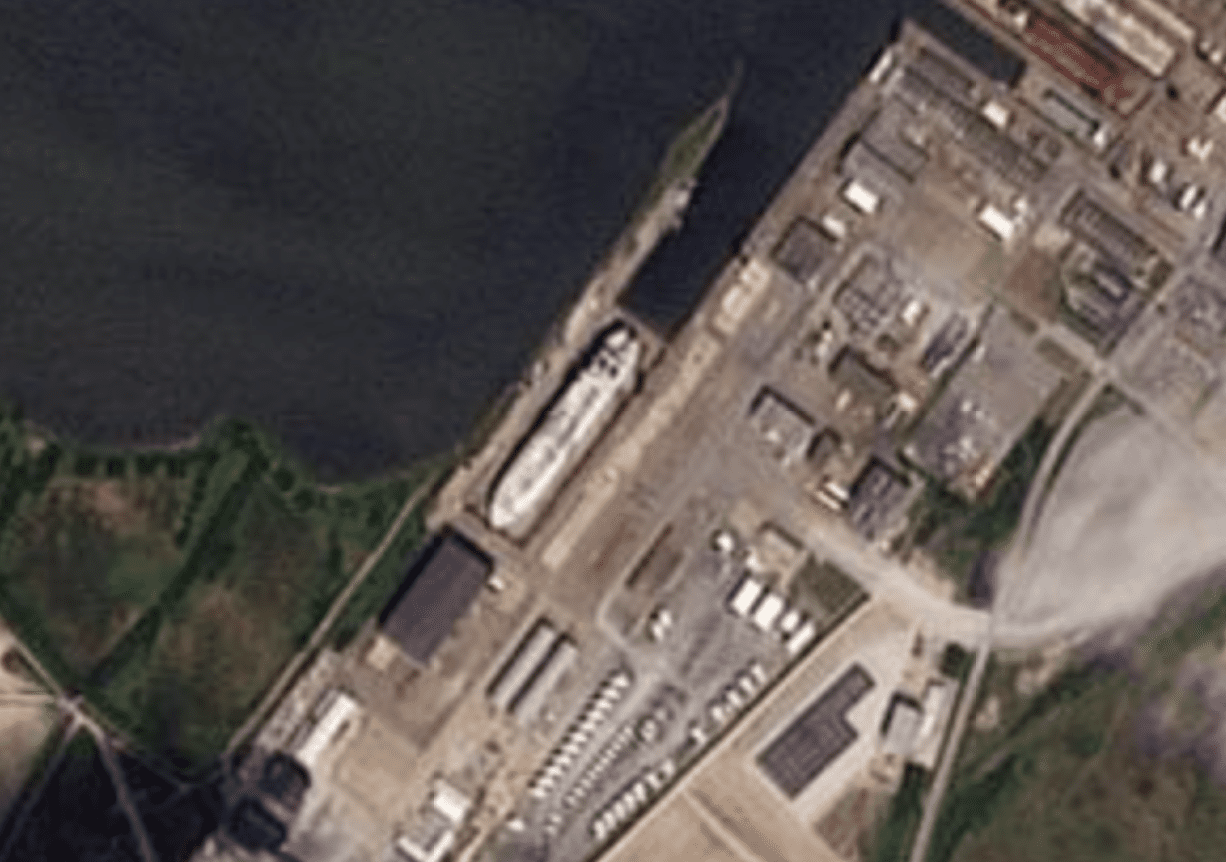
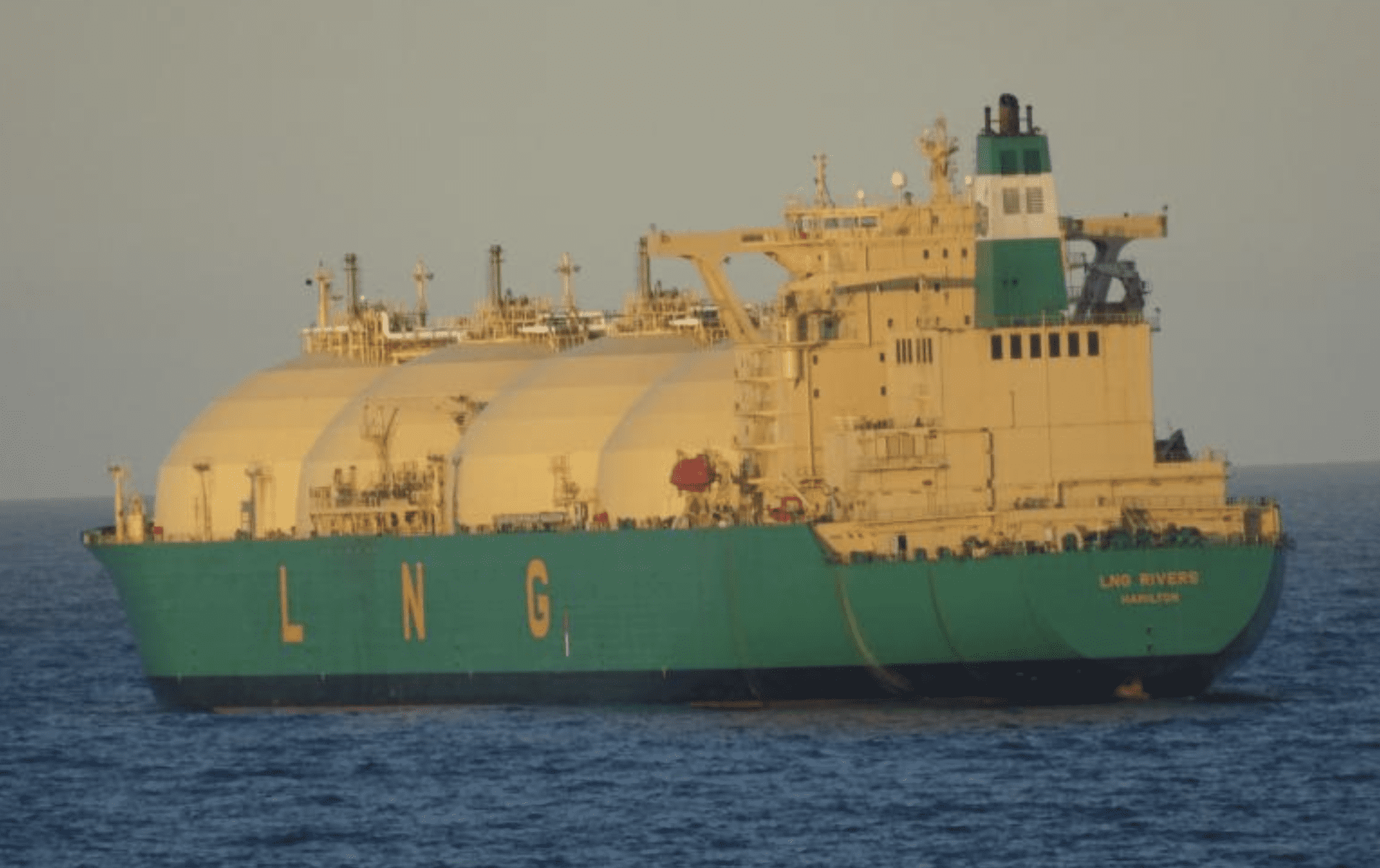
According to new analysis by German advocacy group Urgewald, as many as six Arc7 icebreaking LNG carriers serving Russia’s Yamal LNG project could require dry dock maintenance at Fayard’s facility in Odense this year. The estimate is based on the vessels’ historical repair cycles and follows a year in which five Yamal-linked Arc7 carriers underwent servicing at the Danish yard.
The development further cements Fayard’s position as the last remaining European shipyard willing to service the specialized fleet after Dutch-owned Damen Shiprepair Brest in France decided to halt work on Russian LNG carriers.
“The Damen Shipyard has already stepped away from this work. Fayard and the Andersen family should stop benefitting from this business,” said Alexander Kirk, sanctions campaigner at Urgewald. “This is not routine ship repair. Every Arc7 tanker serviced in Denmark could help prolong Russian Arctic LNG exports for years and send millions more back to the Kremlin.”
The 15-vessel Arc7 fleet is the logistical backbone of the Yamal LNG project on Russia’s Arctic coast. Built to operate independently through thick sea ice, the vessels transport cargoes from Yamal to European import terminals and transshipment hubs. Since Russia’s full-scale invasion of Ukraine, European shipyards have remained an important part of keeping the fleet operational, despite growing political scrutiny.
Fayard argues that its activities remain fully compliant with existing EU regulations. The company has stated that servicing the vessels supports maritime safety and aligns with current European policy, which still permits Yamal LNG deliveries to Europe until new restrictions take effect in 2027.
However, the long-term outlook for the fleet is becoming increasingly uncertain.
Beginning on January 1, 2027, the European Union’s latest sanctions package will prohibit a range of maritime services for LNG vessels operating from Russia. The measures coincide with the EU’s broader effort to eliminate Russian gas imports and will significantly complicate access to European maintenance, technical support, and spare parts. The United Kingdom has also introduced its own maritime services restrictions targeting ships involved in Russian energy exports.
The sanctions create a strategic dilemma for the fleet’s Western operators.
Several Arc7 vessels are managed by Glasgow-based Seapeak Maritime, while others are linked to the Greek shipping company Dynagas. Together, the two operators have played a central role in transporting Yamal LNG to European markets. Yet once EU imports of Russian LNG begin winding down and maritime services restrictions take full effect, the commercial rationale for continued investment in the fleet may weaken considerably.
That leaves operators facing difficult choices. They could divest the vessels before sanctions fully bite, potentially selling them to Russian, Middle Eastern, or Asian interests. Alternatively, they may seek to restructure ownership and management arrangements through subsidiaries outside the EU and UK in an effort to preserve the vessels’ role in Yamal LNG exports beyond 2027.
“Fayard should not give Putin’s LNG fleet one last service before the EU closes its ports,” said Vladimir Slivyak, co-founder of Ecodefense. “If these ships are repaired now, they could later fall into Russian hands as pristine, freshly serviced vessels, ready to keep carrying gas for the Kremlin.”
For now, however, the Arc7 fleet remains dependent on European expertise, and Fayard remains the final Western shipyard keeping Russia’s Arctic LNG supply chain afloat.
Editorial Standards · Corrections · About gCaptain

 Join The Club