Updated: February 5, 2026 (Originally published December 2, 2008)
Currently all mariners are familiar with the large full mission ship simulators like the one pictured above. Some have even played with either purpose built or recreational PC based simulators but each of these three types have inherent problems. The full mission simulators are very expensive, the purpose built ones lack realism and the recreational games are mostly avoided because, as professionals performing life critical operations in dangerous environments, we need assurance that game play is true to life. Even the slightest differences in maneuvering characteristics between the game and real life ship handling can make simulated practice detrimental to job performance.
Below is a video I found YouTube. It shows a simulated disaster situation played out on the game Ship Simulator 2008. Like a low budget Hollywood movie it contains numerous errors and I doubt it was produced by a licensed mariner but that’s not the point. This video contains realistic images and sound all produced by game that costs less than $40 US. It also lacks any type of technical simulation that might confuse a mariner looking to prepare for a sea watch. What it does contain is a real life threat to vessel safety, the dynamic between watch standers and the master. And the game is fun!
.
Until the game makers have funding to obtain regulatory approval or the industry commissions game developers to produce one of their own, Ship Simulator 2008, will not be the replacement for time consuming trips to expensive training facilities. Let’s not let this problem stop us.
Recruitment
Ask the US Navy what has been the best recruiting device of the past 20 years and they will tell you it’s the movie Top Gun. Maritime Academies, Seafarer Organizations and Companies themselves do not have the budget or will to produce a Hollywood blockbuster but they can certainly sponsor game play and interact with young participants. The US Army does this today with great success the NYTimes has endorsed the solution for Tall Ship training, why can’t we? Getting young minds engaged and excited should be our first step in solving the manning crisis. Offering this type of gaming in a regulated and structured environment would have the benefit of assuring that players are learning lessons from the game play.
Non-Technical Training
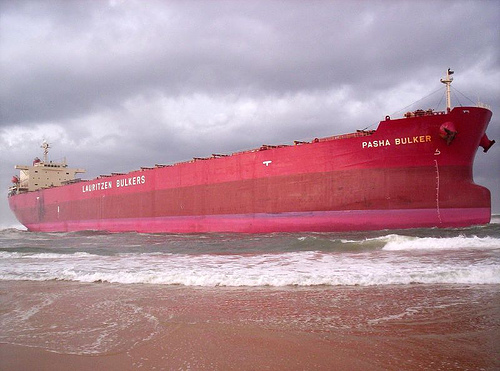
Full mission simulators and manned ship models are likely the only solution to technical skills like ship handling and dynamic positioning but lack of skill is not the industry’s largest problem. The vast majority of large casualties are attributed to human error and the error chain leading up to the actual incident. The Titanic, Exxon Valdez and more recently the Pasha Bulker, Empress Of The North and Cosco Busan all suffered casualties due to the dynamic of trust between the Master (or pilot) and the watshstanders. Let’s use this game to promote not just Bridge Team Management but the relationship of power on the bridge and other common pitfalls a mariners experience during the course of their career. Let’s use our collective experience to create real life scenarios mimicking those watches when you had to make a difficult decision then allow our fellow mariner to face your nightmare on the simulator. The best and worst outcomes could easily be shared online for comments and viewing.
What Do You Think?
Have and idea for creative training opportunities that speak to the problems faced by watchstanders on the Pasha Bulker, Empress Of The North, Cosco Busan or the wide array of other recent incidents? Share them with us in the comments below.
Purchase Ship Simulator 2008, record your own scenario and post it to our forum. Be sure to ask the hard questions.
How would you handle the scenario in the video below?
By Owen Palmiotti (Coeval, Inc.)…I may have been in diapers when I first learned about communicating. Back then, I was most likely talking to my brother about which crayon tasted...
Bremerhaven police have confirmed the death this morning of a 52 year old crane operator who was loading and unloading containers on Wednesday night from the Maersk Kerachi when one of...
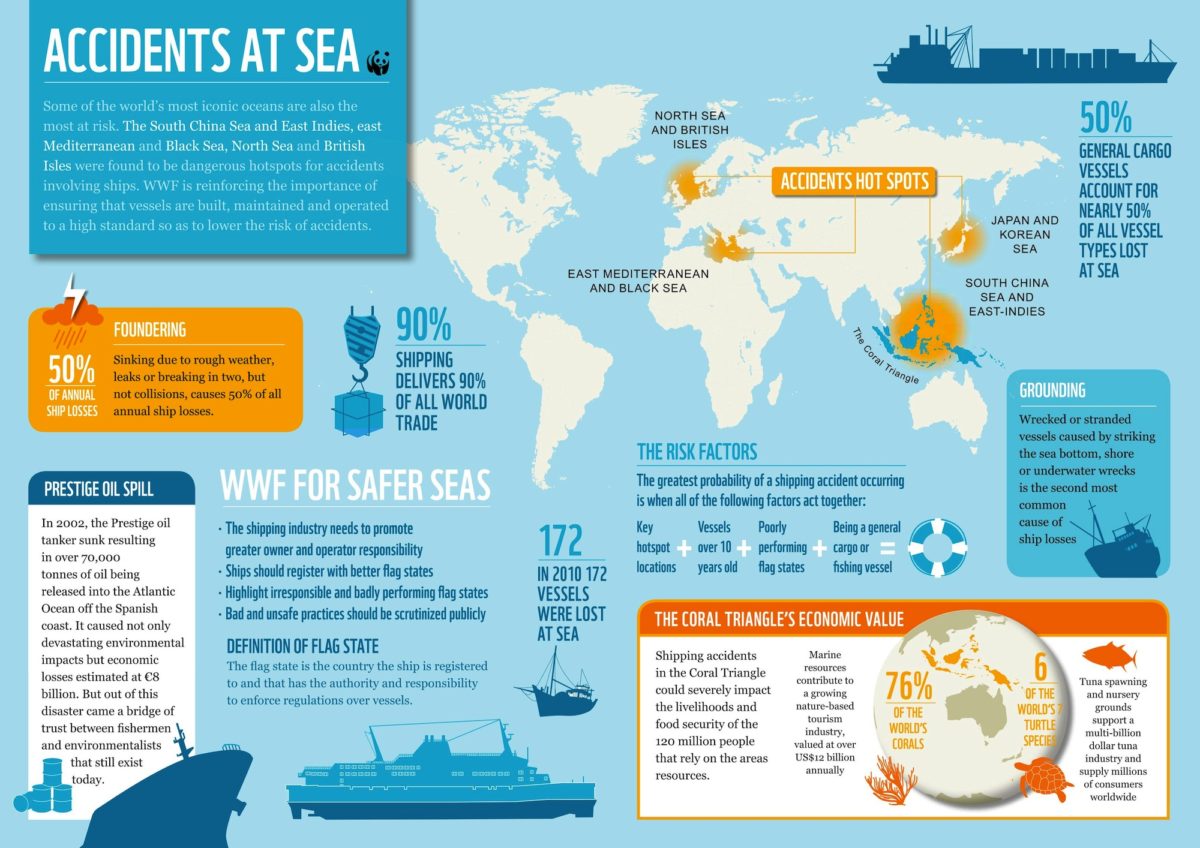
[INFOGRAPHIC] The South China Sea and East Indies, east Mediterranean and Black Sea, North Sea and British Isles are the world's most dangerous hotspots for ship accidents, according to a new study.
June 17, 2013
Total Views: 508
Get The Industry’s Go-To News
Subscribe to gCaptain Daily and stay informed with the latest global maritime and offshore news
— just like 107,255 professionals
Secure Your Spot
on the gCaptain Crew
Stay informed with the latest maritime and offshore news, delivered daily straight to your inbox
— trusted by our 107,255 members
Your Gateway to the Maritime World!
Essential news coupled with the finest maritime content sourced from across the globe.

 Join The Club




 . It also lacks any type of technical simulation that might confuse a mariner looking to prepare for a sea watch. What it does contain is a real life threat to vessel safety, the dynamic between watch standers and the master. And the game is fun!