Coast Guard Issues Dual RFI for Rapid-Build Domestic Icebreakers
The U.S. Coast Guard has issued two parallel Requests for Information targeting a comprehensive modernization of its aging domestic icebreaking fleet, seeking vessel designs from U.S. and allied ship shipbuilders that can be built and launched within just 24 months of contract award.
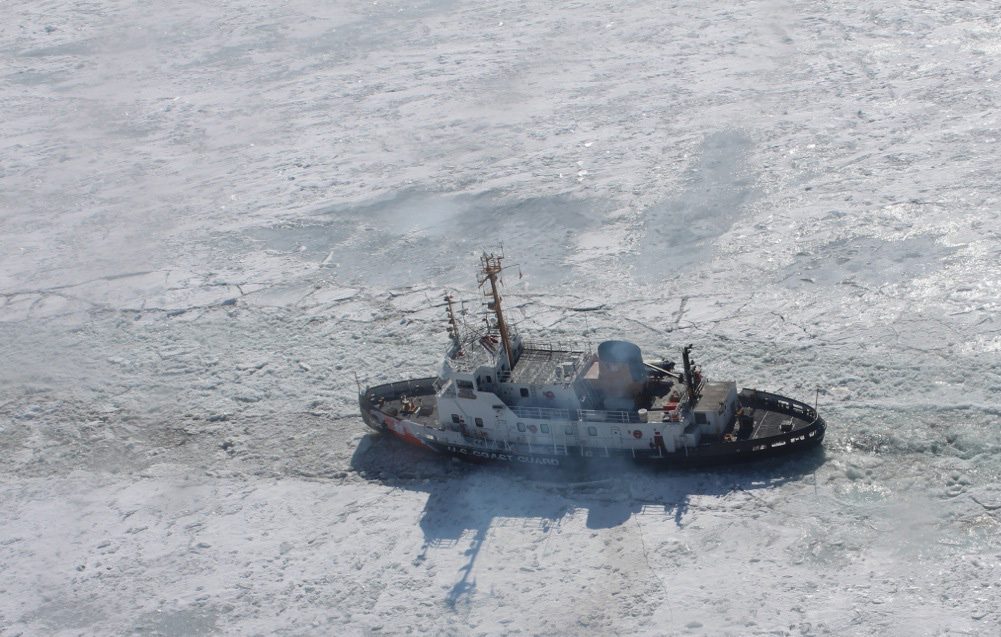
The initiative, split between medium and light icebreaker programs, aims to replace the Coast Guard’s aging 140-foot and 65-foot icebreakers with new Homeland Security Cutters designed to keep America’s waterways “open, safe, and secure” while facilitating $5.4 trillion annually in maritime commerce.
Medium Icebreakers for Great Lakes Operations
The Homeland Security Cutter – Medium Icebreakers program seeks to recapitalize the existing 140-foot WTGB fleet, which facilitates safe navigation and commerce on the Great Lakes and in the Northeast. The RFI specifies vessels up to 140 feet in length with a draft of 14 feet or less, capable of independently breaking freshwater ice at least 22 inches thick at a continuous speed of three knots.
These vessels must maintain seven days of unreplenished icebreaking operations with 19 crew members, including fuel, potable water, sewage, greywater, and food.
Light Icebreakers for ATON Support
The companion program targets the 65-foot WYTL fleet replacement, designed specifically to support aids to navigation missions in the Northeast. These smaller vessels, measuring 70 feet or less with a 7-foot draft, must break through 12 inches of freshwater ice at three knots while maintaining three days of endurance with six crewmembers.
Critically, the light icebreakers must also be capable of retrieving, deploying, stowing, transporting, and servicing at least three 5×11-foot buoys with moorings and associated equipment, supported by a crane with 4,500-pound lifting capacity.
Aggressive Timeline, Domestic Focus
The Coast Guard’s RFI emphasizes “recently proven execution and build strategies” while seeking insight into the “capability, capacity, and availability of domestic shipyards” to support construction and launch within 24 months. With potential contract awards targeted for mid-2026, the timeline reflects the urgency of replacing these critical assets.
The initiative extends to both U.S. and allied nation maritime industrial bases, seeking existing or production-ready icebreaking vessel designs.
Broader Arctic Strategy Context
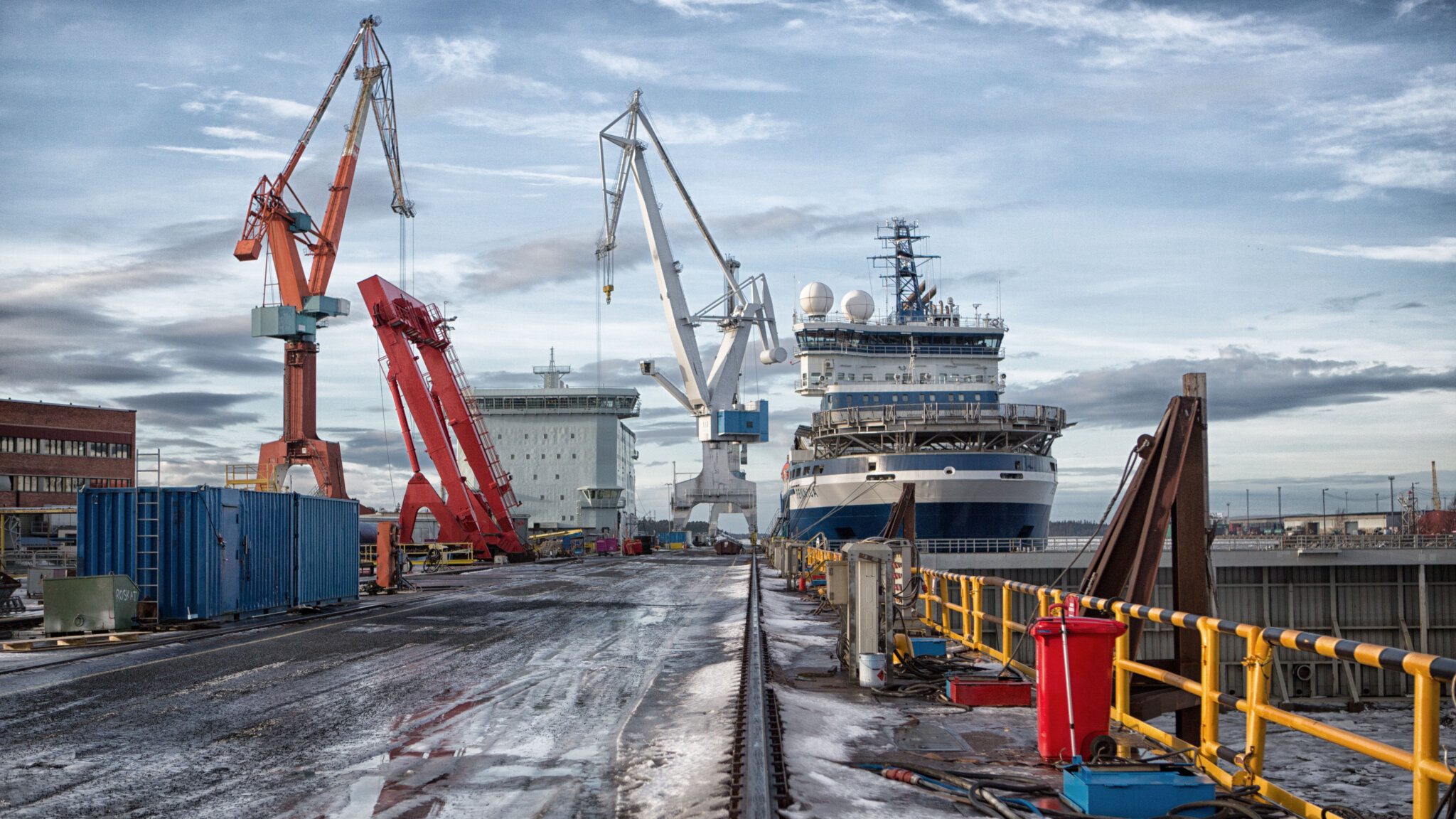
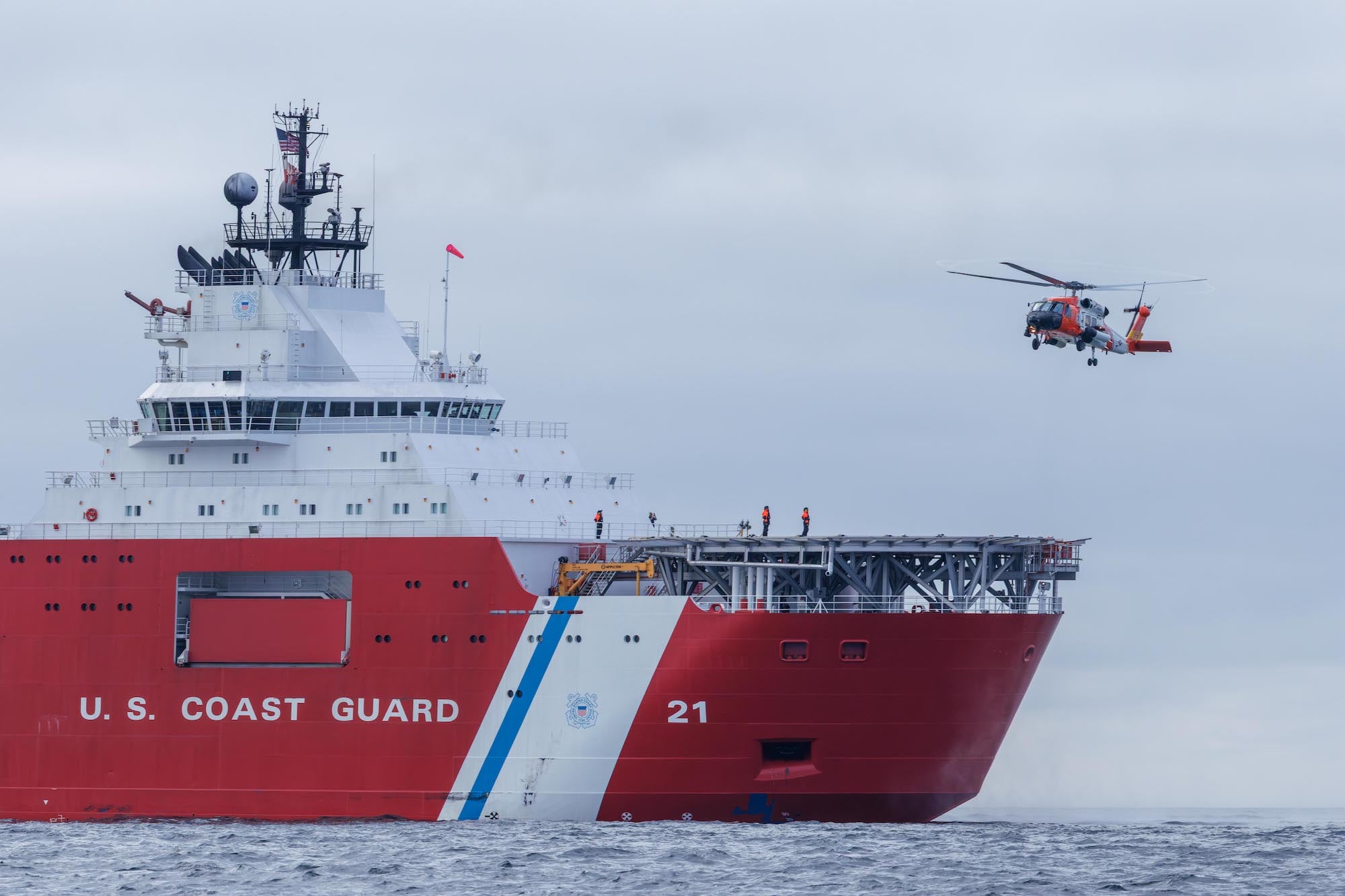
The domestic icebreaker modernization comes amid a broader Coast Guard push to expand Arctic capabilities. Last month, President Trump signed a Presidential Memorandum authorizing construction of up to four Arctic Security Cutters in Finland and seven at domestic shipyards, addressing urgent national security needs in the increasingly contested Arctic region.
That agreement, which invokes presidential authority to permit foreign construction as a national security necessity, includes nearly $9 billion in funding under Trump’s “One Big Beautiful Bill” for building a series of heavy, medium, and light Arctic Security Cutters.
The Act committed $816 million for light and medium Icebreaking Cutters, along with $4.3 billion for Polar Security Cutters and $3.5 billion for three Arctic Security Cutters.
“We need icebreakers in the U.S. And if we can get some inexpensively, I’d like to do that,” President Trump said.
The domestic icebreaker programs were previously consolidated under the Domestic Icebreakers Program but have now been separated into distinct medium and light icebreaker initiatives.

 Join The Club