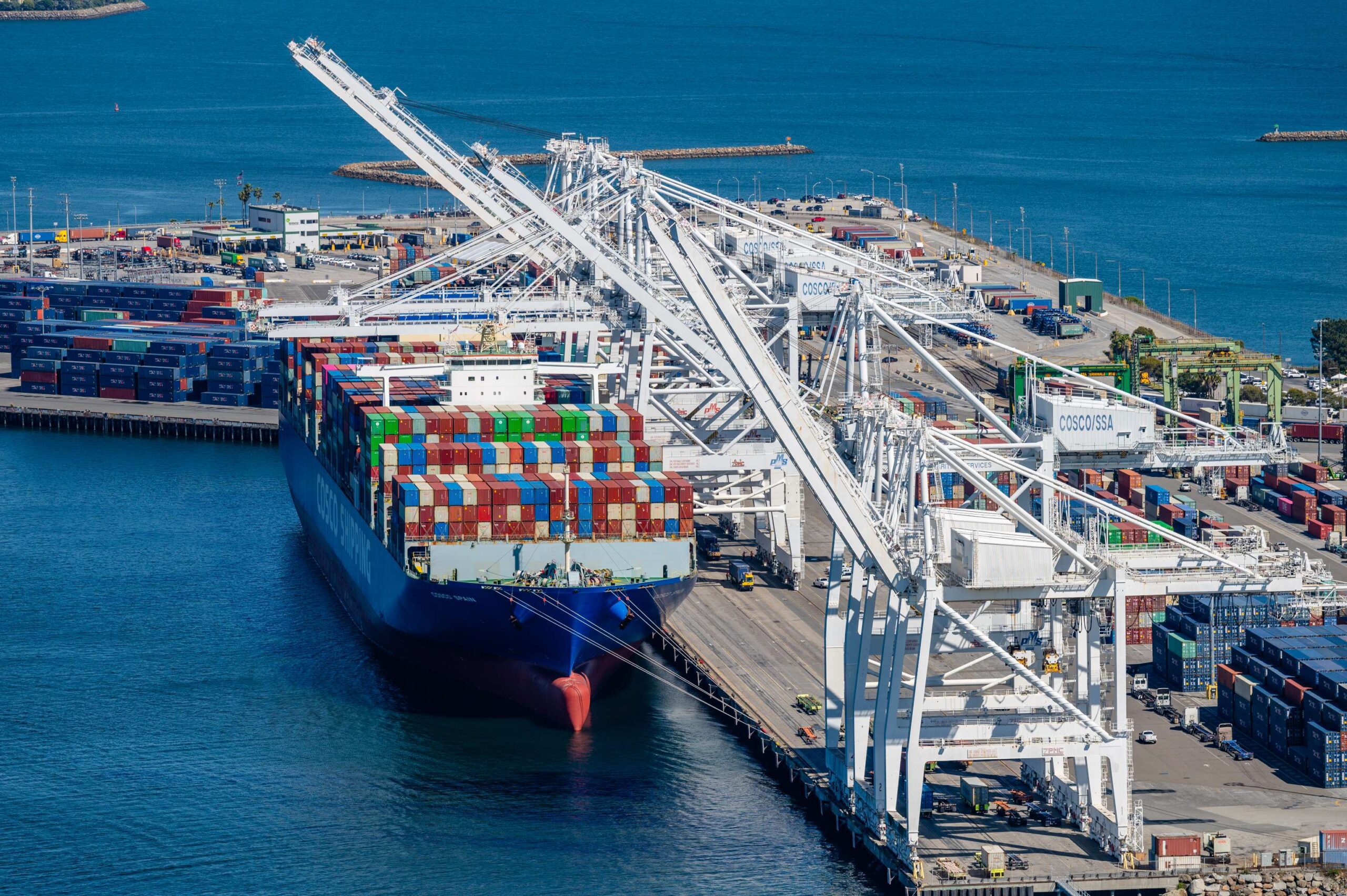
A broad coalition of maritime, agricultural, manufacturing, retail and logistics organizations is urging the Trump administration to permanently suspend U.S. port fees targeting China-linked vessels, warning that reinstating the charges would raise costs for American businesses, hurt exporters and disrupt global supply chains.
In an October 30 letter to U.S. Trade Representative Jamieson Greer, the coalition welcomed the proposed two-month extension of the Section 301 vessel fee suspension through January 9, 2027, but called on Washington to go further and eliminate the charges permanently.
Signatories include the U.S. Chamber of Commerce, National Association of Manufacturers, National Retail Federation, American Farm Bureau Federation, American Association of Port Authorities, International Chamber of Shipping and World Shipping Council, along with hundreds of other trade associations representing businesses that depend on ocean transportation.
The groups argue that reinstating the fees would add another layer of costs to supply chains already struggling with elevated freight rates, equipment availability challenges and uncertainty in global trade.
Because Chinese-built ships account for a significant share of global shipping capacity, the coalition warned that the impact would extend well beyond Chinese shipping companies, affecting vessel deployments and transportation costs for American importers and exporters.
The letter also raised concerns about provisions targeting foreign-built roll-on/roll-off vessels, which could affect shipping companies from U.S. allied nations and disrupt transportation services relied upon by American manufacturers.
For importers, the fees could mean higher transportation surcharges and increased prices for consumer goods and industrial inputs. For exporters, including agricultural producers and manufacturers, the charges could make American products less competitive in overseas markets.
The coalition also challenged the idea that port fees would meaningfully rebuild America’s struggling commercial shipbuilding industry.
The groups argued that the underlying challenges behind China’s dominance, including limited U.S. shipbuilding capacity, workforce shortages and a lack of competitive alternatives, remain unresolved.
Instead, they called for a dedicated long-term shipbuilding strategy backed by sustained investment and commitments from both the public and private sectors.
The World Shipping Council separately submitted comments to USTR, supporting efforts to revitalize American shipbuilding but arguing that sustained legislative measures, government support and workforce development would be more effective than sweeping vessel fees.
The latest industry appeal follows the Trump administration’s October 23 proposal to extend the suspension through January 9, 2027, as Washington and Beijing continue negotiations over China’s dominance of the maritime, logistics and shipbuilding sectors.
The fees were originally imposed in October 2025 before being suspended the following month under a broader U.S.-China trade agreement. The existing suspension is scheduled to expire November 9 unless the proposed extension takes effect.
The push for a permanent suspension comes amid competing pressure from lawmakers and maritime labor unions, which argue that the fees are necessary to counter China’s state-supported shipbuilding industry and encourage investment in American shipyards.
Senators Mark Kelly and Elizabeth Warren have previously urged the administration to reinstate the charges, warning that the suspension undermines efforts to rebuild U.S. commercial shipbuilding capacity.

 Join The Club