Photo: Shutterstock/Volodymyr Kyrylyuk
 Dec 4 (Reuters) – The Baltic Exchange’s main sea freight index tracking rates for ships carrying dry bulk commodities fell for the third consecutive session on Friday on poor demand across nearly all vessel segments.
The overall index, which gauges the cost of shipping cargoes including iron ore, cement, grain, coal and fertilizer, fell 11 points, or 1.92 percent, to 563 points.
The dry cargo shipping industry has been hurt this year by the global commodities meltdown and a wave of ship deliveries, and more vessels are expected to become operational in the coming months.
The Baltic index is seen by investors as an indicator of global industrial activity.
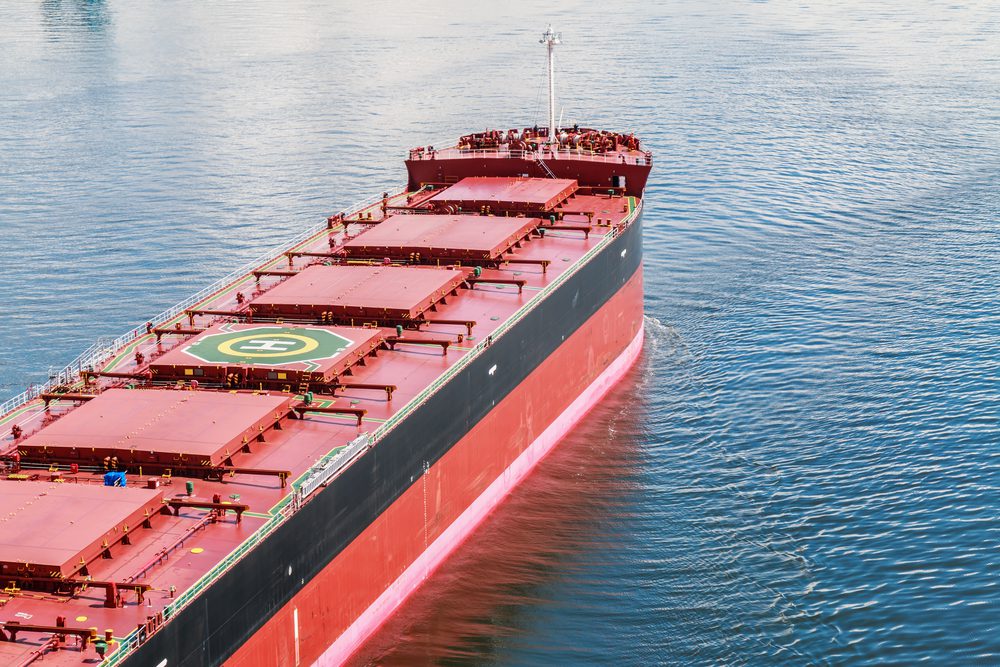
The capesize index fell 41 points, or 4.4 percent, to 890 points as average daily earnings for capesize vessels fell $326 to $7,863. Capesizes typically transport 150,000-tonne cargoes such as iron ore and coal.
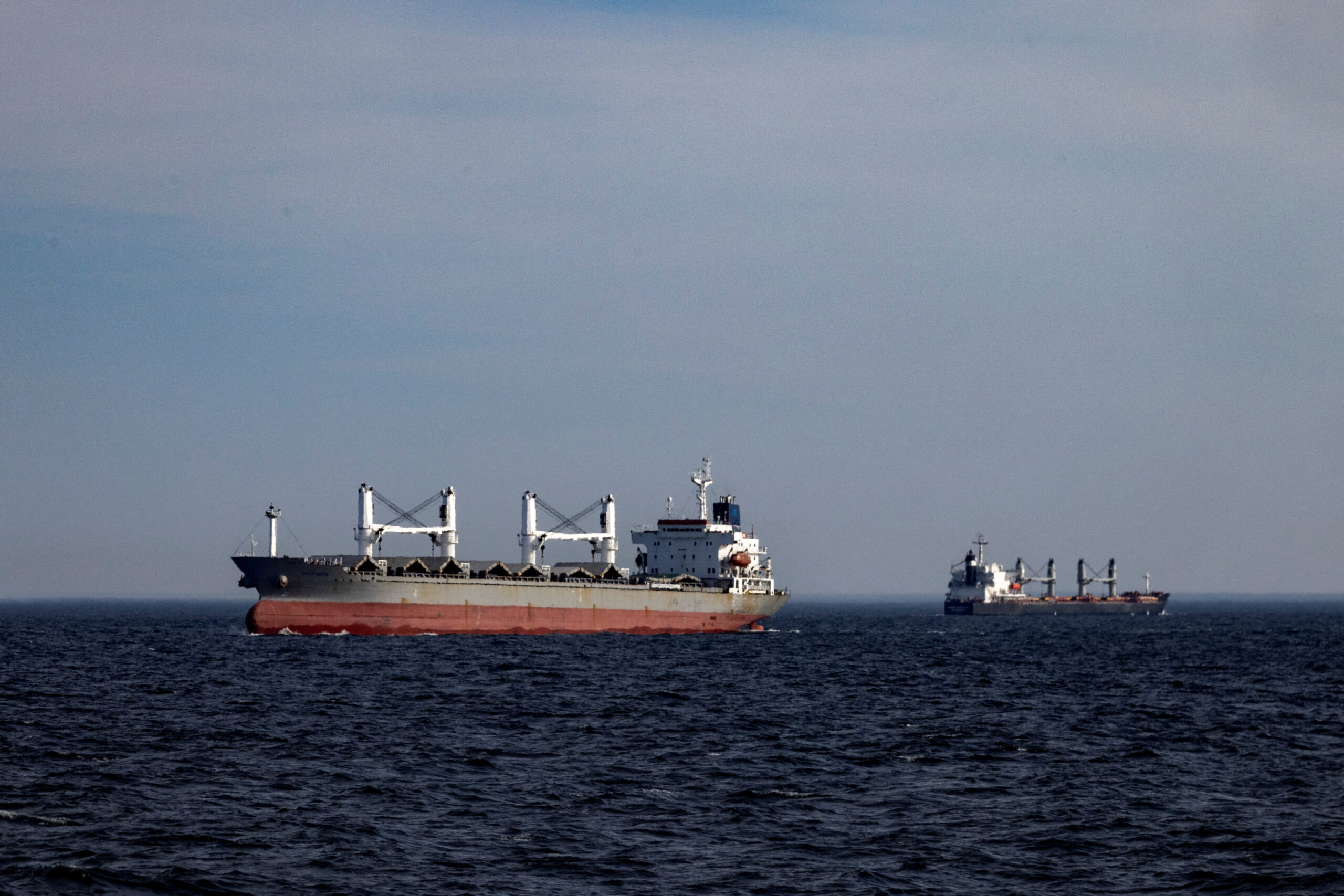
The panamax index, for ships that usually carry coal or grain cargoes of about 60,000 to 70,000 tonnes, dropped five points, or 1.14 percent, to 433 points. Average daily earnings for panamaxes fell by $47 to $3,458.
Among smaller vessels, the handysize index remained unchanged at 286 points, and the supramax index fell one point to 469 points. (Reporting by Nithin Prasad in Bengaluru. Editing by Jane Merriman)
(c) Copyright Thomson Reuters 2015.

 Join The Club