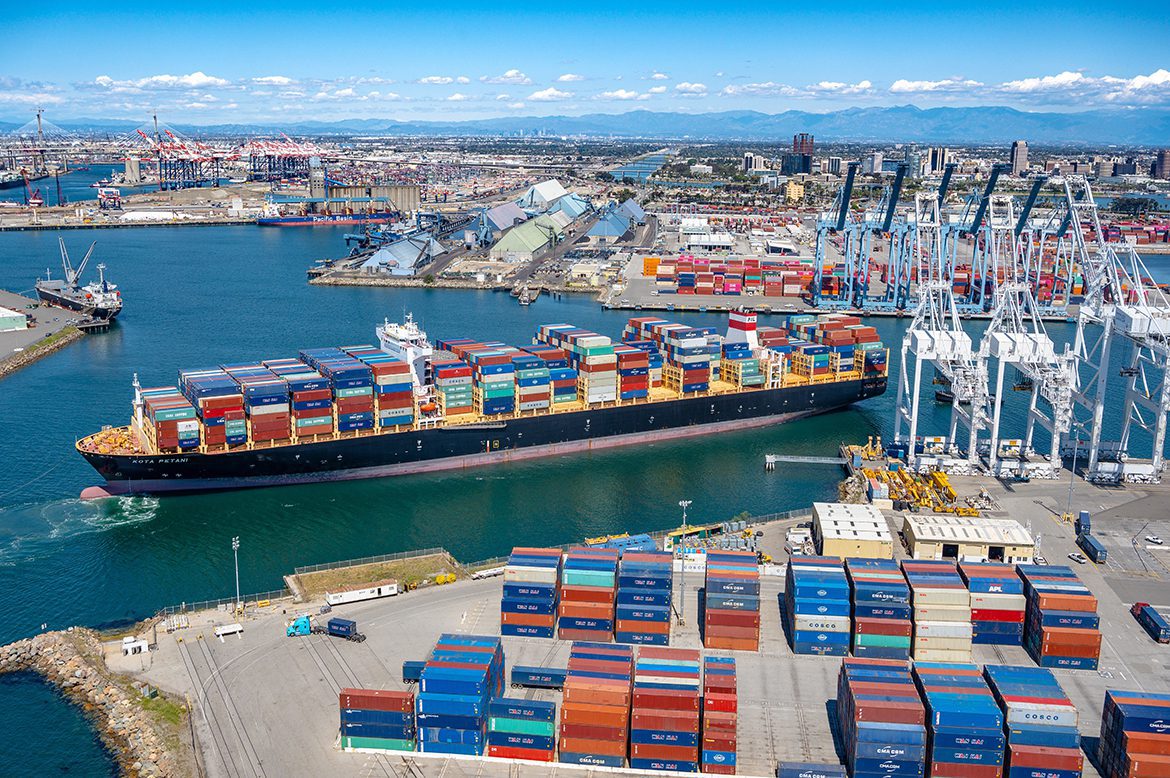
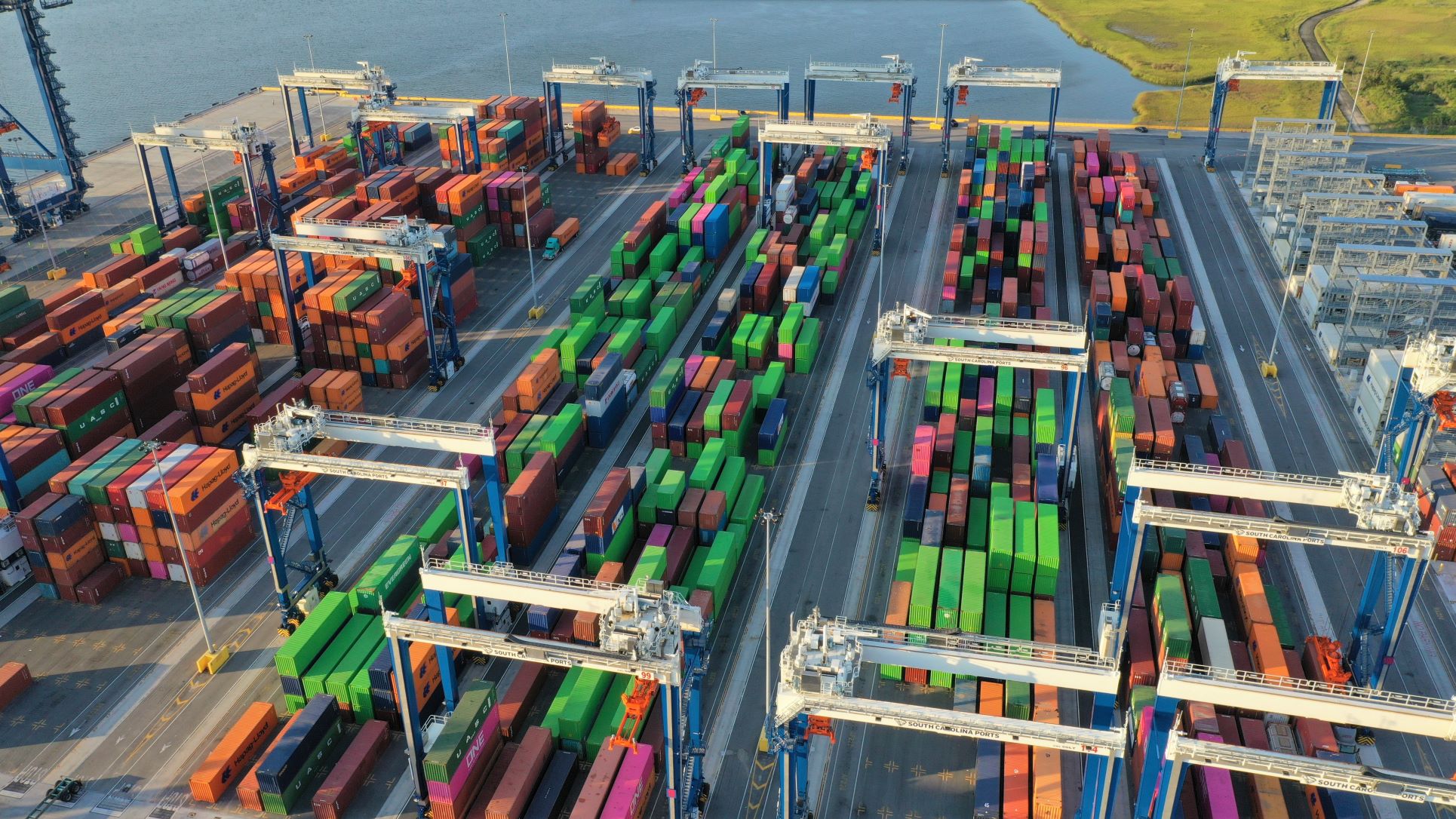
The U.S. government’s first official study on the economic impact of the nation’s marine economy shows that marine-related sectors contributed nearly $400 billion to the overall U.S. GDP in 2019.
The new Marine Economy Satellite Account statistics were released today by the Department of Commerce, marking the first official study of the economic impact of the nation’s “blue economy”, which includes activities such as commercial fishing, shipbuilding, transportation, and recreation.
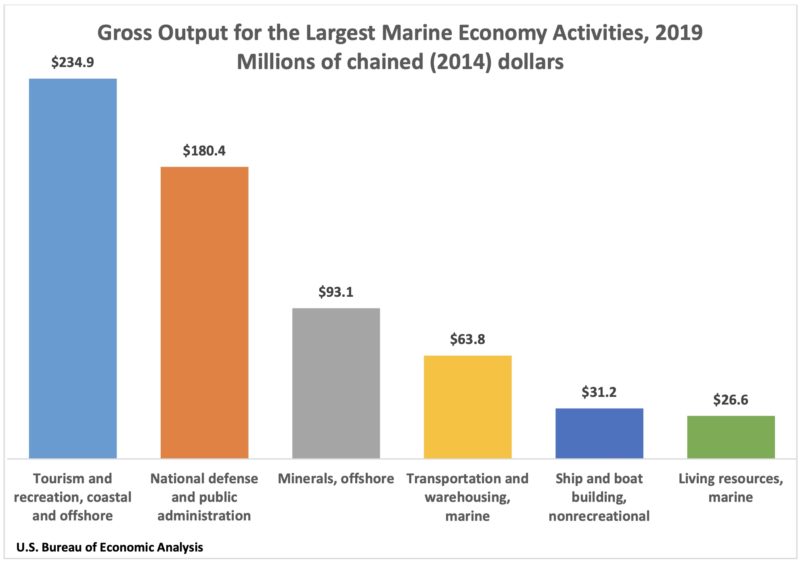
For the study, experts from NOAA and the Bureau of Economic Analysis (BEA) looked at 10 sectors representing businesses dependent on the nation’s oceans, coasts and Great Lakes between the years 2014 and 2019.
The study showed that in 2019 the nation’s marine economy accounted for 1.9%, or $397 billion, of the total U.S. gross domestic product (GDP), while also generating $665.7 billion in sales to businesses and 2.4 million jobs.
“These statistics show how powerful America’s blue economy is as a driver of jobs, innovation and economic growth,” said Ben Friedman, acting NOAA administrator. “This information will assist our nation’s economic recovery by helping policymakers, industry advocates, and organizations track and accelerate investments in target markets.”
In addition, the study showed that the marine economy grew faster than the nation’s economy as a whole. Marine-related GDP grew 4.2% from 2018 to 2019, faster than the 2.2% growth of the total U.S. GDP as measured in inflation-adjusted dollars.
“These statistics are further proof that our waters are vital for America’s economy,” said Nicole LeBoeuf, acting director of NOAA’s National Ocean Service. “It is nearly impossible to go a single day without eating, wearing, or using items that come from or through our ports and coastal communities.”
The Marine Economy Satellite Account statistics improves on data previously released by NOAA and BEA covering 2014-2018, which were were the most comprehensive measurement of the marine economy at the time. The new statistics offer improved national estimates for ocean, coastal, and Great Lakes-related economic activity by major sector, accounting for inflation.
The information is expected to help businesses make investment and hiring decisions and aid U.S., state, and local policymakers.
“America’s strong marine economy is absolutely vital for building back better,” said Secretary of Commerce Gina M. Raimondo. “President Biden sees the immense value and potential of strengthening America’s blue economy, and this administration will continue to take actions to combat the climate crisis, conserve our oceans, and protect our coastal communities.”
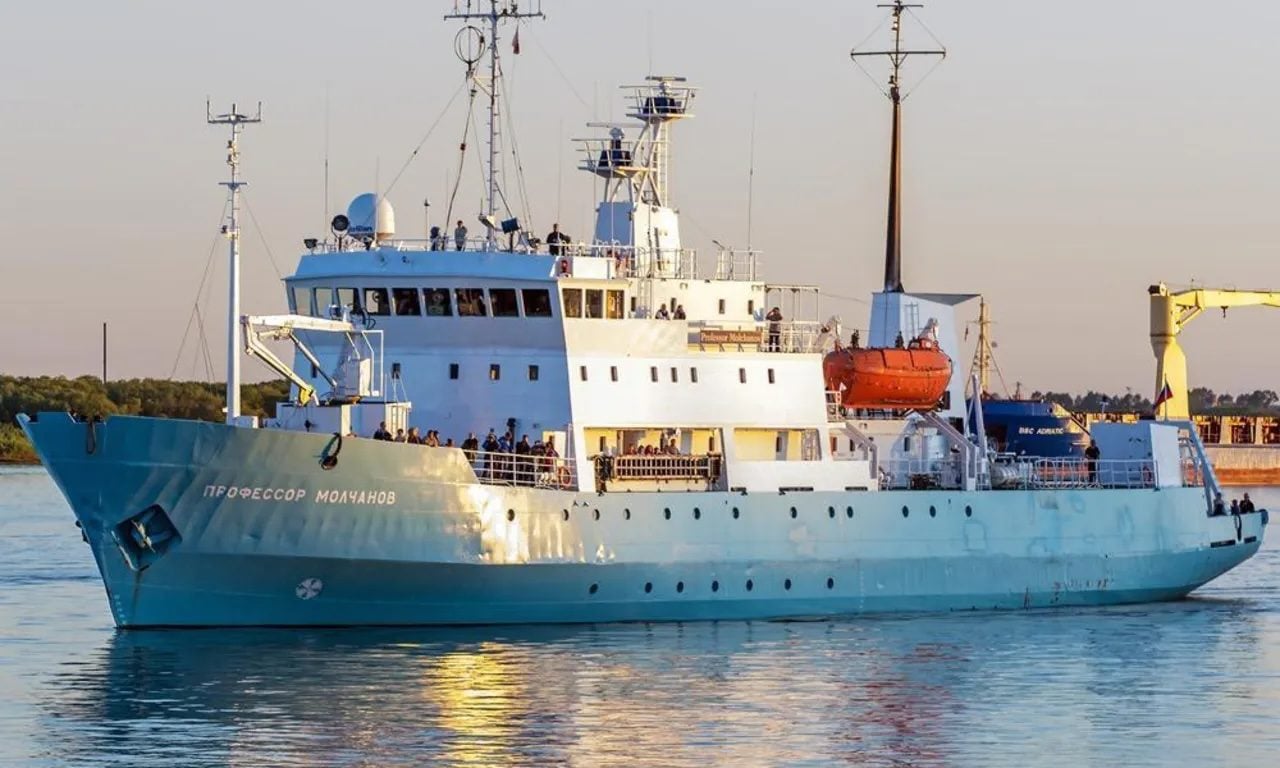
Norwegian authorities have seized a Russian-owned expedition ship in Svalbard at the request of Ukraine’s Naftogaz Group as the company seeks to enforce a $4.22 billion arbitration award against Russia...
A new report from the U.S. Government Accountability Office (GAO) says weaknesses in the Transportation Worker Identification Credential (TWIC) program—including inconsistent communication, incomplete oversight, and delays in deploying biometric card...
South Carolina Ports (SC Ports) will temporarily suspend container operations at its Hugh K. Leatherman Terminal beginning August 1, marking the latest setback for the $1 billion facility that has struggled to gain momentum since opening just over five years ago.
June 29, 2026
Total Views: 2552
Get The Industry’s Go-To News
Subscribe to gCaptain Daily and stay informed with the latest global maritime and offshore news
— just like 107,122 professionals
Secure Your Spot
on the gCaptain Crew
Stay informed with the latest maritime and offshore news, delivered daily straight to your inbox
— trusted by our 107,122 members
Your Gateway to the Maritime World!
Essential news coupled with the finest maritime content sourced from across the globe.

 Join The Club