The USCG has intercepted another DIY Semi-Submersible operated by drug smugglers. CNN tells us:
In the past three months the Coast Guard has learned of more semi-submersible vessels smuggling drugs than it did in the previous six years, when there were 23 cases, officials said.
U.S. Coast Guard intelligence officers predict 85 cases this year and 120 next year.
In some instances, the semi-subs are towed behind other vessels and are scuttled if they are detected, Allen said. Authorities are investigating reports that some semi-subs are unmanned and are operated remotely, he said.
Diplomatic agreements give the U.S. Coast Guard drug-interdiction jurisdiction in partner countries’ waters.
Encounters have become so frequent — and the dangers of boarding the vessels so pronounced — that the Coast Guard is pushing for legislation that would make the use of “unflagged” semi-submersibles in international waters a crime punishable by up to 20 years in prison, even if authorities can’t recover drug evidence because the smugglers scuttle the transports.
“There’s really no legitimate use for a vessel like this,” Allen said.
Despite the cool factor these submarines have one fatal flaw that makes them poor candidates for smuggling efforts. ZeroSix fills us in:
The main problem with real subs is that they are not much more effective than the “semi-submersibles” that are coming out of Colombia (and even Europe). Submarines can only travel underwater, on battery power, for a short time. Otherwise, they are on the surface, or in a “semi-submersible” state, running on diesel power.
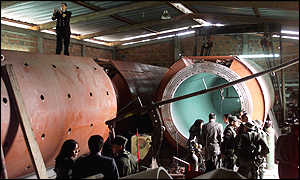
The most stunning failure, however, has to be the 100-foot vessel found inside a Bogota warehouse in 2000. The BBC reported:
Police in Colombia say they have found a half-built submarine in a warehouse in a suburb of the capital Bogota.
Police chief General Luis Ernesto Gilibert said Russian documents were found alongside the partially-completed vessel.
He said the 30 metre (100ft) vessel would have been capable of carrying huge quantities of cocaine or heroin.
He speculated that, once completed, the submarine would have been disassembled and taken by lorry to to Colombia’s Pacific or Caribbean coast.
To learn how to build your own submarine check out SubmarineBoat’s Link Page, just make sure to avoid any large ships during the trial run. A warning this NYC artist most likely ignored.
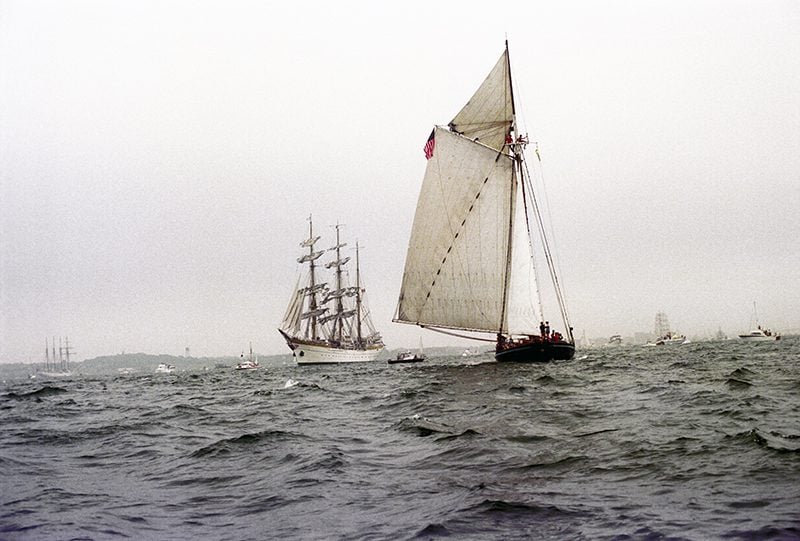
By Nicole Jao NEW YORK, July 4 (Reuters) – The U.S. Coast Guard said “politically charged” messages led to the removal of an environmental group’s vessel from a fleet of sailing ships gathered in...
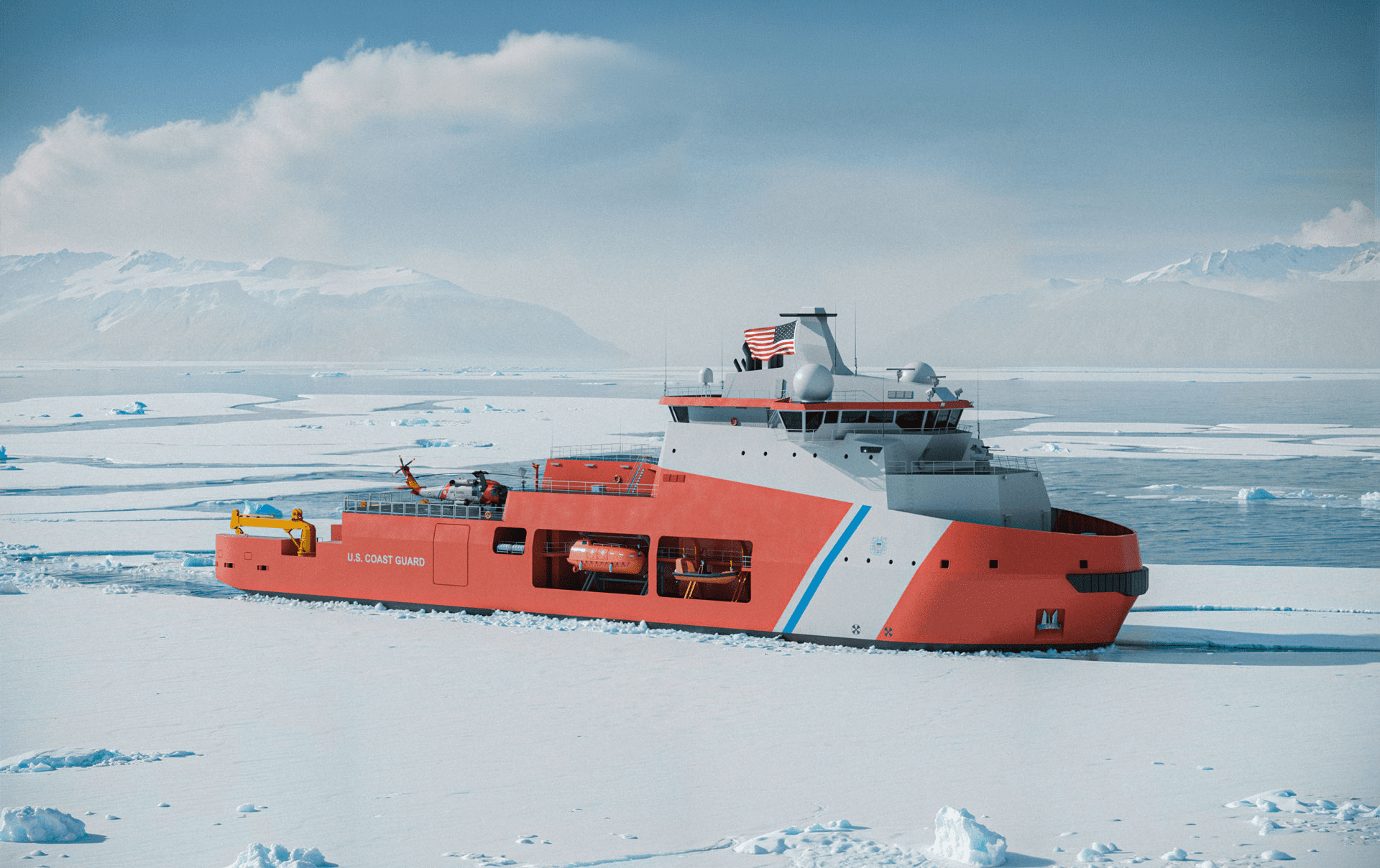
The United States has finalized contracts worth $3.3 billion for six new Arctic Security Cutters (ASCs), completing the procurement of the Coast Guard’s first major new medium icebreaker fleet in decades as one of the shipbuilders revealed construction on the lead vessel quietly began in April.
Construction of the first Arctic Security Cutter (ASC) for the U.S. Coast Guard began on Tuesday at Sata Shipbuilding’s yard in Pori, Finland, marking the start of a shipbuilding program that could ultimately transform the service into one of the world’s most capable Arctic maritime forces.
June 23, 2026
Total Views: 6792
Get The Industry’s Go-To News
Subscribe to gCaptain Daily and stay informed with the latest global maritime and offshore news
— just like 104,748 professionals
Secure Your Spot
on the gCaptain Crew
Stay informed with the latest maritime and offshore news, delivered daily straight to your inbox
— trusted by our 104,748 members
Your Gateway to the Maritime World!
Essential news coupled with the finest maritime content sourced from across the globe.

 Join The Club