We have all heard stories about the Bermuda triangle being nothing more than natural gas discharges that create bubbles reducing the buancy of the ship. Those who haven’t can check download the mythbusters episode on sinking ships from itunes. Can we use the same principals to improve fuel efficiency and speed?
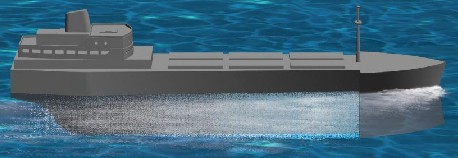
An article in the New Scientist reviews the state of the art in the technology and the obstacles that researchers are facing. For example: how do you create a blanket of bubbles around the ship but keep the propellers in undisturbed water where they can create thrust efficiently? How do you keep bubbles in place at high speeds? And can the gains from drag reduction outweigh the energy costs of creating the bubbles?
One promising solution derives from the work of Yoshiaki Kodama, director of the Advanced Maritime Transport Technology Department at Japan’s National Maritime Research Institute (NMRI) in Tokyo. Kodama’s team proposes to shoot a layer of bubbles from slots near the bow of the ship. The bubbles will travel along the hull of the ship, with enough bubbles trapped under the ship’s surfaces so that the constant replenishment is sufficient to maintain the blanket of bubbles. Treehugger
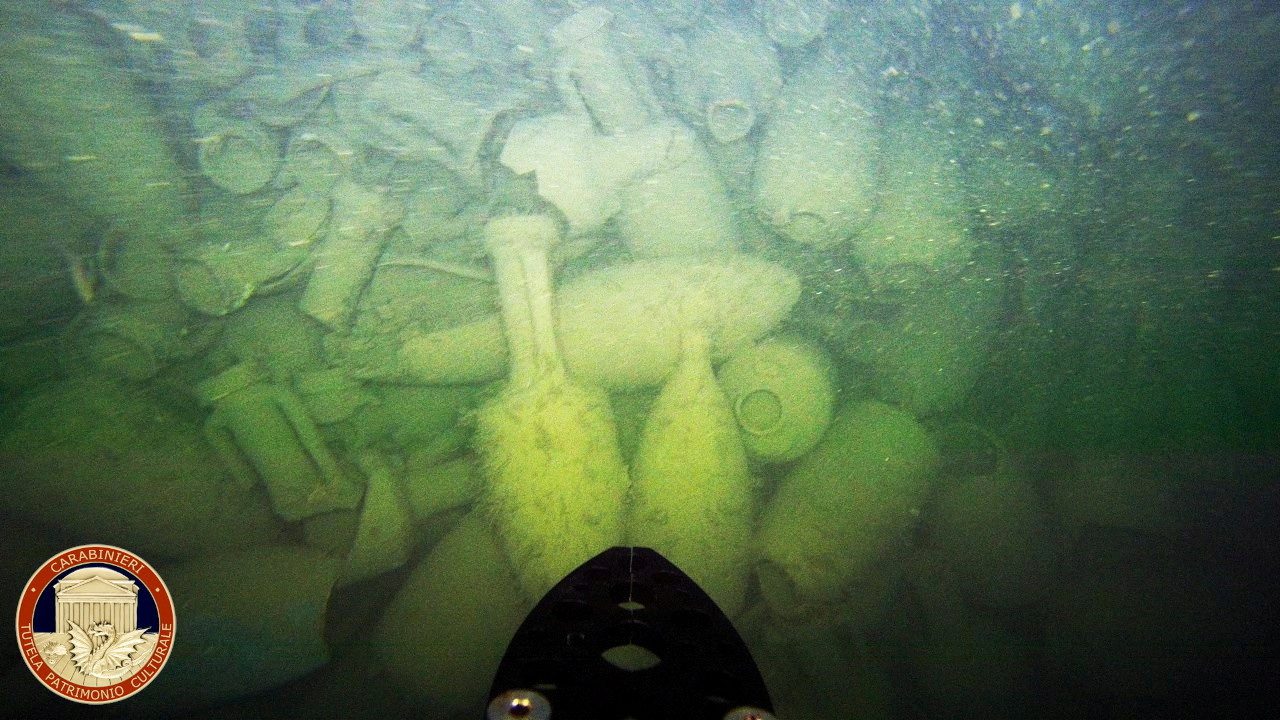
ROME, (Reuters) – The wreck of an ancient Roman cargo ship from more than 2,000 years ago has been found off the coast near Rome, the arts squad of Italy’s Carabinieri police said on Friday....
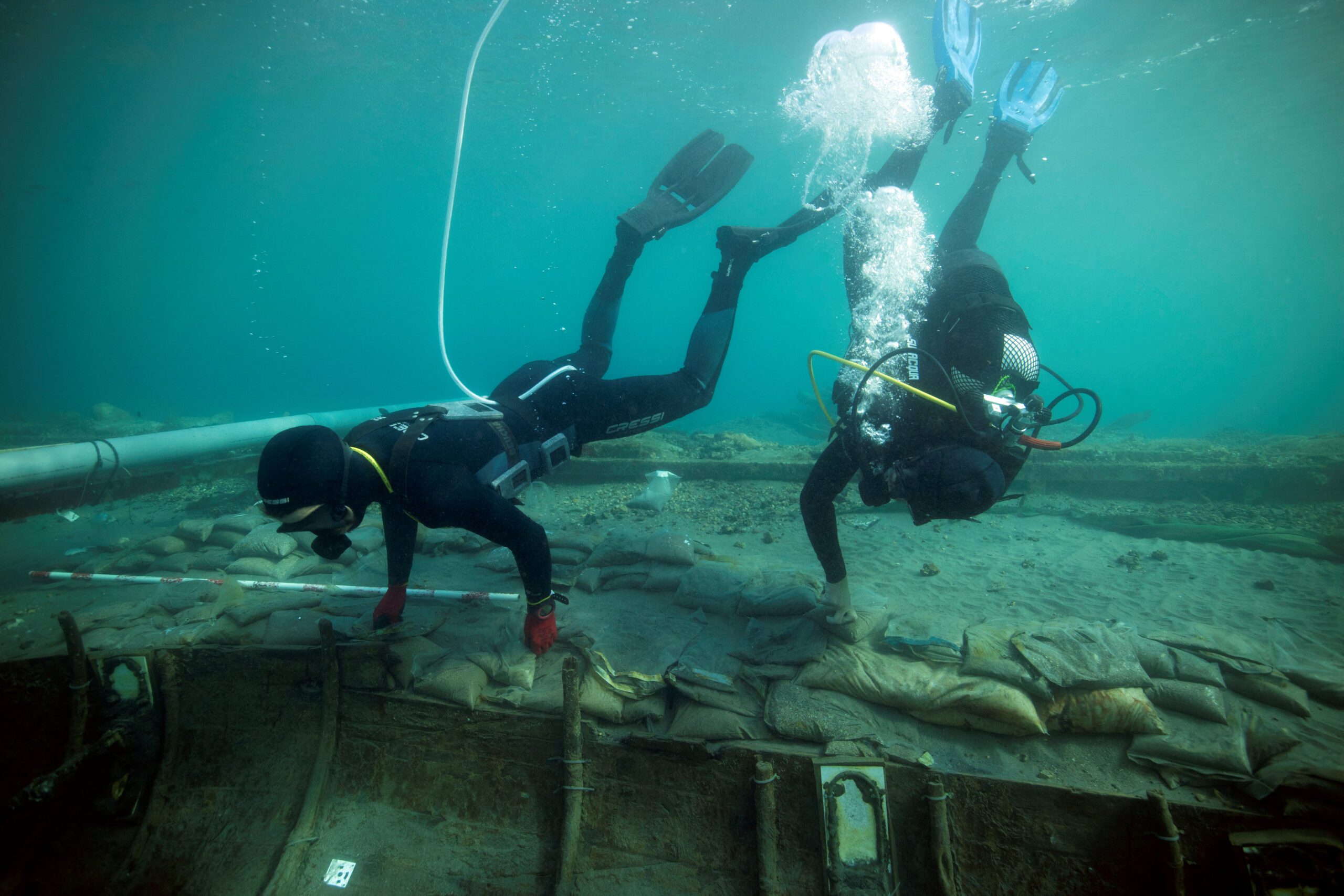
MADRID, (Reuters) – A group of Spanish archaeologists have made detailed diagrams of a 2,500-year-old Phoenician shipwreck to help work out how best to recover it from the sea before a storm...
Amid National Safe Boating Week and Memorial Day Weekend, we are left reminded of the risks that come with holiday fun. Memorial Day weekend is often when people take to...
May 25, 2023
Total Views: 982
Why Join the gCaptain Club?
Access exclusive insights, engage in vibrant discussions, and gain perspectives from our CEO.
This website uses cookies to improve your experience while you navigate through the website. Out of these, the cookies that are categorized as necessary are stored on your browser as they are essential for the working of basic functionalities of the website. We also use third-party cookies that help us analyze and understand how you use this website. These cookies will be stored in your browser only with your consent. You also have the option to opt-out of these cookies. But opting out of some of these cookies may affect your browsing experience.
Necessary cookies are absolutely essential for the website to function properly. This category only includes cookies that ensures basic functionalities and security features of the website. These cookies do not store any personal information.
Any cookies that may not be particularly necessary for the website to function and is used specifically to collect user personal data via analytics, ads, other embedded contents are termed as non-necessary cookies. It is mandatory to procure user consent prior to running these cookies on your website.

 Join The Club