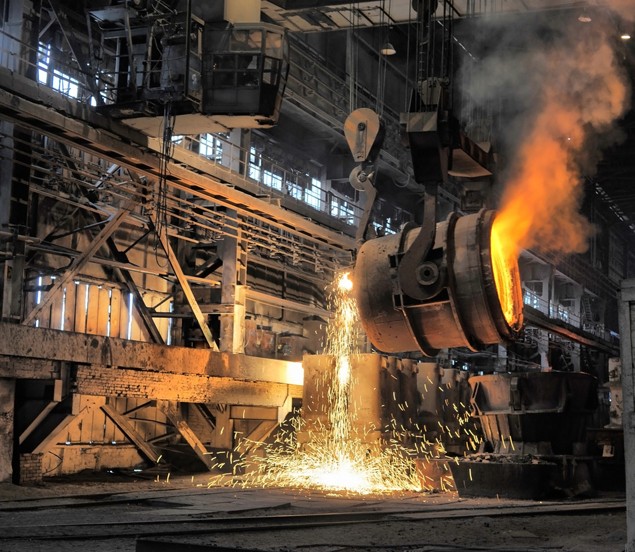
The World Steel Association, whose members represent approximately 85% of world steel production, reported that world crude steel production for the 64 reporting countries was 132 million tons (mt) in June 2013, an increase of 1.9% as compared to June 2012.
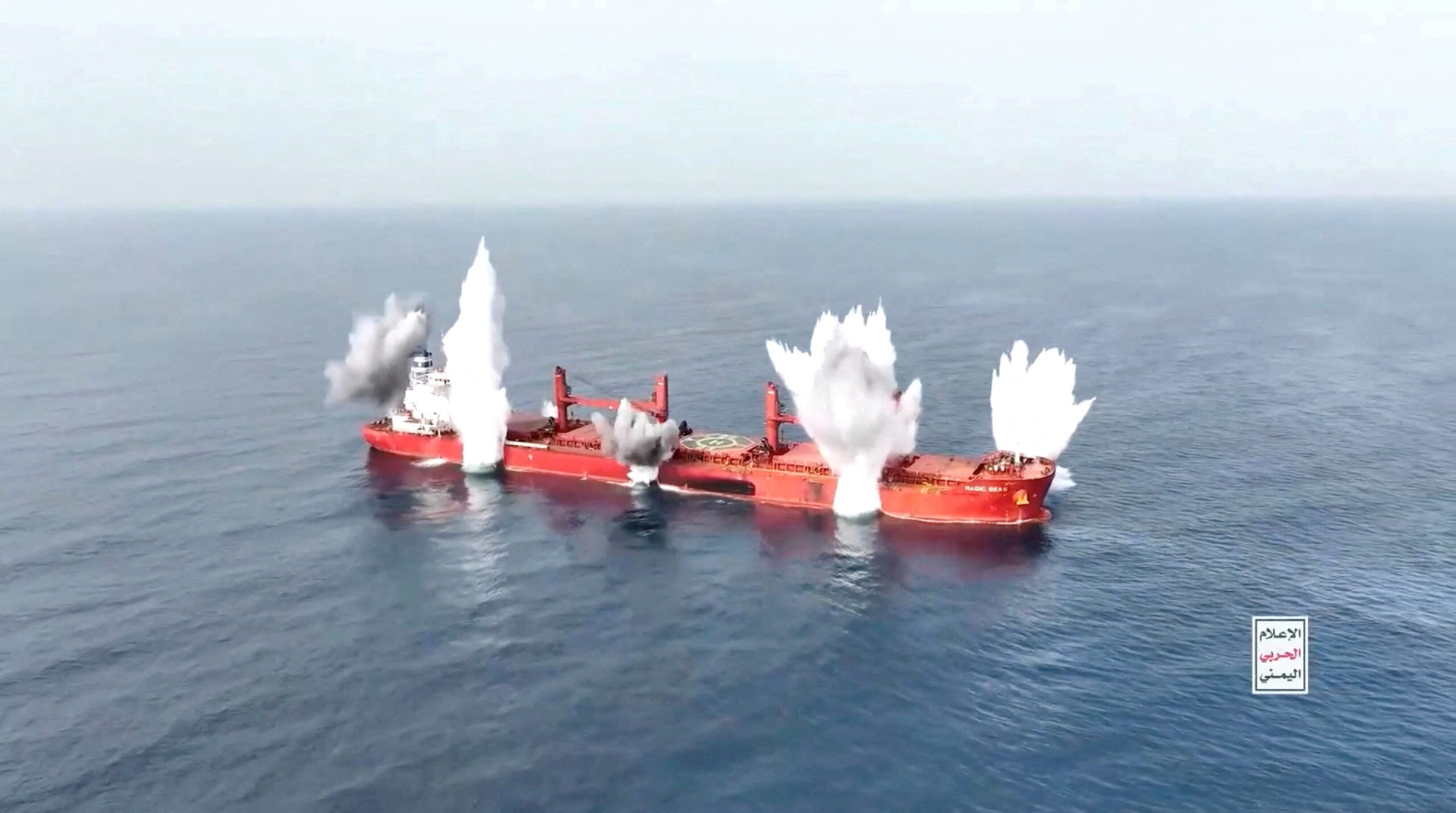
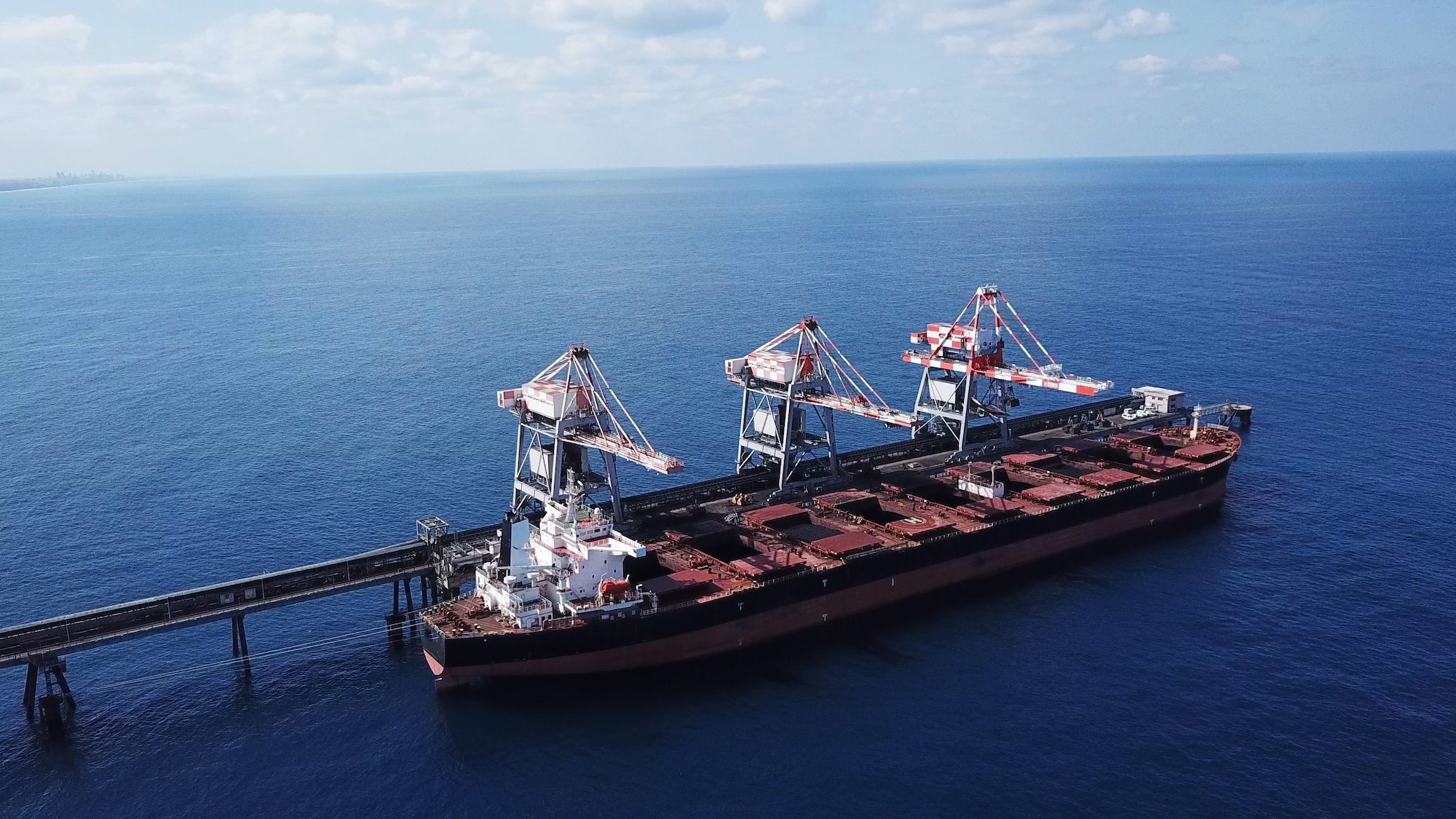
Comparatively, in June 2013, the dry bulk shipping fleet grew 22.3 million deadweight (dwt) tons, an increase of 3.2% over May 2013 and an increase of 6.0% as compared to June 2012. Given the dry bulk fleet orderbook to be delivered for the balance of the year is 46.3 million dwt or 590 vessels (excluding scrapping), shipping rates will remain constrained from the remainder of 2013 and through 2014 (without additional deliveries expected in 2014 of 45.3 million dwt or 563 vessels and in 2015 deliveries currently estimated at 17.6 million dwt or 229 vessels).
Click image for larger version
World crude steel production in the first six months of 2013 was 789.8 mt, an increase of 2.0% as compared to the same period of 2012. Asia showed an increase of 5.5% while other regions recorded negative growth in the first half of 2013. China’s crude steel production for June 2013 was 64.7 mt, up by 4.6% compared to June 2012. Elsewhere in Asia, Japan produced 9.3 mt of crude steel in June 2013, an increase of 0.9% as compared to the same month last year. South Korea’s crude steel production was 5.5 mt in June 2013, down by -5.4% on June 2012.
The European Union (“EU”) 27 produced -5.1% less and North and South America produced -5.8% and -4.6% less respectively. The U.S. produced 7.2 mt. of crude steel in June 2013, down by -0.2% on June 2012. In June 2013, Brazil produced 2.8 mt. of crude steel production, an increase of 2.7% as compared to June 2012.
The C.I.S. region showed a decrease of -3.0%. In June 2013, Russia produced 5.7 mt of crude steel, a decrease of -0.8% as compared to the same month last year.
The crude steel capacity utilisation ratio for the 64 countries in June 2013 declined slightly to 79.2% from 79.6% in May 2013. In June 2012, crude steel utilisation was 80.7%, it is -1.5 percentage points lower as of June 2013.
Comparatively, for a recovery to occur in dry bulk shipping, a prerequisite will be that steel production and steel capacity utilisation increase materially. Given the economic slowdown occurring in China, India, the EU, not to mention an expected slowdown in the U.S., the result of sequestration and an anticipated unwinding or tapering of Quantitative Easing (“QE”), it is hard to envision that dry bulk shipping will recovery in the short-term or in the intermediate-term.
You can bet on hope, because hope is a good thing, but the reality is the short-term and intermediate-term statistics do not favor a near-term recovery, or at best, will disappoint mean reversion investors in dry bulk shipping.
The long-term safety record for bulk carriers continues to improve, but the industry faces an increasingly complex risk environment that extends beyond traditional operational hazards, according to INTERCARGO’s latest casualty...
Dry bulk shipping takeover drama intensified Thursday as Diana Shipping Inc. raised its all-cash offer for Genco Shipping & Trading Limited to $24.80 per share, increasing pressure on Genco’s board...
Danish shipping giant D/S NORDEN says the ongoing Persian Gulf conflict and disruption to the Strait of Hormuz are having sharply different effects across global shipping markets, hammering dry cargo...
May 11, 2026
Total Views: 2047
Get The Industry’s Go-To News
Subscribe to gCaptain Daily and stay informed with the latest global maritime and offshore news
— just like 104,363 professionals
Secure Your Spot
on the gCaptain Crew
Stay informed with the latest maritime and offshore news, delivered daily straight to your inbox
— trusted by our 104,363 members
Your Gateway to the Maritime World!
Essential news coupled with the finest maritime content sourced from across the globe.

 Join The Club