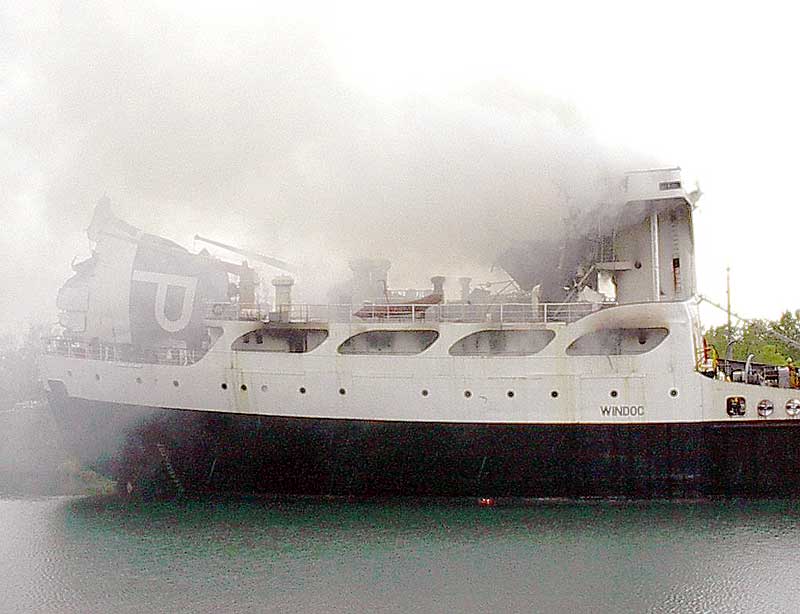
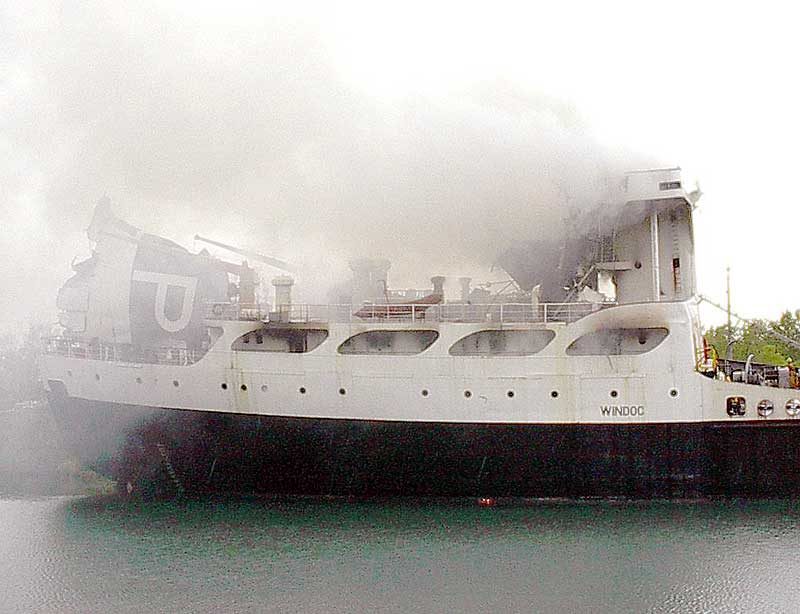
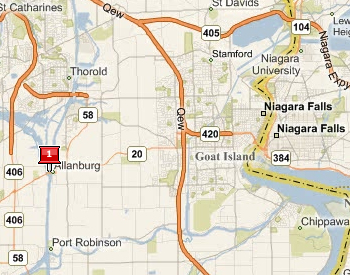
In August 2001 the Bulk Carrier Windocwas lined up on the Welland Canal’s Bridge 11 in Ontario Canada. After receiving the flashing amber approach light indicating that the bridge operator was aware of the vessel, the captain lined up on the centerline and maintained a speed of 5 knots. Minutes later while the vessel was half way through the bridge started descending.
The Bridge Team’s Story
When the vessel was approximately halfway under the bridge, the third officer observed that the bridge signal lights were solid red and the lift span was descending. At 2053, the master sounded a few blasts on the ship’s whistle. The master, without identifying himself or the bridge in question, called the TCC on VHF channel 14 about the lowering of the bridge. The master quickly stopped the engines and ordered an evacuation of the wheelhouse. The master and third officer left the wheelhouse by the starboard navigation bridge wing. As they proceeded down the external bridge access ladder, the span of the bridge struck the vessel in way of the wheelhouse front windows, subsequently destroying the vessel’s wheelhouse and funnel. The helmsman remained at his station in the wheelhouse and lay down on the deck as the bridge span passed overhead. He freed himself from the debris and descended by the deckhouse stairwell alive.
Miraculously no one was killed in the event.
A Brief History of the Ship
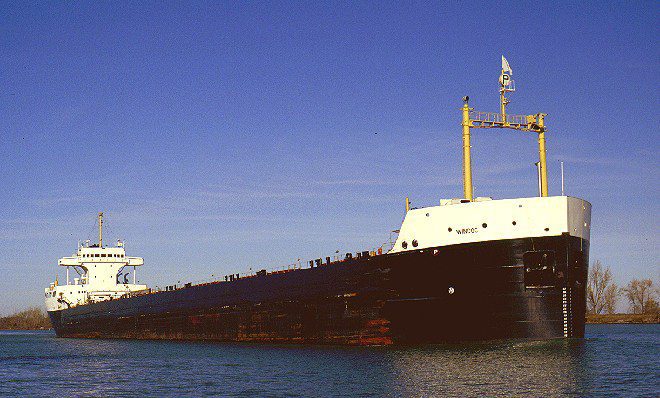
MS Windoc was a Lake freighter or laker, initially constructed as a bulk carrier in West Germany in 1959. Entering service that year as Rhine Ore, the ship was renamed Steelcliffe Hall in 1977 and reconstructed as a laker. In 1988 the laker was renamed Windoc.
As a bulk carrier the ship had a gross register tonnage of 8,202 tons and a deadweight tonnage of 19,918 tons. The ship measured 166.4 metres (545 ft 11 in) overall and 157.5 metres (516 ft 9 in) between perpendiculars with a beam of 22.6 metres (74 ft 2 in). The ship was powered by one diesel engine and had a maximum speed of 14.5 knots (26.9 km/h; 16.7 mph).[1]
After the vessel’s conversion to a laker, the gross register tonnage increased to 18,531 tons and the deadweight tonnage to 29,050 tons. The length overall of the ship was increased to 222.5 metres (730 ft 0 in) and between perpendiculars to 218 metres (715 ft 3 in). The beam was also increased to 23.1 metres (75 ft 9 in).[1]
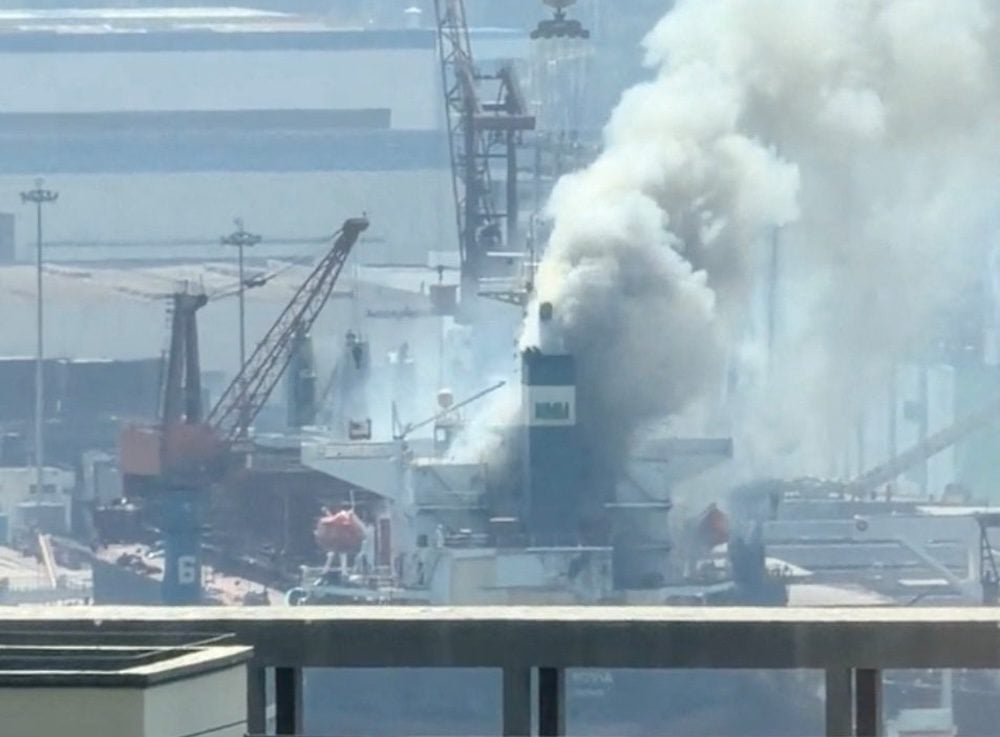
Twenty-five people died in a fire aboard a foreign cargo vessel undergoing repairs at a state-owned shipyard in the eastern Chinese city of Qingdao on Thursday, state media reported.
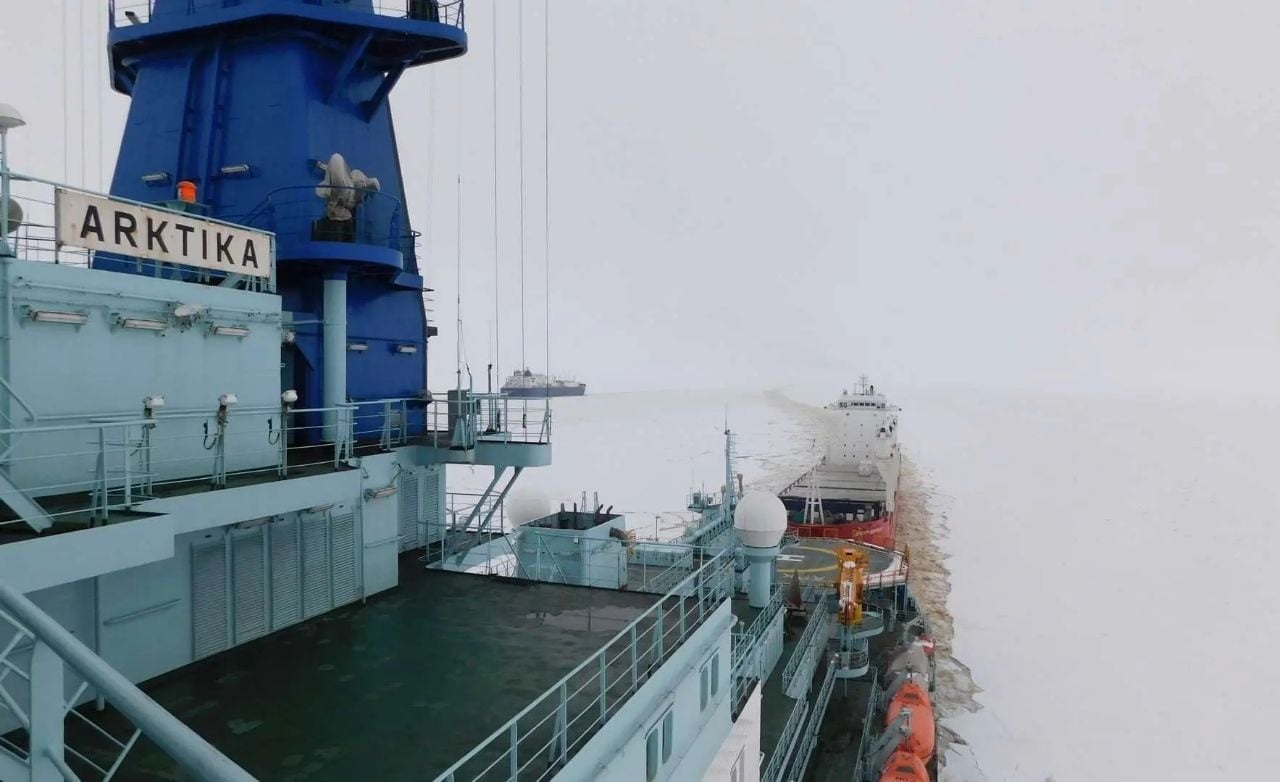
A tanker suffered serious damage to its hull while navigating through Arctic sea ice despite being assisted by an icebreaker, highlighting the risks facing vessels using Russia’s Northern Sea Route as Moscow rapidly expands oil shipments through the Arctic.
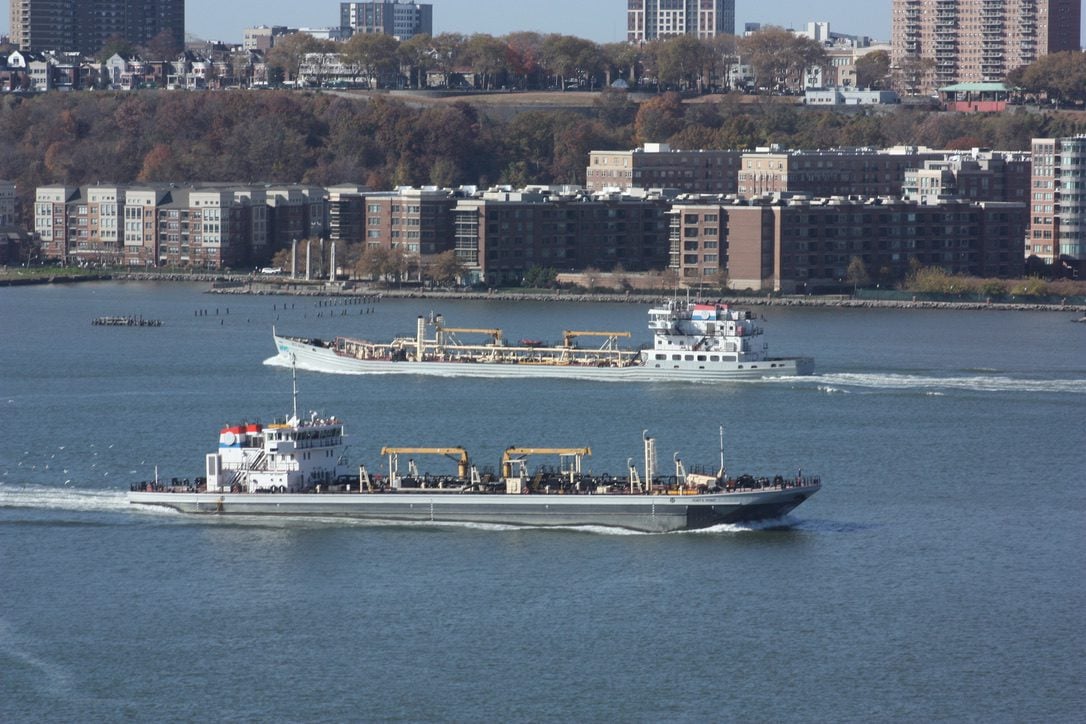
By Daniel Katzive (gCaptain) – Unapproved use of a propane torch on deck triggered the explosion aboard a New York City municipal sludge tanker Hunts Point last May, according to...
August 10, 2026
Total Views: 3673
Get The Industry’s Go-To News
Subscribe to gCaptain Daily and stay informed with the latest global maritime and offshore news
— just like 106,492 professionals
Secure Your Spot
on the gCaptain Crew
Stay informed with the latest maritime and offshore news, delivered daily straight to your inbox
— trusted by our 106,492 members
Your Gateway to the Maritime World!
Essential news coupled with the finest maritime content sourced from across the globe.

 Join The Club