A new report from the World Bank and S&P Global Market Intelligence argues that ports are no longer merely victims of supply chain disruptions—they are increasingly active participants in determining whether global shocks spread or are contained.
The Container Port Performance Index (CPPI) 2025 finds that the relationship between port performance and supply chain stress runs in both directions. While geopolitical crises, extreme weather, and shipping network disruptions can degrade port performance, inefficient ports can in turn magnify those disruptions by prolonging vessel delays and reducing effective shipping capacity.
The report comes as global shipping continues to grapple with the aftermath of the Red Sea crisis and the ongoing fallout from the Iran war, which sharply reduced traffic through the Strait of Hormuz and forced carriers to redesign service networks.
“Ports are not just passively exposed to external shocks; they also dynamically shape how those shocks are transmitted,” said Bertrand De la Borde, Global Director for Transport and Logistics at the World Bank Group. “They can either amplify disruptions or help contain them.”
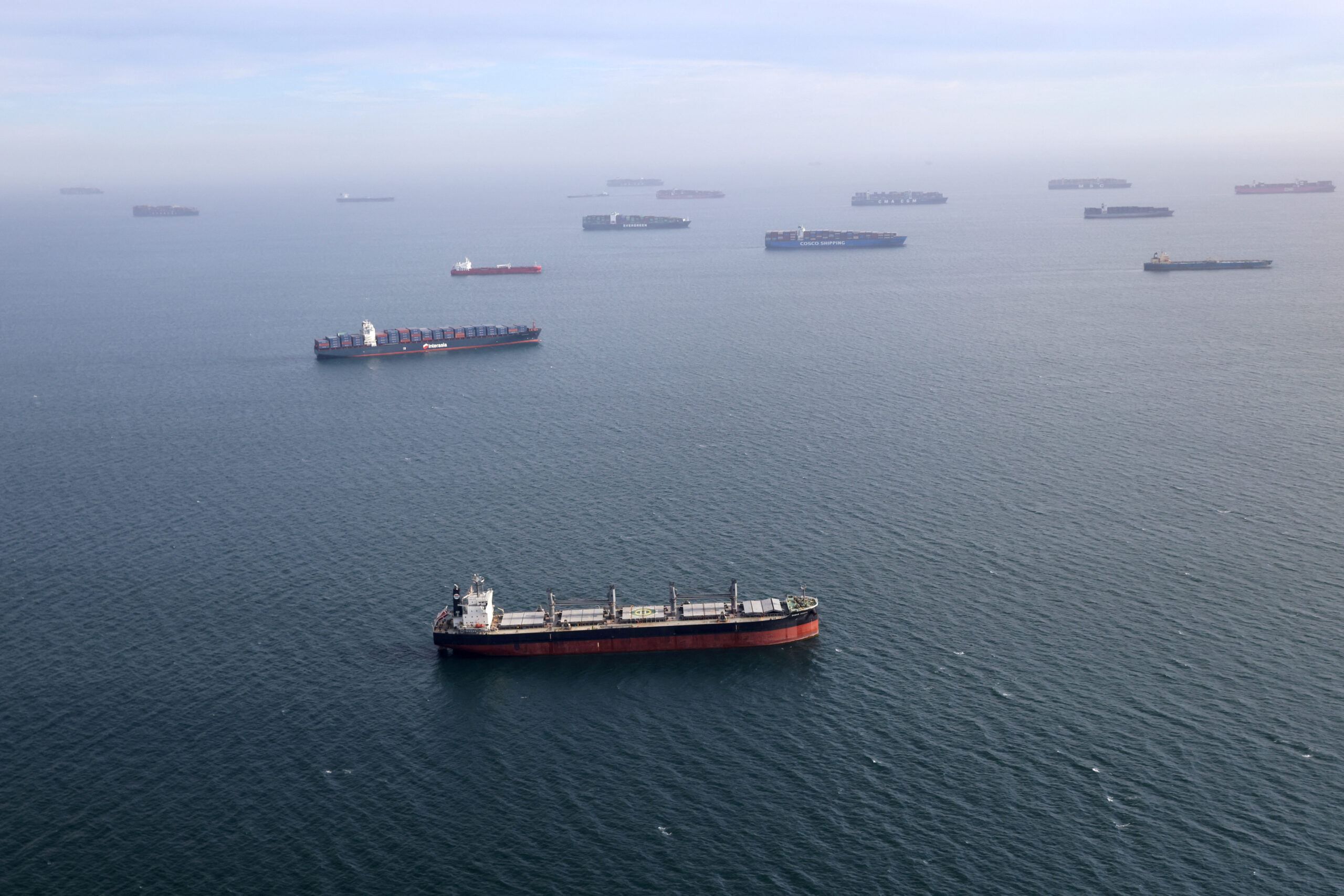
According to the report, vessel time in port remains one of the most important indicators of supply chain health. When ships spend additional time waiting at anchor or alongside terminals, those delays ripple throughout global liner networks. Vessels tied up in one port are unavailable elsewhere, reducing effective fleet capacity and increasing schedule unreliability.
The report notes that today’s congestion increasingly stems from what it describes as “burst congestion”—episodes in which vessels arrive in concentrated clusters after being delayed or rerouted by external events. Unlike traditional congestion caused by steadily rising cargo volumes, burst congestion can overwhelm even modern ports with significant infrastructure investments.
“Once such clustering occurs, congestion can escalate rapidly, even in well-equipped ports,” the authors wrote.
Recent geopolitical events provide a clear example. The report cites the disruption of shipping routes through the Red Sea and Strait of Hormuz, which forced carriers to alter schedules and reroute vessels. As ships arrive out of sequence, ports struggle to allocate berths, labor, and yard capacity efficiently. The result is longer turnaround times and increased congestion, even when cargo volumes remain relatively stable.
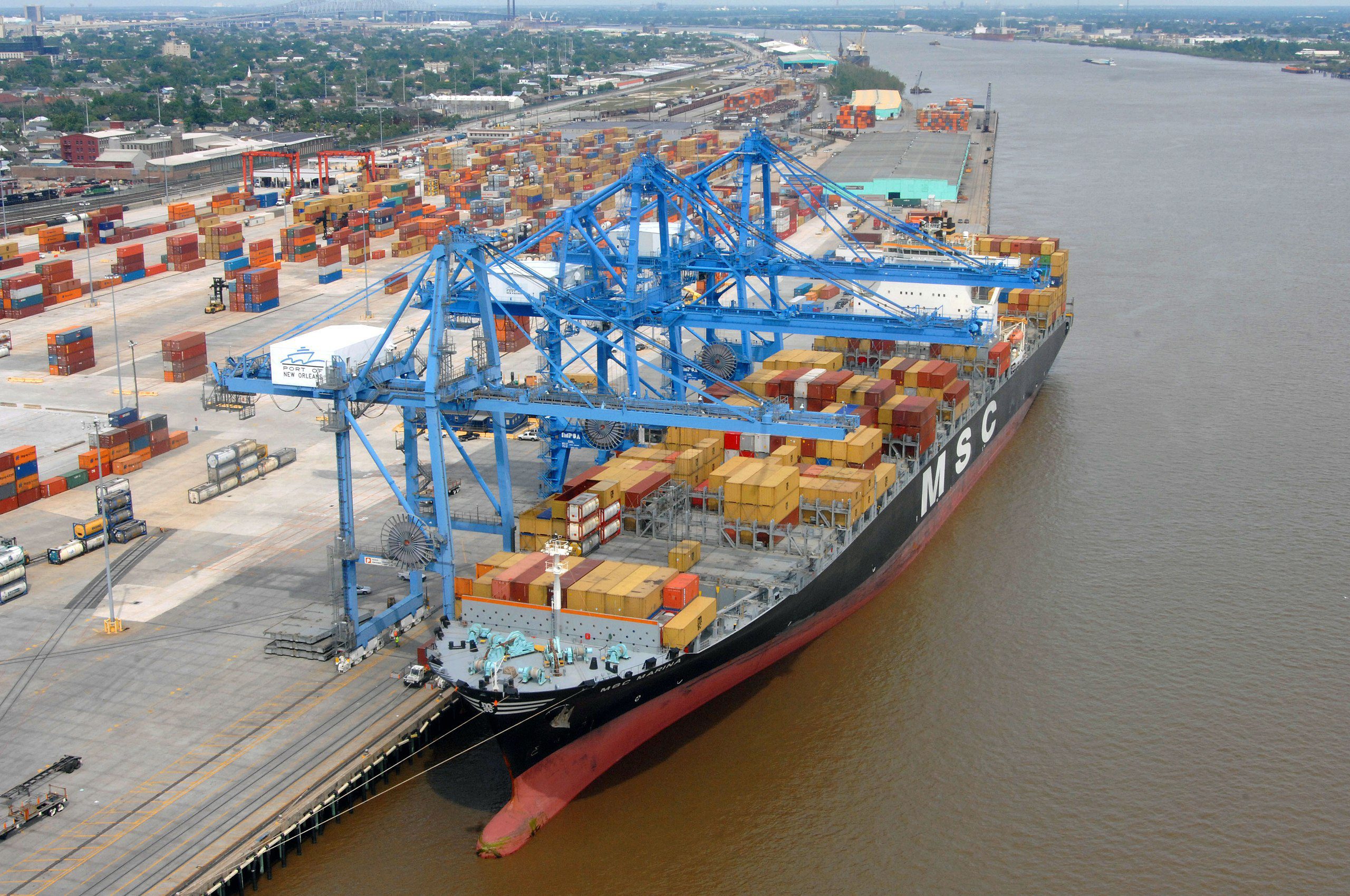
The findings challenge the assumption that port performance is determined solely by physical infrastructure. While investment in cranes, terminals, and dredging remains important, the report highlights operational resilience, coordination, and digitalization as increasingly critical factors.
Ports that consistently perform well tend to share several characteristics: predictable vessel turnaround times, strong coordination among terminal operators and authorities, robust data-sharing systems, and the ability to recover quickly from disruptions.
“Resilience matters as much as peak efficiency,” the report states. “Ports that perform consistently well are not those that optimize for maximum throughput under ideal conditions, but those that maintain operational discipline under volatility.”
Only One U.S. Port Makes Global Top 50 as Asia and Middle East Dominate
Digital tools were identified as particularly important. Real-time information sharing on vessel arrivals, berth availability, yard conditions, and landside transportation can help ports anticipate disruptions rather than simply react to them.
The report also highlights significant regional differences.
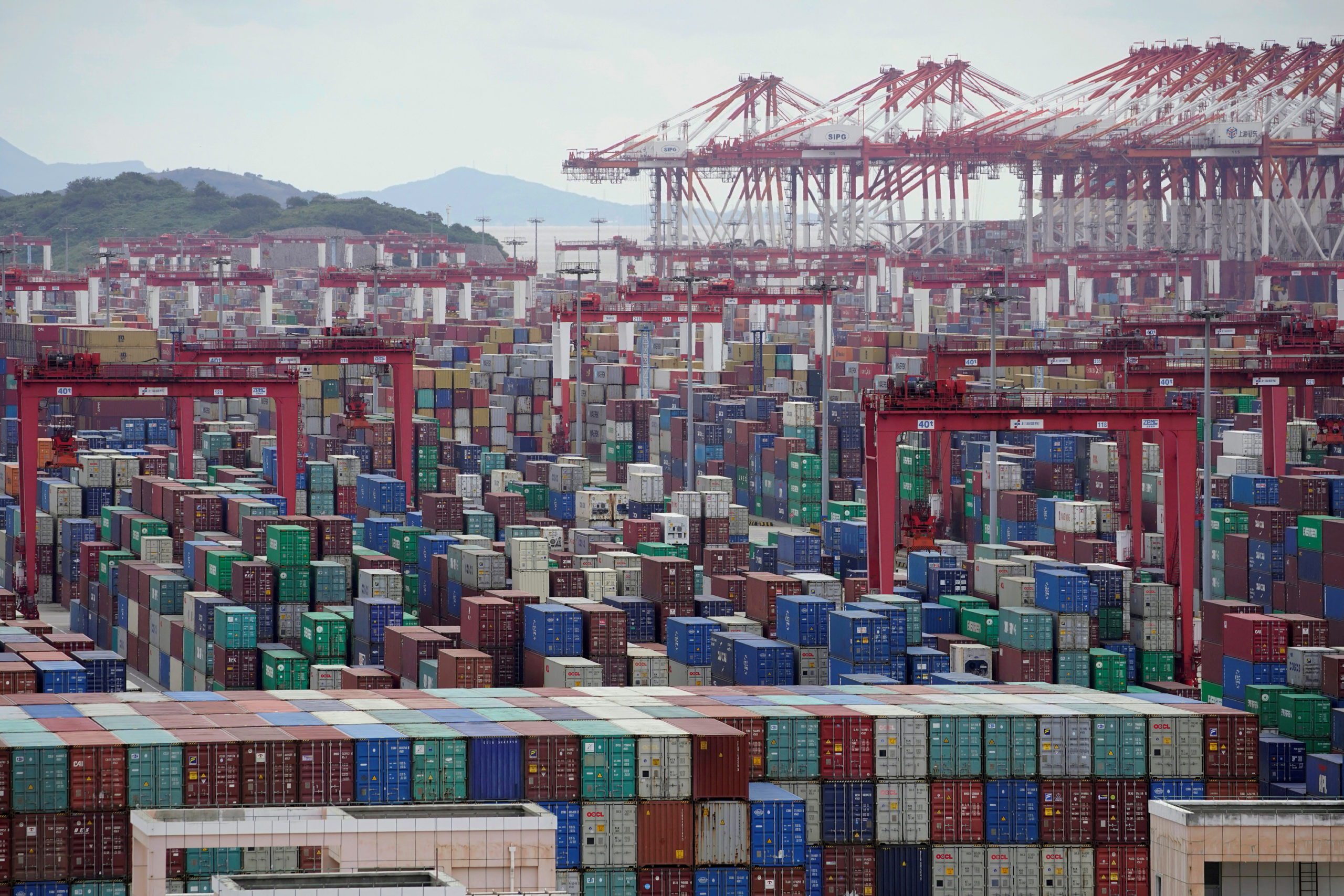
East Asian ports continued to dominate global rankings, occupying many of the top positions in the 2025 index. Ports in upper-middle-income economies, particularly in Asia, once again outperformed many of their counterparts in wealthier nations, reflecting strong export orientation, intense competition, and sustained investment.
Meanwhile, North American and European ports continued recovering from pandemic-era disruptions but remained vulnerable to congestion, labor constraints, and hinterland bottlenecks.
The Middle East, previously one of the strongest-performing regions in the index, experienced a deterioration in performance following schedule disruptions associated with the Red Sea crisis. The report cited vessel bunching and increased arrival uncertainty as key factors behind the decline.
For policymakers and port operators, the report’s message is straightforward: improving port efficiency is no longer simply a matter of reducing costs or increasing throughput.
In an era of recurring geopolitical crises, climate-related disruptions, and volatile shipping patterns, ports have become critical shock absorbers for the global economy. Those that can rapidly adapt to disruptions help stabilize supply chains. Those that cannot risk amplifying instability across entire shipping networks.
“Efficient ports are not only a source of competitiveness,” the report concludes, “but also a key determinant of how well supply chains absorb and recover from disruptions.”

 Join The Club