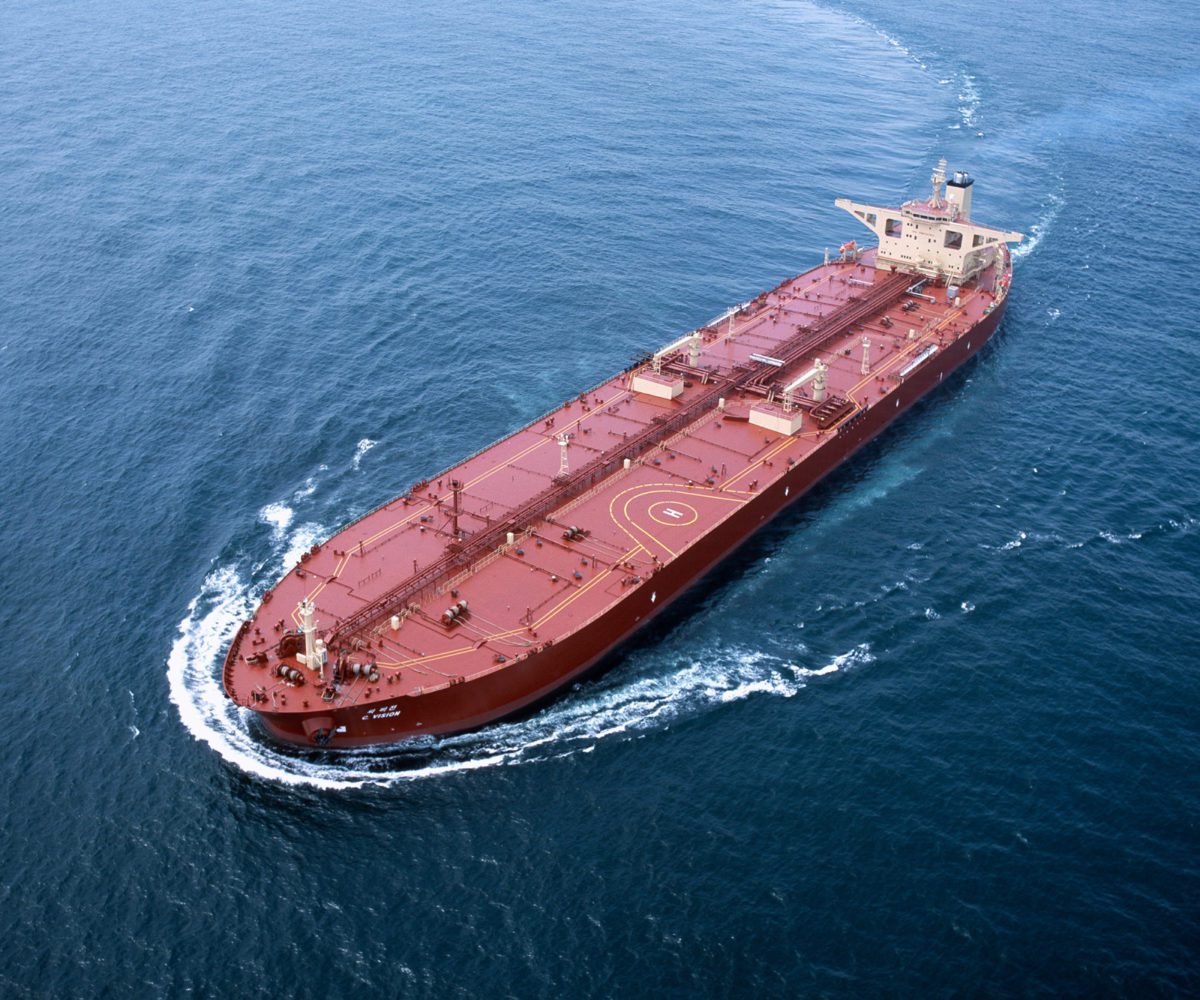
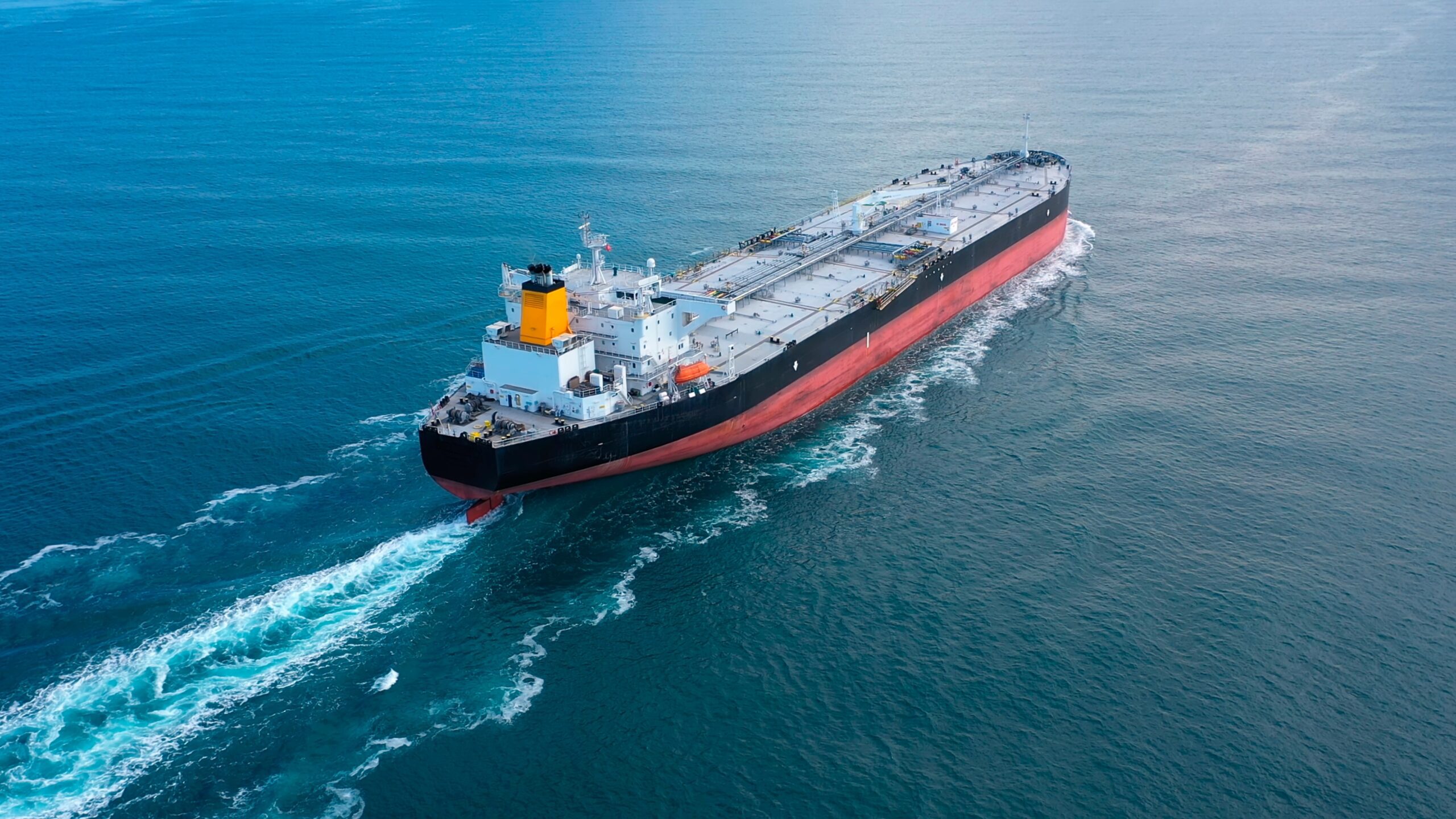
VLCC charter rates have pushed back into six-figure territory, with DHT Holdings (NYSE:DHT) securing a one-year time charter at $105,000 per day for the 2011-built DHT Redwood — one of the highest publicly disclosed fixtures of the current rally.
The contract, set to begin in March 2026 with a global energy company, underscores just how tight the compliant VLCC market has become.
The Redwood fixture follows two additional one-year deals: DHT Taiga at $94,000 per day and DHT Opal at $90,000 per day. Together, the trio of charters highlights a market that has strengthened rapidly amid solid crude demand, longer trade routes, and elevated geopolitical risk premiums.
In its fourth-quarter earnings commentary, DHT described the backdrop as a structurally supportive one “The VLCC market demonstrates significant strength driven by robust demand for compliant seaborne transportation of crude oil and increased risk premiums related to geopolitical tensions,” the company said, adding that it is increasing market exposure in the first half of the year to reflect its “constructive outlook.”
The owner also pointed to a broader shift in fleet ownership dynamics. According to DHT, private “aggregators” could soon control at least 25% of the compliant tramping VLCC fleet, a level of concentration that could influence availability and pricing power.
So far in the first quarter of 2026, DHT has booked 76% of available VLCC spot days at $78,900 per day, and 86% of total available days at $62,300 per day when combining spot and time charter coverage.
The New York-listed owner operates 22 VLCCs with integrated management across Monaco, Norway, Singapore, and India.
Rival Frontline has also moved to capture forward cover, fixing seven one-year charters at $76,900 per day, with deliveries running from late January through April. CEO Lars H. Barstad called the rates “charter-out levels not seen for decades,” though Frontline remains largely spot-exposed to retain upside.
With consolidation tightening control of compliant tonnage and end users seeking reliability in a volatile sanctions and security environment, charterers appear willing to pay a premium for established independent operators. Meanwhile, DHT shares are up nearly 60% year-to-date, reflecting investor confidence that the current rate environment may have staying power.
Editorial Standards · Corrections · About gCaptain

 Join The Club