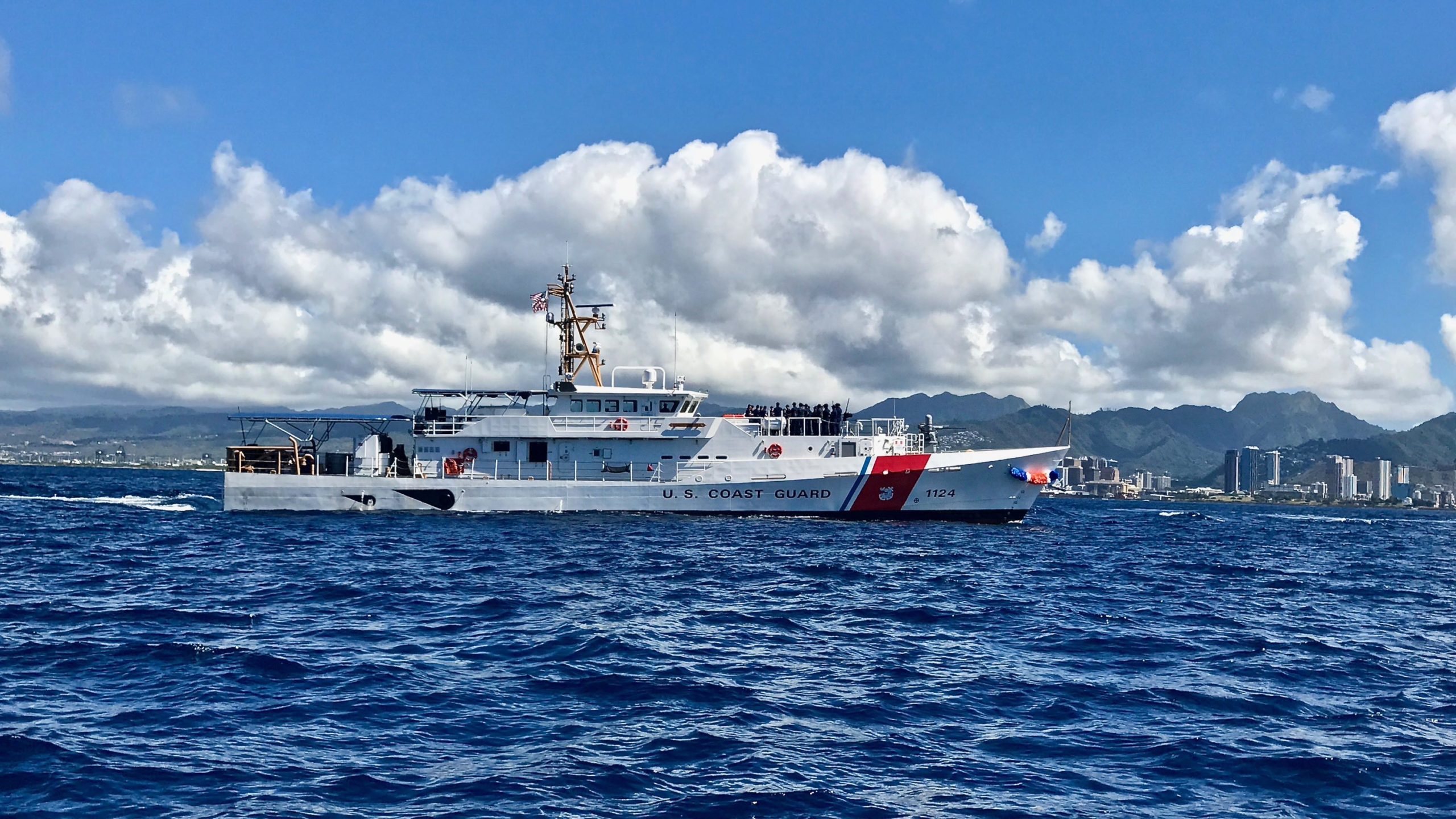
On Friday U.S. Coast Guard Cutter Oliver Berry crew provided assistance to Kiritimati Island, Kiribati, following their extreme drought.
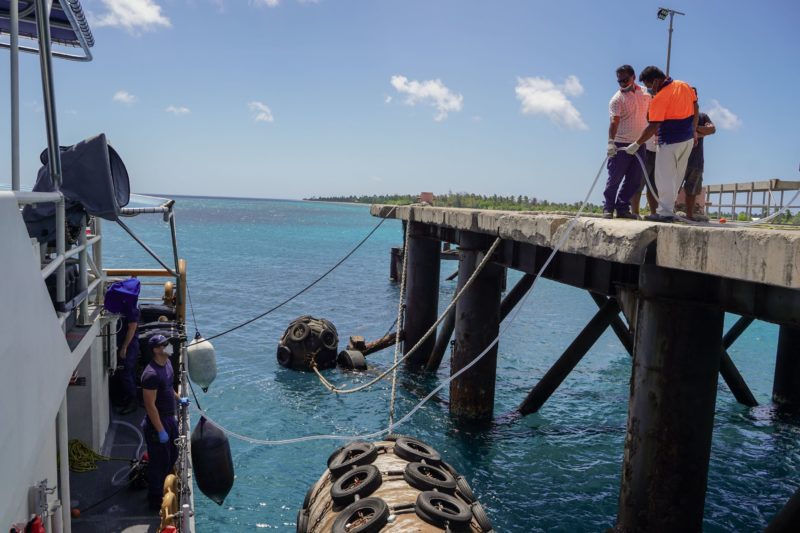
The U.S. Coast Guard provided much-needed assistance by supplying safe drinking water to Kiritimati after the Republic of Kiribati declared a national state of emergency. Over two days, the crew of the Oliver Berry conducted contactless offloads of potable drinking water, working with UNICEF representatives to support the local residents amidst the national state of emergency while maintaining strict COVID-19 precautions.
“Our crew is excited and humbled for the opportunity to support the people of Kiribati,” said Lt. Micah Howell, commanding officer of the Coast Guard Cutter Oliver Berry. “Thanks to the coordination efforts of the U.S. Agency for International Development’s Bureau of Humanitarian Assistance, the United Nations International Children’s Emergency Fund, and the Kiribati Government, we are able to provide safe drinking water to the Island of Kiritimati at a time when it is needed most.”
The Coast Guard Cutter Oliver Berry crew conducts a potable water offload while moored up at Kiritmati Island, Kiribati, July 8, 2022. The U.S. Coast Guard provided humanitarian assistance by supplying safe drinking water to Kiritimati after the Republic of Kiribati declared a national state of emergency after experiencing an extreme drought. (U.S.C.G. photo)
In addition to providing humanitarian assistance, the Oliver Berry crew supported Kiribati maritime law enforcement efforts, providing patrol coverage in Kiribati’s exclusive economic zone (EEZ) in order to deter illegal, unregulated, and unreported fishing, support Kiribati resource security, and strengthen maritime governance in Oceania.
“The Oliver Berry’s patrol demonstrates the United States Coast Guard’s enduring commitment to our partner nations throughout Oceania,” said Howell. “Instances like these pave the way for future Coast Guard assets to support The Republic of Kiribati, and its citizens.”
The Oliver Berry is one of the Coast Guards fast response cutters (FRC) equipped with advanced command, control, communications, computers, intelligence, surveillance, and reconnaissance systems. At 154-feet long, they reach speeds of over 28-knots covering a distance of 2,500 nautical miles over a five-day patrol, greatly improving the Coast Guard’s ability to conduct missions ranging from search and rescue to national defense while also contributing to joint operations between the United States and its regional partners.
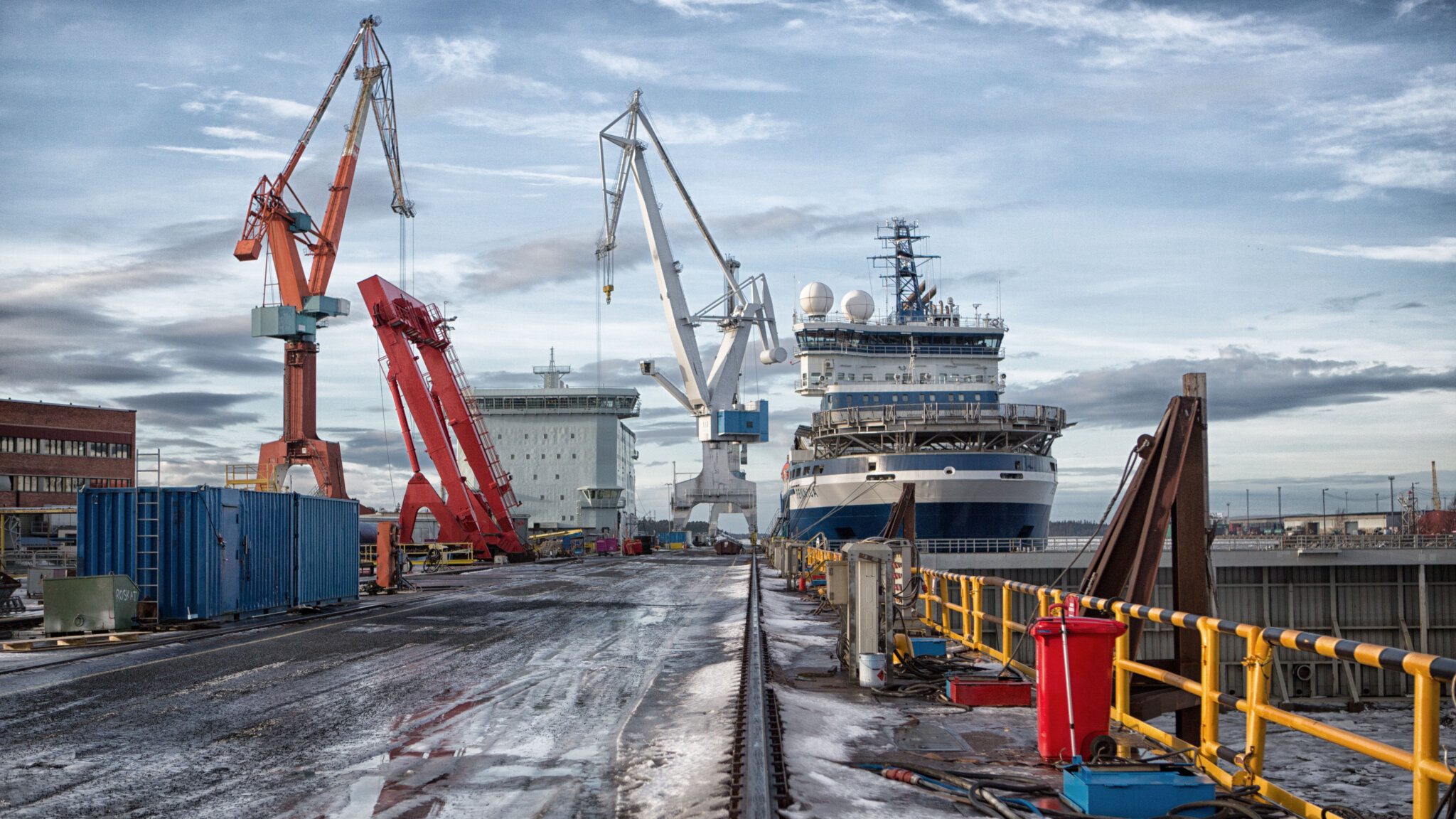
Rauma Marine Constructions in Finland has made rapid progress on the first of two Arctic Security Cutters it is building for the U.S. Coast Guard, with almost half of the vessel's blocks already launched and construction of the second ship approaching, according to the Finnish shipbuilder's chief executive.
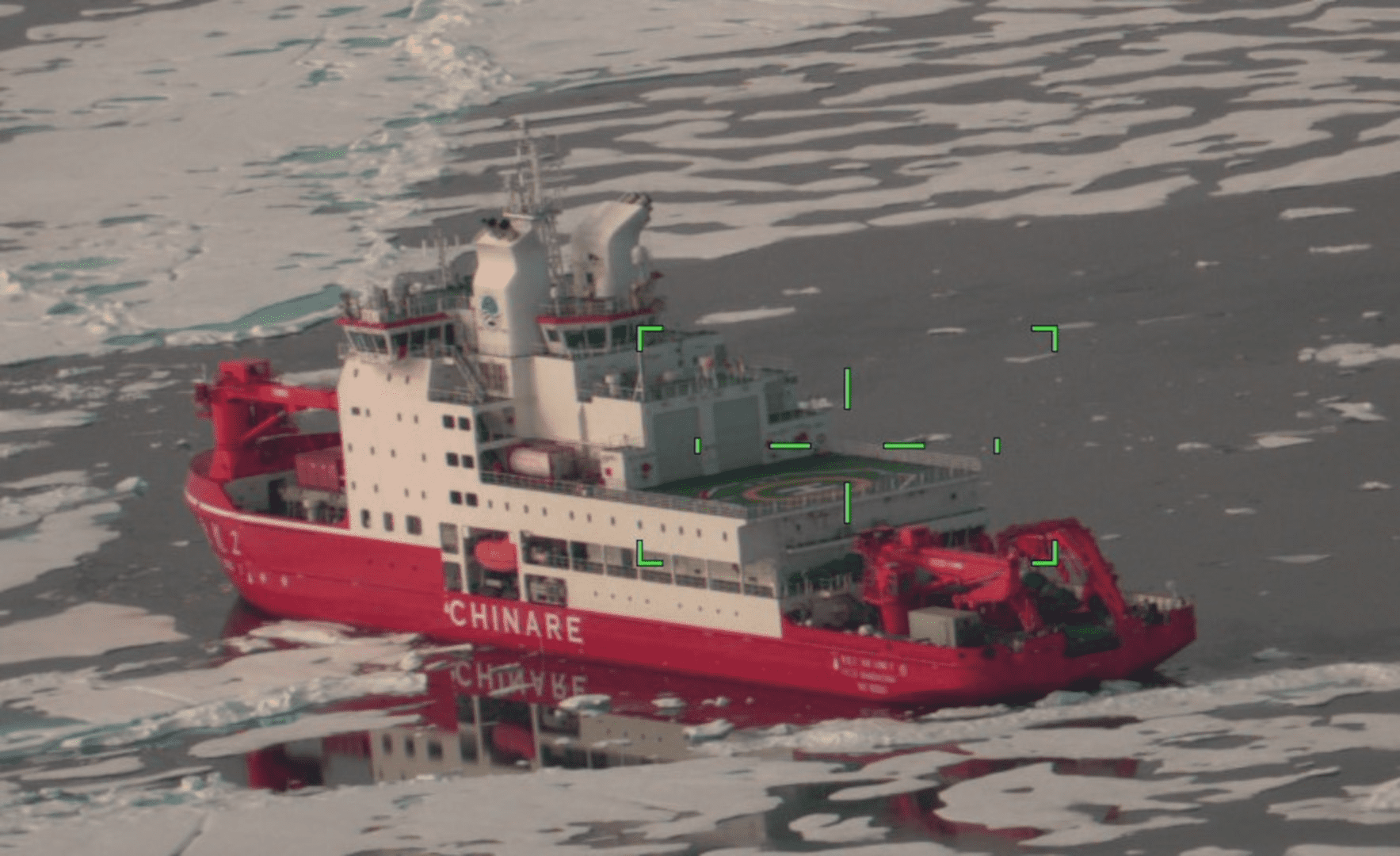
The United States is watching China's presence in its Arctic zone "very closely" amid concerns regarding the security of the US homeland, a senior US Arctic military official said.
The U.S. Coast Guard’s icebreaker Healy will not carry out its planned high-latitude Arctic mission this summer following a serious engineering casualty in July, a spokesperson said. The statement provides the clearest indication yet of the impact of the incident on the Coast Guard’s key icebreaker.
September 16, 2026
Total Views: 6219
Get The Industry’s Go-To News
Subscribe to gCaptain Daily and stay informed with the latest global maritime and offshore news
— just like 107,080 professionals
Secure Your Spot
on the gCaptain Crew
Stay informed with the latest maritime and offshore news, delivered daily straight to your inbox
— trusted by our 107,080 members
Your Gateway to the Maritime World!
Essential news coupled with the finest maritime content sourced from across the globe.

 Join The Club