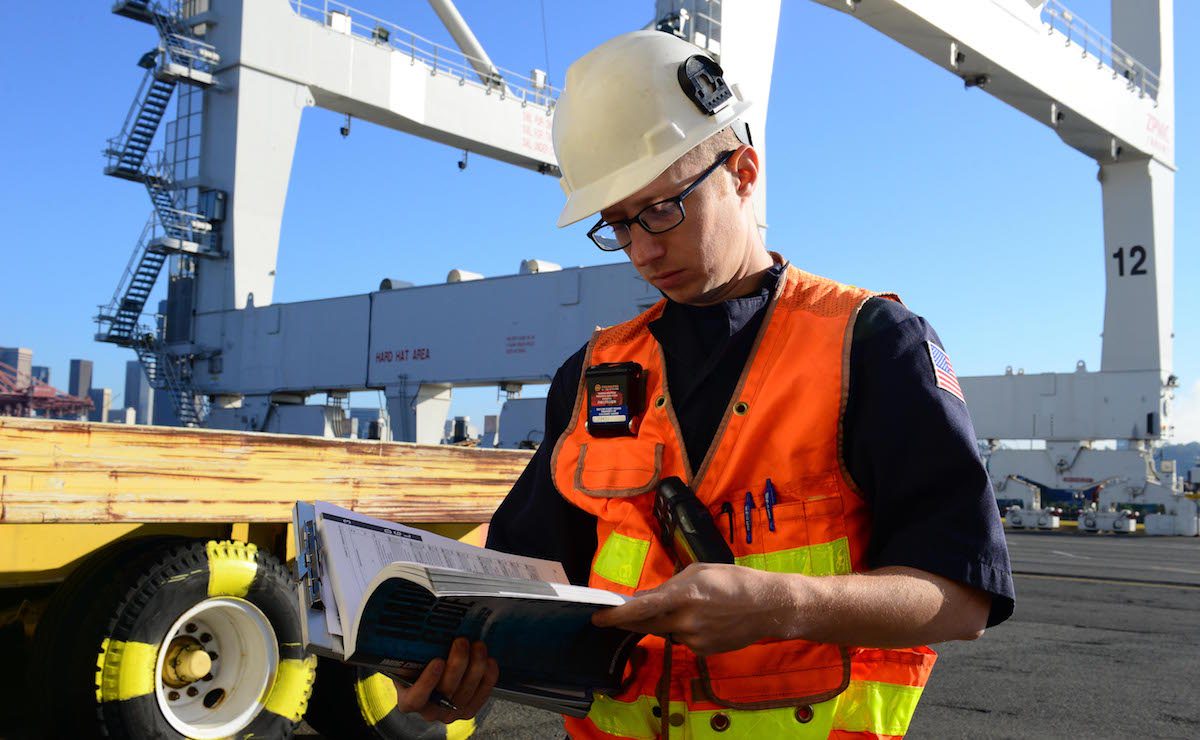
Petty Officer 1st Class Kenneth Hoppe, a marine science technician assigned to the container inspection team at Coast Guard Sector Puget Sound in Seattle. U.S. Coast Guard photo by Petty Officer 3rd Class Katelyn Shearer.
By Alex Lennane, TheLoadStar – The US Coast Guard (USCG), which this week added further confusion to the soon-to-be enforced SOLAS rules on container weight verification, has written a blog post clarifying its position. As Rear-Admiral Paul Thomas noted at the JOC’s TPM event in Long Beach for US exports, the USCG will not require the exporter to provide the weight, either actual or TARE, of the carrier’s container to the carrier.
“Not only is [t]his conclusion logical, but it is consistent with the position being taken by other countries, including Brazil (a major competitor to US agriculture).”
US exporters are resisting the cost and disruption of additional safety at sea measures, which are being implemented globally. USCG argues that a carrier can add the TARE weight to the shipper’s gross weight of cargo, if it wants to comply with SOLAS.
It added: “It recognises the many existing statutory and regulatory requirements for accurate cargo weight reporting for both domestic and export shipments, and is consistent with safe export maritime commerce.”
Of course an observer might ask, if that was truly the case,why would the IMO introduce the new measures?
The Loadstar is fast becoming known at the highest levels of logistics and supply chain management as one of the best sources of influential analysis and commentary.
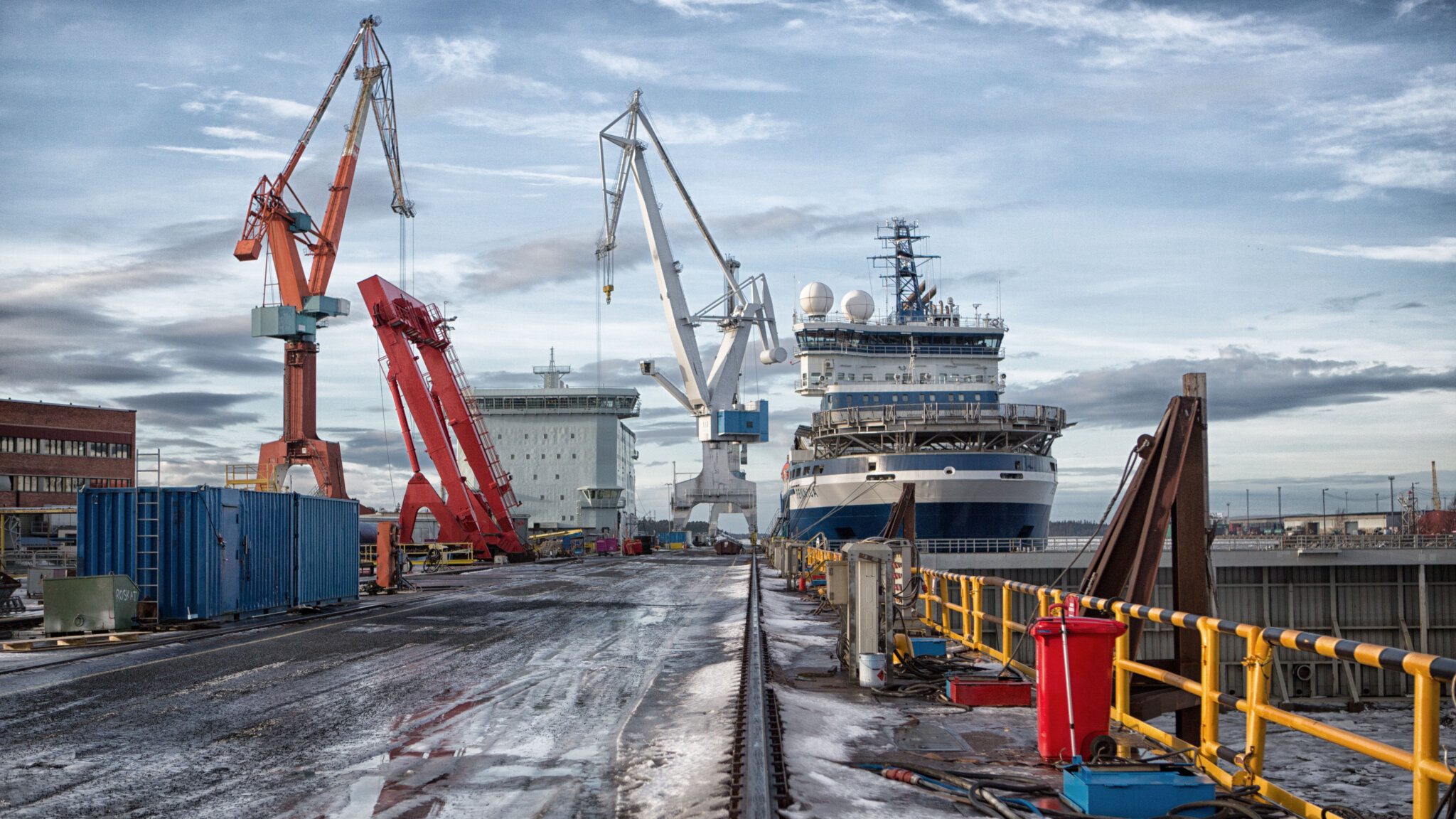
Rauma Marine Constructions in Finland has made rapid progress on the first of two Arctic Security Cutters it is building for the U.S. Coast Guard, with almost half of the vessel's blocks already launched and construction of the second ship approaching, according to the Finnish shipbuilder's chief executive.
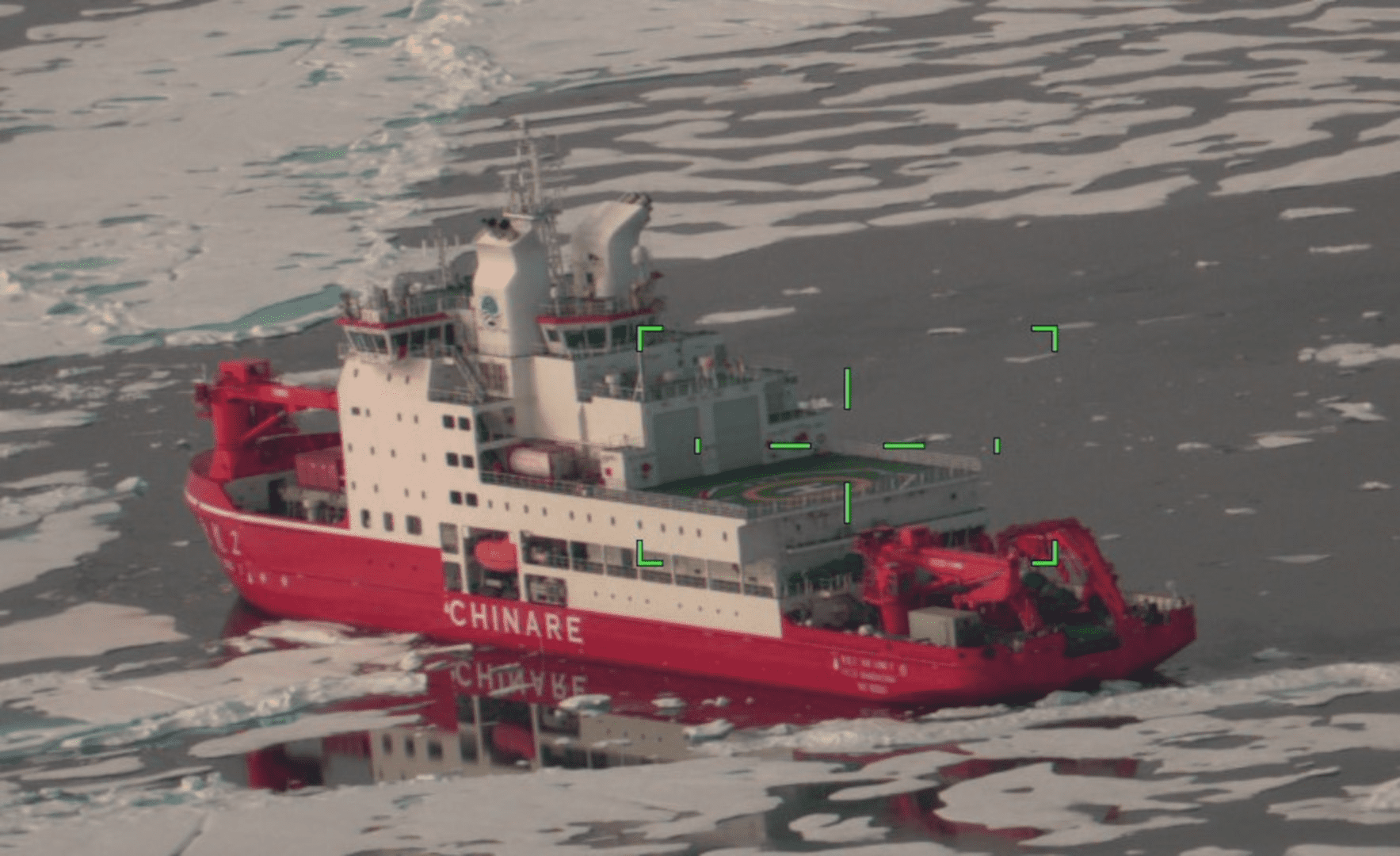
The United States is watching China's presence in its Arctic zone "very closely" amid concerns regarding the security of the US homeland, a senior US Arctic military official said.
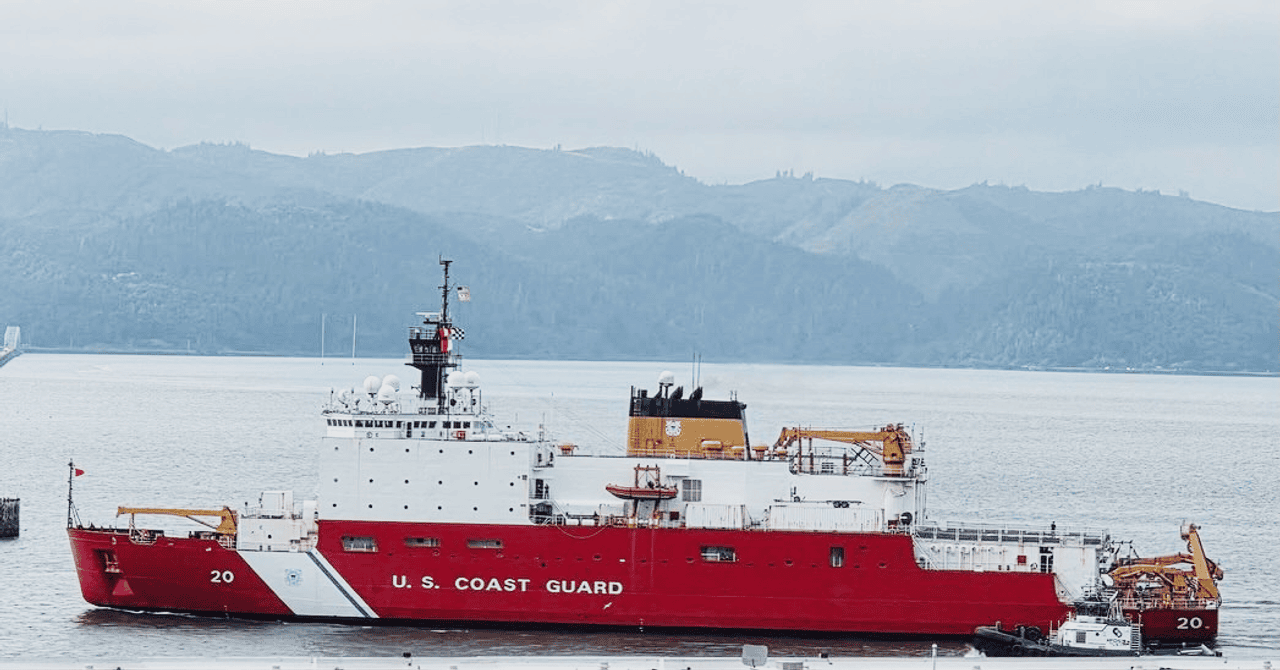
The U.S. Coast Guard’s icebreaker Healy will not carry out its planned high-latitude Arctic mission this summer following a serious engineering casualty in July, a spokesperson said. The statement provides the clearest indication yet of the impact of the incident on the Coast Guard’s key icebreaker.
September 16, 2026
Total Views: 6213
Get The Industry’s Go-To News
Subscribe to gCaptain Daily and stay informed with the latest global maritime and offshore news
— just like 107,091 professionals
Secure Your Spot
on the gCaptain Crew
Stay informed with the latest maritime and offshore news, delivered daily straight to your inbox
— trusted by our 107,091 members
Your Gateway to the Maritime World!
Essential news coupled with the finest maritime content sourced from across the globe.

 Join The Club