By Chen Lin and Isabel Kua (Reuters) – The United States has allowed some transactions to take place with a sanctioned oil supertanker in effort to free the vessel currently stranded in Indonesian waters, the U.S. embassy in Singapore said on Wednesday.
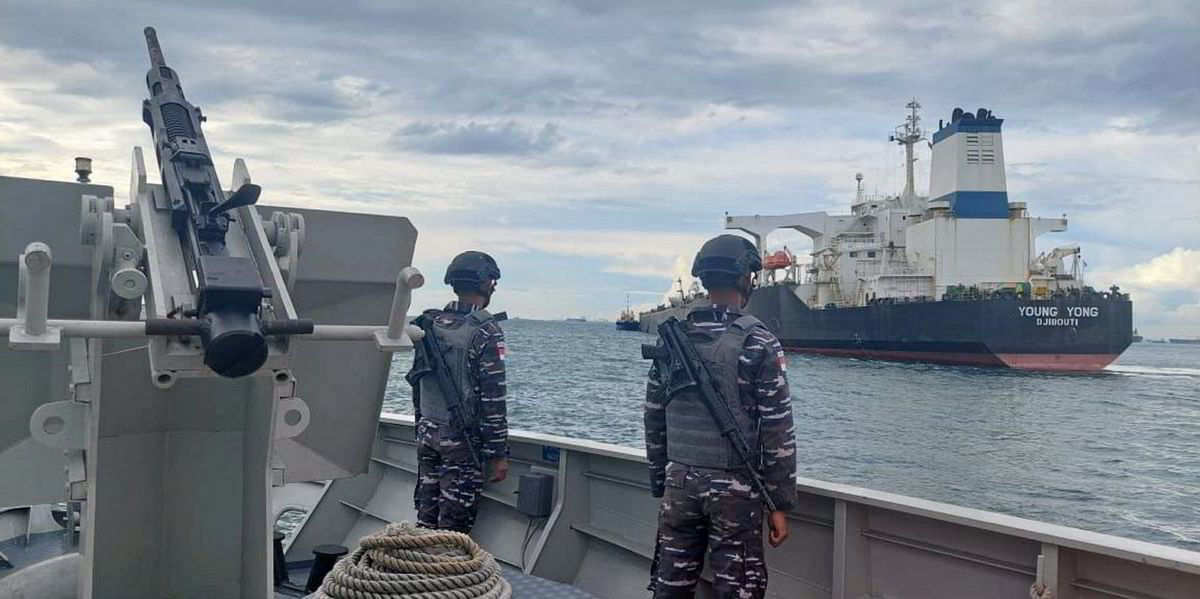
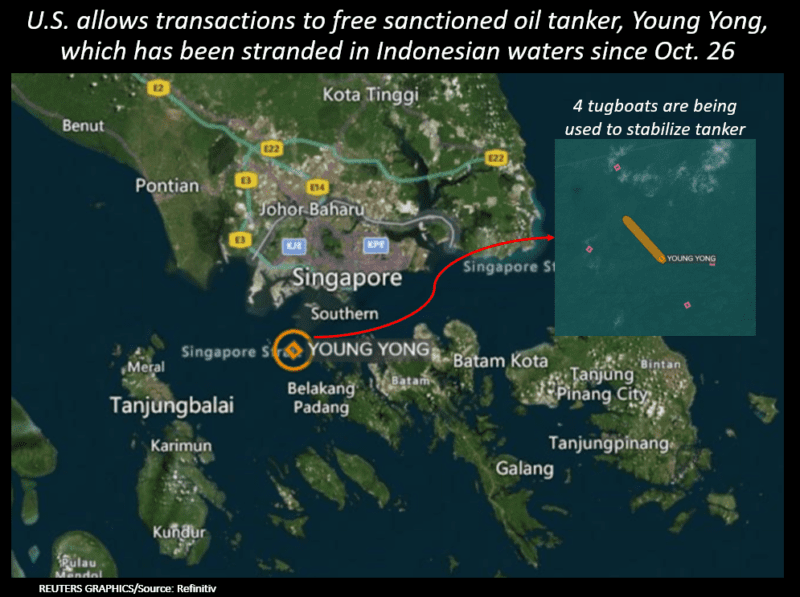
The Indonesian navy has been trying to free the Djibouti-registered ship, Young Yong, which ran aground off Indonesia’s Riau Islands on Oct. 26 near a gas pipeline.
The U.S. last week issued sanctions against an international oil smuggling network it said supports Hezbollah and Iran’s elite Quds Force, targeting dozens of people, companies and tankers as Washington sought to mount pressure on Tehran. The Young Yong was among the vessels sanctioned.
But the U.S. Office of Foreign Assets Control (OFAC) has since permitted certain transactions necessary to dock and anchor the Young Yong safely and to preserve the safety of the crew, the embassy told Reuters in an email.
The OFAC has also allowed for emergency repairs at the ship and measures taken to protect the environment, the mission added.
Capable of carrying 2 million barrels of crude oil, the stranded tanker is almost full, according to shipping data on Refinitiv Eikon. No injuries or leaks have been reported.
“At this time, the (U.S. government’s) highest priority is minimizing the environmental and energy impact of this incident,” the embassy said.
“However, OFAC has not authorized the offloading of cargo.”
Indonesian authorities told Reuters on Monday that it could take up to a month to free the ship after it ran aground in the Singapore Strait near a key pipeline that supplies natural gas to Singapore.
The tanker typically loads crude oil bound for China from floating storage at the Singapore-Malaysia Straits.
The ship is owned by Technology Bright International Co Ltd and managed by East Wind Ship Management Ltd. The companies could not be reached for comment.
Refloating Challenges
There are operational challenges in refloating the ship like the risk of an oil spill and strong currents in the surrounding waters, said Jacob Hogendorp, managing partner of Global Salvage Consultancy.
He added that part of the cargo onboard Young Yong would likely have to be transferred to another ship before refloating commences.
“Provided all assets are available, the job can be accomplished in a few weeks,” Hogendorp said.
Four tugboats are in place to stabilize the supertanker, shipping data on Refinitiv Eikon showed.
Shaun Leong, a partner at law firm Withers KhattarWong, said U.S. authorities would want to be closely involved in all aspects of the handling of the supertanker because the ship may carry evidence on traffic data and navigational history, which could be used to prove allegations around the supertanker’s involvement in the international oil smuggling network.
“Care would have to be taken to ensure that such material are not lost in the recovery of the ship,” he said.
(Additional reporting by Xinghui Kok; Writing by Florence Tan; Editing by Kanupriya Kapoor)
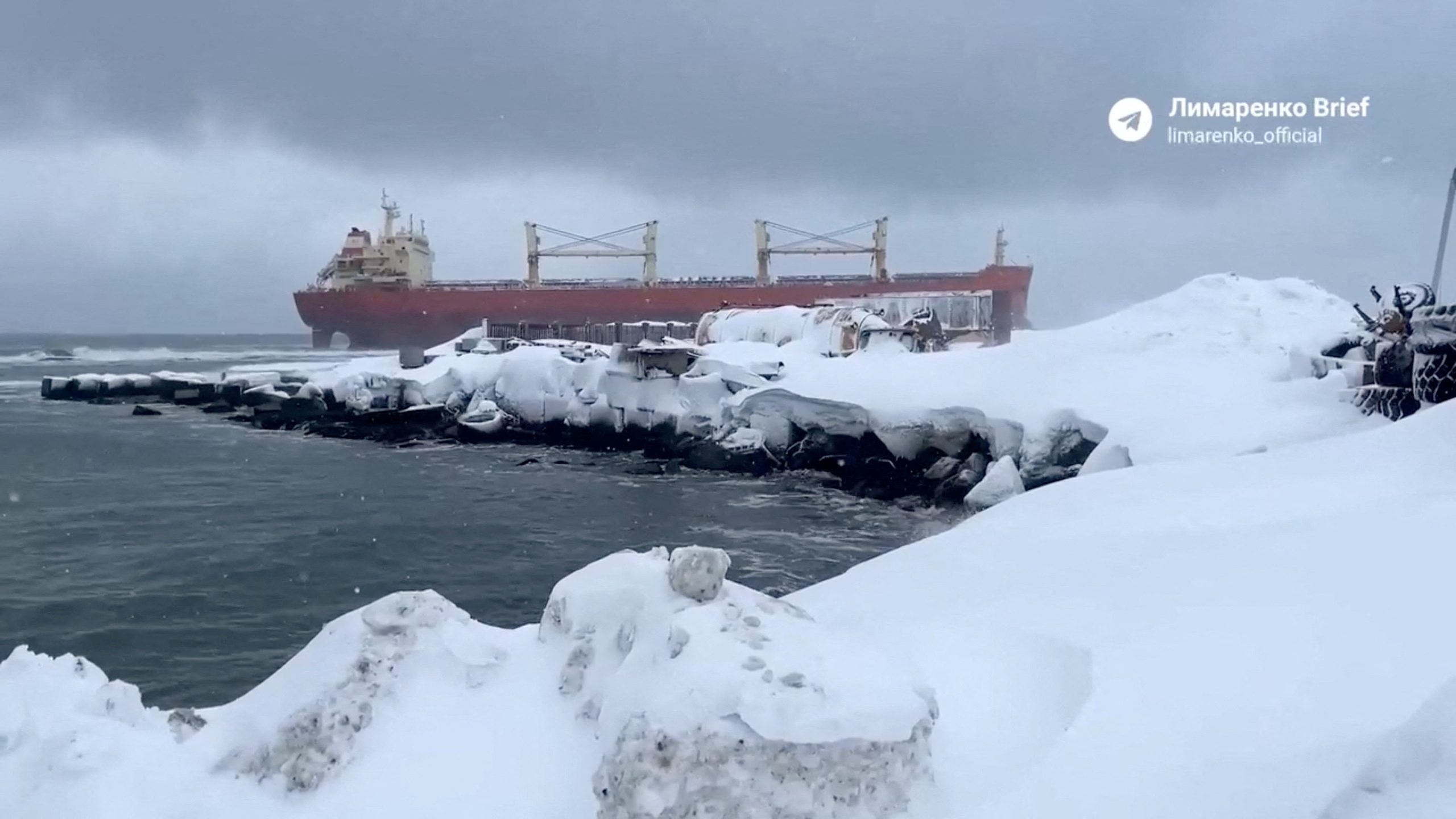
An emergency response team in Russia’s Pacific port of Nevelsk is preparing to pump out fuel from a Chinese bulk carrier that ran aground over the weekend, according to regional authorities.
Feb 9 (Reuters) – A district in Russia’s Sakhalin region has been put on high alert after a Chinese cargo ship ran aground off the southwest coast of the Sakhalin Island, the governor of...
By Captain John Konrad (gCaptain) In a dramatic turn of events, HMNZS Manawanui, the Royal New Zealand Navy’s newly upgraded hydrographic salvage and support ship, ran aground last night during a...
October 6, 2024
Total Views: 15604
Get The Industry’s Go-To News
Subscribe to gCaptain Daily and stay informed with the latest global maritime and offshore news
— just like 107,215 professionals
Secure Your Spot
on the gCaptain Crew
Stay informed with the latest maritime and offshore news, delivered daily straight to your inbox
— trusted by our 107,215 members
Your Gateway to the Maritime World!
Essential news coupled with the finest maritime content sourced from across the globe.

 Join The Club