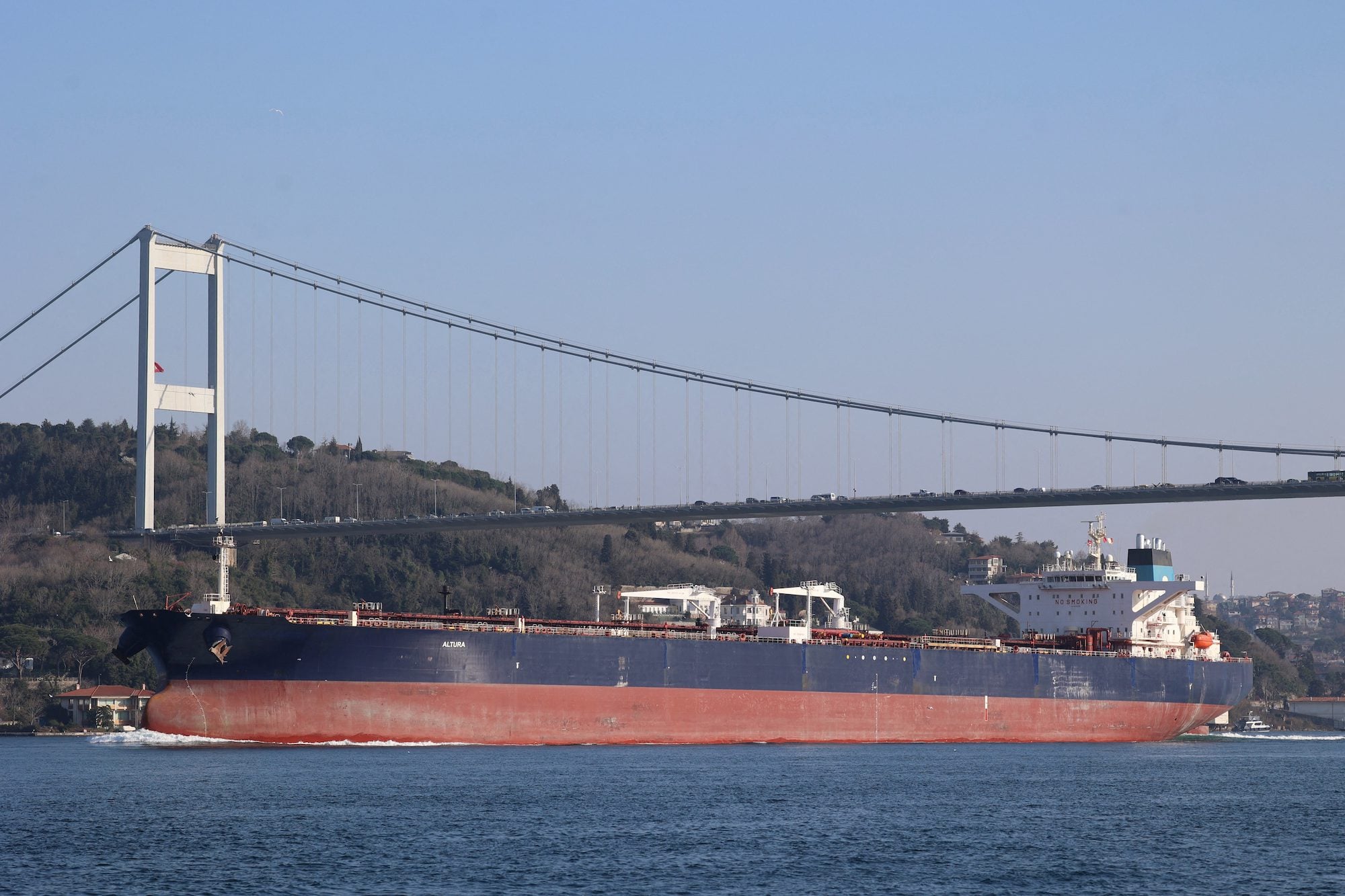
A Turkish-owned tanker carrying Russian petroleum product was struck overnight by a suspected uncrewed surface vessel (USV) in the Black Sea, in what appears to be an escalation in attacks targeting vessels linked to Moscow’s energy trade.
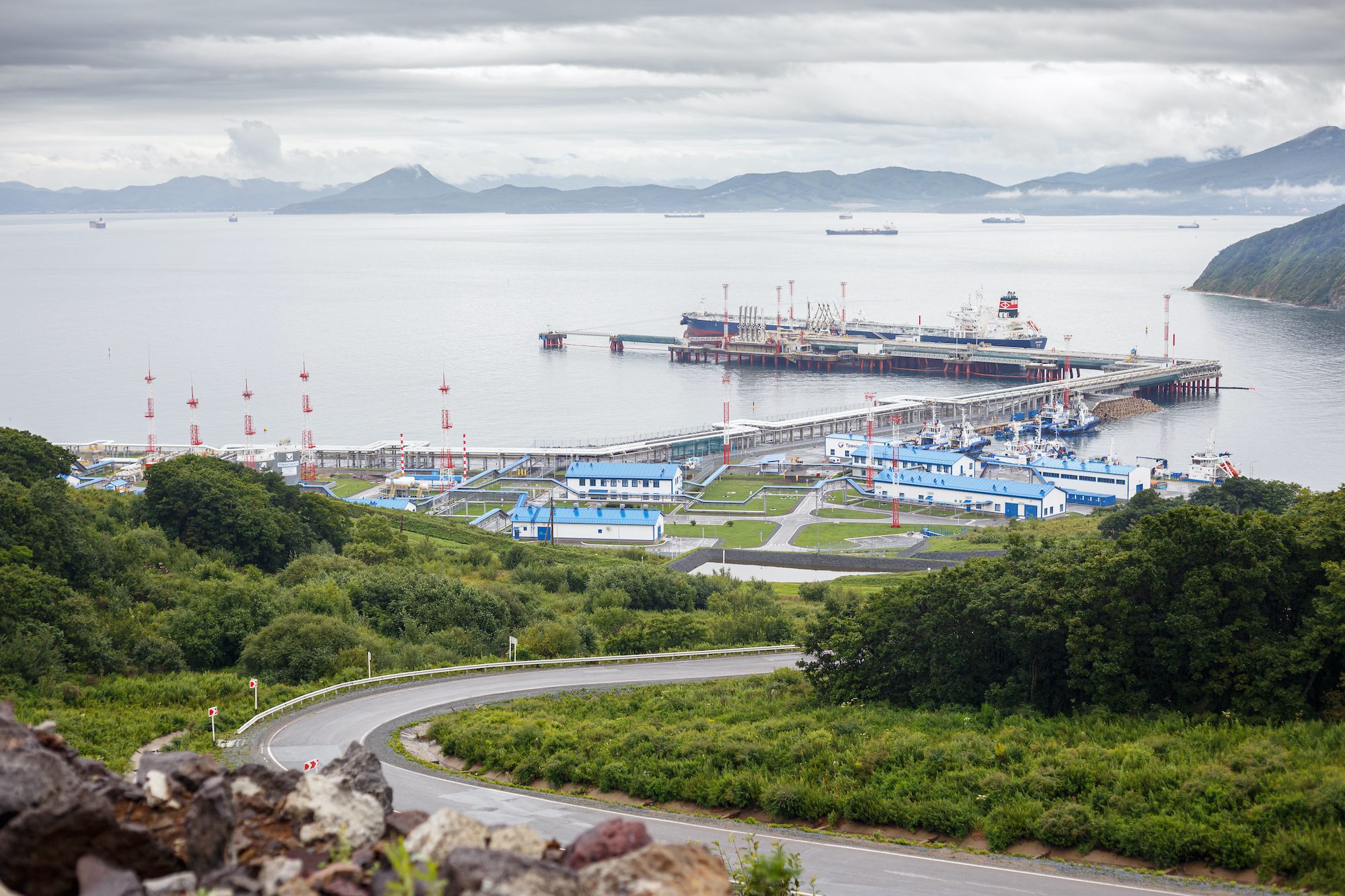
Martin Kelly, Head of Advisory at EOS Group, said the sanctioned tanker ALTURA had loaded approximately 140,000 metric tonnes of Siblight petroleum product at Russia’s Port of Novorossiysk on March 23 and was bound for India when it was hit just after midnight.
The strike reportedly targeted the vessel’s engine room, causing flooding and leaving the ship disabled.
The vessel was located about 12 nautical miles north of the Bosphorus Strait at the time of the incident—an area that sits at the gateway between the Black Sea and global shipping lanes.
According to MarineTraffic data, the 274-meter tanker began drifting at 15:50 UTC on March 25, with a tug response initiated at 23:17 UTC. By 00:30 UTC on March 26, the vessel’s AIS status had been updated to “Not Under Command.” The ship was last reported making just 0.2 knots and showing a reported draught of 15.9 meters, indicating it is heavily laden.
Turkish authorities responded quickly, dispatching two rescue tugs, along with two emergency response vessels, and technical teams to stabilize the situation.
Turkey’s Minister of Transport and Infrastructure, Abdulkadir Uralo?lu, said authorities believe there was “external interference” in the vessel’s engine room. He added that all 27 crew members—reported to be Turkish—are safe and in good condition.
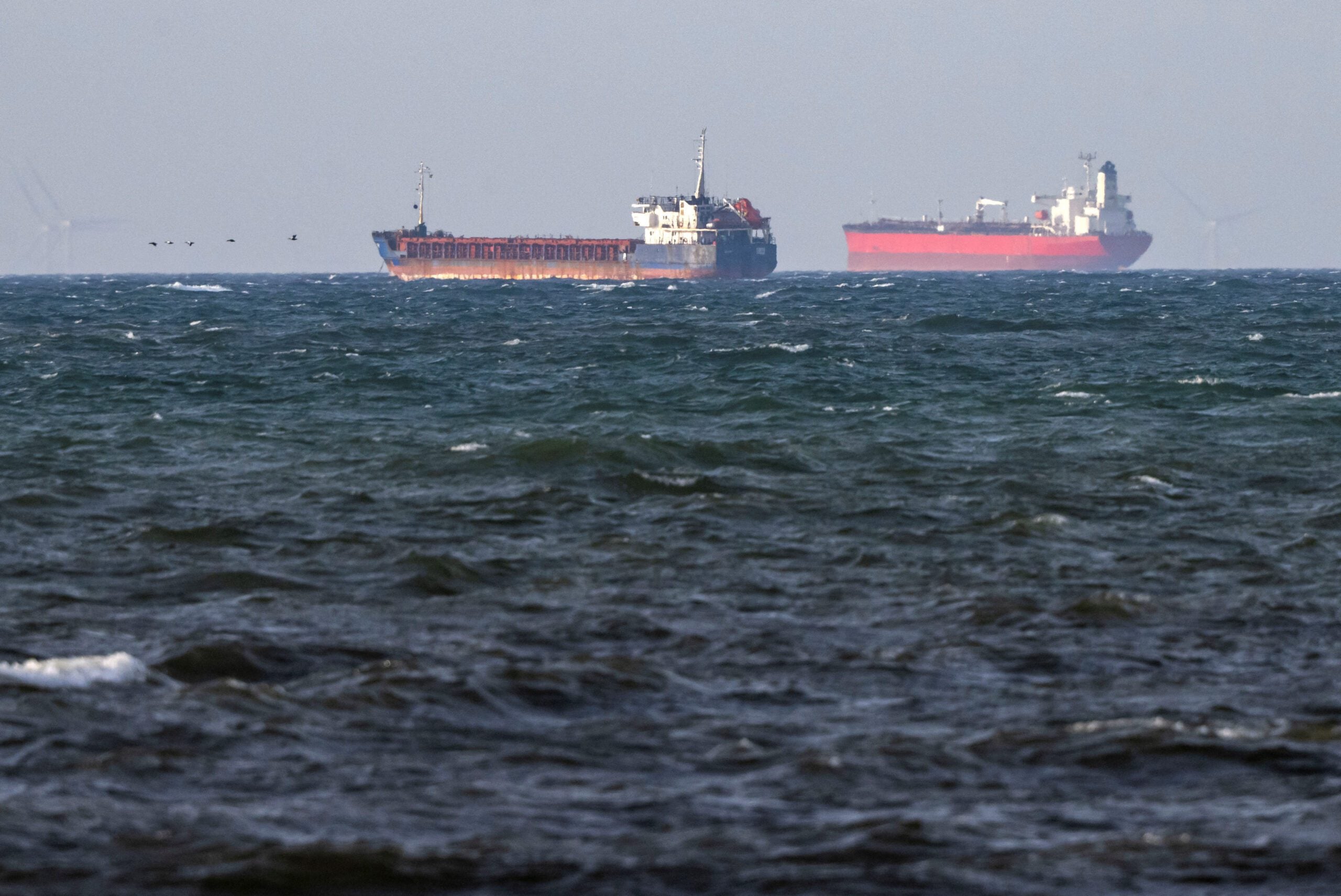
The incident comes amid a widening campaign by Ukraine to disrupt Russia’s oil exports, with attacks increasingly extending beyond ports and into key maritime corridors. Analysts say such strikes are aimed not only at physically disrupting cargo flows but also at raising the risk profile for shipowners, insurers, and charterers engaged in Russian-linked trade.
With the vessel disabled near one of the world’s most strategically sensitive chokepoints, the incident is likely to heighten concerns over the security of Black Sea shipping and the potential for spillover disruptions into broader global trade routes.
Editorial Standards · Corrections · About gCaptain

 Join The Club