By Serene Cheong, Yongchang Chin and Rakesh Sharma (Bloomberg) — Abu Dhabi National Oil Co.’s trading arm is offering to shuttle exports of Iraqi oil through the Strait of Hormuz, using its dark-transit playbook to transport Basrah and other crude to refiners in Asia, according to people familiar with the matter.
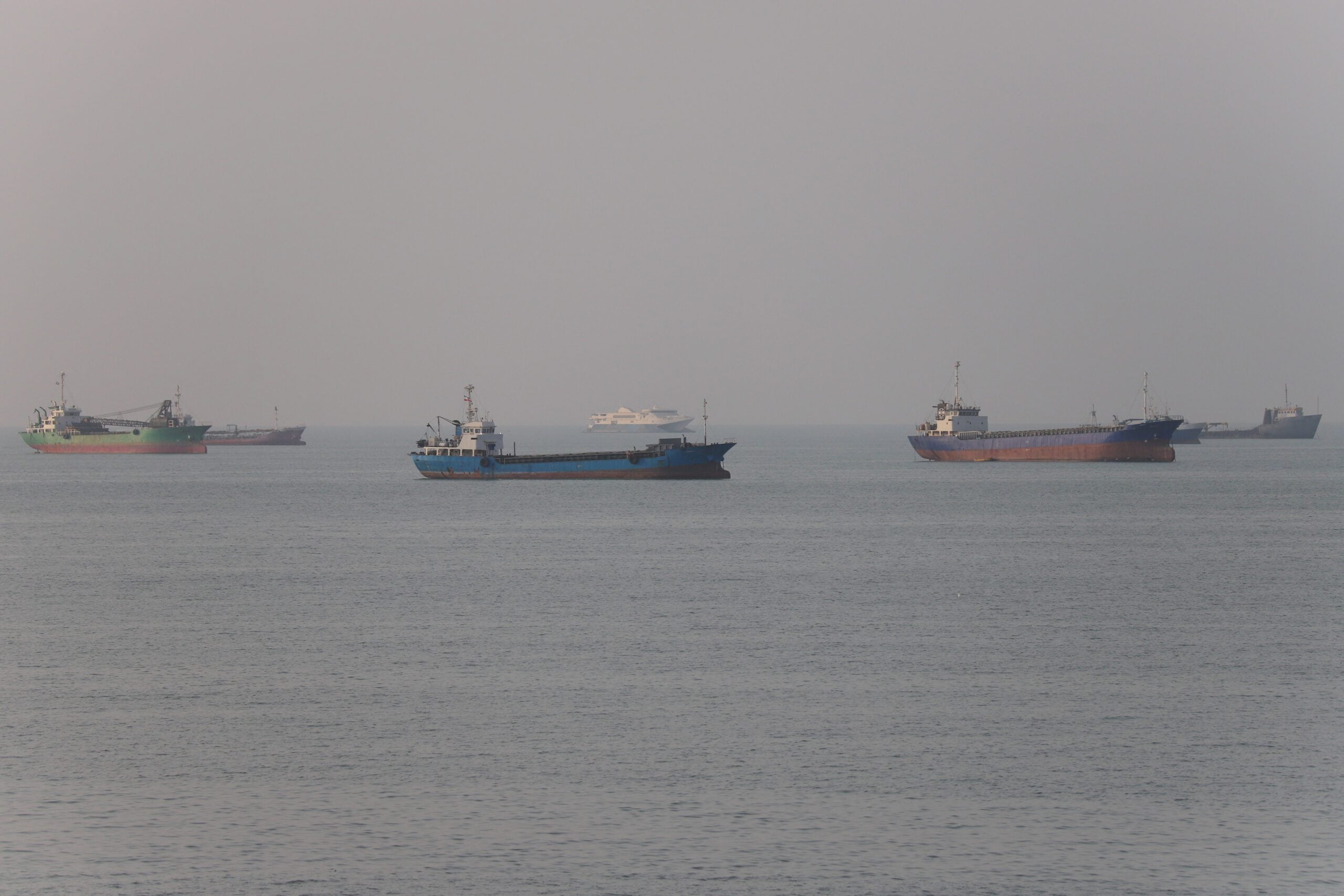
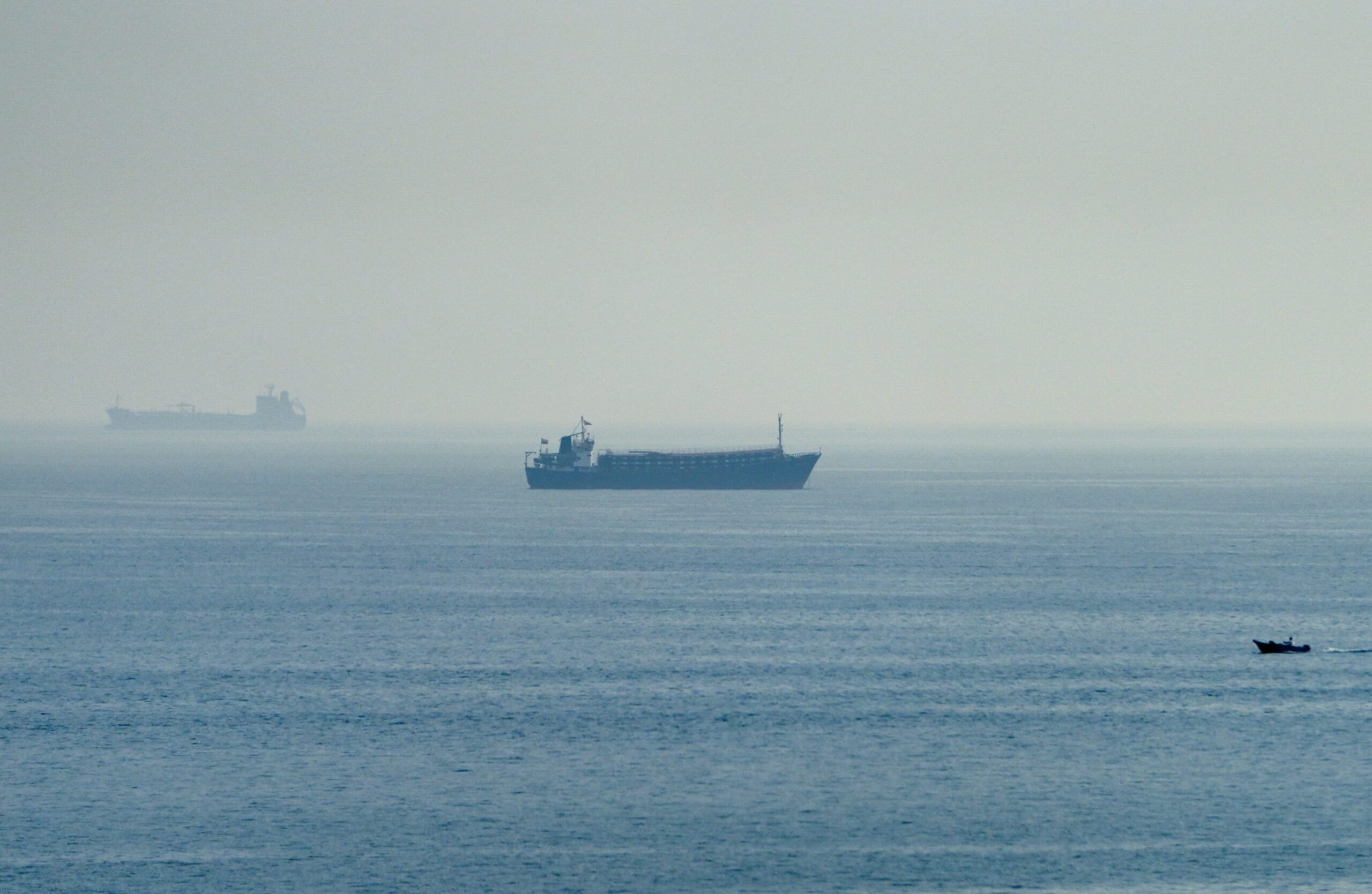
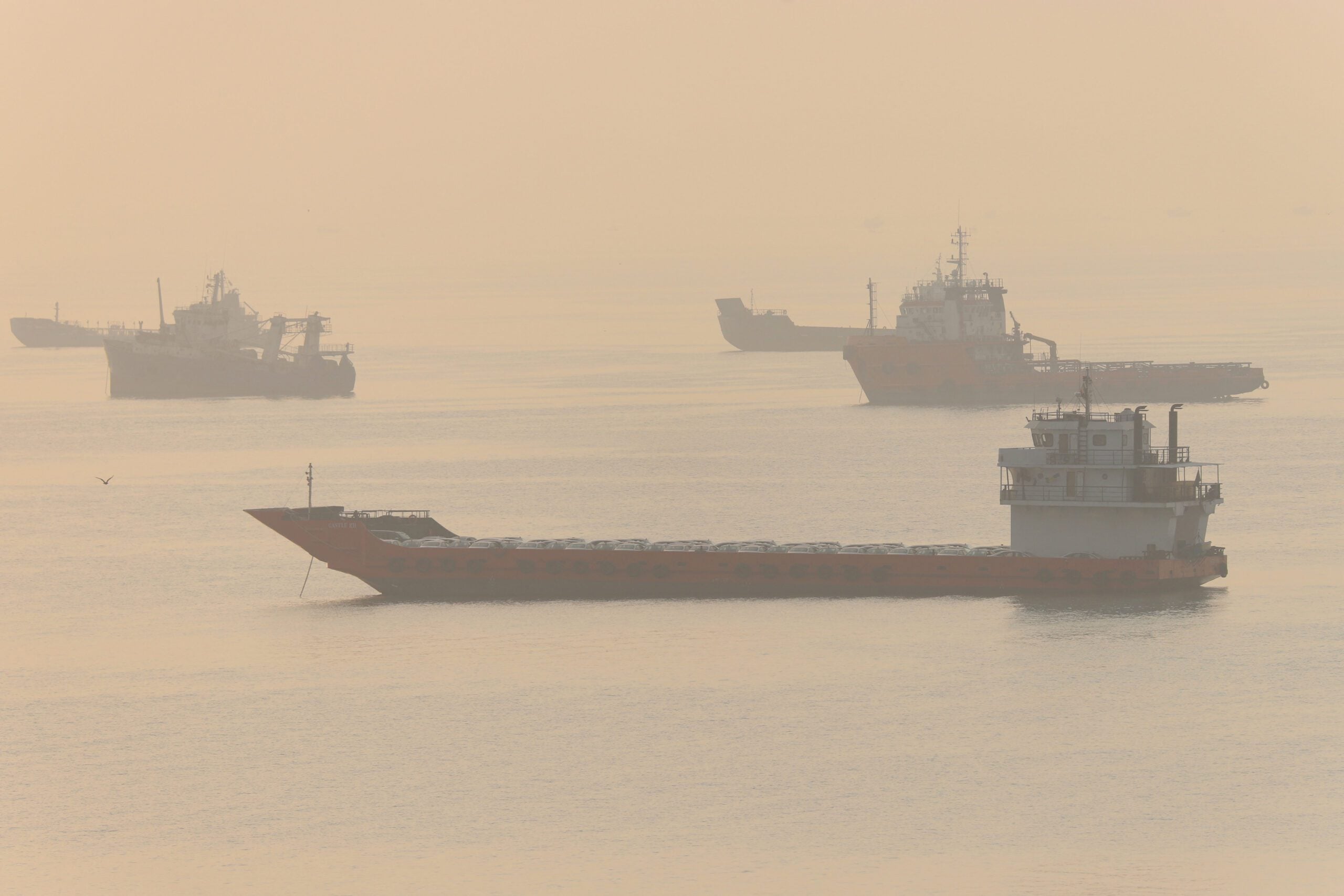
The United Arab Emirates’ state oil company has been the most successful producer at getting its crude out of the Persian Gulf through the Hormuz. It has used so-called shuttling tactics, where vessels make short trips — often with their transponders turned off to avoid detection — before typically transferring their cargoes to other ships just outside the gulf.
In recent days, Adnoc has offered spot cargoes to Asian buyers, using the same method to carry crude from other Middle Eastern producers, most notably Iraq, the people said, asking not to be named as they’re not allowed to speak to the media. Indian refiners were among those receiving offers, they added.
Shuttling, which has also been used by some other producers as well as Adnoc, has become an important means of transporting oil out of the gulf even as the Iran war continues, helping to contain the rise in global prices. However, it’s unusual for Middle Eastern countries to turn to their neighbors to assist with carrying their energy exports.
Until now, trading house Vitol Group and French oil major TotalEnergies SE have been the major carriers of Iraqi crude. Adnoc’s offers may already be having an impact. Ali Nizar, the chief of the country’s state oil marketing company SOMO, said on Tuesday crude exports had recently jumped to around 2 million barrels a day this month. That compares with a 1.5 million to 1.7 million barrels a day estimate from the country’s oil minister last week.
An Adnoc spokesperson said the company doesn’t comment on commercial matters. SOMO didn’t immediately respond to a request for comment.
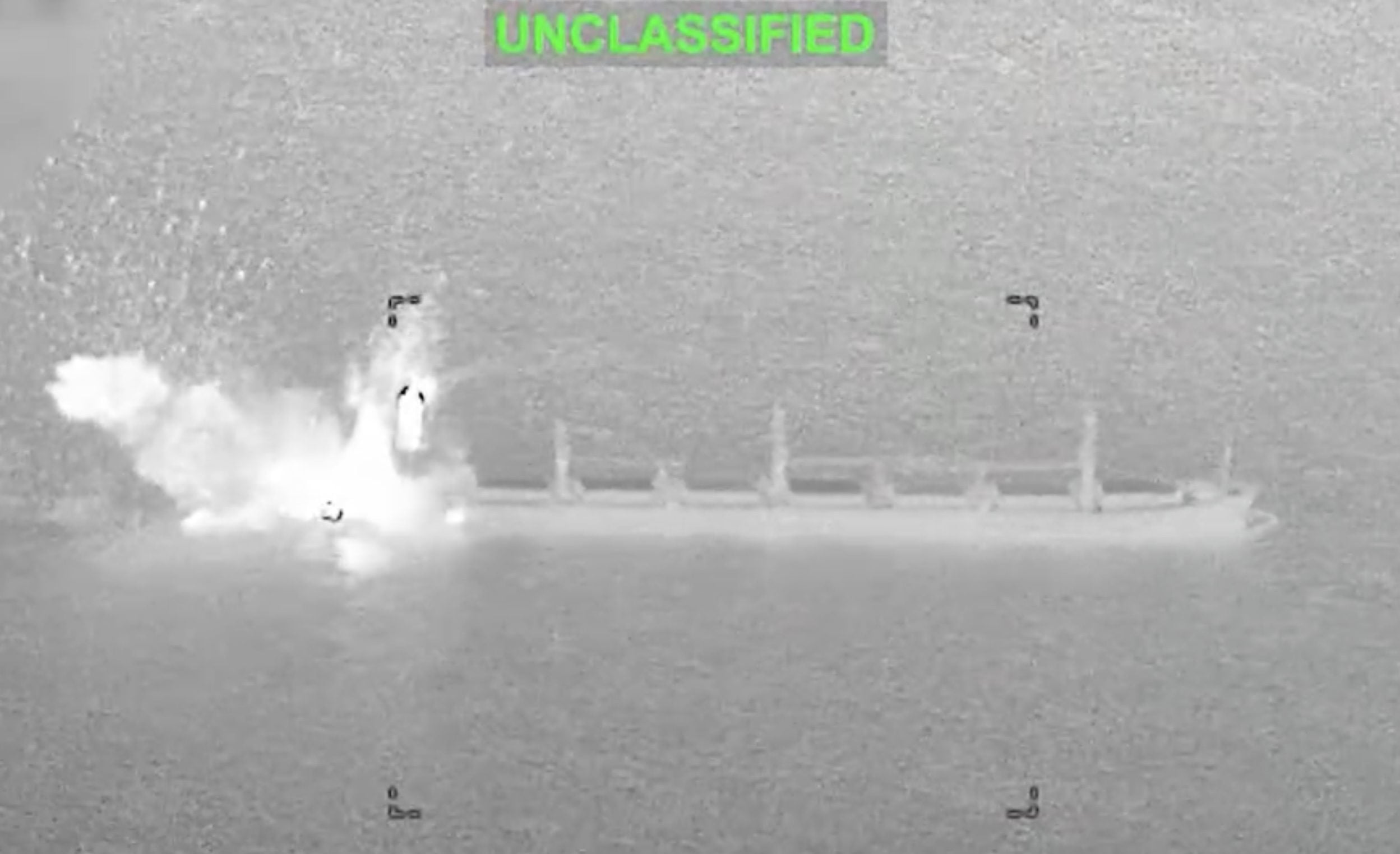
The US and Iran have both recently hardened their stances in negotiations to reopen Hormuz, although Pakistan’s defense minister said on Tuesday that the two sides were close to some sort of arrangement. The stop-start nature of the talks and continued strikes on ships has made it difficult for Persian Gulf producers to export their oil. Several Adnoc tankers were attacked while transiting Hormuz last week.
Offers of oil by traders other than Adnoc have slowed this month as tensions in the Persian Gulf increased again, the people said.
Iraq has so far followed a strategy of selling its oil on a loading basis, relying on other companies to transport the fuel, SOMO’s Nizar told a local television station this week. Adnoc, meanwhile, has its own fleet of ships, which it has expanded recently, and has also hired vessels from Sinokor Group, the world’s largest oil supertanker owner.
SOMO has been offering deep discounts on its oil for companies that were willing to transit Hormuz, slashing prices to as much as $30 a barrel below benchmark prices for volumes loading this month. For its flagship Basrah Medium crude, discounts ranged between $25 and $27 a barrel.
© 2026 Bloomberg L.P.

 Join The Club