The U.S. Department of the Treasury’s Office of Foreign Assets Control announced sweeping sanctions Thursday targeting three nephews of Venezuelan President Nicolas Maduro’s wife, a Panamanian businessman, and six shipping companies involved in Venezuela’s oil sector, marking a significant escalation in Washington’s efforts to dismantle what officials describe as a corrupt narco-trafficking network.
“Nicolas Maduro and his criminal associates in Venezuela are flooding the United States with drugs that are poisoning the American people,” said Secretary of the Treasury Scott Bessent. “These sanctions undo the Biden Administration’s failed attempt to make a deal with Maduro, enabling his dictatorial and brutal control at the expense of the Venezuelan and American people. Under President Trump’s leadership, Treasury is holding the regime and its circle of cronies and companies accountable for its continued crimes.”
The action represents a reversal of Biden-era policies that the Trump Administration’s says offered sanctions relief in exchange for commitments to democratic reforms that never materialized.
Among those redesignated Thursday were Efrain Antonio Campo Flores and Franqui Francisco Flores de Freitas, the so-called “narco-nephews” who were arrested in Haiti in 2015 while finalizing a deal to transport hundreds of kilograms of cocaine to the United States. The pair were convicted on narco-trafficking charges in 2016 but received clemency from President Biden in October 2022. According to Treasury officials, both men have resumed drug trafficking activities since returning to Venezuela.
Also targeted was Carlos Erik Malpica Flores, a former national treasurer of Venezuela and former vice president of state-owned oil company PDVSA, who had been removed from the sanctions list in 2022 as part of negotiations that ultimately failed to restore democratic elections.
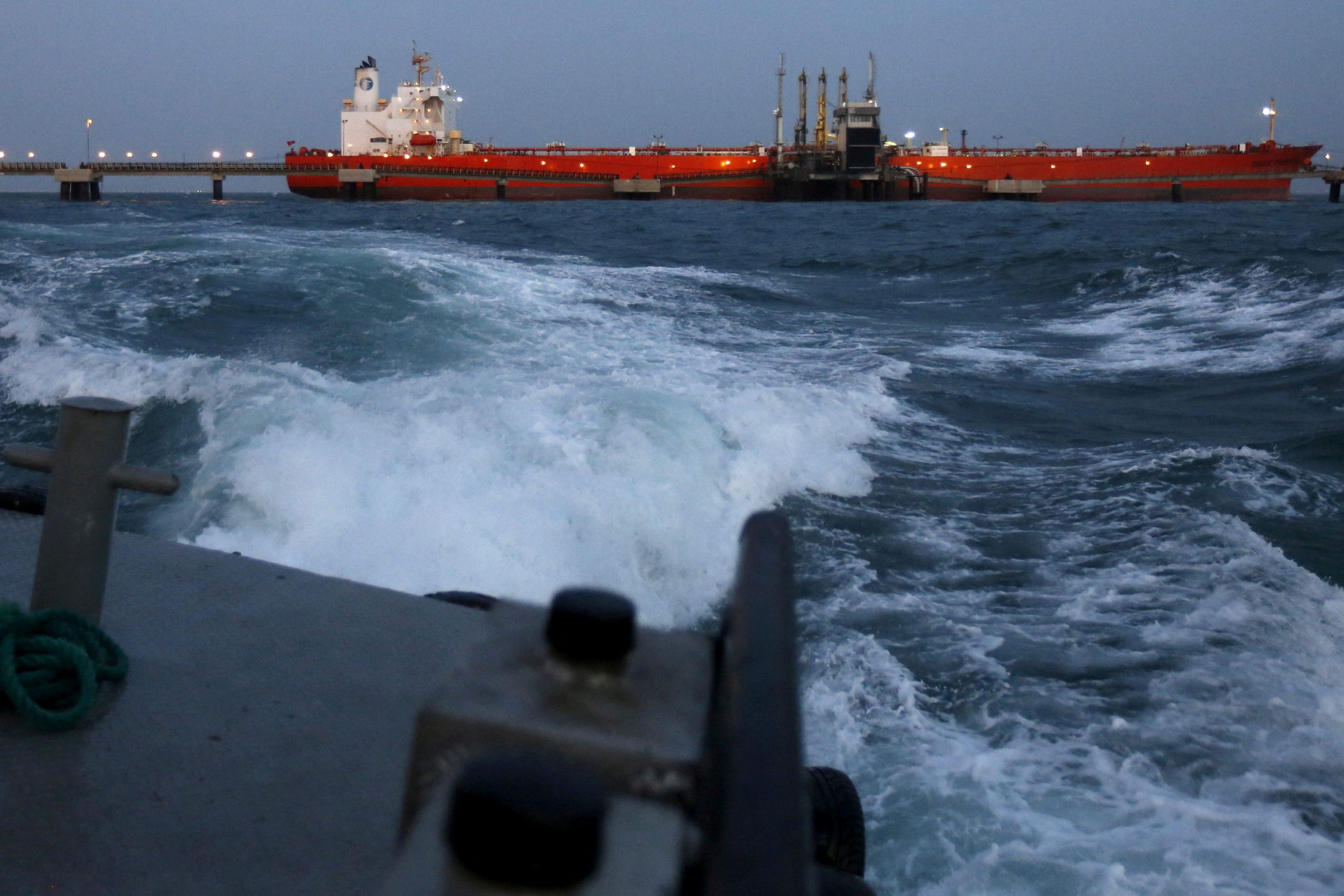
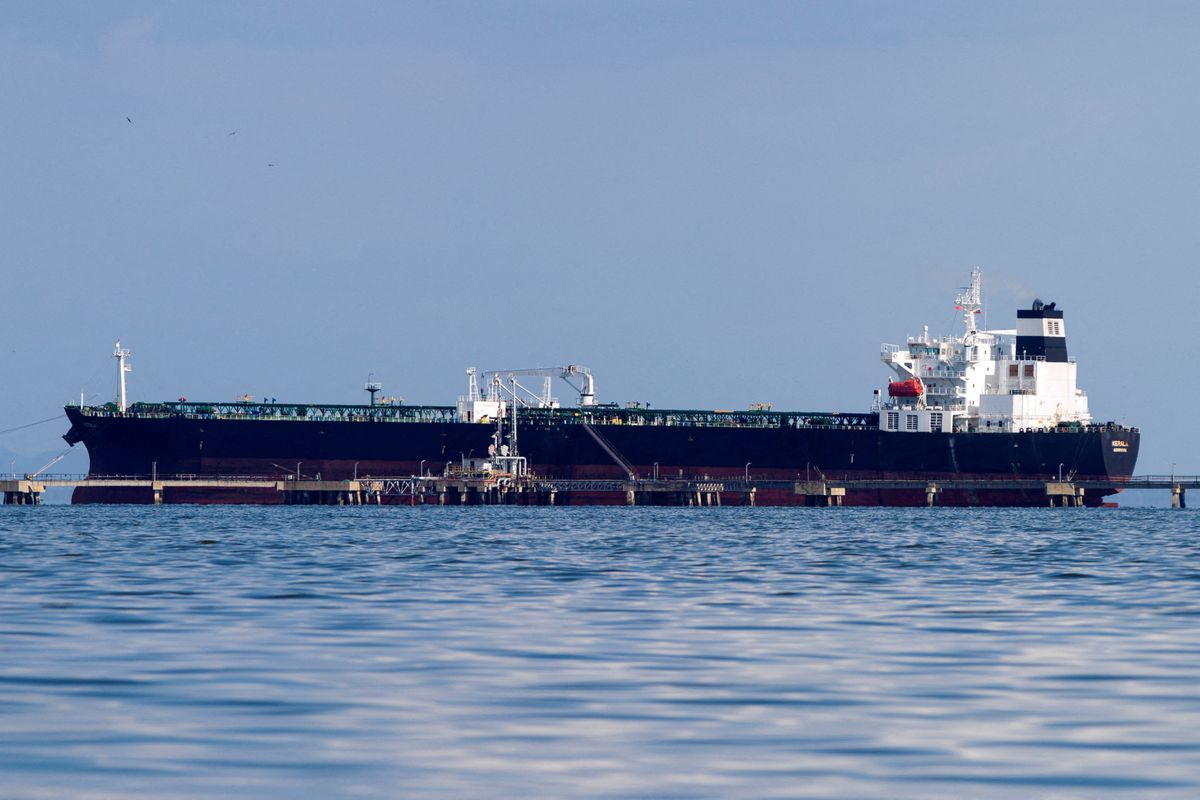
The maritime enforcement component of Thursday’s announcement focused on six shipping companies and their associated vessels that have engaged in what Treasury described as “deceptive and unsafe shipping practices” to transport Venezuelan oil. The designated companies include Marshall Islands-registered firms Myra Marine Limited, Arctic Voyager Incorporated, and Ready Great Limited, along with British Virgin Islands-registered Poweroy Investment Limited, UK-registered Sino Marine Services Limited, and Marshall Islands-registered Full Happy Limited.
The vessels—WHITE CRANE, KIARA M, H. CONSTANCE, LATTAFA, TAMIA, and MONIQUE—have been identified as blocked property. Several have been documented using transmission manipulation to obscure their locations while loading Venezuelan crude, according to OFAC.
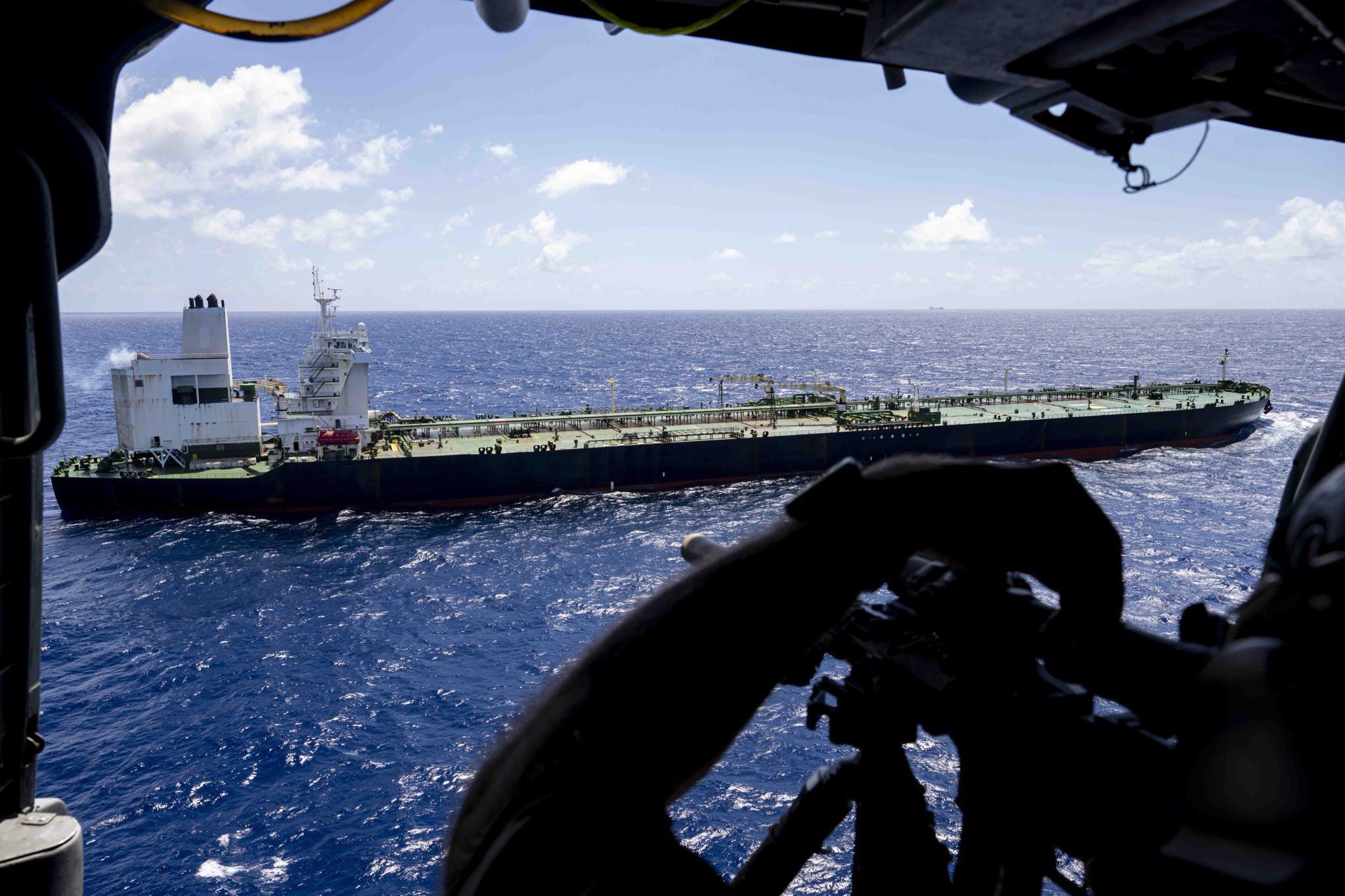
The announcement comes one day after the U.S. Coast Guard executed a dramatic seizure of the oil tanker Skipper off the Venezuelan coast. President Trump confirmed the operation Wednesday, describing it as “the largest one ever” and stating, “We keep it, I guess,” when asked what would happen to the oil.
U.S. Attorney General Pam Bondi posted video footage showing helicopters approaching the vessel and armed personnel in camouflage rappelling onto it, describing it as a joint operation involving the FBI, Homeland Security, Coast Guard, and U.S. military.
Venezuela’s government condemned the seizure as “blatant theft” and “an act of international piracy,” while Iran’s embassy in Caracas called it a “grave violation of international laws and norms.”
The Skipper, previously known as the Adisa, had been sanctioned by the U.S. for alleged involvement in Iranian oil trading.
As a result of the designations, all property and interests in property of the sanctioned entities within U.S. jurisdiction are blocked, and U.S. persons are generally prohibited from engaging in transactions with them. Entities owned 50 percent or more by blocked persons are also automatically blocked under the regulations.
The sanctions represent the latest chapter in a multi-year effort to apply economic pressure on the Maduro regime, which has faced U.S. sanctions on its oil sector since 2019 when PDVSA was first designated and later blocked under executive orders signed by then-President Trump.
Editorial Standards · Corrections · About gCaptain

 Join The Club