The Trump administration on Thursday escalated its economic campaign against Iran by sanctioning Iraq’s deputy oil minister and multiple militia-linked companies accused of helping Tehran smuggle oil and finance armed groups across the Middle East.
The sweeping action by the U.S. Treasury Department’s Office of Foreign Assets Control (OFAC) underscores Washington’s growing focus on illicit oil flows moving through Iraq at a time of heightened instability across Gulf energy markets and continued disruption to commercial shipping in the region.
At the center of the sanctions is Ali Maarij Al-Bahadly, Iraq’s Deputy Minister of Oil, who U.S. officials accuse of using his position to funnel Iraqi oil into networks benefiting Iran and the Iran-backed militia Asa’ib Ahl Al-Haq.
Treasury alleges Maarij helped facilitate the movement of millions of dollars’ worth of oil per day from Iraq’s Qayarah oil field to export terminals where Iranian crude was blended with Iraqi supplies before entering international markets disguised as Iraqi-origin cargo.
The allegations strike at one of the most sensitive pressure points in the global energy system. These murky trade networks have allowed sanctioned Iranian oil to continue reaching world markets despite years of Western restrictions.
The move also comes as Washington intensifies its broader “Economic Fury” campaign against Iran following months of escalating conflict, maritime disruption, and attacks on commercial shipping tied to tensions in and around the Strait of Hormuz.
“Like a rogue gang, the Iranian regime is pillaging resources that rightfully belong to the Iraqi people,” Treasury Secretary Scott Bessent said in the announcement.
Treasury officials said the campaign has already disrupted billions of dollars in projected Iranian oil revenue while targeting cryptocurrency networks, shadow banking channels, and companies allegedly helping Tehran evade sanctions.
The sanctions package extends beyond Iraq’s oil ministry.
OFAC also designated Mustafa Hashim Lazim Al-Behadili, described as a senior economic official for Asa’ib Ahl Al-Haq, along with four Iraq-based oil and transport companies allegedly tied to militia-controlled fuel smuggling and industrial operations.
In a separate action, Treasury sanctioned senior members of the Iran-backed militia Kata’ib Sayyid al-Shuhada, accusing them of coordinating weapons purchases and transfers with Hizballah-linked operatives.
The sanctions freeze any U.S.-linked assets belonging to the designated individuals and companies while prohibiting U.S. persons from conducting business with them. Treasury also warned that foreign financial institutions facilitating transactions involving the sanctioned entities could themselves face penalties or restrictions.
For global shipping and energy markets, the action highlights the increasingly blurred line between geopolitics, sanctions enforcement, and maritime trade.
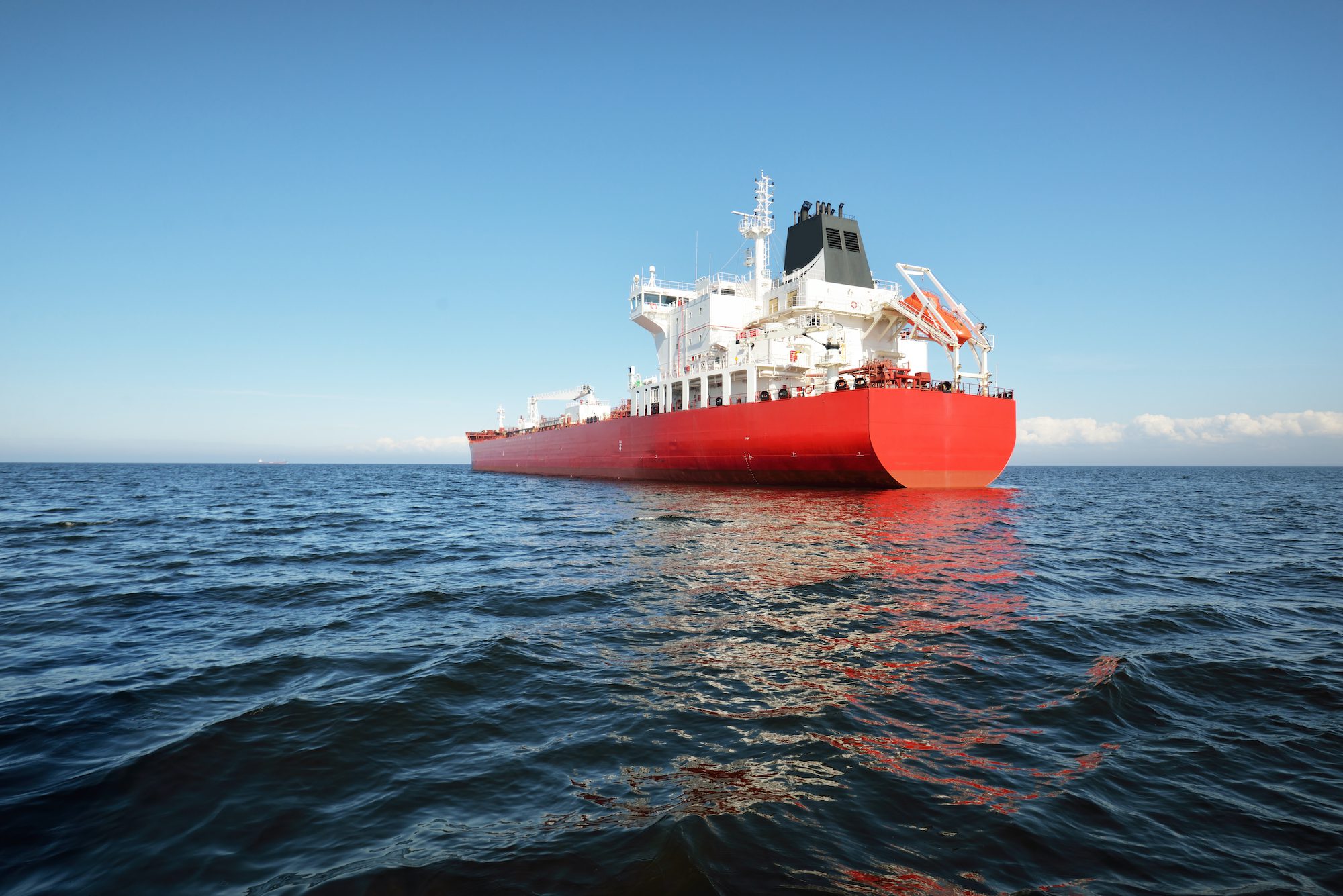
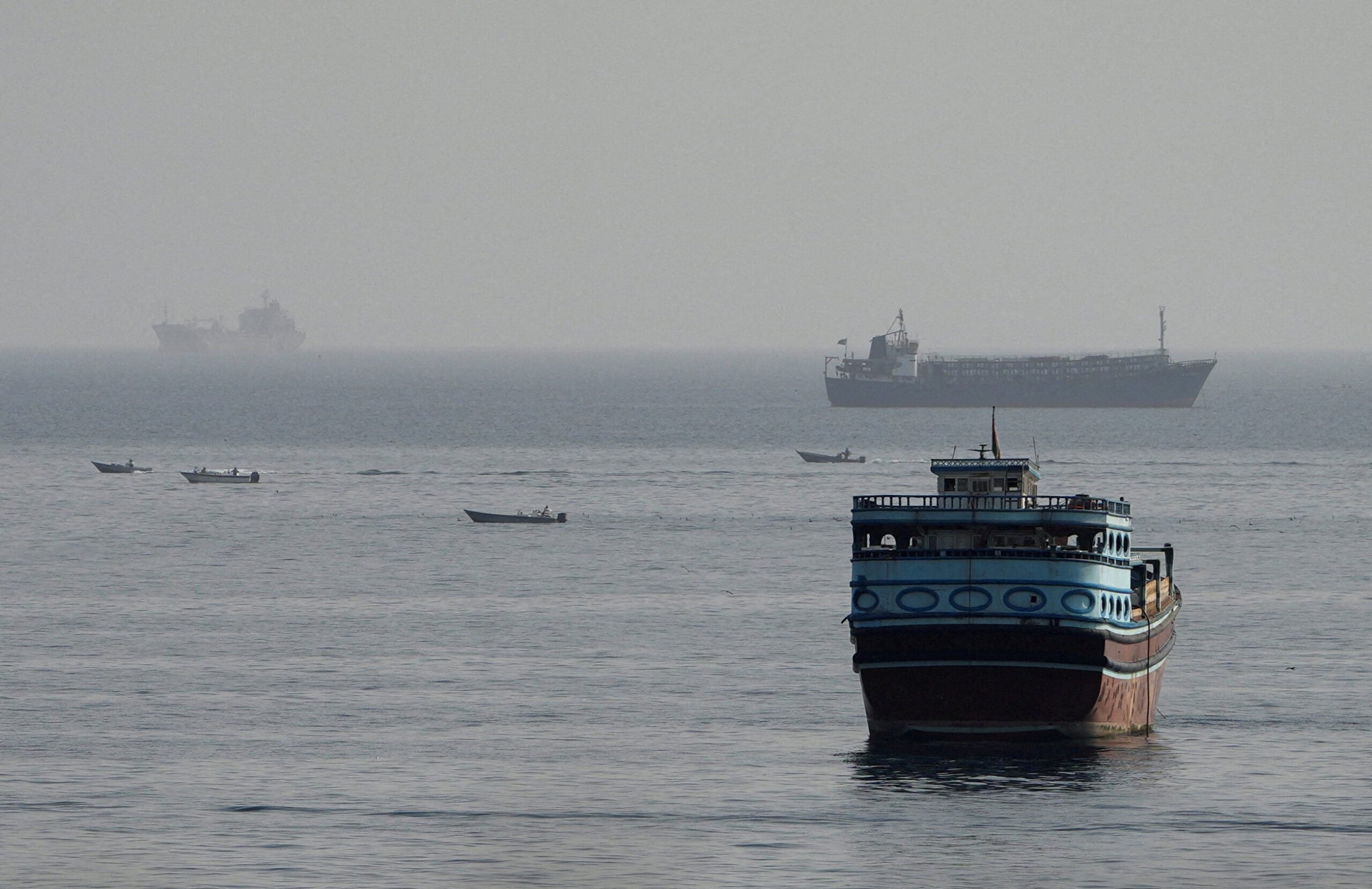
Iranian crude exports have continued flowing through a complex web of ship-to-ship transfers, falsified cargo documentation, blended oil cargoes, and opaque trading networks operating across the Gulf and Asia. U.S. officials have repeatedly warned that maritime operators, traders, insurers, and financial institutions involved in those networks face growing sanctions exposure.
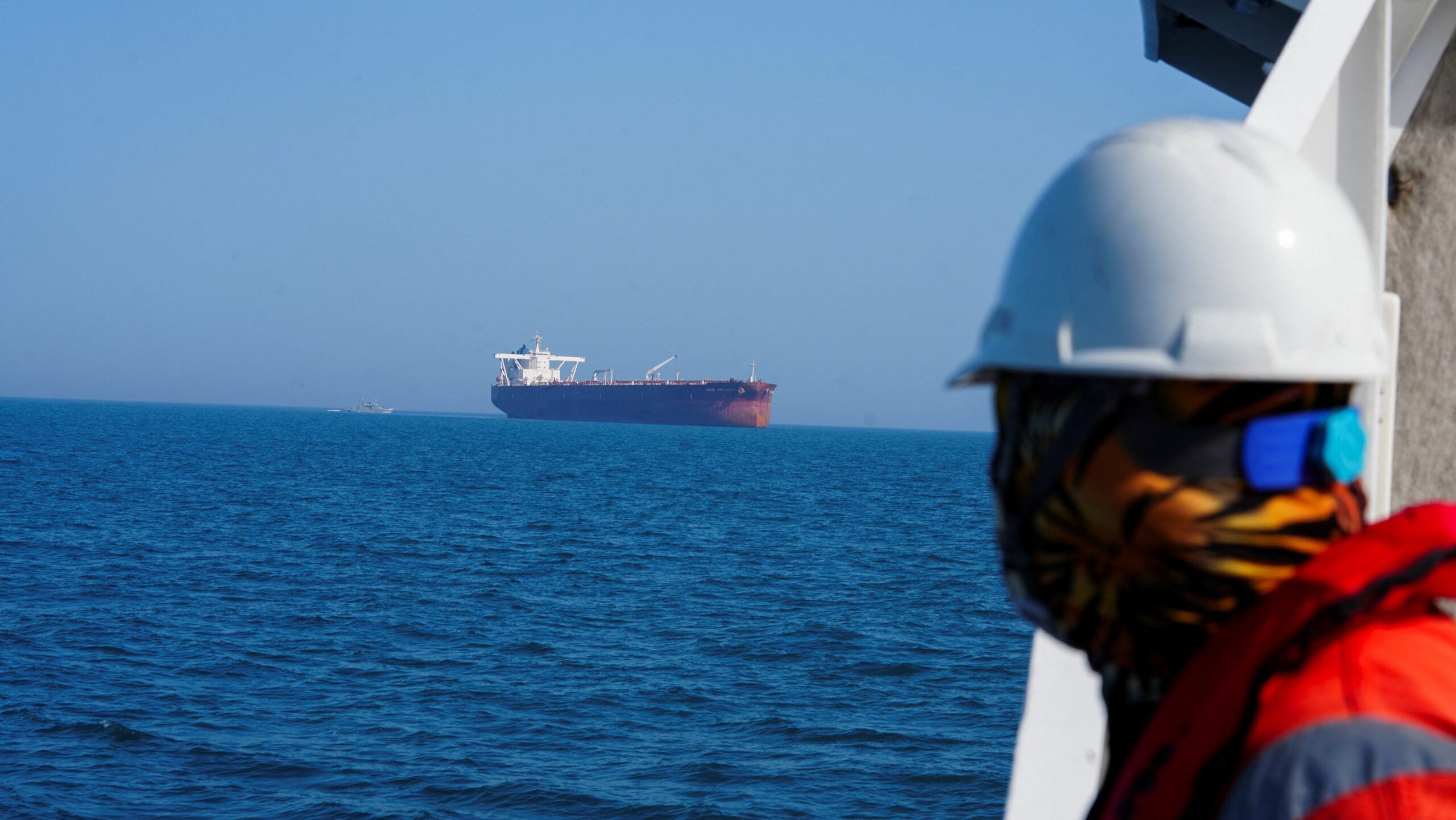
The latest crackdown also lands as tanker operators remain on edge over security risks in the Persian Gulf following months of attacks, military escorts, blockades, and soaring war-risk insurance costs tied to the U.S.-Iran confrontation.
With Washington now targeting Iraqi officials allegedly tied to those oil flows, the sanctions campaign appears increasingly focused not just on Iran itself, but on the broader regional infrastructure enabling Tehran’s energy trade to survive under pressure.

 Join The Club