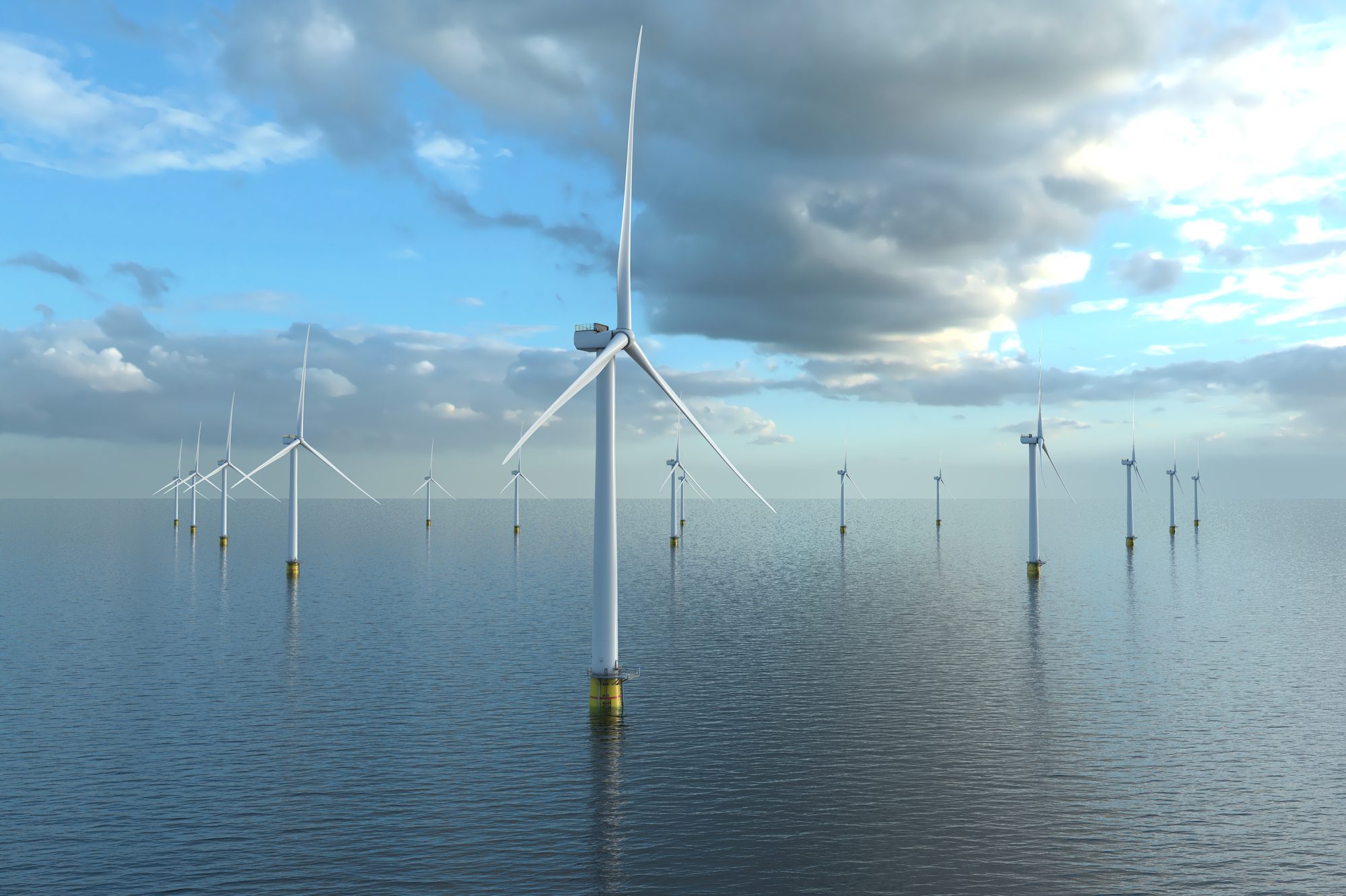
Delays involving U.S.-built support vessels have pushed back turbine installation at Equinor’s Empire Wind offshore wind project off New York, with first power now expected in the first half of 2027.
Norwegian energy giant Equinor said Thursday that the 810-megawatt project is approximately 80% complete, but construction delays affecting specialized vessels needed to install its 54 wind turbines have pushed the schedule back several months.
The update came as Equinor reported its third-quarter 2026 financial results.
“Most of the remaining project scope relates to offshore turbine installation, which is expected to start next year,” Equinor Chief Financial Officer Torgrim Reitan told investors. “This is a bit later than planned.”
The delay underscores the challenges of building out the U.S. offshore wind industry, particularly its reliance on specialized vessels and domestic shipbuilding capacity to meet requirements under the Jones Act.
Empire Wind is using a turbine installation system developed by Maersk Offshore Wind, centered on the Singapore-built installation vessel Maersk Viridis.
Because the vessel is foreign-built, it cannot transport turbine components between U.S. points under the Jones Act. Instead, the project relies on specially designed U.S.-built barges and tugs to deliver turbine components from the South Brooklyn Marine Terminal to the installation vessel offshore.
The barges are designed to connect directly to Maersk Viridis, allowing turbine components to be transferred for installation without the installation vessel returning to port.
While Maersk Viridis arrived off Pascagoula, Mississippi, in August for testing and preparations, delays involving the U.S.-built support vessels have pushed back the turbine installation campaign.
Equinor said all 54 turbine foundations have been completed, along with the offshore substation and cable work.
The project is located approximately 14 miles south of Long Island and is expected to generate enough electricity to power roughly 500,000 New York homes once operational.
Budget Unchanged Despite Delays
Despite the schedule setback, Equinor said it does not expect any change to the project’s total capital expenditure, although some spending will shift from 2026 into 2027.
The company has previously estimated the project’s total investment, including redevelopment of the South Brooklyn Marine Terminal, at approximately $7.5 billion.
Equinor also expects approximately $2.5 billion in U.S. investment tax credits, with roughly $2 billion expected to be recognized in 2027 and the remaining $500 million in 2028.
The company said the revised construction schedule is not expected to affect the timing of those tax credits.
Construction Continues After Federal Stop-Work Orders
The latest delay follows a turbulent period for Empire Wind, which has faced repeated attempts by the Trump administration to halt construction.
The administration first ordered work stopped in April 2025, citing concerns over the project’s federal permitting process. That order was lifted the following month.
A second suspension followed in December 2025, when the Bureau of Ocean Energy Management ordered construction halted on Empire Wind and four other offshore wind projects over national security concerns.
Equinor challenged the suspension in federal court and secured preliminary relief allowing construction to continue.
In its third-quarter financial statements, Equinor said the court dismissed the case on September 30, 2026, after the suspension order expired. The company said the dismissal eliminated the risk that a $2.7 billion project loan could become repayable within 12 months as a result of the order.
Empire Wind remains one of the largest offshore wind projects under construction in the United States, with its latest setback highlighting the growing importance of domestic vessel construction to the industry’s ability to deliver projects on schedule.

 Join The Club