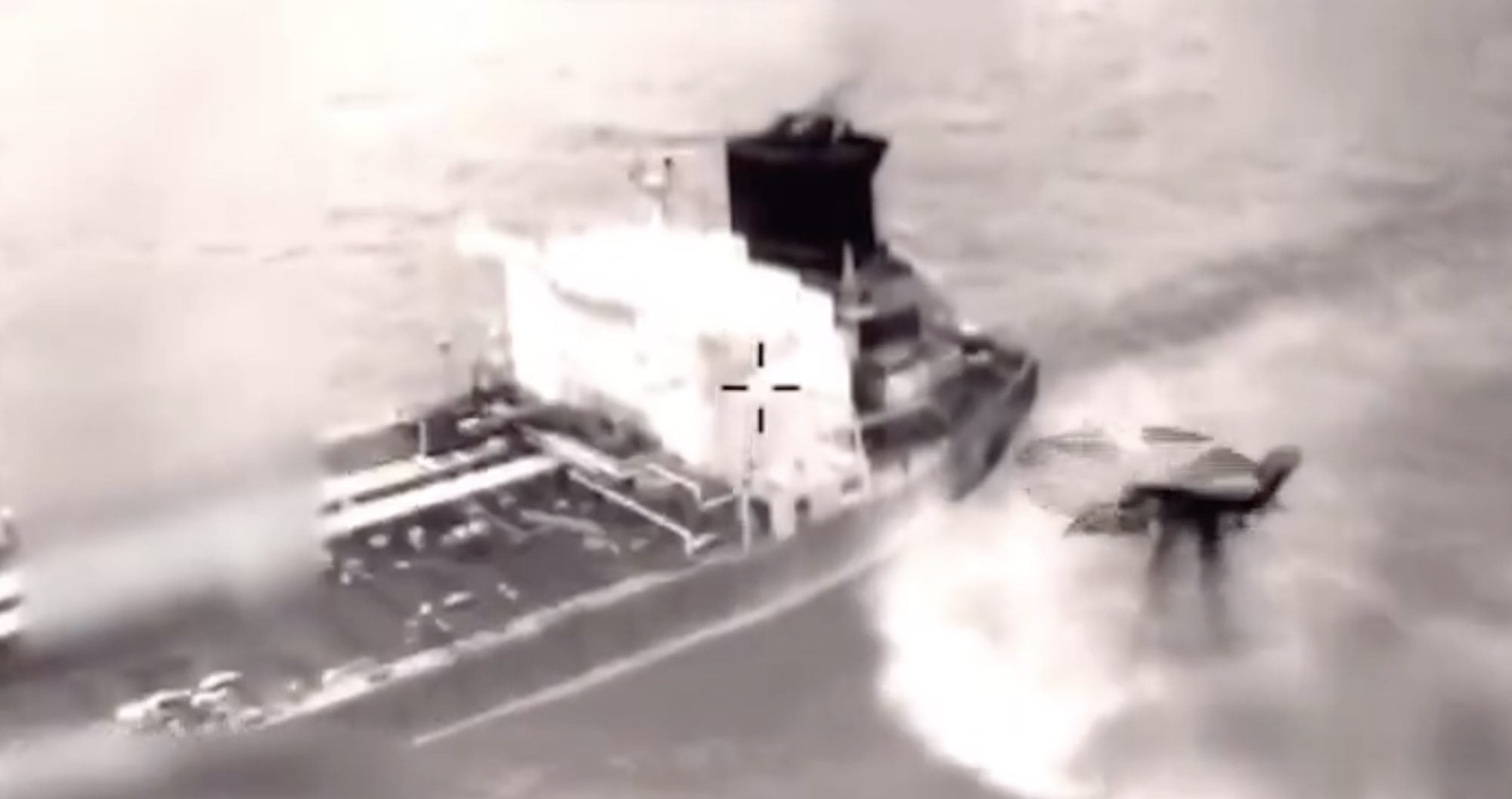
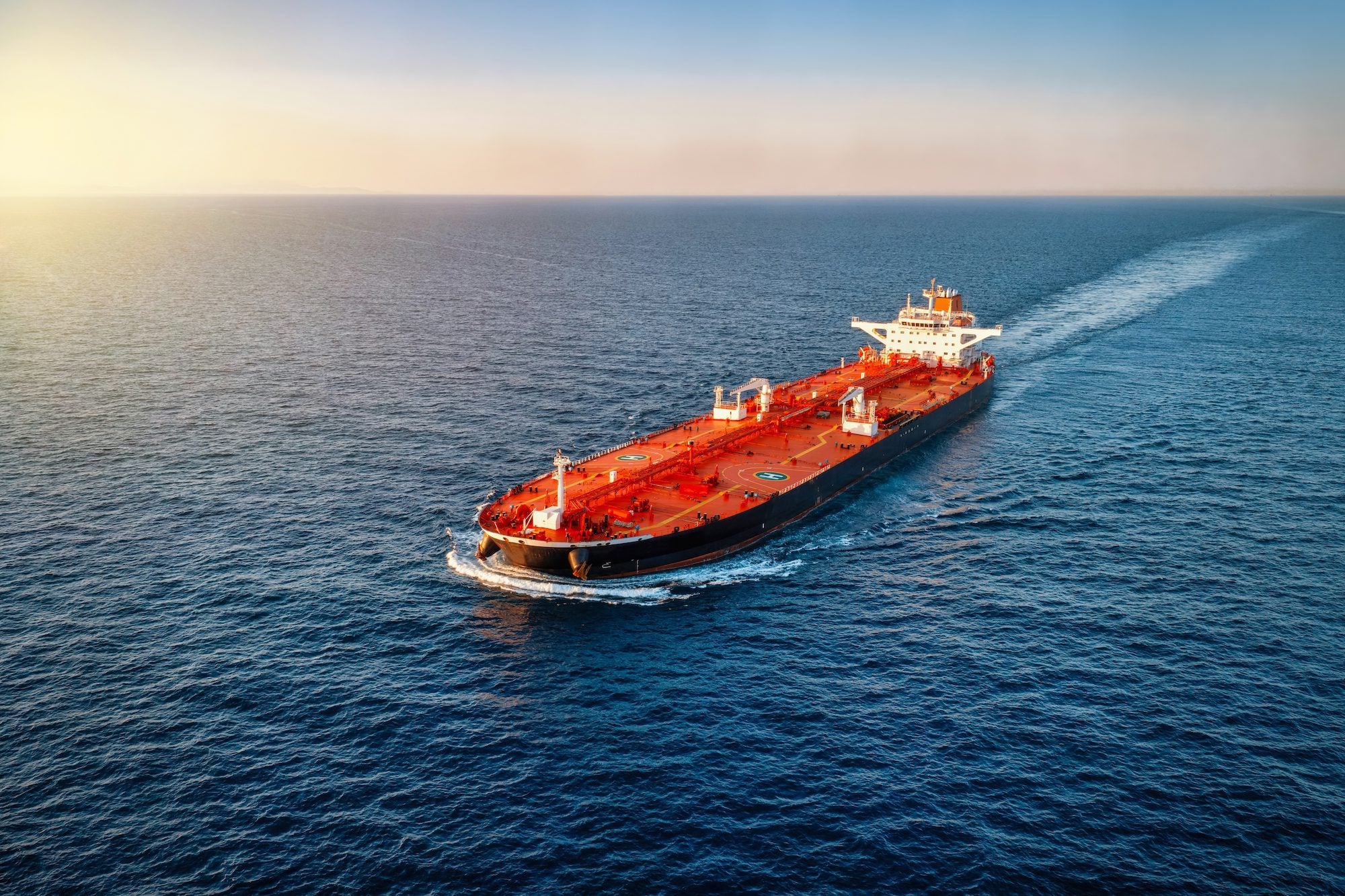
U.S. authorities boarded and seized the oil tanker Olina in Caribbean waters on Friday, marking the fifth such interception in recent weeks as Washington escalates its campaign against vessels allegedly linked to sanctioned Venezuelan crude and operating under deceptive flags.
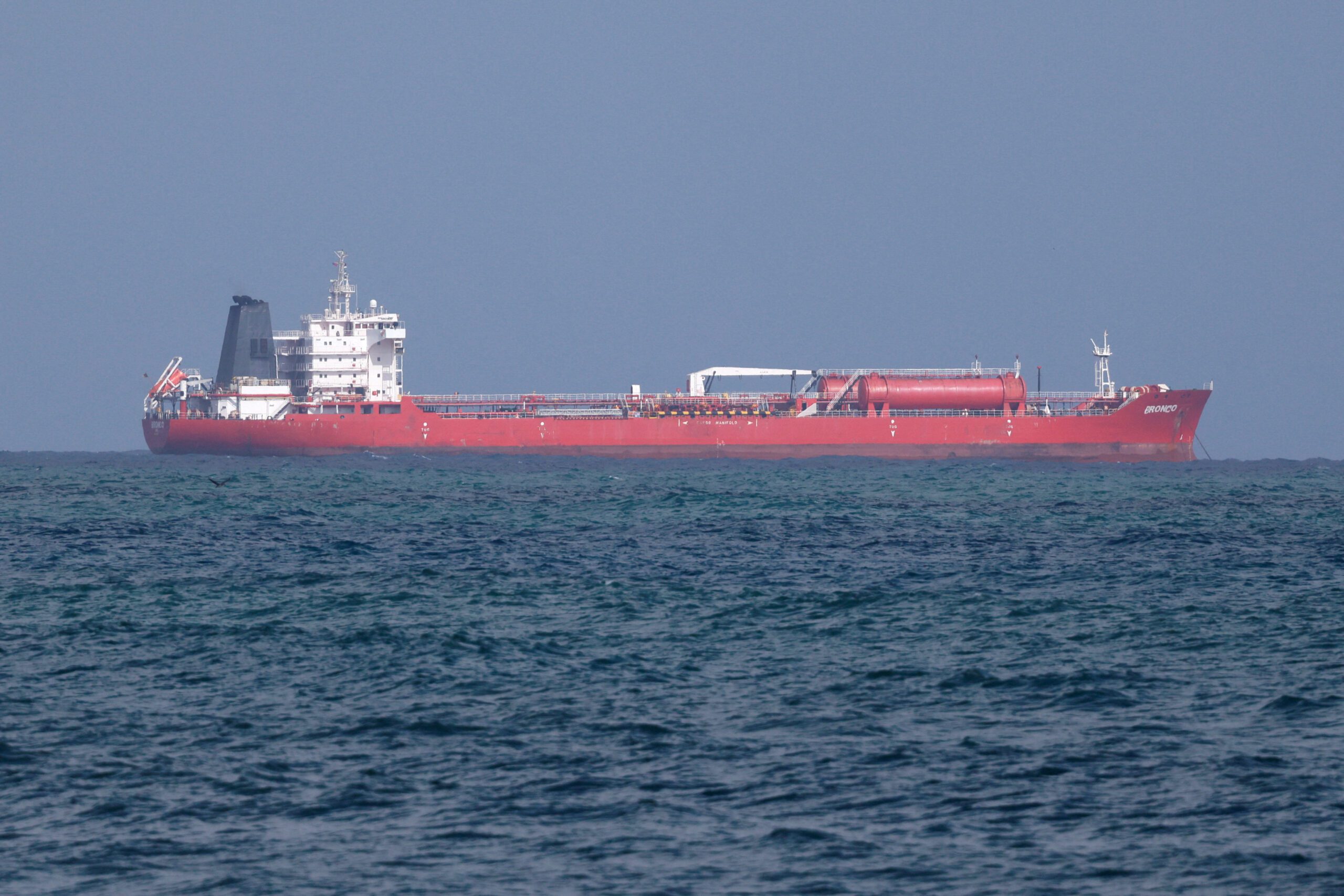
U.S. forces took control of the 114,809-deadweight-ton Olina in the Caribbean near Trinidad on Friday, the latest in a string of high-profile maritime seizures aimed at enforcing sanctions tied to Venezuela’s oil exports.
The action follows the capture of two other tankers this week, M Sophia in the Caribbean and Bella 1 (also known as Marinera) in the North Atlantic, with assistance from British authorities.
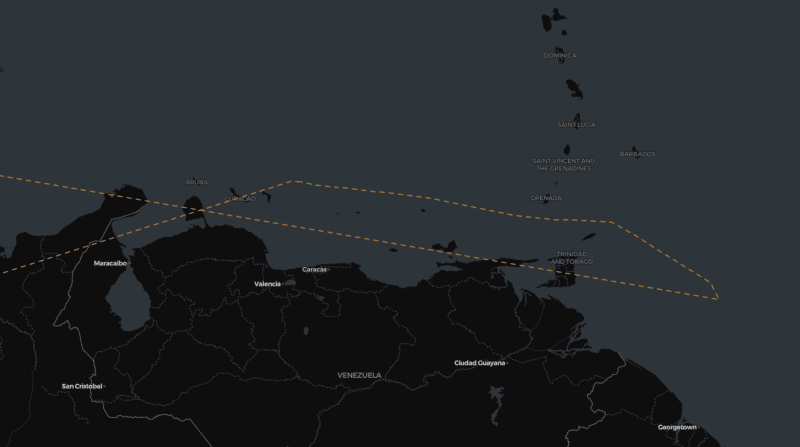
According to maritime databases, the Olina had been flying a false Timor-Leste flag, a tactic increasingly linked to so-called “shadow fleet” tankers trying to evade international oversight. Its automatic identification system (AIS) was last active in November 2025, showing the vessel off the coast of South America in Venezuela’s exclusive economic zone to the northeast of Curaçao. Prior to that the vessel visited ports in South Korea and China.
Shipping data suggest that Olina loaded cargo at the Jose Terminal in Venezuela on December 24-25 and began transiting through the Caribbean between January 2-4. The ship’s ownership has been registered in Hong Kong under Tantye Peur Limited since July 2025, records show.
The Olina has hit what analysts describe as a “sanctions trifecta,” having been blacklisted not just by the United States but also by the United Kingdom, the European Union, Australia, Canada and other international partners for its role in moving oil in defiance of sanctions.
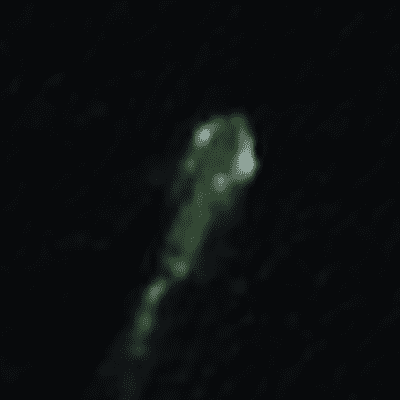
Olina captured by Sentinel 2 on January 5. (Source: Sentinel 2)
U.S. officials have framed the interdictions as part of a broader effort to disrupt networks of vessels that shuttle Venezuelan crude, often to destinations in Asia or via trans-shipments, while masking origins, cargoes and flags.
In public comments this week, a senior U.S. official said that additional vessels believed to be breaking out in groups across Atlantic and Caribbean waters are being pursued, though exact details about those operations and the identities of the ships remain limited.
Earlier this week, U.S. forces boarded M Sophia in Caribbean waters, describing that vessel as “stateless” and under sanctions for its connections to Venezuela’s illicit oil trade.
In the North Atlantic, the Russian-flagged Marinera, formerly Bella 1, was seized after a multi-week chase that drew international attention and underscored the growing complexity of enforcing sanctions against evasion tactics such as reflagging and name changes. Russia has since threatened retaliation by seizing U.S.-flagged vessels.
U.S. officials, however, contend that vessels operating without legitimate flags or falsified documentation lose protections normally afforded under maritime law and can be lawfully boarded pursuant to sanctions enforcement warrants issued by U.S. courts, though the actions have sparked criticism from Caracas, Moscow and other governments.
Sales of Venezuelan oil for loading in October stalled after a surge in shipping costs muddled negotiations between the country’s state oil company and buyers of its oil.
Commodity trading giant Trafigura is launching a new tanker company with plans to raise about $500 million and list the business in Oslo, opening its growing VLCC fleet to outside...
The cost of hiring an oil tanker on the industry’s benchmark trade route topped $1 million a day for the first time, as the Iran war leaves too few ships willing to cross the Strait of Hormuz to collect cargoes.
September 14, 2026
Total Views: 1417
Get The Industry’s Go-To News
Subscribe to gCaptain Daily and stay informed with the latest global maritime and offshore news
— just like 106,814 professionals
Secure Your Spot
on the gCaptain Crew
Stay informed with the latest maritime and offshore news, delivered daily straight to your inbox
— trusted by our 106,814 members
Your Gateway to the Maritime World!
Essential news coupled with the finest maritime content sourced from across the globe.

 Join The Club