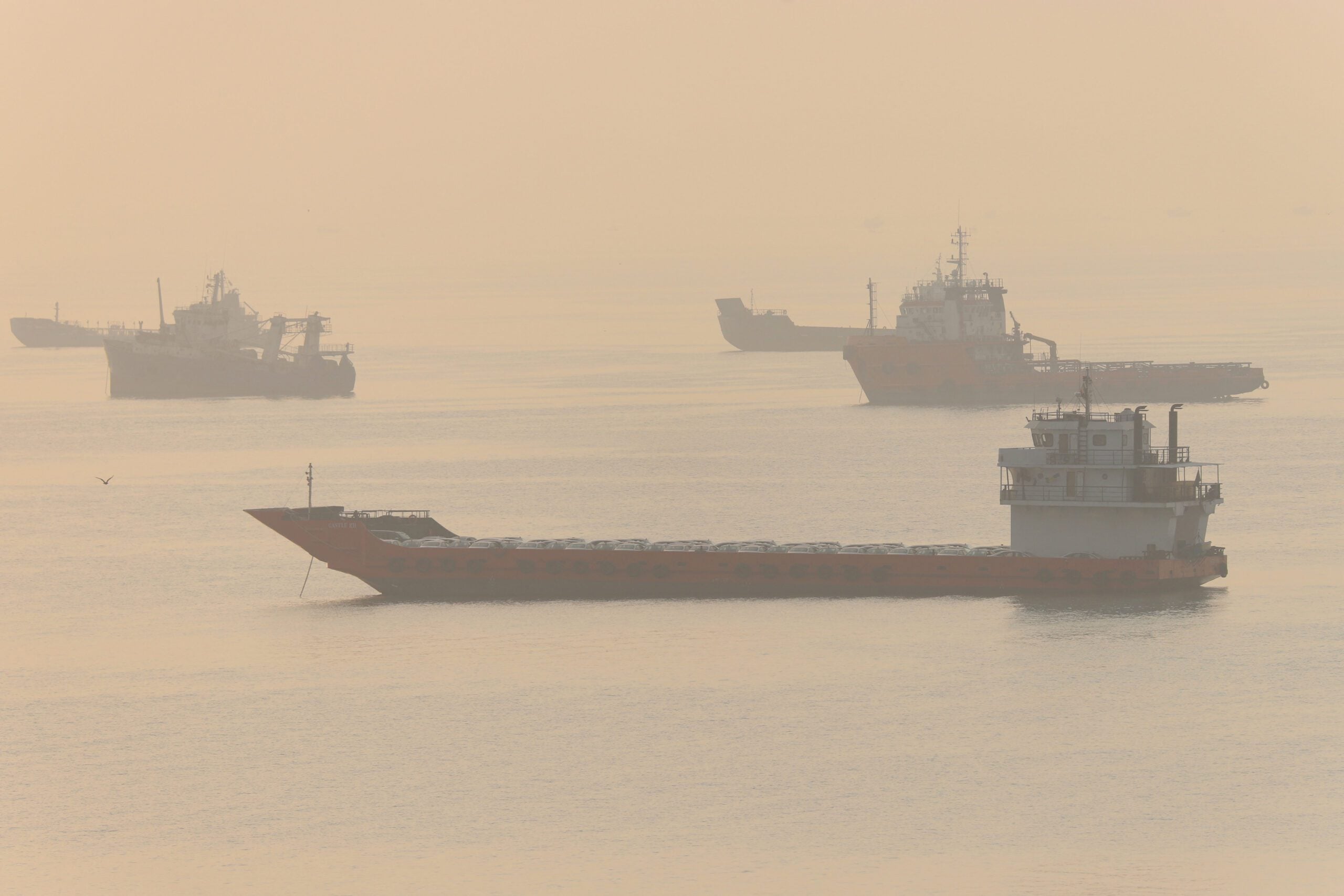
The United States has rolled out a broad new sanctions package aimed squarely at Iran’s shadow fleet, targeting the vessels, managers, and traders used to move Iranian oil and petrochemical exports in defiance of international restrictions.
In an announcement Thursday, the U.S. Department of State said it has designated 14 vessels and 15 entities involved in transporting Iranian petroleum and petrochemical products, marking one of Washington’s most expansive maritime enforcement actions against Tehran in recent months.
The measures were imposed under Executive Order 13846 and are intended to cut off revenue streams the U.S. says Iran uses to fund terrorism and destabilizing activities across the region.
“Time and time again, the Iranian government has prioritized its destabilizing behavior over the safety and security of its own citizens,” the State Department said, accusing Tehran of using illicit oil revenues to bankroll repression at home and proxy forces abroad.
According to U.S. officials, the sanctioned vessels—flagged across multiple jurisdictions—have collectively transported millions of barrels of Iranian crude while routinely engaging in dark activity and other deceptive shipping practices that undermine maritime safety and legitimate trade.
Shadow Fleet Under Fire
Among those designated is Hong Kong-based ALL WIN SHIPPING MANAGEMENT LIMITED, accused of managing the crude tanker VICSCENE, which transported Iranian oil between March and April 2025.
UAE-based MANARAT ALKHALEEJ MARINE SERVICES FZE was sanctioned for managing two tankers—OCEAN GUARDIAN and AL SAFA—that completed at least 30 Iran-origin shipments in 2025.
Chinese ship manager QINGDAO OCEAN KIMO SHIP MANAGEMENT CO LTD was targeted for operating the Barbados-flagged tanker BENLAI, while India-based ELEVATE MARINE MANAGEMENT PRIVATE LIMITED and its director, Akash Anant Shinde, were designated for managing the tanker BENEDICT, which carried Iranian petroleum products on multiple voyages late last year.
Petrochemical Traders Also Targeted
The sanctions net also widened to include traders dealing in Iranian petrochemical products.
Turkey-based STAREX DIS TICARET KIMYA ANONIM SIRKETI was accused of importing more than $8 million worth of Iranian petrochemical products in 2024. Another Turkish firm, AMON KIMYA, along with its manager Mehmet Ozsuren, was designated for importing Iranian-origin ammonia during the same period.
“Similar to Iran’s crude oil trade, petroleum and petrochemical product sales provide crucial revenue to the Iranian regime,” the State Department said.
Implications for Maritime Trade
As a result of the designations, all property and interests in property of the sanctioned entities that are in the United States or controlled by U.S. persons are now blocked and must be reported to the Treasury Department’s Office of Foreign Assets Control.
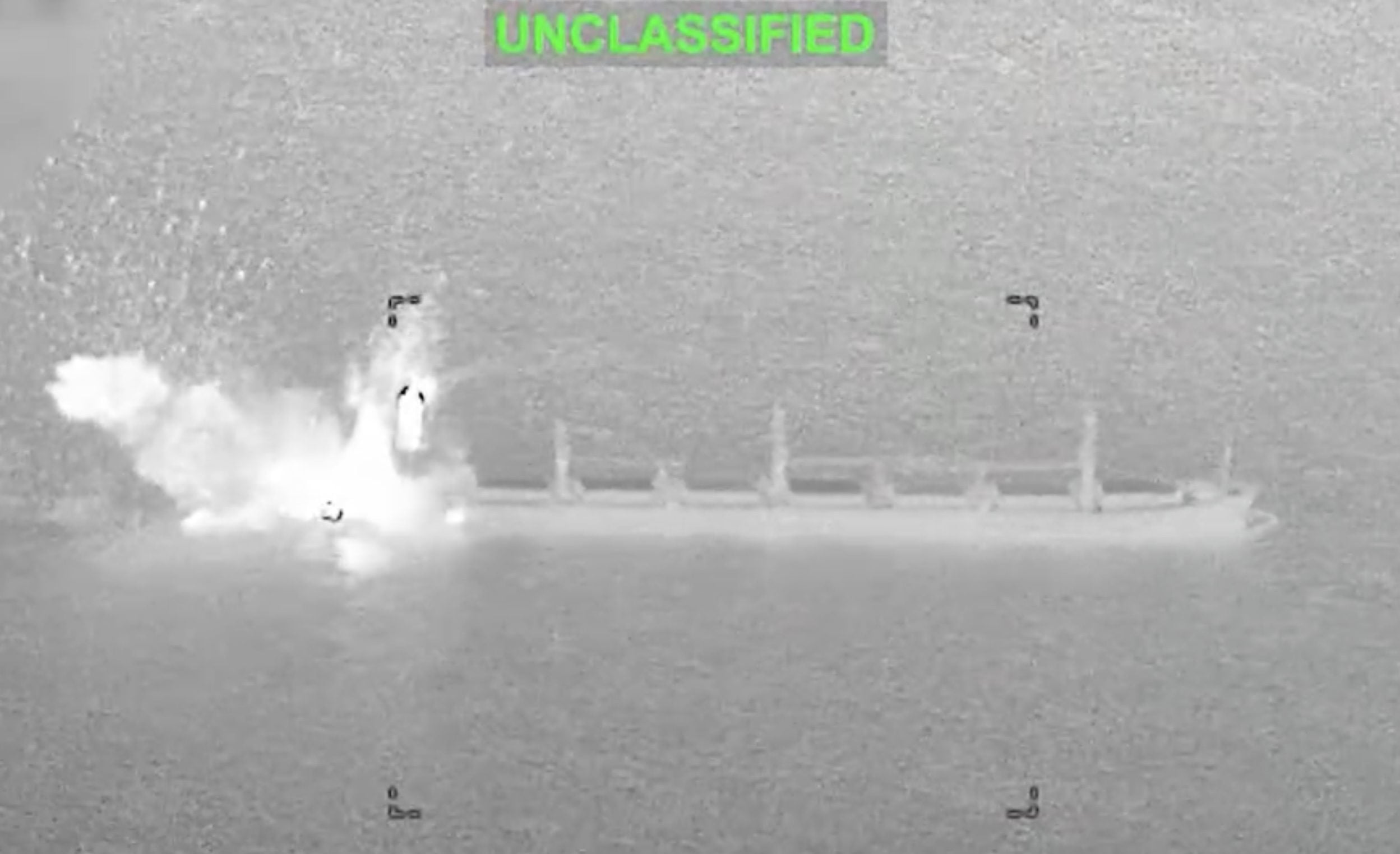
The action comes amid heightened tensions in the Strait of Hormuz and a deteriorating regional security environment. Recent incidents involving Iranian harassment of U.S.-flagged vessels have underscored the risks facing commercial shipping in the region.
U.S. officials stressed that the sanctions are intended to change behavior, not serve as punishment, noting that designated parties may petition for removal from the sanctions list.
The sanctions come as the U.S. and Iran resume nuclear talks mediated by Oman in Muscat. Iranian Foreign Minister Abbas Araqchi said the talks were off to a “good start” but stressed Tehran would only discuss its nuclear program, while Washington has pushed for a broader agreement covering missiles and regional activity—a stance reiterated by U.S. Secretary of State Marco Rubio, underscoring the tension between diplomacy and continued sanctions pressure.
The latest move signals Washington’s intent to keep pressure on Iran’s maritime smuggling networks, even as operators continue to rely on shell companies, flag-of-convenience vessels, and opaque management structures to evade enforcement.

 Join The Club