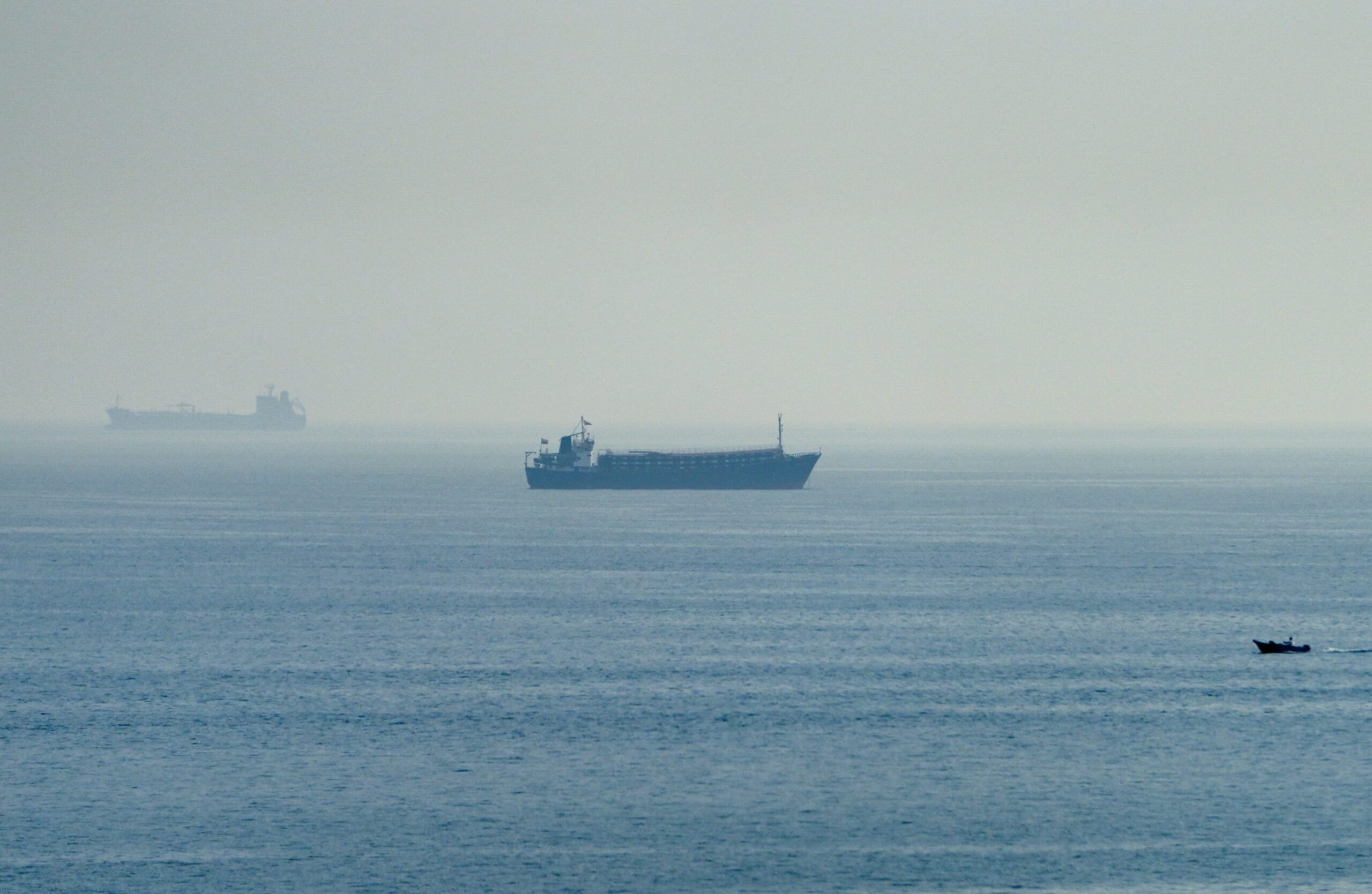
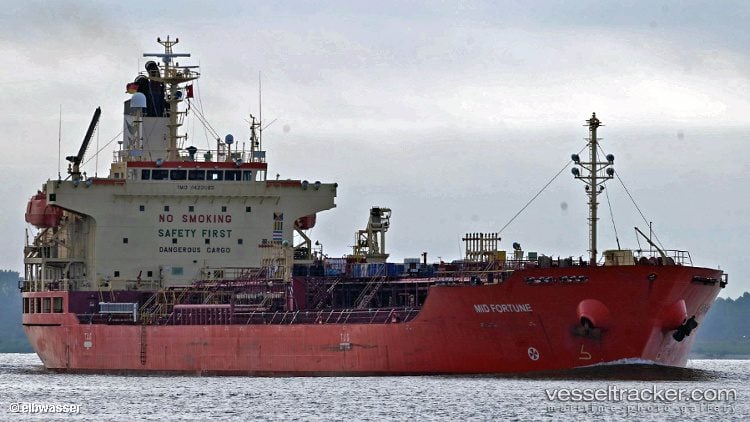
U.S. Central Command is disputing an Iranian claim that a Panama-flagged tanker recently struck a naval mine in the Strait of Hormuz, saying the ship was instead hit by Iranian weapons on two separate occasions.
Iran’s Islamic Revolutionary Guard Corps said the tanker El Gaia struck a mine while attempting to transit the Strait, sparking a fire aboard the vessel.
CENTCOM said that account was false.
According to the U.S. military, El Gaia was first struck by an Iranian missile last month, leaving the tanker inoperable. Iran then attacked the vessel again with a drone over the weekend while it was sitting in waters off Oman, CENTCOM said. The tanker is now being towed by a regional partner.
“The IRGC’s false claim is yet another example of their lies and intimidation attempts while they try to impede commercial vessels in the strait,” CENTCOM said.
The dispute comes as the latest UK Maritime Trade Operations and Joint Maritime Information Center assessments show just how dangerous the Strait remains, despite U.S. claims that mines have been cleared from the established shipping lanes.
JMIC said three vessels were attacked in the Strait during the latest 72-hour reporting period.
On September 10, a tanker reported seeing another vessel on fire about six nautical miles ahead. The master later reported that two unidentified ships had each been struck by two unknown projectiles.
Another tanker issued a distress call late September 12 after being hit by an unknown projectile while transiting the Strait. The vessel’s management later confirmed a severe fire aboard the fully loaded tanker.
JMIC continues to rate the threat to commercial shipping in the Strait of Hormuz as SEVERE, warning that deliberate hostile action remains highly likely. The center also continues to warn mariners about possible mining activity in and around the Traffic Separation Scheme, along with projectile attacks, IRGC surveillance, VHF hailing and efforts to influence vessel routing.
That warning comes less than three weeks after CENTCOM Commander Adm. Brad Cooper said U.S. forces had cleared Iranian mines from the internationally recognized shipping lanes through Hormuz.
Cooper said U.S. forces spent months clearing mines from the Strait’s Traffic Separation Scheme using Navy divers, Navy SEALs and air power from across the military.
His comments followed President Donald Trump’s announcement that mines had been removed or destroyed from international waters in the Strait. But maritime authorities have stopped short of declaring the wider waterway mine-free.
JMIC has continued to warn of drifting or uncharted mines and ongoing mine-survey activity, drawing a distinction between clearing known mines from designated shipping lanes and eliminating the broader mine threat across the Strait.
Traffic also remains far below normal. UKMTO’s September 11 Voluntary Reporting Area overview said vessel traffic through Hormuz was still about 90% below pre-conflict levels.
Over the previous seven days, U.S.-reported facilitated transits through the southern route averaged about 20 vessels per day, compared with only six AIS-derived transits per day.
UKMTO said the roughly 3-to-1 difference suggests a large share of traffic remains dependent on facilitated passage. The agency also said it was aware of UAE-facilitated vessels transiting with AIS switched off, although those movements could not be independently verified.
More recent JMIC figures show facilitated traffic holding at roughly the same level. Seventy U.S.-facilitated transits were recorded from September 10 through September 12. That remains a fraction of normal traffic. Before the conflict, the Strait averaged about 138 vessel movements per day.

 Join The Club