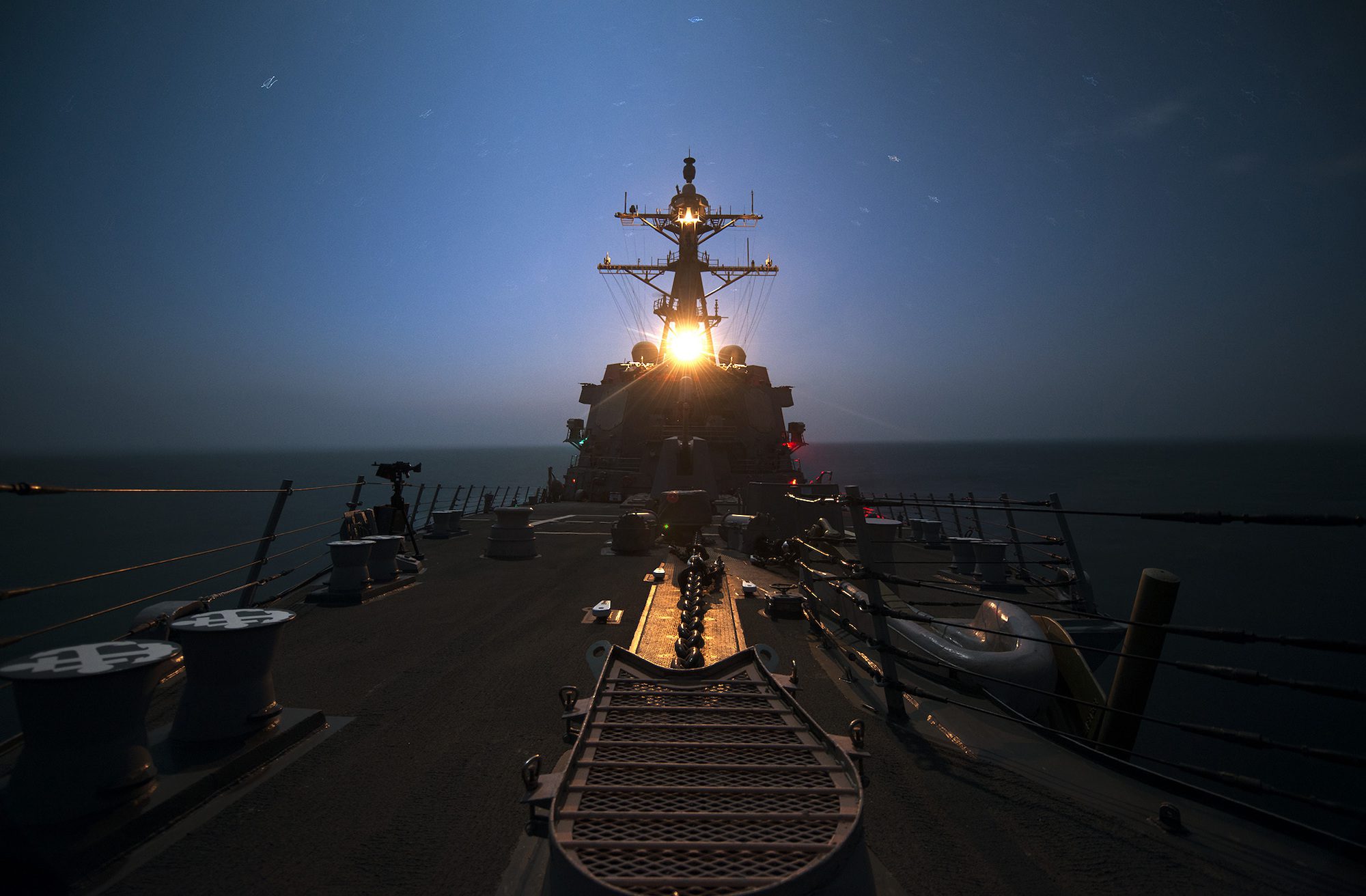
The U.S. Department of Defense has released new footage showing U.S. Navy destroyers engaging Iranian ballistic missiles during yesterday’s attack on Israel.
On Tuesday, Iran launched approximately 200 ballistic missiles at Israel, marking a significant escalation in Middle East tensions.
“We condemn these reckless attacks by Iran, and we call on Iran to halt any further attacks, including from its proxy forces,” said Pentagon Press Secretary Air Force Maj. Gen. Pat Ryder. He added that the attack was nearly double the scale of a similar incident in April, with the U.S. once again assisting in Israel’s defense.
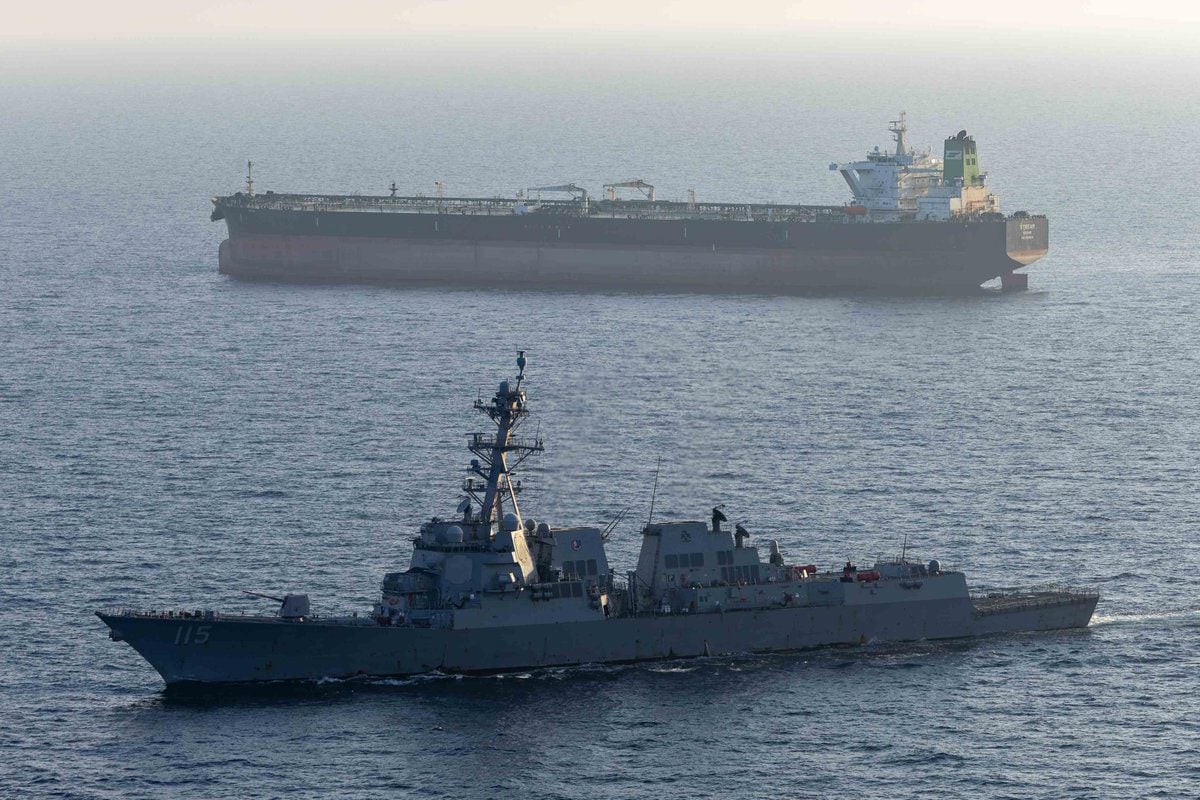
Two Arleigh Burke-class destroyers, the USS Cole and USS Bulkeley, deployed in the Eastern Mediterranean, fired a dozen interceptors at the incoming Iranian missiles. The U.S. Naval Forces Europe-Africa/U.S. Sixth Fleet confirmed that “multiple missiles are believed to have been successfully engaged.”
Despite the intensity of the attack, initial assessments indicate minimal damage on the ground in Israel. Ryder stressed Iran’s destructive intent, stating, “You don’t launch that many missiles at a target without the intent of hitting something.”
In communications with Israeli Defense Minister Yoav Gallant, Secretary of Defense Lloyd J. Austin III reaffirmed the United States’ “ironclad commitment to the defense of Israel.”
Iran’s missile attack follows Israel’s killing of Hamas’ political leader Ismail Haniyeh in Tehran, Iran, in early July, along with the elimination of other senior officials from the Iran-led “Axis of Resistance,” which includes Gaza-based Hamas, Lebanon-based Hezbollah, and Yemen-based Houthis.
Meanwhile, Israeli officials have stated that Israel will retaliate for the attack. According to a threat circular from maritime security firm Ambrey, an Iranian response could impact energy infrastructure and international trade in key waterways such as the Strait of Hormuz, Arabian Sea, Bab el-Mandeb Strait, and offshore Israel.
Consequently, Ambrey assesses that Israeli shipping and offshore facilities, along with U.S. shipping interests in the region, are at heightened risk.
By Julian Lee (Bloomberg) — Oil shipments from the Middle East are showing little sign of buckling in the face of Iran’s more frequent and damaging attacks on merchant ships in the...
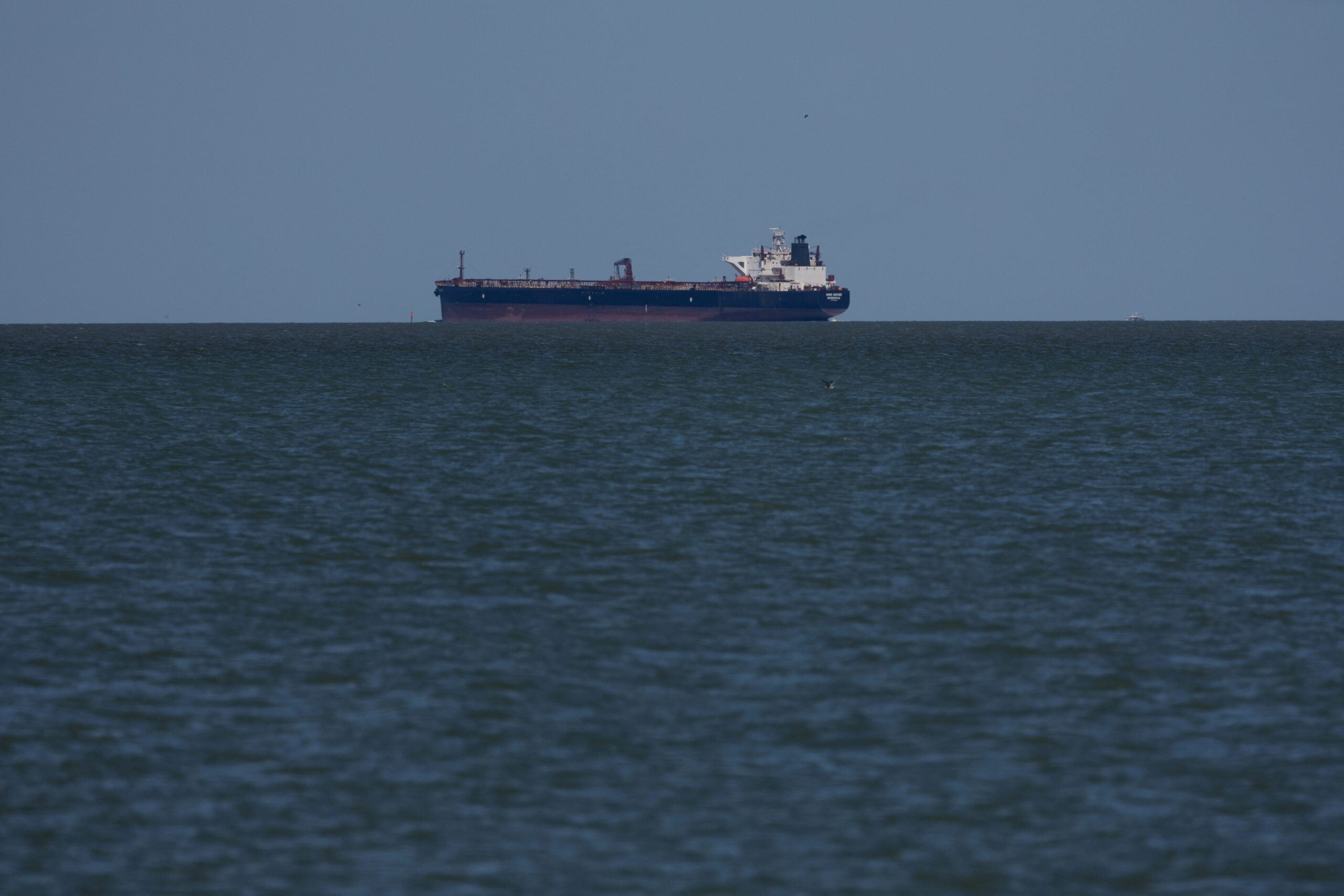
Iran’s main oil-loading terminals have remained empty for weeks, adding to signs that a US naval blockade of the country is throttling Tehran’s exports.
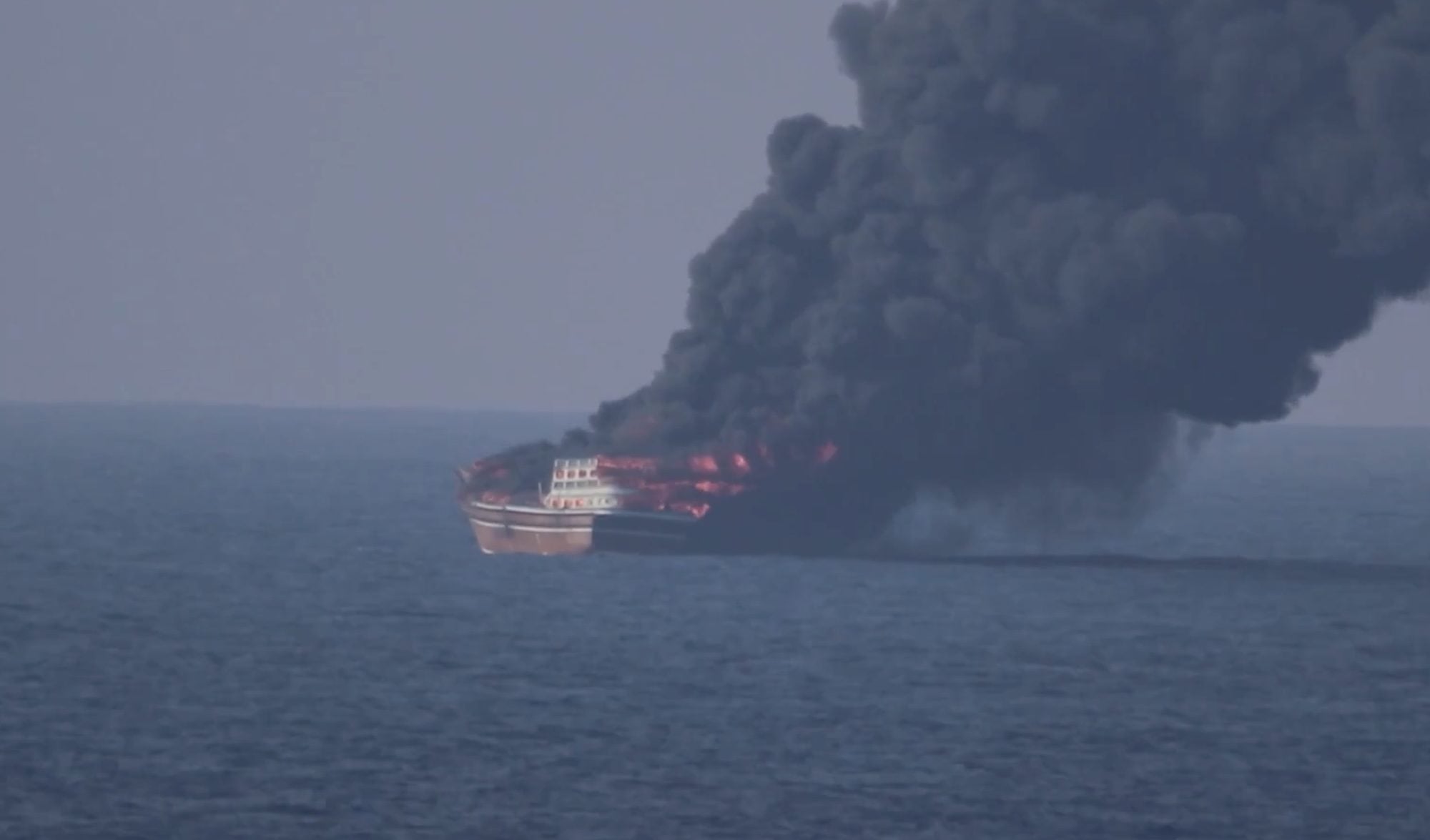
U.S. forces destroyed an Iranian-affiliated dhow in the Gulf of Oman on October 6 after determining that the vessel was conducting surveillance and helping target American warships, U.S. Central Command...
October 14, 2026
Total Views: 3665
Get The Industry’s Go-To News
Subscribe to gCaptain Daily and stay informed with the latest global maritime and offshore news
— just like 106,374 professionals
Secure Your Spot
on the gCaptain Crew
Stay informed with the latest maritime and offshore news, delivered daily straight to your inbox
— trusted by our 106,374 members
Your Gateway to the Maritime World!
Essential news coupled with the finest maritime content sourced from across the globe.

 Join The Club