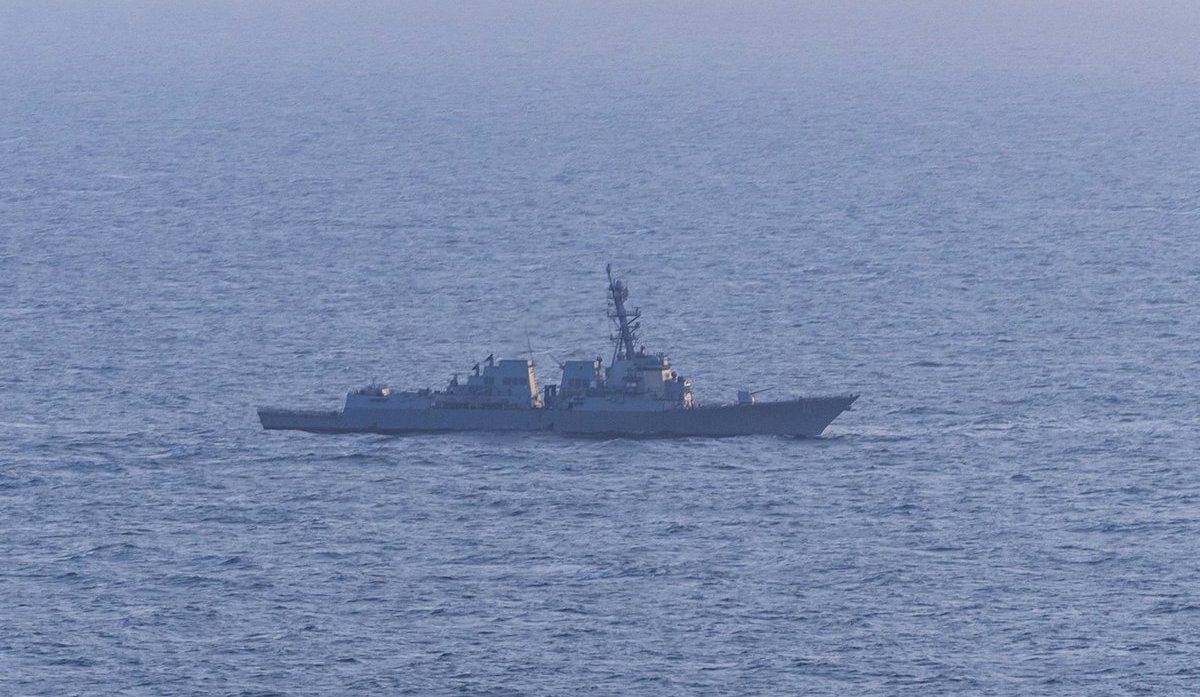
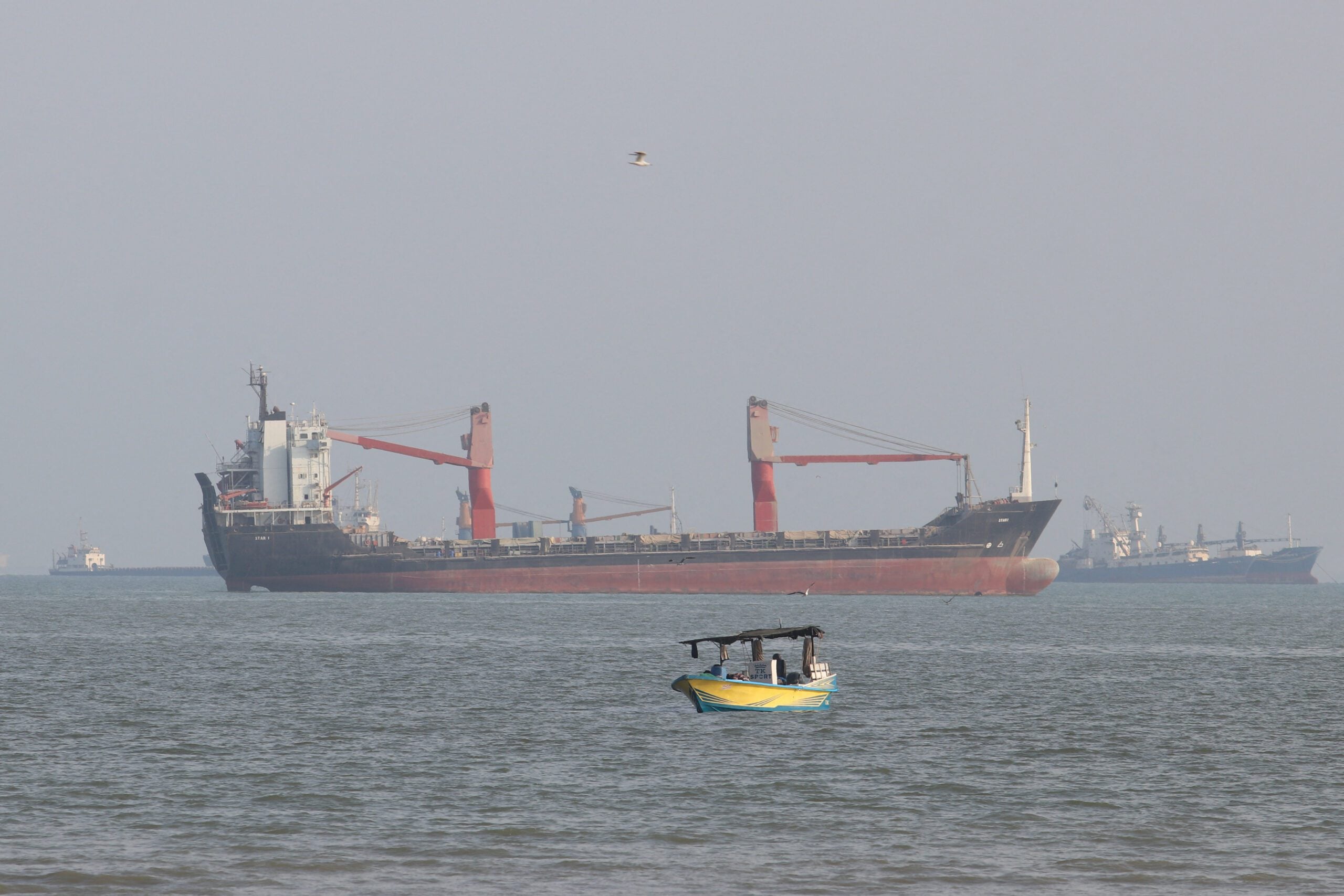
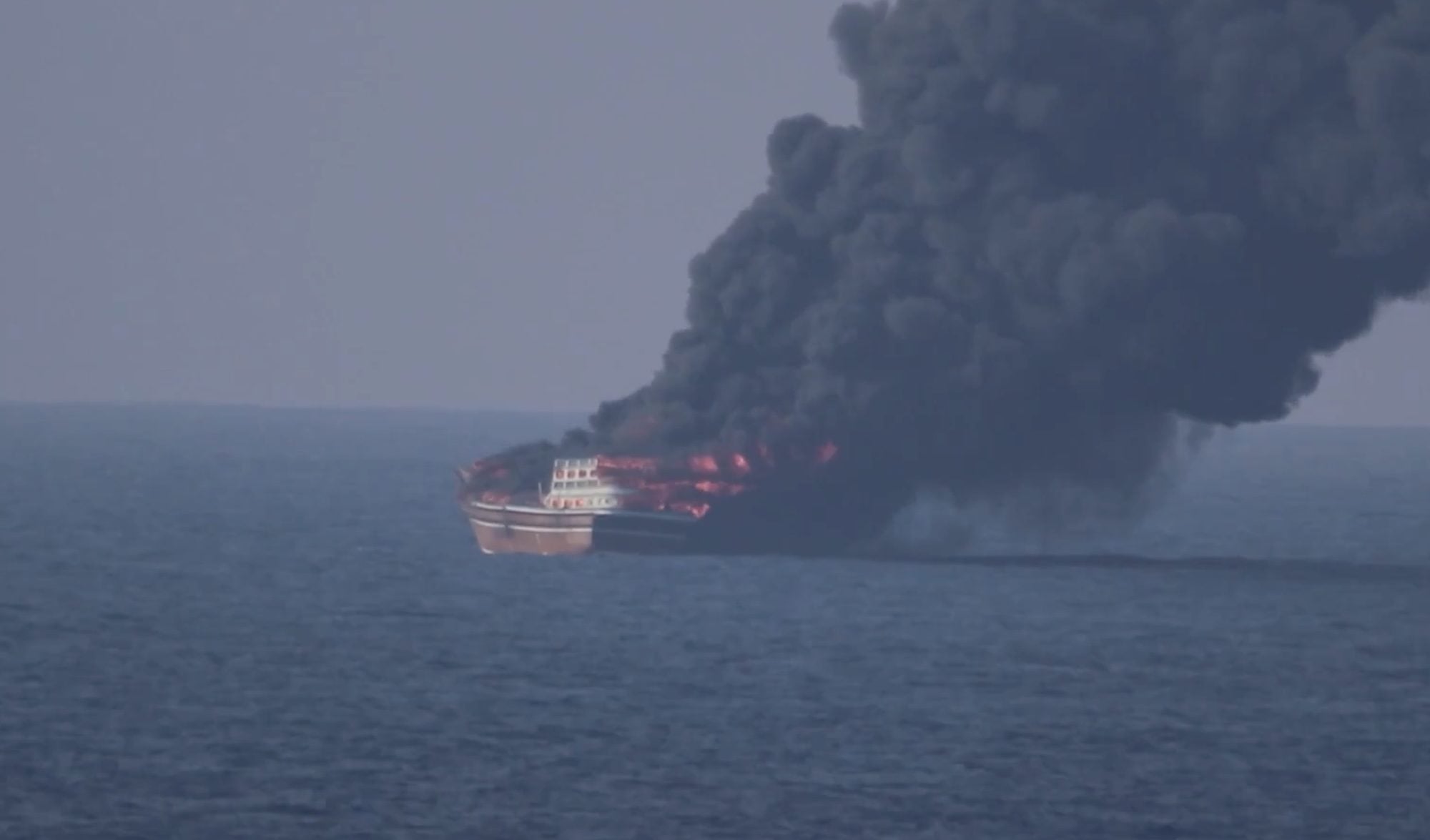
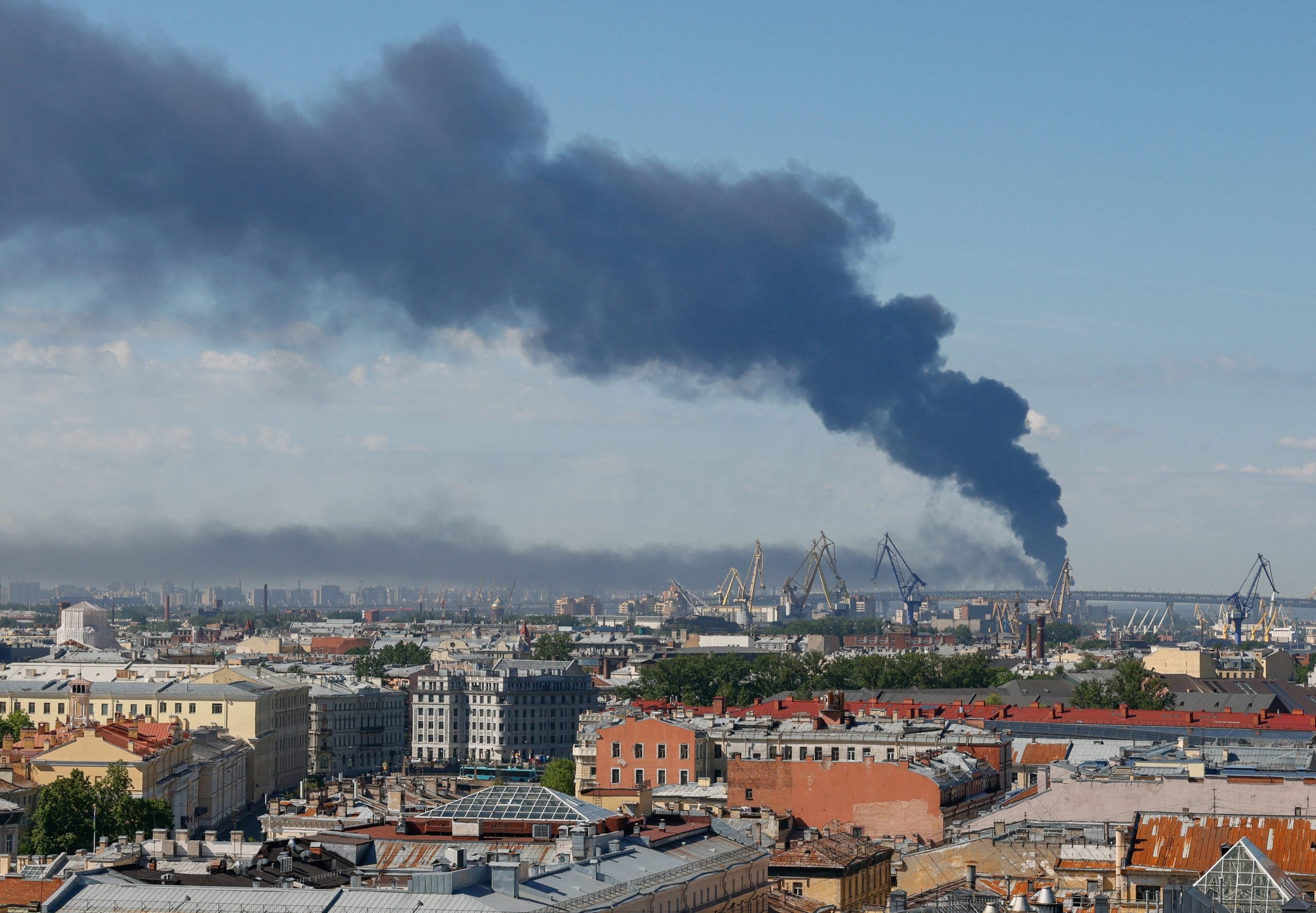
The U.S.-led maritime blockade of Iranian ports has entered a new and more aggressive phase, with fresh guidance confirming that American forces can now stop, board, and potentially seize vessels far beyond the immediate vicinity of Iran.
A new advisory issued by the Joint Maritime Information Center (JMIC) on April 16 outlines a sweeping expansion of enforcement authority, transforming what began as a port-focused blockade into a broader maritime interdiction campaign spanning key global shipping lanes.
Under the updated guidance, Iranian-flagged vessels, ships under U.S. sanctions, and any vessel suspected of carrying “contraband” cargo are now subject to the “belligerent right to visit and search,” a legal framework allowing boarding and seizure operations regardless of location.
That marks a significant escalation from earlier rules focused primarily on ships entering or leaving Iranian ports.
The shift has already drawn attention across the shipping industry, with reports noting that the new directive allows U.S. forces to target vessels globally if they are tied to Iranian trade or suspected cargo flows.
From Blockade to Interdiction
On Thursday, U.S. Central Command confirmed that 14 vessels have been turned around by American force in the first 72 hours of the blockade.
The advisory confirms that the blockade—which began April 13—is being enforced across the Gulf of Oman and Arabian Sea, covering the entirety of Iran’s coastline, including major oil terminals.
Any vessel attempting to enter or depart Iranian-controlled waters without authorization remains subject to interception, diversion, or capture.
However, the latest update makes clear that enforcement is no longer confined to those waters.
Instead, U.S. forces now claim authority to track and interdict suspect vessels on the high seas, dramatically widening the operational scope and increasing uncertainty for shipowners, charterers, and insurers.
A Sweeping Definition of “Contraband”
At the center of the new guidance is a broad definition of contraband cargo. The advisory divides contraband into two categories, sharply expanding the scope of what may be targeted at sea.
Absolute contraband includes weapons, ammunition, military vehicles, aircraft, naval systems, and military electronics—cargo long considered legitimate targets in wartime interdiction. The notice states that “all weapons and weapon systems of any type are absolute contraband,” along with “all ammunition and explosives,” as well as military platforms and specialized electronics.
More consequential for commercial shipping is the category of conditional contraband, which extends far beyond traditional military goods. The advisory explicitly includes “Petroleum, Oil, and Lubricants (POL)”—covering “crude oil” and “refined petroleum products”—noting their role in sustaining Iran’s war economy.
It goes further, identifying metals such as “iron, steel, aluminum,” industrial machinery including “machine tools” and manufacturing equipment, and a wide range of “dual-use electronics and components” as liable to seizure if tied to military end-use. Chemicals, vehicles, and even “energy and power generation equipment” are also listed, reflecting a broad interpretation of goods that could support Iran’s military or industrial base.
The inclusion of energy cargoes is particularly significant, effectively placing large portions of Iran-linked oil trade within the scope of potential seizure and reinforcing the shift from a narrow blockade to a far wider interdiction regime.
Strait Remains “Open”—But Controlled
Despite the expanded enforcement, U.S. officials continue to emphasize that transit through the Strait of Hormuz remains open for vessels not calling at Iranian ports.
The JMIC advisory reiterates that neutral transit passage is permitted, although ships may still be subject to boarding and inspection to verify cargo.
At the same time, the maritime security threat level across the region remains classified as CRITICAL, with mariners warned to expect increased naval presence, VHF hailing, and heightened operational risks, including potential mine threats and congestion near anchorages.
The United Nations Convention on the Law of the Sea guarantees freedom of navigation and limits boarding rights on the high seas, but in armed conflict those peacetime rules are supplemented by the law of naval warfare, which allows blockades and the interception and seizure of vessels carrying contraband.
Shipowners now face a complex risk environment where cargo type, ownership structure, and end destination may all trigger interdiction, even outside the immediate blockade zone.
For insurers and compliance teams, the advisory introduces a new layer of uncertainty, as routine commercial cargoes—from fuel shipments to industrial equipment—could fall under scrutiny if linked to Iran.

 Join The Club