Don’t Miss Your Daily Briefing for the Maritime Industry
Join the leading maritime news network
— trusted by our 107,492 members
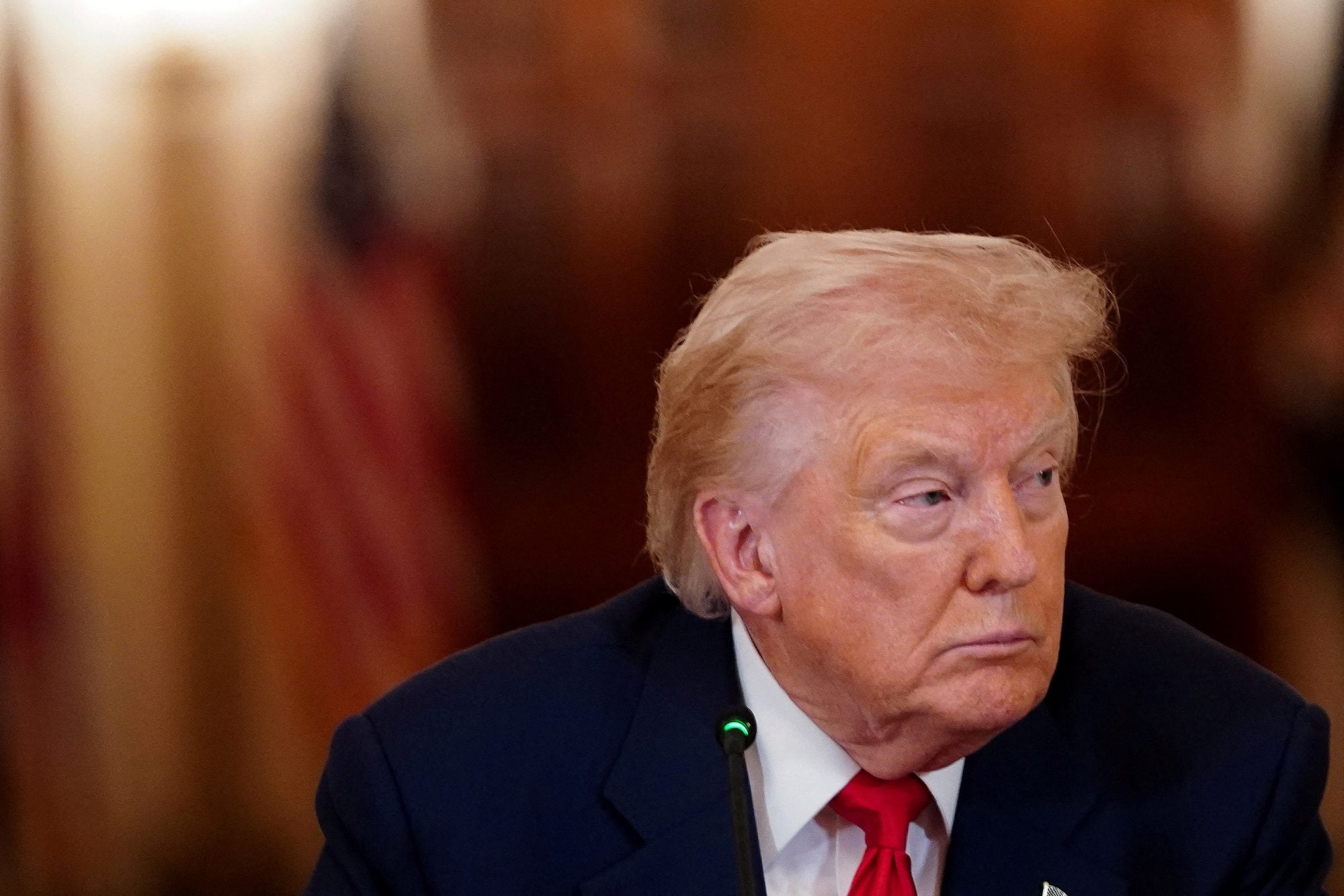
FILE PHOTO: U.S. President Donald Trump looks on during a round table on collegiate sports in the White House in Washington, D.C., March 6, 2026. REUTERS/Nathan Howard/File Photo
Trump Signals Endgame in Iran, Says Hormuz Security Will Fall on ‘Nations Who Use It’
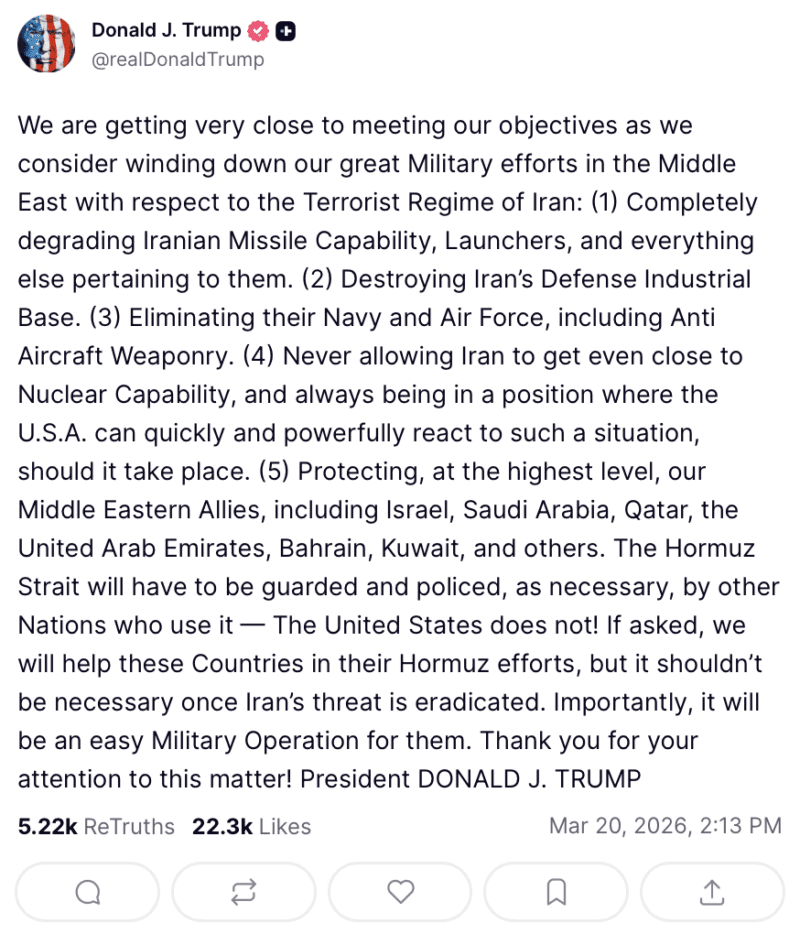
President Donald Trump on Friday signaled that U.S. military objectives against Iran are nearing completion, outlining a sweeping set of goals that include the destruction of Tehran’s military capabilities while indicating the United States may step back from directly policing the Strait of Hormuz.
In a post on Truth Social, Trump said U.S. operations have focused on “completely degrading Iranian missile capability,” destroying the country’s defense industrial base, and eliminating its navy and air force—while ensuring Iran cannot develop nuclear weapons.
But the most consequential signal for the shipping industry came in his comments on Hormuz.
“The Hormuz Strait will have to be guarded and policed, as necessary, by other Nations who use it — The United States does not!” Trump wrote, adding that the U.S. would assist if asked but suggested regional powers should take primary responsibility.
Shipping Industry Faces Uncertainty as U.S. Role Comes Into Question
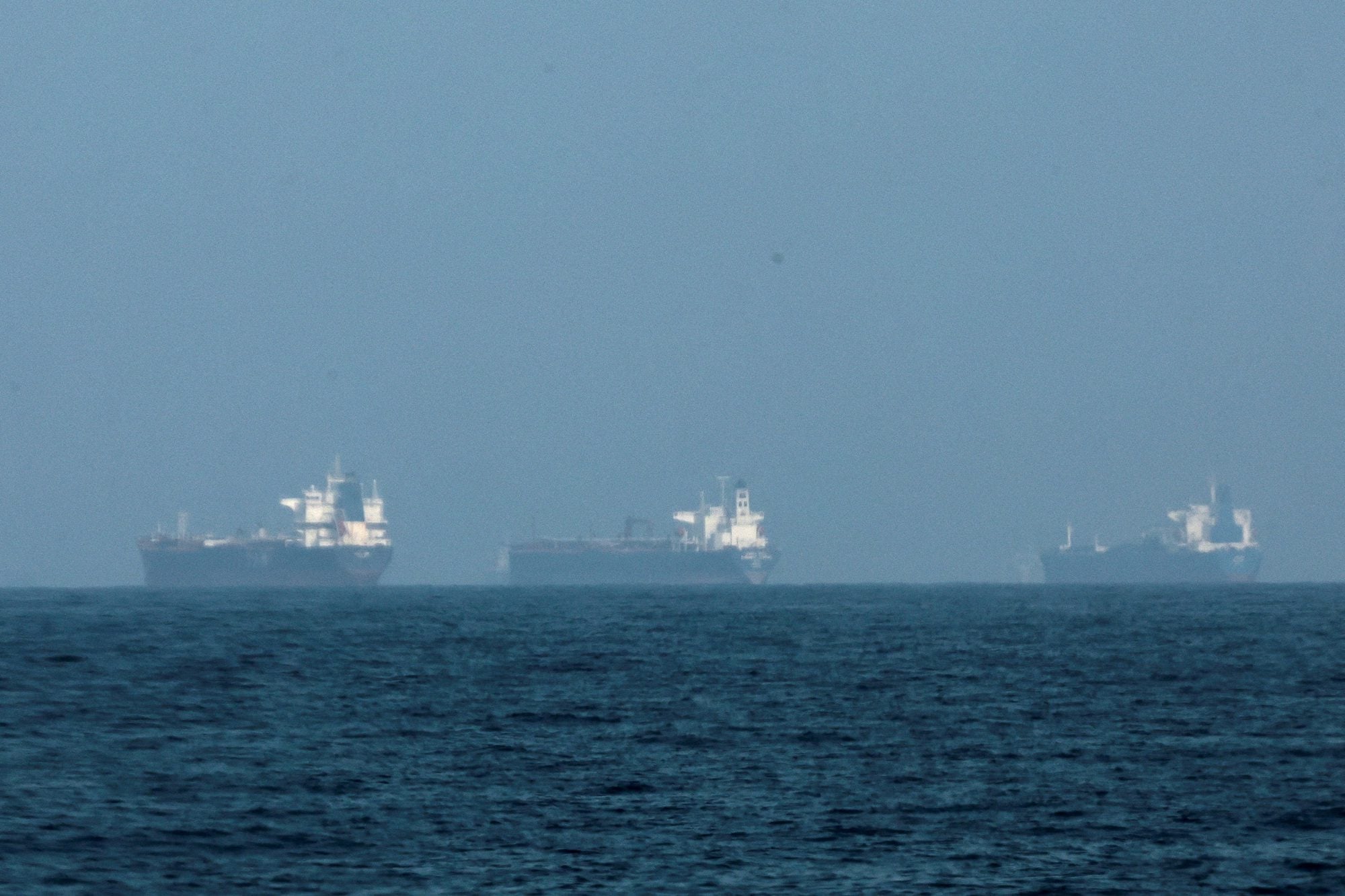
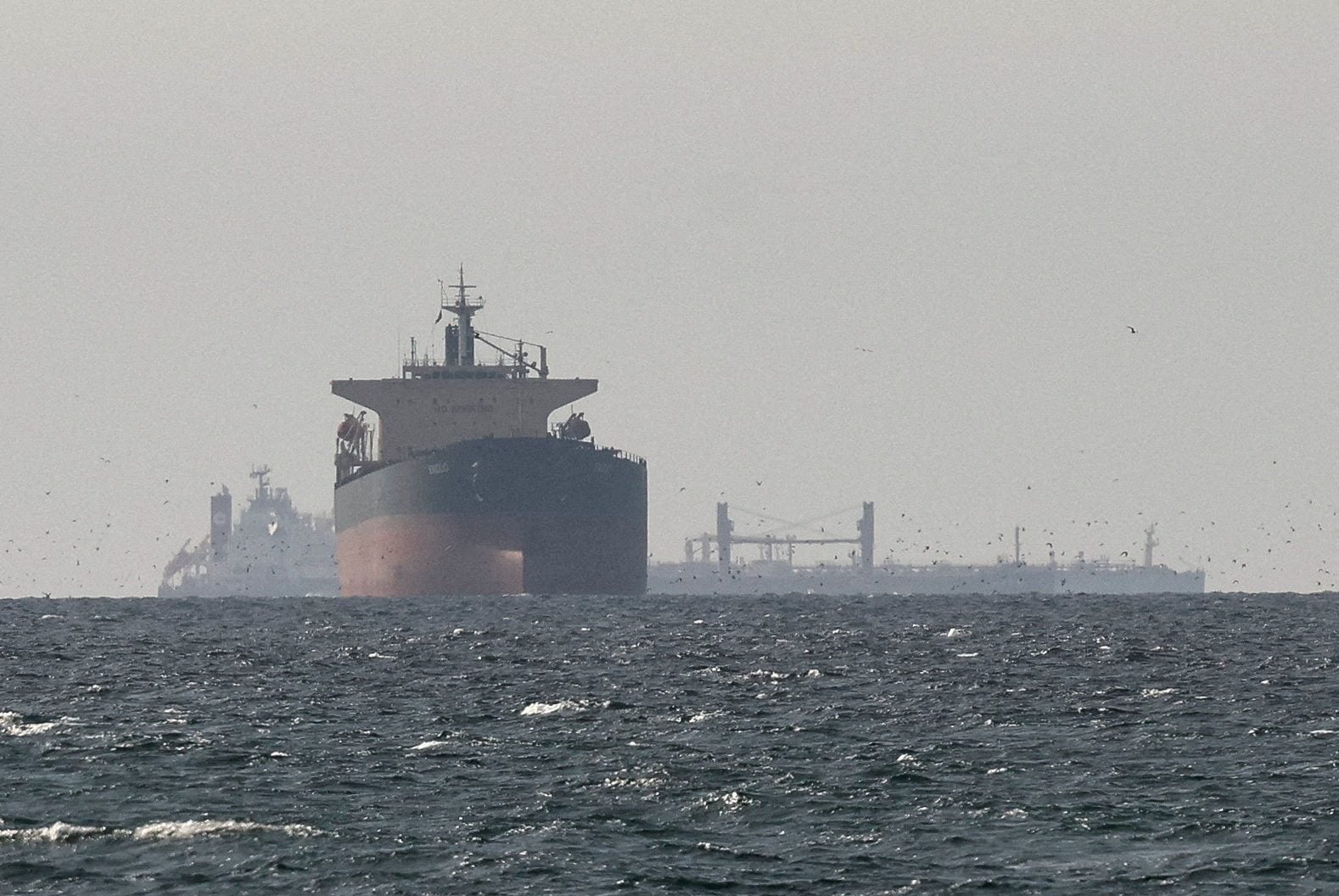
Trump’s remarks land at a critical moment for global shipping, with commercial traffic through the Strait effectively collapsing amid ongoing attacks and security concerns. The suggestion that the U.S. may not directly secure the waterway raises fresh questions about how—and whether—traffic can safely resume.
Trump’s proposal seems to effectively shift responsibility to Gulf states and major energy consumers.
Even before Trump’s comments, U.S. allies had already rebuffed calls to deploy warships for escort operations, highlighting the political and operational challenges of maintaining a multinational security presence.
For maritime shipping, Trump’s remarks seem to reinforce a growing consensus that even if the active conflict eases, a rapid return to normal operations in Hormuz appears unlikely in the near-term.
Trump’s statement seems to signal that Washington may be preparing to declare victory and step back militarily, but for global shipping, the message is far less reassuring.
Without a credible and scalable security framework in place, the world’s most critical energy chokepoint remains effectively paralyzed—leaving shipowners, crews, and cargo interests navigating a crisis with no clear end in sight.
Iranian officials have become reluctant to even discuss reopening the Strait of Hormuz as they focus on surviving the US-Israeli onslaught, according to a person involved in direct, high-level contacts with Tehran.
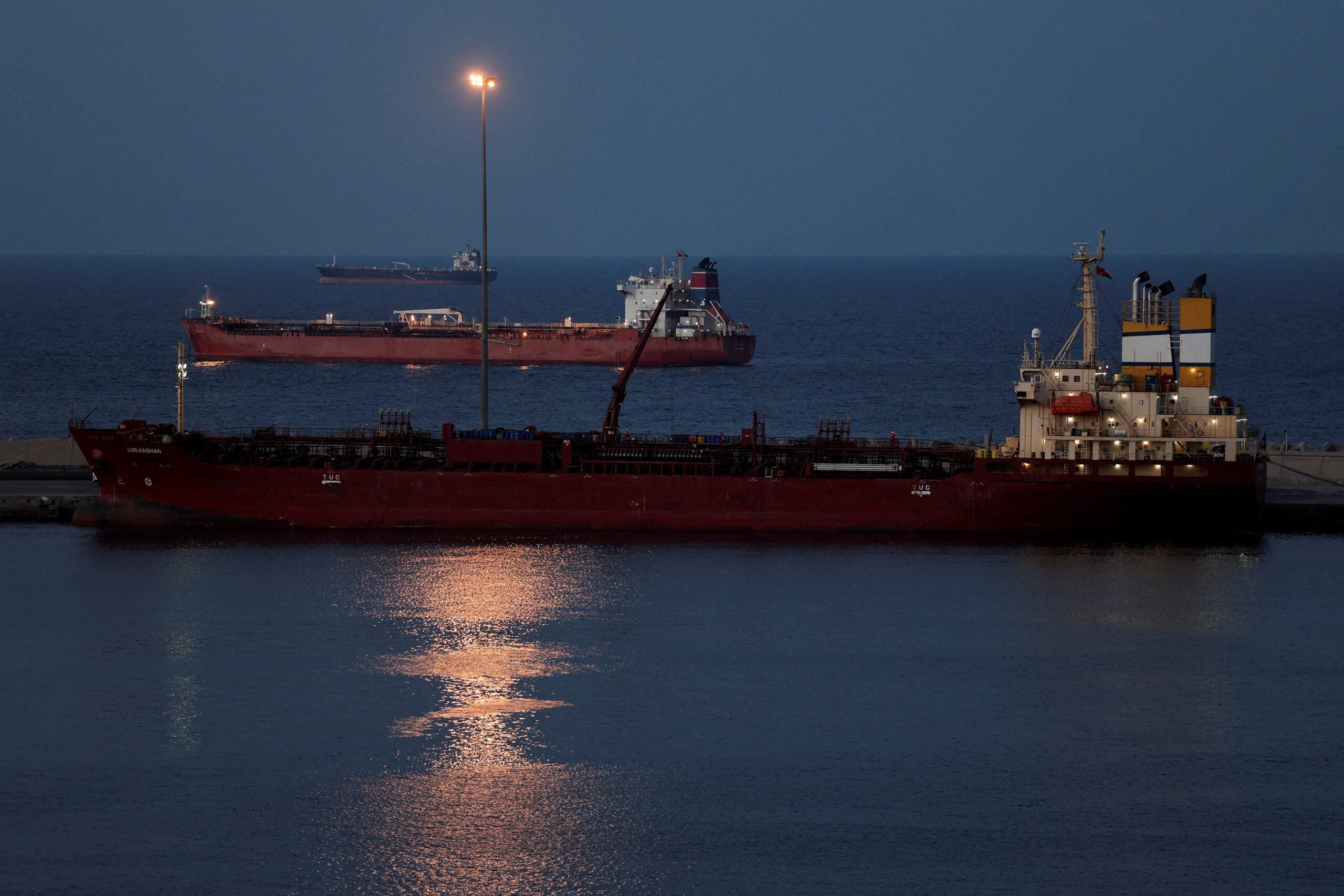
Two Indian-flagged liquefied petroleum gas tankers are preparing to sail through the Strait of Hormuz in coming days after a pause in voyages, with no crude oil tankers having transited the waterway in the past 24 hours, according to shipping data and sources.
A mounting humanitarian crisis is unfolding at sea as tens of thousands of seafarers remain trapped aboard vessels across the Persian Gulf, Gulf of Oman, and Arabian Sea, with reports...
7 hours ago
Total Views: 973
Get The Industry’s Go-To News
Subscribe to gCaptain Daily and stay informed with the latest global maritime and offshore news
— just like 107,492 professionals
Secure Your Spot
on the gCaptain Crew
Stay informed with the latest maritime and offshore news, delivered daily straight to your inbox
— trusted by our 107,492 members
Your Gateway to the Maritime World!
Essential news coupled with the finest maritime content sourced from across the globe.

 Join The Club